A groundbreaking study from Hiroshima University has unveiled a surprising, yet potentially life-saving, correlation: the number of natural teeth a person possesses may serve as a critical clinical indicator for long-term survival following surgery for pancreatic ductal adenocarcinoma (PDAC). As researchers continue to grapple with the high mortality rates associated with one of the world’s most aggressive malignancies, this discovery suggests that the humble dental examination could soon become a cornerstone of personalized cancer prognosis.
Main Facts: A Statistical Divide
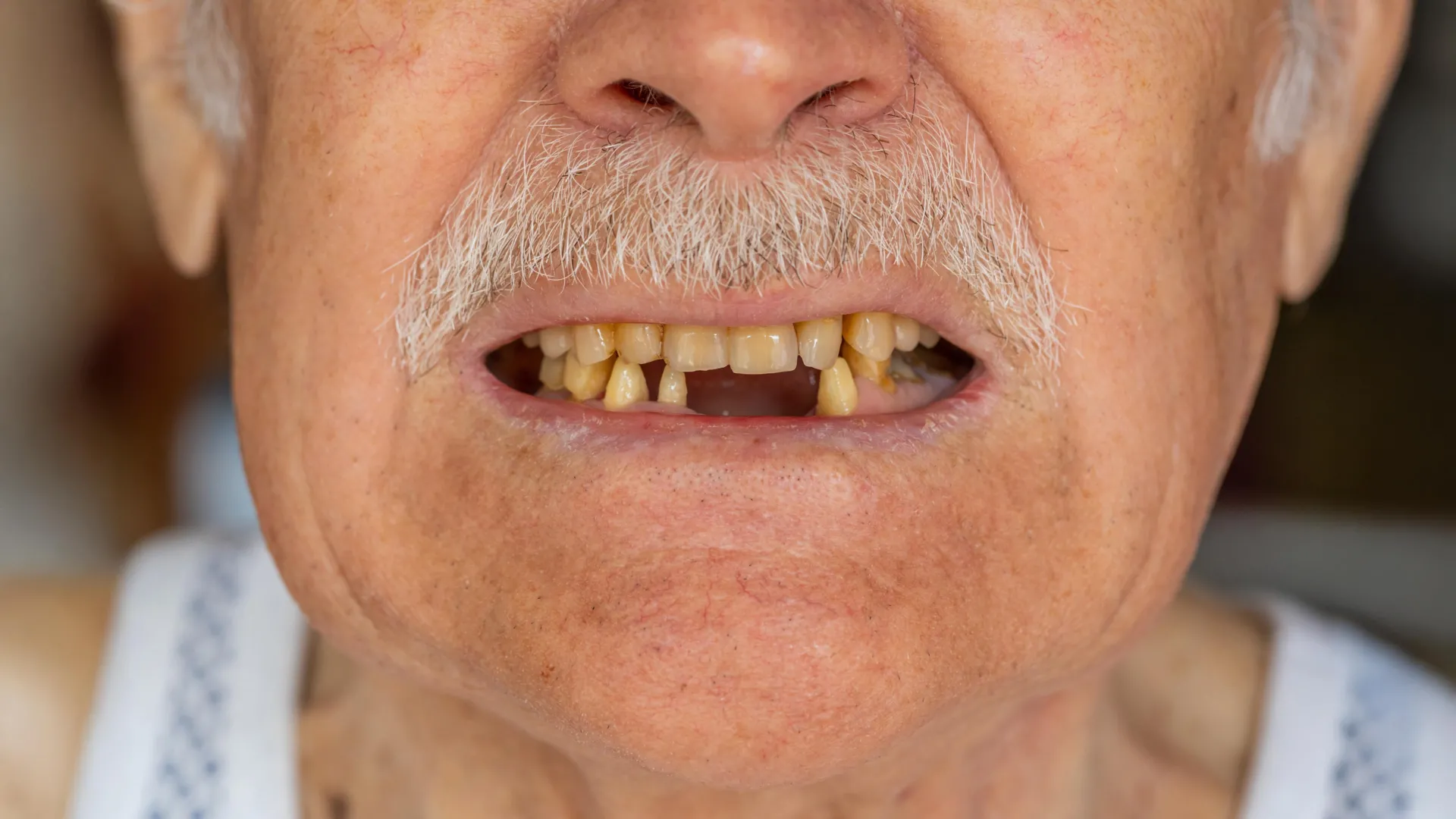
The research, published in the Journal of Hepato-Biliary-Pancreatic Sciences, highlights a stark survival gap. Among the 339 patients who underwent radical pancreatectomy at Hiroshima University Hospital between 2014 and 2022, those who retained 21 or more natural teeth demonstrated a median overall survival of 60.7 months. In contrast, patients with 20 or fewer natural teeth showed a median survival of just 39.1 months.
This nearly two-year difference remains significant even when adjusting for traditional clinical variables such as tumor stage, lymph node metastasis, the success of surgical margins, post-operative chemotherapy, and overall nutritional status. The data suggests that the state of a patient’s oral cavity is not merely a localized health concern but a systemic reflection of their body’s long-term resilience and physiological vigor.
Chronology: From Oral Hygiene to Oncology
The connection between oral health and systemic disease is not entirely new to medical science. For years, clinicians have noted that chronic periodontitis—the inflammation of the gums and supporting structures of the teeth—is linked to cardiovascular disease, diabetes, and adverse pregnancy outcomes.
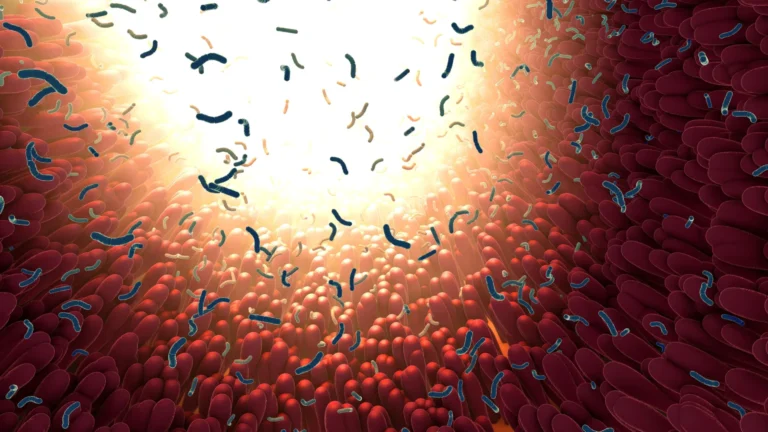
In the realm of oncology, the narrative has shifted from viewing the mouth as a separate biological entity to recognizing it as an entry point for systemic inflammation. Previous studies had already established links between poor dental health and the prognosis of colorectal and esophageal cancers. When the Hiroshima University team turned their attention to pancreatic cancer, they were building upon the hypothesis that the oral microbiome—specifically pathogens like Porphyromonas gingivalis—may contribute to the initiation and progression of tumors.
The study followed a structured, multi-year observation period:
- 2014–2022: The research team enrolled 339 consecutive patients undergoing radical pancreatectomy.
- Pre-Surgery: Each participant underwent a standardized, comprehensive dental examination.
- Data Collection: Researchers cataloged the number of natural teeth and assessed the occlusion (contact) of the posterior teeth (premolars and molars) to determine chewing efficacy.
- Post-Operative Monitoring: Patients were tracked to determine long-term survival outcomes, allowing the team to correlate dental data with oncological success.
Supporting Data: Beyond Chewing Efficiency
One of the most intriguing aspects of the Hiroshima study is what it did not find. While the researchers initially suspected that the physical ability to chew—and therefore the ability to maintain adequate nutrition—would be the primary driver of the survival gap, the data suggested otherwise.
The study found that the "occlusion status" of the posterior teeth was not independently associated with survival. This negative finding is, paradoxically, one of the most important aspects of the research. It implies that the number of natural teeth is not merely a proxy for nutritional intake or the mechanical breakdown of food. Instead, tooth loss acts as a longitudinal "biomarker" for a lifetime of health factors.
"It may reflect lifelong chronic inflammation, frailty, nutritional condition, lifestyle factors, and overall systemic vulnerability accumulated over decades," explains Associate Professor Kenichiro Uemura, the study’s corresponding author. By looking at a patient’s teeth, surgeons may be gaining a window into the cumulative wear and tear of a patient’s systemic health, far beyond the immediate presence of a pancreatic tumor.
Official Responses: Reimagining Cancer Care
The implications for clinical practice are profound. Dr. Uemura and his colleagues argue that the current model of cancer care, which focuses heavily on tumor biology, must expand to include the patient’s "long-term systemic condition."
"Our ultimate goal is to establish a new perspective in pancreatic cancer care," Uemura stated. "We hope oral health assessment may eventually become part of personalized risk stratification and perioperative management for pancreatic cancer patients."
The research team is transparent about the limitations of the current study. Because the cohort was restricted to a single center and involved only patients of Japanese ethnicity, the results cannot yet be generalized as a global standard. Future research will need to replicate these findings in large, multicenter, and international trials. Furthermore, the team plans to investigate the precise biological pathways connecting oral bacteria, chronic systemic inflammation, and the specific mechanisms of pancreatic tumor progression.
Implications: The "Mouth-Body" Connection
The Hiroshima University study challenges the medical community to adopt a more holistic view of the cancer patient. If oral health is a marker of "long-term resilience," then pre-operative dental optimization could potentially be integrated into standard-of-care protocols.
1. Risk Stratification
By incorporating dental records into the risk-assessment phase, oncologists might better identify which patients are at a higher risk of poorer outcomes. This could allow for more intensive perioperative care or more aggressive monitoring for those whose dental status suggests lower systemic resilience.
2. The Role of Chronic Inflammation
The association between Porphyromonas gingivalis and pancreatic cancer suggests that the oral environment may directly influence tumor behavior. If tooth loss is a byproduct of chronic, low-grade inflammation, this inflammation may also be fueling the cancer’s ability to resist therapy or metastasize. Consequently, oral health interventions—such as periodontal treatment—could theoretically improve the body’s internal environment, potentially aiding in the response to chemotherapy or surgery.
3. A New Paradigm for Patient Care
Ultimately, the study serves as a call for interdisciplinary collaboration. For too long, dentistry and oncology have operated in separate silos. The findings suggest that the dental chair may be one of the first places where the systemic health of a future cancer patient is evidenced. By fostering closer cooperation between dentists, surgeons, and oncologists, medical institutions can move toward a more integrated approach that treats the whole patient rather than just the tumor.
Conclusion: A Simple Metric for Complex Biology
In the high-stakes world of pancreatic cancer surgery, where every clinical advantage is vital, the number of natural teeth may offer a simple, cost-effective, and surprisingly accurate metric for prognosis. While further studies are required to confirm the universality of these findings, the message from the Hiroshima University team is clear: the mouth is a mirror of the body.
As we look toward the future of personalized medicine, we must remain open to the idea that the keys to understanding a patient’s long-term survival may be found in the most unexpected of places. By valuing the role of oral health, we may unlock new pathways to improve both the longevity and the quality of life for those facing one of the most formidable challenges in modern medicine.
Study Contributors:
- Principal Investigator: Kenichiro Uemura
- First Author: Kaoru Seo
- Research Team: Kenjiro Okada, Tatsuaki Sumiyoshi, Ryuta Shintakuya, Shinya Takahashi (Hiroshima University); Hiromi Nishi, Hiroyuki Kawaguchi (Hiroshima University Hospital); Yoshiaki Murakami (Hiroshima Memorial Hospital).