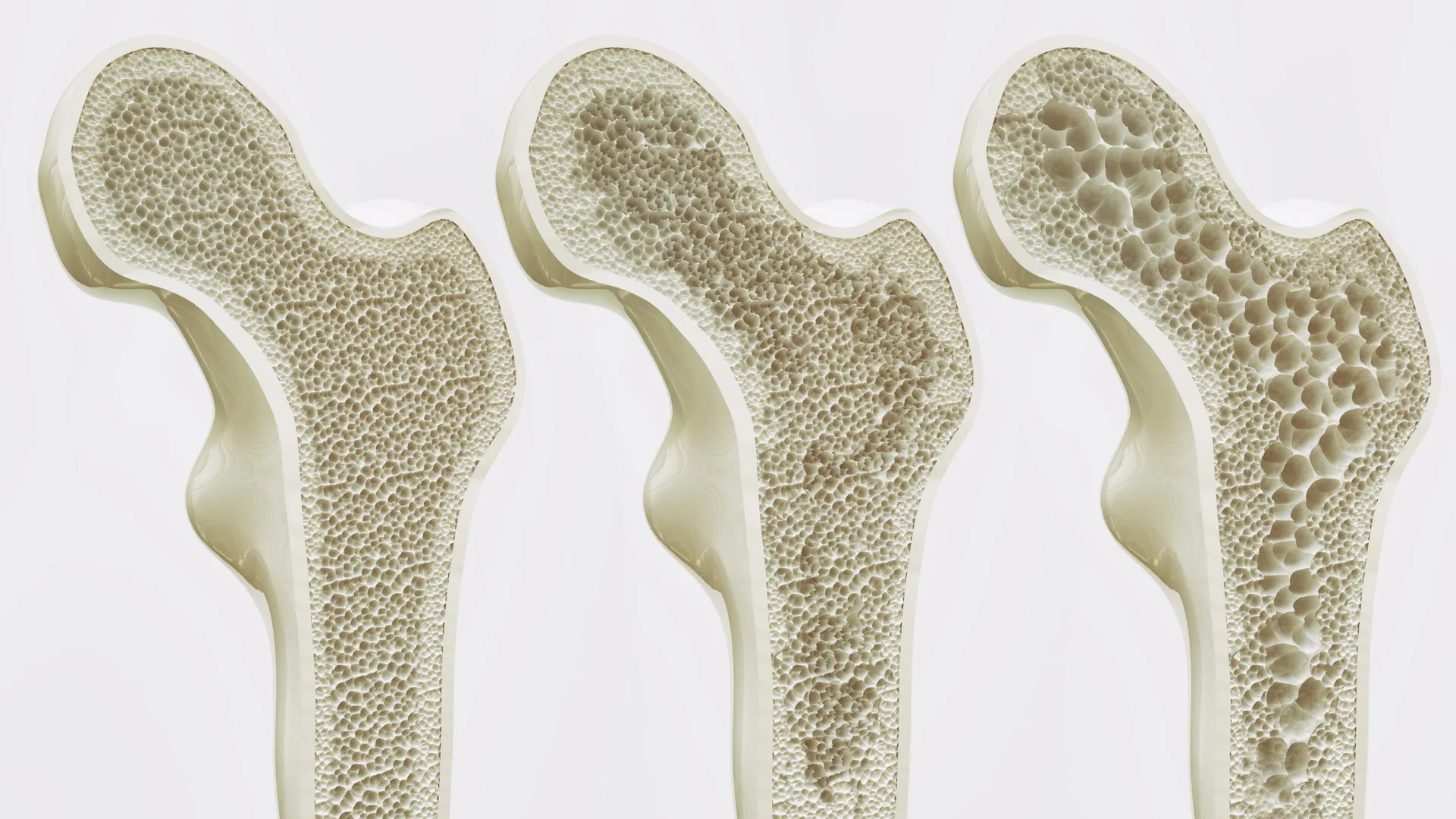
For decades, the standard medical advice for aging adults has been as ubiquitous as the morning coffee: take your calcium and vitamin D to keep your bones strong and ward off the fractures that often signal a decline in quality of life. Millions of older adults dutifully follow this regimen, viewing these supplements as essential armor against the fragility of age. However, a landmark review published in The BMJ has sent shockwaves through the medical community, suggesting that for the vast majority of older people, these widely consumed supplements offer little to no meaningful protection against falls or broken bones.
This revelation challenges one of the most entrenched habits in geriatric medicine, calling into question the efficacy of billions of dollars in supplement sales and forcing a re-examination of clinical guidelines that have persisted for years.
The Gravity of the Situation: Why Bone Health Matters
Falls among the elderly are not merely accidents; they are a significant public health crisis. Statistics from the Centers for Disease Control and Prevention and various global health organizations paint a sobering picture: nearly one in three adults aged 65 and older experiences at least one fall annually.
For an older individual, a fall is rarely a benign event. It serves as a gateway to a cascade of negative health outcomes, including debilitating fractures, chronic pain, and a long-term loss of mobility. Perhaps most devastating is the loss of independence. A fracture often marks the transition from living at home to requiring residential care, significantly reducing a person’s quality of life and placing an immense burden on healthcare systems. Given these stakes, finding effective, low-risk interventions is a paramount goal for researchers and clinicians worldwide.
A History of Assumptions: The Science Behind the Supplements
The premise behind calcium and vitamin D supplementation is biologically intuitive. Calcium is the primary structural mineral in the human skeleton, and vitamin D is essential for the gut to absorb that calcium and for the kidneys to maintain bone mineral metabolism. Because these nutrients are undeniably critical for bone formation during development, it was long assumed that supplemental intake would serve as a "top-up" for the aging body, preventing the inevitable thinning of bones.
However, the scientific consensus has been shaky for some time. While individual studies often showed minor improvements in bone density markers, previous systemic reviews frequently failed to find a correlation between supplementation and a reduced risk of actual fractures. Results regarding vitamin D’s impact on fall prevention have been even more inconsistent, leading to a lingering, uncomfortable ambiguity in the literature. Despite this lack of robust, definitive evidence, the prescription and recommendation of these supplements have only risen, fueled by the "better safe than sorry" mentality of clinicians and the strong influence of nutritional marketing.
The Methodology: Scrutinizing the Evidence
To move beyond the cycle of conflicting smaller studies, a team of researchers in Canada embarked on a massive meta-analysis. Their goal was to provide a definitive answer by synthesizing the results of 69 randomized controlled trials (RCTs) involving a total of 153,902 participants.
Why Randomized Controlled Trials Matter
RCTs are considered the "gold standard" in medical research. By randomly assigning participants to either a treatment group (receiving the supplement) or a control group (receiving a placebo or no treatment), researchers can isolate the variable of interest—in this case, the supplement—while effectively neutralizing the influence of external factors like diet, lifestyle, and genetics. This rigorous approach minimizes bias and provides the highest level of certainty regarding a treatment’s efficacy.
The Scope of the Analysis
The research team evaluated studies comparing:
- Calcium supplements alone.
- Vitamin D supplements alone.
- A combination of both.
The researchers were not merely looking for statistical significance—which can sometimes be misleading in large datasets—but for "clinically meaningful" benefits. They set high bars for what would constitute a reduction in risk that would tangibly change the life of an older adult.
The Findings: A Clear Disconnect Between Belief and Reality
The results of the analysis were stark. Across the board, the researchers found little to no evidence that calcium, vitamin D, or a combination of the two had a meaningful impact on the prevention of fractures.
Breaking Down the Data
- Calcium Supplements: Based on 11 trials involving 9,067 participants, there was moderate-certainty evidence that calcium intake did not provide a clinically meaningful reduction in fracture risk.
- Vitamin D Supplements: With high-certainty evidence from 36 trials involving 92,045 participants, the researchers concluded that vitamin D supplementation was ineffective at preventing fractures.
- Combined Therapy: Perhaps most notably, the combination of calcium and vitamin D—the most common recommendation—showed little to no effect across 15 trials involving 51,126 participants.
The pattern held firm even when researchers parsed the data by specific outcome, such as hip fractures or the incidence of falls. Whether looking at age, sex, previous history of falls, or baseline dietary calcium intake, the result remained stubbornly consistent: the supplements failed to provide the promised protection.
Important Caveats and Nuance
While the findings are sweeping, the researchers were careful to provide necessary context. The conclusions are meant for the general population of older adults and should not be viewed as a universal medical decree for every individual.
There are specific clinical subpopulations—such as individuals with diagnosed osteoporosis, those currently on prescription bone-strengthening medications, or people with metabolic bone disorders—who may have unique requirements. These patients should never discontinue or alter their treatment plans without direct consultation with their primary physician or rheumatologist. Furthermore, while the current evidence is robust, the researchers acknowledged that some niche subgroups had smaller sample sizes, necessitating a degree of caution in those specific interpretations.
Implications: A Call for Systemic Reform
The researchers did not mince words in their conclusion: "The evidence does not support routine supplementation with calcium or vitamin D, or combined supplementation to prevent fractures and falls."
This statement is a direct challenge to the current standard of care. It suggests that medical boards, regulatory agencies, and clinical guidelines committees must engage in a rigorous re-evaluation of their current recommendations. For years, the medical establishment has leaned on these supplements as a low-cost, low-risk prophylactic measure. However, if that measure is ineffective, it represents a misallocation of resources and a potential distraction from more effective strategies.
Shifting the Paradigm toward Exercise
If supplements are not the "magic bullet" we once thought, what is? In a linked editorial, experts argued that the focus of public health funding and personal effort should shift toward interventions that have demonstrated proven, measurable results.
- Resistance Training: Building muscle mass is intrinsically linked to bone density. Resistance training provides the mechanical loading necessary to stimulate bone health in a way that ingesting calcium cannot.
- Balance Training: Since a fall is the immediate precursor to a fracture, preventing the fall itself is arguably more important than trying to harden the bone. Tai Chi and specific physical therapy exercises have shown immense promise in improving gait, stability, and proprioception.
- Holistic Risk Assessment: Healthcare providers should prioritize home-safety assessments—checking for tripping hazards like loose rugs or poor lighting—and individualized education programs that help seniors understand their own specific fall risks.
Conclusion: Beyond the Daily Pill
The findings from The BMJ serve as a potent reminder that in medicine, "intuitive" does not always mean "effective." While the chemistry of calcium and vitamin D in bone health is well-understood, the clinical reality of supplementation in the aging body is far more complex.
For the average older adult, the key to bone health may not be found in a pill bottle. Instead, it likely lies in the more challenging, but ultimately more rewarding, path of movement, strength, and environmental awareness. As the medical community digests these results, the conversation around healthy aging is likely to shift from the passive consumption of nutrients to the active engagement of the body. It is a transition that, while demanding more effort, offers a far more certain promise of independence and vitality in later years.