











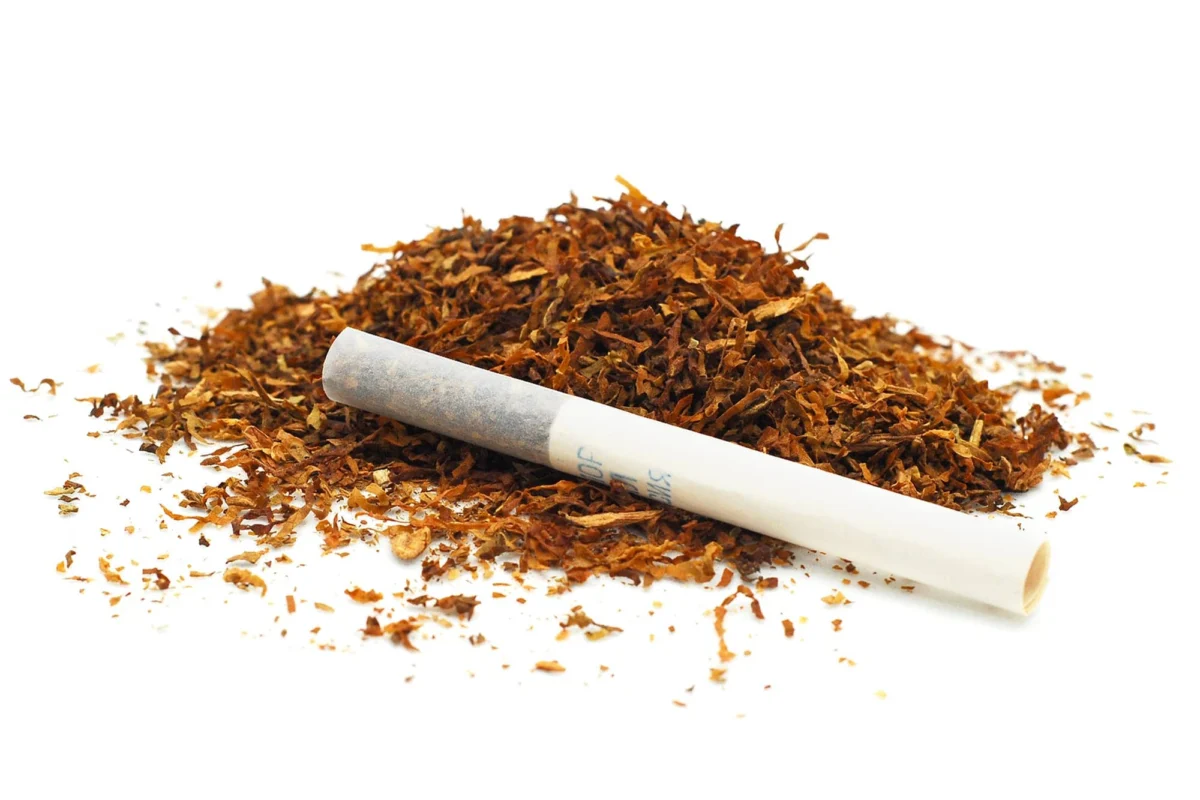
For decades, the global health community has waged a relentless war against combustible tobacco. Yet, as the market for traditional cigarettes faces tighter regulations and shifting public sentiment, a new category of products has emerged, promising a “natural” alternative: herbal cigarettes. Often marketed as tobacco-free, nicotine-free, and even therapeutic, these products are increasingly finding their way into the hands of health-conscious consumers and curious younger demographics.
However, a groundbreaking study published in the Journal of Hazardous Materials has shattered the perception that “tobacco-free” is synonymous with “risk-free.” Researchers from the Indian Institute of Technology Gandhinagar (IITGN) and the University of Illinois Urbana-Champaign (UIUC) have revealed that herbal cigarettes may not only match the toxicity of traditional tobacco but, in several alarming metrics, actually exceed it.
Main Facts: Challenging the Wellness Narrative
The core finding of the joint IITGN-UIUC study is simple yet devastating: the combustion of organic plant material—regardless of whether it is tobacco or herbs like basil, clove, or cinnamon—creates a toxic cocktail of fine particles and chemical compounds that are inherently damaging to human physiology.
The research team analyzed two popular tobacco brands against four herbal varieties. The results demonstrated that herbal cigarettes produce higher levels of sub-500-nanometer particles, which are small enough to penetrate deep into the alveolar regions of the lungs and enter the bloodstream. Furthermore, these products showed a significantly higher "oxidative potential," a measure of a substance’s ability to trigger the production of reactive oxygen species (ROS) in the body. When these molecules overwhelm the body’s antioxidant defenses, they cause oxidative stress, leading to inflammation, cellular damage, and long-term tissue remodeling—precursors to chronic respiratory and cardiovascular diseases.
Chronology: From Ancient Roots to Modern Hazards
The history of herbal smoking is long, often rooted in traditional Ayurvedic or indigenous practices where herbs were burned for ritual or medicinal purposes. However, the modern commercialization of these herbs into cigarette form is a relatively recent phenomenon.
- The Rise of Wellness Marketing: In the last decade, manufacturers began aggressively positioning herbal cigarettes as lifestyle accessories. By leveraging ingredients like green tea, mint, and holy basil (Tulsi), companies marketed these products as aids for stress relief, sleep improvement, and even cough suppression.
- The Regulatory Blind Spot: As these products grew in popularity, they occupied a unique "grey zone." Because they do not contain tobacco, they bypassed the strict regulatory frameworks—such as the Cigarettes and Other Tobacco Products Act (COTPA) in India or FDA oversight in the U.S.—that mandate graphic warning labels, age verification, and marketing restrictions.
- The Scientific Investigation: Recognizing the lack of empirical data, researchers at IITGN and UIUC initiated a comprehensive study to bridge the knowledge gap. Using an automated two-chamber inhalation rig, the team replicated human smoking patterns to isolate the chemical profile of the smoke.
- The Findings: Released in 2024, the study’s results provided the first rigorous evidence that the chemical composition of herbal smoke is at least as hazardous as tobacco, if not more so, particularly when considering the materials used for rolling the cigarettes.
Supporting Data: The Anatomy of Toxicity
To understand why herbal cigarettes are being labeled as dangerous, one must look at the specific metrics measured by the research team.
1. Particle Concentration
The study found that herbal cigarettes emitted concentrations of sub-500-nanometer particles approximately 20% higher than those found in tobacco smoke. These ultrafine particles are notorious in toxicology for their ability to bypass the body’s primary defenses, settling deep in the lungs and causing persistent systemic inflammation.
2. Oxidative Potential
Oxidative potential is a key marker for how much damage a substance can do to biological tissues. The researchers found that particulate matter from herbal cigarettes consistently recorded higher oxidative potential than tobacco. Most striking was the discovery regarding the cigarette wrappers. "Leaf-wrapped" variants—often promoted as the most "authentic" or "natural"—exhibited an oxidative potential roughly 49% higher than standard paper-wrapped versions.
3. Trace Metal Contamination
Perhaps the most startling revelation was the chemical analysis of the herbal ingredients themselves. A basil-filled cigarette, marketed as a health-conscious alternative, contained the highest concentration of lead among all samples tested. This suggests that the plants used in these products may be absorbing heavy metals from the soil or manufacturing environments, which are then inhaled directly into the lungs when the product is combusted.
Official Responses and Expert Insights
The research team behind the study has been vocal about the implications of their findings. Sameer Patel, an assistant professor at IITGN, emphasized that the "tobacco-free" label is a dangerous misnomer. “Our findings challenge the widely held belief that tobacco-free means risk-free,” Patel noted in a press release. “Emissions from herbal cigarettes are comparable to or exceeded those from tobacco cigarettes on nearly every metric we measured.”
Vishal Verma, an associate professor at UIUC, highlighted the psychological impact of misleading marketing. “That finding is important because many consumers associate nicotine-free products with reduced harm,” Verma stated. By removing the addictive element (nicotine), marketers are successfully convincing consumers that they are engaging in a safer activity, even though the combustion-related damage remains identical or worse.
Alok Kumar Thakur, the lead author of the study, pointed out the irony of the market: “Many herbal cigarettes are marketed with claims of relieving coughs, improving sleep, or easing anxiety. However, there is limited scientific evidence evaluating the emissions and toxicological impacts of these products.”
Implications: The Urgent Need for Reform
The implications of this study are profound, reaching into the domains of public policy, consumer protection, and clinical health.
The Regulatory Void
The primary takeaway for policymakers is the existence of a massive regulatory loophole. Currently, if a product does not contain tobacco, it often avoids the stringent oversight applied to the tobacco industry. This means these products can be marketed without health warnings, sold in flavors that appeal to children, and distributed with claims of "wellness" that are entirely unsupported by science. The researchers advocate for an immediate re-evaluation of how these products are classified under existing legislation.
Public Health Risks
As herbal cigarettes gain traction among younger, health-conscious demographics, there is a risk of a new public health crisis. If these products are perceived as harmless, they may act as a gateway for nicotine-naive individuals to begin the act of smoking, eventually leading them to traditional tobacco or causing them to suffer from respiratory conditions that could have been avoided entirely.
A Call to Action
The study concludes that the act of combustion is the primary culprit. P S Ganesh Subramanian, a postdoctoral researcher on the team, summarized the reality of the situation: “Combustion, fine particles, soot, trace metals, and the wrapper around them all matter more than what is written on the box.”
Moving forward, the scientific community is calling for:
- Mandatory Labeling: Herbal cigarettes should carry health warnings similar to those on traditional tobacco products, clearly stating the risks of inhaling combustion products.
- Stricter Testing: Regulatory bodies should require manufacturers to submit chemical emission profiles before products hit the market.
- Public Awareness Campaigns: Health agencies must decouple the concepts of "nicotine-free" and "non-toxic" in the public consciousness.
In conclusion, the study serves as a stark reminder that nature is not always synonymous with safety. When plant matter is burned and its smoke is inhaled, the chemical result is rarely benign. As the market for herbal cigarettes continues to expand, the findings from the IITGN and UIUC study provide a necessary, albeit sobering, reality check: the most dangerous thing about a cigarette is not just the tobacco—it is the smoke itself.