





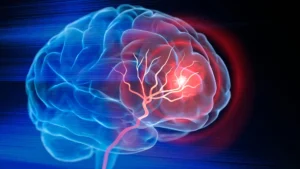

For decades, the public health narrative surrounding physical activity has focused primarily on the "body"—weight management, cardiovascular health, and the prevention of metabolic diseases such as type 2 diabetes and hypertension. While these physical benefits are well-documented and essential, a burgeoning field of neuroscience is shifting the spotlight toward an even more critical organ: the brain.
Recent research suggests that regular aerobic exercise and resistance training serve as potent catalysts for brain health, influencing cognition, memory, and structural longevity from childhood through the golden years. By acting as a "neuroprotective" agent, exercise does not merely keep us fit; it keeps us sharp, resilient, and cognitively agile.
Main Facts: The Cognitive Architecture of Exercise
At the heart of this research is the concept of cognition—the multifaceted process of thinking, reasoning, remembering, and learning. Current evidence indicates that physical activity is not merely an optional lifestyle choice but a fundamental requirement for optimal brain function.
The "Executive Central Command"
Perhaps the most significant discovery in recent years is the impact of exercise on what researchers call "executive central command." This includes our most complex cognitive tasks: working memory, long-term planning, multitasking, and the ability to navigate ambiguity. As we age, these functions are often the first to decline. Studies suggest that consistent physical exertion may act as a buffer, slowing the degradation of these critical neural pathways.
Neurogenesis and the Hippocampus
Perhaps the most compelling evidence comes from studies on neurogenesis—the birth of new nerve cells. Research confirms that exercise is one of the most powerful neurogenic stimuli available. This new growth is most frequently observed in the hippocampus, the brain’s primary hub for learning and memory. By promoting cell proliferation in this region, exercise provides a biological foundation for lifelong cognitive health.
A Chronological Perspective: From Childhood to Maturity
The benefits of exercise on the brain are not limited to a specific life stage; rather, they form a cumulative effect that spans the human lifespan.
Youth: Building Cognitive Reserve
Research led by Sibley and Etnier (2003) demonstrated a significant, positive relationship between physical activity and cognitive function in children aged 4 to 18. The data suggest that active children exhibit higher IQ scores, improved verbal and mathematical performance, and greater academic readiness.
Furthermore, the concept of "cognitive reserve" posits that aerobic exercise in childhood increases the brain’s resilience, protecting it against age-related degeneration later in life. By fostering better cortical development—the area of the brain responsible for high-order information processing—exercise during youth sets the stage for a healthier brain in adulthood.
The High School Years: Beyond Grades
The link between physical activity and academic success is often debated in school administration, where physical education (PE) requirements are frequently slashed to prioritize classroom time. However, data from Field, Diego, and Sanders (2001) suggests this strategy may be counterproductive. High school seniors who engaged in seven or more hours of physical activity per week reported higher grade averages, lower rates of substance abuse, and stronger familial relationships compared to their sedentary peers.
Adulthood and the Aging Process
As individuals transition into adulthood and beyond, the role of exercise shifts from developmental support to protective maintenance. Longitudinal studies, such as the one conducted by Yaffe et al. (2001) on 5,925 elderly women, found that those who remained physically active experienced the least cognitive decline over an eight-year period. This suggests that the neuroprotective effects of movement are not "one and done," but require consistent maintenance to stave off cognitive atrophy.
Supporting Data: The Biological Mechanisms
How does a brisk walk or a weightlifting session actually change the brain? The answer lies in a complex interplay of vascular, chemical, and structural adaptations.
Vascular Adaptations
Aerobic exercise promotes the formation of new blood vessels in the brain—a process known as angiogenesis. Improved circulation ensures that the brain receives a steady, rich supply of oxygen and essential nutrients, which is vital for maintaining high-functioning tissue.
Neurotransmitter Regulation
Exercise also modulates the brain’s neurochemistry. Early research focused on the "runner’s high," attributed to the release of endorphins during endurance training. We now know that exercise also influences other neurotransmitters, enhancing the capacity for communication between synapses. This heightened connectivity allows for faster information processing and improved emotional regulation.
Synergistic Training Models
While cardiovascular exercise (running, swimming, cycling) has received the most research attention, experts like Kramer, Erickson, and Colcombe propose that a hybrid approach is likely most effective. By combining:
- Aerobic exercise (for vascular health and neurogenesis),
- Resistance training (for structural strength and hormonal balance), and
- Flexibility training (for neural recovery),
individuals can stimulate a broader range of neural adaptations. While the exact "prescription" for the perfect brain-health workout is still being researched, the consensus is clear: a diverse training regimen provides the widest spectrum of benefits.
Official Perspectives and Professional Implications
The implications for fitness professionals and public health policymakers are profound. We are moving toward a future where a gym membership is viewed with the same medical importance as a prescription for blood pressure medication.
Redefining Fitness Goals
Fitness professionals are now encouraged to adopt new "buzz" phrases that reflect the science of neuroprotection. Promoting exercise as a tool for "executive central command" or "cognitive longevity" provides a much stronger incentive for clients than the traditional focus on aesthetics or weight loss. When clients understand that their workout is essentially an investment in their long-term mental clarity and memory, adherence rates tend to rise.
The Institutional Challenge
Despite the clear evidence, the reduction of physical activity in schools remains a concern. The prevailing assumption that "more time in the chair equals more learning" is unsupported by the data. On the contrary, physical activity may be the missing ingredient in academic success. Schools that prioritize movement are not "losing time"—they are cultivating more capable, focused, and resilient brains.
Implications: The Future of Cognitive Health
The research into exercise and brain function is still in its relative infancy, yet the trajectory is unmistakable. We are learning that the brain is not a static organ that simply degrades with time; it is a dynamic, plastic structure that responds to the demands placed upon it.
10 Fascinating Facts About Your Brain
To better understand why exercise is so critical, it helps to appreciate the complexity of the organ we are protecting:
- Massive Connectivity: The average brain contains roughly 100 billion neurons.
- Vascular Superhighway: There are approximately 100,000 miles of blood vessels in the brain, all of which benefit from the improved circulation provided by exercise.
- Ongoing Neurogenesis: You continue to produce new neurons throughout your life, provided you stay mentally and physically active.
- Oxygen Consumption: Even at rest, the brain consumes 20% of the body’s total oxygen.
- Stress Impact: Excessive, chronic stress can physically alter brain cells and shrink structures; exercise serves as a natural stress-mitigation strategy.
- Self-Regulation: Your brain is so sophisticated it can distinguish between an external touch and your own, which is why you cannot tickle yourself.
- Power Generation: When awake, the brain produces 10–23 watts of electricity—enough to power a low-energy light bulb.
- Constant Illumination: The brain "fills in" the gaps during the 20,000 times you blink each day, ensuring your visual field remains seamless.
- Thought Volume: You experience approximately 70,000 thoughts per day.
- Hydration: The brain is 75% water, underscoring the importance of proper hydration alongside physical activity.
Conclusion: A Call to Action
The science is unequivocal: movement is the best medicine for the mind. Whether it is through the generation of new cells in the hippocampus, the strengthening of executive function, or the preservation of vascular integrity, exercise provides a robust, life-long defense against the mental decline that many have previously accepted as inevitable.
The next time you lace up your running shoes or pick up a dumbbell, remember: you aren’t just working on your biceps or your heart rate. You are tuning the most complex machine in the known universe. In an era where cognitive health is the ultimate asset, exercise is the most effective, accessible, and powerful tool we have to protect it.