











As the medical community grapples with rising rates of childhood obesity and type 2 diabetes, the emergence of glucagon-like peptide-1 (GLP-1) receptor agonists—such as semaglutide, liraglutide, and dulaglutide—has been hailed as a transformative development in pediatric medicine. However, a groundbreaking study recently published in the journal Childhood Obesity has introduced a sobering layer of complexity to this narrative: a significant portion of young patients starting these treatments are developing nutritional deficiencies.
The study, which analyzed administrative health records for over 2,000 children and adolescents, suggests that the physiological mechanisms that allow these drugs to suppress appetite and aid in weight loss may inadvertently threaten the nutritional security of a population already at a critical stage of physical and skeletal development.
Main Facts: A Concerning Trend in Pediatric Care
The central finding of the research is both precise and alarming: approximately 16.8% of pediatric patients—nearly one in six—were diagnosed with a nutritional deficiency within the first 12 months of initiating GLP-1 therapy.
Among these deficiencies, Vitamin D emerged as the most common culprit, affecting 12.4% of the cohort within the first year. Other nutrients, including iron and calcium, also showed levels of concern, though at lower rates than Vitamin D. These findings are particularly resonant because the study specifically excluded patients who had been diagnosed with nutritional deficiencies prior to beginning their medication, meaning these deficits were likely acquired during the course of the treatment.
The primary mechanism at play involves the appetite-suppressing qualities of GLP-1 medications. By slowing gastric emptying and signaling satiety to the brain, these drugs drastically alter caloric intake. In adults, this is the desired outcome. In adolescents, however, the body is undergoing a period of rapid growth and hormonal change that demands a high influx of micronutrients. When food intake drops precipitously, the margin for nutritional error shrinks, leading to these documented deficiencies.
Chronology of Research and Data Collection
The study, led by Dr. Justin Ryder, Vice Chair of Research for the Department of Surgery at the Ann & Robert H. Lurie Children’s Hospital of Chicago, utilized a robust methodology to ensure the reliability of its findings.
Phase I: Data Acquisition (2017–2022)
The research team analyzed a massive national administrative claims database, drawing from a pool of over 100 million patient records. This scope allowed for a comprehensive view of how GLP-1 medications are being utilized across diverse demographics in the United States.
Phase II: Filtering and Cohort Identification
From the millions of records, the researchers isolated a specific cohort of 2,031 patients between the ages of 10 and 17. To be included, these patients had to meet strict "continuous enrollment" criteria, ensuring that researchers had a full year of medical history both before and after the start of their treatment. Crucially, the researchers filtered out any patients with pre-existing nutritional conditions to isolate the effects of the GLP-1 therapy itself.
Phase III: Prescription Patterns
The data revealed a clear hierarchy in the types of GLP-1s being prescribed to minors:
- Liraglutide (Victoza and Saxenda): The dominant choice, accounting for 78.6% of all prescriptions in the cohort.
- Dulaglutide (Trulicity): Represented 10.4% of the sample.
- Semaglutide (Ozempic and Wegovy): Accounted for 9.1% of prescriptions.
The data suggests that while these drugs are being used to combat metabolic issues, the monitoring protocols—specifically regarding nutritional status—are not keeping pace with the rapid adoption of these treatments.
Supporting Data: The Disconnect in Clinical Support
Perhaps the most startling aspect of the study is the chasm between the risk of deficiency and the delivery of nutritional counseling. If these medications fundamentally change how a child eats, logic dictates that a dietitian or nutritionist should be part of the care team from day one. However, the data paints a very different picture.
According to the study, only 5% of pediatric patients received nutritional counseling within the first 30 days of starting a GLP-1 medication. Even more concerning, less than 25% of patients had received such counseling within six months of treatment initiation.
This suggests that the current standard of care for pediatric GLP-1 users is reactive rather than proactive. Physicians are often prescribing the medication and monitoring weight loss, but they are failing to bridge the gap between "eating less" and "eating well." Without professional guidance, children are often left to navigate their restricted appetites without the tools or knowledge to prioritize nutrient-dense foods, leading to the high rates of deficiency identified by the researchers.
Official Responses and Expert Perspectives
Dr. Justin Ryder, the study’s senior author and a leading voice in pediatric metabolic health, has been vocal about the implications of these findings. His perspective centers on the concept of "metabolic optimization" rather than just weight reduction.
"As appropriate pediatric use of GLP-1s becomes more widespread, we need to understand the risks during periods of rapid growth and pubertal development," Dr. Ryder noted in his analysis. He emphasized that the stakes for adolescents are far higher than for adults. "Nutrients such as vitamin D, iron, and calcium are of particular concern during adolescence, when deficiencies may have lasting implications for skeletal health and overall development."
Dr. Ryder’s team argues that the medical community must undergo a paradigm shift. Currently, the industry relies on a "wait and see" approach, where nutritional panels are only ordered once a child exhibits symptoms of fatigue, bone pain, or other indicators of deficiency. Dr. Ryder contends that this is unacceptable. "We hope that our study findings bring much-needed recognition to the importance of proactive nutritional management when GLP-1s are prescribed to children," he stated. "Knowing the risks, we are in a much better position to prevent harm to children treated with GLP-1s during a pivotal period in their lives."
Implications: The Future of Pediatric GLP-1 Therapy
The implications of this study are far-reaching for pediatric endocrinology, primary care, and public health policy.
1. The Need for Mandatory Nutritional Counseling
The most immediate implication is that nutritional support should be a mandatory component of any GLP-1 prescription program for minors. This would involve insurance coverage for registered dietitians or specialized pediatric nutritionists who can work with families to maximize the nutrient density of every calorie consumed.
2. Standardized Monitoring Protocols
Medical societies and regulatory bodies may need to develop standardized monitoring protocols for children on GLP-1s. This would include regular blood work to track micronutrient levels, specifically focusing on iron and Vitamin D, before these levels drop into the clinical range of deficiency.
3. Educating Families on Appetite Changes
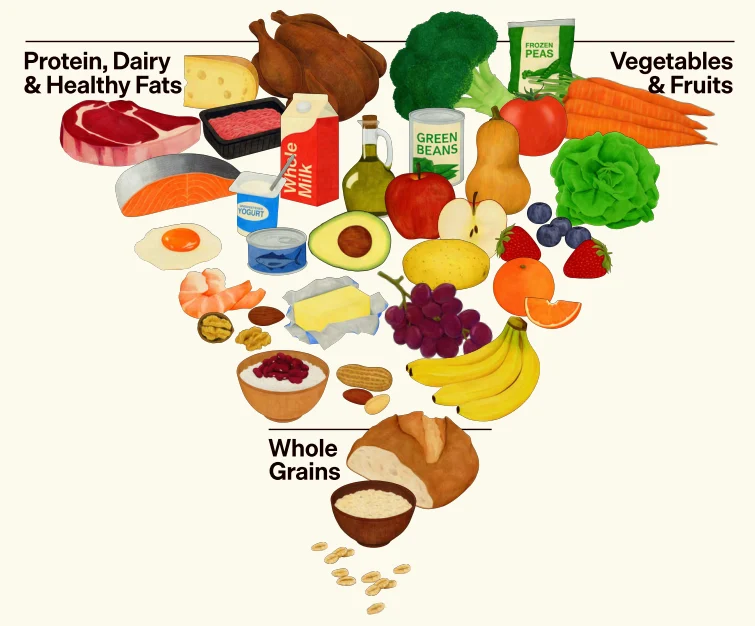
Parents and guardians often view a child’s decreased appetite on GLP-1s as a sign that the medication is working. Educational initiatives are required to teach families that a lack of hunger does not mean a lack of nutritional need. Families must be empowered to ensure that when their children do eat, they are consuming foods that support growth, bone density, and cognitive development.
4. Long-term Skeletal and Developmental Concerns
The long-term effects of adolescent nutritional deficiencies are well-documented. Vitamin D and calcium are the cornerstones of peak bone mass accrual. If a child enters their late teens with a significant deficit, they may be at an increased risk for osteoporosis or stress fractures later in life. Furthermore, iron deficiency during adolescence is linked to cognitive impairment and fatigue, which can impact academic performance and quality of life.
5. Rethinking the "One-Size-Fits-All" Approach
The data confirms that Liraglutide is the most common prescription for children, but as Semaglutide and other newer-generation agents become more common, researchers must continue to evaluate if these different classes of drugs affect nutrient absorption differently. The "one-size-fits-all" model of obesity management is clearly failing to address the nuanced biological requirements of the pediatric population.
Conclusion
The findings from Dr. Ryder and his team at Lurie Children’s Hospital serve as a necessary wake-up call for the medical community. While GLP-1 medications offer a powerful tool in the fight against the childhood obesity epidemic, they cannot be viewed as a standalone solution.
True success in pediatric medicine requires a holistic approach. By integrating proactive nutritional counseling and rigorous, standardized monitoring into the treatment plan, clinicians can harness the benefits of these medications while safeguarding the long-term health and development of their young patients. The goal of treating obesity in children is to improve their quality of life, both now and in the future; ensuring they do not trade metabolic health for nutritional deficiency is a vital step in achieving that goal.