









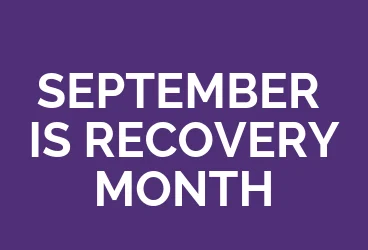
As September unfolds across the United States, the nation observes National Recovery Month—a vital annual initiative dedicated to elevating the conversation surrounding substance use disorders (SUD) and mental health. What began as a modest effort to acknowledge the labor of healthcare providers has blossomed into a nationwide movement, fostering empathy, providing education, and championing the transformative power of recovery.
In 2026, the movement carries more weight than ever. With evolving public health challenges and a deeper understanding of the intersection between mental health and addiction, National Recovery Month serves as a critical beacon of hope, reminding the public that prevention works, treatment is effective, and that millions of Americans are living proof that recovery is not only possible but sustainable.
The Chronology: From "Treatment Works!" to a Modern Behavioral Health Movement
To understand the current scope of National Recovery Month, one must look back at its origins. The initiative was born in 1989, originally titled "Treatment Works! Month." At its inception, the primary focus was to celebrate the dedication of addiction professionals who were working on the front lines of an often-misunderstood medical field. It was an industry-focused acknowledgment designed to validate the efficacy of clinical intervention.
By 1998, the scope of the initiative expanded significantly. Renamed "National Alcohol and Drug Addiction Recovery Month," the event underwent a fundamental shift in philosophy. While it continued to honor healthcare workers, the spotlight widened to include the individuals themselves—the patients, the survivors, and the families navigating the complexities of substance use disorders. This change acknowledged that recovery is a collaborative process, requiring both expert guidance and individual resilience.
The most transformative evolution occurred in 2011. Recognizing that addiction does not exist in a vacuum, the initiative was rebranded as "National Recovery Month." This iteration sought to integrate behavioral health more broadly, acknowledging the intricate link between mental wellness and substance use. By shifting the focus to a "whole-person" approach, the movement moved away from viewing addiction as a isolated condition and toward a holistic understanding of health.
Supporting Data: Why the 2026 Focus Matters
The urgency behind Recovery Month is underscored by sobering national statistics. Despite decades of awareness, the opioid epidemic and the rise of synthetic substances like fentanyl continue to present unprecedented challenges.
According to data from the Substance Abuse and Mental Health Services Administration (SAMHSA), millions of Americans meet the criteria for a substance use disorder each year. However, a significant "treatment gap" persists, with many individuals unable to access the resources they need due to financial barriers, geographic limitations, or the pervasive stigma that continues to haunt those seeking help.
The 2026 observance seeks to bridge this gap by disseminating resources and emphasizing that recovery pathways are diverse. Data suggests that when communities engage in recovery-focused programming, the rate of relapse decreases, and the quality of life for those in recovery improves significantly. By normalizing the conversation, Recovery Month aims to reduce the "shame factor" that prevents individuals from seeking care in the early stages of a disorder.
Official Responses and Strategic Partnerships
At the heart of the national effort is SAMHSA, which serves as the primary architect of the month’s programming. SAMHSA’s role has expanded beyond mere advocacy; they are now the primary provider of a comprehensive "Recovery Month Toolkit." This resource is designed to empower local governments, non-profits, healthcare systems, and grassroots organizations to host their own events, ranging from town hall meetings and educational webinars to community walks and memorial vigils.
SAMHSA currently coordinates with over 300 partnering organizations. This collaborative model ensures that the message of recovery is consistent, evidence-based, and far-reaching. By providing standardized materials, SAMHSA ensures that even smaller, rural communities—which are often the hardest hit by substance use crises—have the tools to participate in the national dialogue.
"Prevention works, treatment is effective, and people can and do recover," remains the core mantra of the agency. This institutional commitment serves as a formal rejection of the historical notion that addiction is a moral failing, instead reinforcing its status as a treatable, chronic medical condition.
The 2026 Themes: A Holistic Framework for Recovery
This year, National Recovery Month has adopted a multi-faceted approach, emphasizing that there is no "one-size-fits-all" path to health. The 2026 themes are designed to reflect the complex, multi-dimensional nature of human healing. While the pathways are diverse, the common goal is the creation of "recovery-ready" communities.
1. The Importance of Supportive Relationships
Recovery is rarely a solitary journey. The 2026 initiative highlights the role of peer support, family systems, and mentorship. Whether through formal groups like 12-step programs or informal networks of friends and family, the presence of a social safety net is statistically correlated with higher rates of long-term sobriety.
2. Whole-Person Wellness
Modern recovery emphasizes that addiction treatment must address the "whole person." This includes physical health, housing stability, nutritional support, and employment opportunities. By treating the individual’s environment alongside their clinical symptoms, the chance for success increases exponentially.
3. Diverse Recovery Pathways
One of the most significant shifts in the 2026 discourse is the recognition of various pathways to health. Whether an individual utilizes medication-assisted treatment (MAT), faith-based counseling, holistic therapies, or community-based support groups, the movement validates that every individual’s journey is unique. The focus is on the outcome—a healthy, fulfilling life—rather than the specific mechanism of the journey.
4. Community-Based Resilience
The initiative calls on local leaders to build environments where recovery is supported rather than marginalized. This includes advocating for "sober-friendly" public spaces, reducing legal barriers to employment for those in recovery, and ensuring that schools and workplaces are equipped with mental health resources.
The Implications: Moving Toward a Recovery-Ready Society
The implications of a robust National Recovery Month extend far beyond the 30 days of September. The goal is to fundamentally shift the American cultural perspective on mental health.
Reducing Stigma through Storytelling
One of the most powerful tools in the Recovery Month arsenal is the sharing of personal stories. When individuals in recovery share their experiences, they demystify the process and provide a roadmap for those currently suffering. Stigma thrives in silence; it dissipates when addiction is brought into the light of public discourse.
Policy and Systemic Change
The increased visibility of Recovery Month has also put pressure on policymakers to allocate funding toward behavioral health infrastructure. By highlighting the economic and social costs of untreated addiction—such as lost productivity, emergency room strain, and family dissolution—the movement makes a compelling fiscal argument for the expansion of public health services.
Building Hope for the Future
Perhaps the most significant implication of the 2026 theme is the emphasis on hope. In an era often defined by headlines of crisis, National Recovery Month provides a necessary counter-narrative: that of resilience. It serves as a reminder that the human spirit is capable of profound healing. By celebrating the "victories" of those in recovery, the nation fosters a culture that prioritizes empathy over judgment.
Conclusion: An Invitation to Participate
As September continues, the call to action for the public is clear. Whether you are an individual in recovery, a family member supporting a loved one, a healthcare professional, or a concerned citizen, there is a role for everyone.
Participation can be as simple as attending a local community event, sharing educational materials on social media to dispel myths, or advocating for local policies that support mental health resources. The goal is to ensure that no one feels they must navigate the complexities of substance use disorder in isolation.
National Recovery Month 2026 is more than an awareness campaign; it is a declaration of commitment to the millions of Americans who are reclaiming their lives. It is an acknowledgment that recovery is not a destination, but a lifelong process of growth, connection, and wellness. As we look toward the future, the lessons of this month serve as a foundation for a healthier, more compassionate society—one where the path to recovery is paved with support, understanding, and the unwavering belief in the potential for change.