By [Your Name/Journalistic Staff], based on insights from Jana Wu, LCSW, LADC, ICAADC, CASAC
For more than 15 years, Jana Wu has sat across from individuals navigating the often-treacherous waters of mental health and substance use treatment. As she approaches the milestone of 50, she has found herself haunted by a professional and personal inquiry: Why is the modern medical establishment—and society at large—so structurally predisposed to silence women’s distress before we have even begun to understand its origin?
This question has taken on a new urgency in the face of the rising popularity of kratom, a tropical tree leaf from Southeast Asia that has moved from niche herbal supplement to a ubiquitous fixture in the lives of many American women. For clinicians, this shift is not merely a trend in supplement use; it is a signal that our traditional healthcare systems are failing to address the fundamental realities of the female experience.
The Modern Landscape of Distress
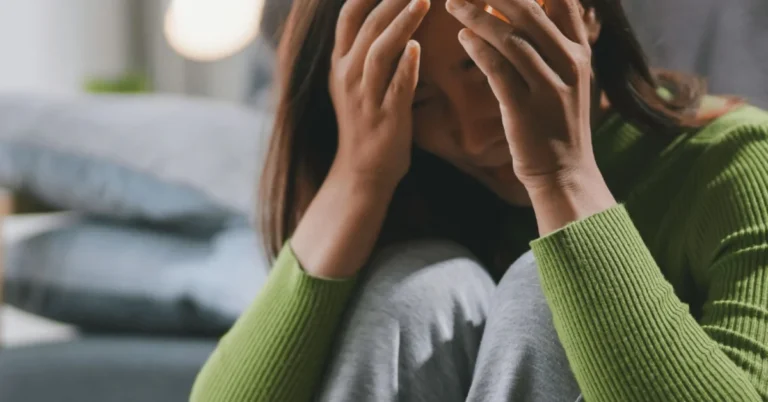
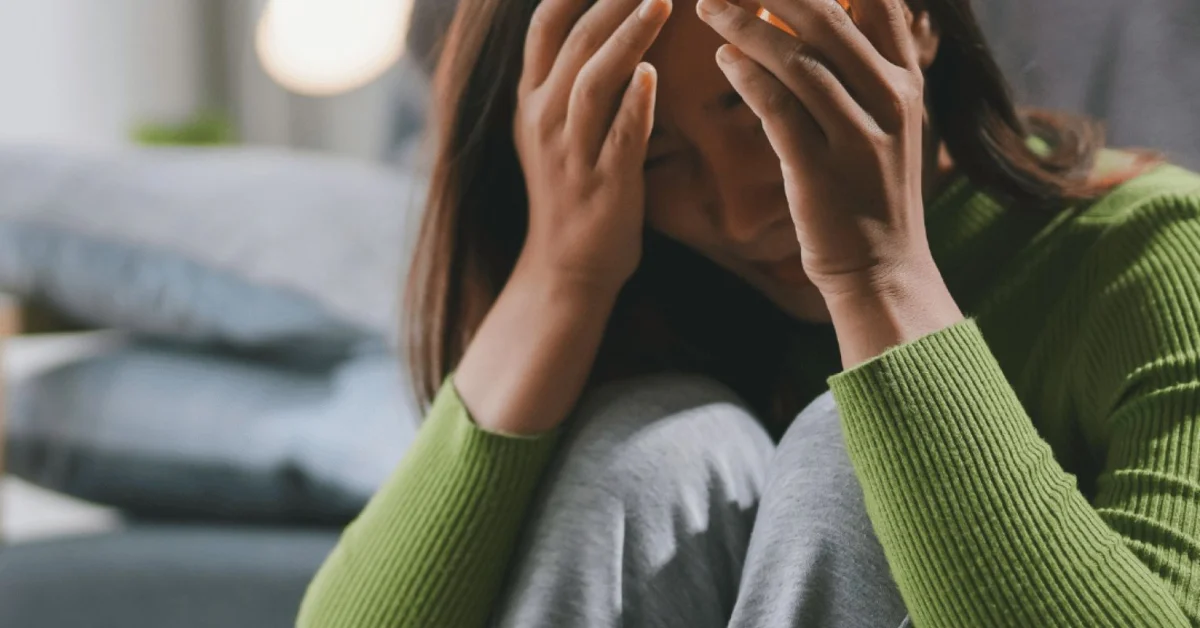
In the clinical rooms of centers like Mountainside Treatment Center, a distinct profile has emerged. Women in their late 30s to early 60s—the "sandwich generation" tasked with raising children while caring for aging parents—are increasingly turning to kratom. They report a desire for relief from the crushing weight of anxiety, chronic pain, and, crucially, a need for the stamina to simply keep functioning.
"They describe it not as a way to get high," Wu notes, "but as a way to keep up." For these women, kratom is a productivity tool, a chemical buffer against the impossible demands of modern life. Yet, this behavior is a mirror reflecting a much deeper, historical pattern of how we manage, rather than resolve, female psychological and physical suffering.
A Chronology of “Quick Fixes”
The impulse to suppress female distress with substances is a well-documented historical phenomenon. The medical trajectory of the last two centuries reveals a systemic tendency to pathologize the symptoms of women’s lives rather than addressing the environment that produces them.
- The 19th Century: The medical community leaned heavily on diagnoses like "hysteria" and "neurasthenia." These catch-all terms were used to pathologize everything from fatigue and irritability to insomnia and pain, effectively medicalizing the sociological stressors of being a woman in a restrictive society.
- The Mid-20th Century: The era of "Mother’s Little Helper" arrived. As the Rolling Stones famously sang in 1966, women were being prescribed tranquilizers like Miltown and, eventually, Valium, to numb the pressures of domesticity and the "stretching" of their daily roles.
- The Benzodiazepine Era: By the late 20th century, benzodiazepines became the gold standard for treating anxiety. While effective for acute stabilization, their long-term usage became a crutch for millions, creating a new class of patients struggling with physical dependence.
- The Present Day: We are now in the age of the "natural" alternative. Kratom has entered the market as a self-managed, unregulated solution for women who feel that the pharmaceutical system has either failed them or labeled them as "difficult" or "over-anxious."
Supporting Data: The Midlife Crisis of Modernity
The intersection of midlife and mental health is perhaps the most critical data point in this discussion. During perimenopause and menopause, women experience significant hormonal shifts that can trigger or exacerbate anxiety, sleep disturbances, and mood instability.
However, these physiological changes do not occur in a vacuum. They happen while a woman is likely at the peak of her professional career, managing a household, and navigating the emotional toll of family transitions. Current data suggests that the healthcare system is highly proficient at "quieting the symptom"—prescribing an SSRI for the anxiety or a sedative for the sleep—but it is woefully inadequate at the diagnostic patience required to distinguish between a hormonal imbalance, a situational life stressor, or a deep-seated mental health condition.
When we ignore the context, we treat the symptom. When we treat the symptom in isolation, we often create a "revolving door" patient—one who finds temporary relief, only to return when the underlying life pressure remains unchanged.
The Kratom Conundrum: Risks and Realities
The rise of kratom use presents a unique challenge to public health. Because it is marketed as a "natural" botanical, many women incorrectly assume it is inherently safe or predictable. This is a dangerous misconception.
The Regulatory Gap
Unlike FDA-approved pharmaceuticals, which are subject to rigorous testing, standardized dosing, and quality control, kratom remains largely unregulated in the United States. A product purchased at a local smoke shop can vary wildly in potency, leading to unintended overdoses or, more commonly, the gradual onset of dependence.
The Danger of Poly-Substance Use
Perhaps the most alarming trend in clinical settings is the combination of substances. Many women are using kratom alongside other substances they believe to be "safe" or "prescribed," including:
- Alcohol: Used to "wind down" from the day.
- Benzodiazepines: Used to manage anxiety.
- Opioids: Used for chronic pain management.
The synergistic effect of these substances can be lethal. Combining kratom with other central nervous system depressants significantly increases the risk of respiratory depression—a life-threatening condition where breathing slows to a dangerous level. This is a conversation that is currently missing from the mainstream discourse on kratom.
Official Responses and Clinical Implications
The medical community is currently divided on how to approach the regulation and clinical management of kratom. Some advocacy groups argue for harm reduction and standardized labeling, while many in the psychiatric community are calling for a more aggressive screening process.
For clinicians like Jana Wu, the response must be twofold:
- Clinical Vigilance: Providers must move beyond the "check-box" method of mental health assessment. This means asking patients specifically about non-pharmaceutical supplement use, including kratom, and educating them on the risks of cross-substance interactions.
- Structural Empathy: We must ask the difficult question: Whose discomfort are we treating? When a doctor prescribes a medication, is it to alleviate the patient’s genuine pathology, or is it to soothe the societal discomfort caused by a woman who is unable to fulfill her expected roles of mother, worker, and caregiver?
Moving Toward a Holistic Framework
The implications of this cycle are profound. If we continue to treat women’s anxiety as a malfunctioning engine that simply needs to be "re-greased" with a new substance, we miss the opportunity to address the systemic burnout, societal expectations, and hormonal realities that define the midlife female experience.
True progress requires a pivot from relief-first to understanding-first medicine. This involves:
- Extended Diagnostic Periods: Taking the time to observe hormonal and situational patterns before defaulting to medication.
- Integrated Care: Bringing together gynecologists, endocrinologists, and therapists to view the "whole woman" rather than isolated symptoms.
- Transparent Education: Acknowledging that "natural" does not mean "safe" and providing women with the facts about the substances they are choosing to use.
The search for relief is a fundamental human drive. But for the millions of women currently caught in the cycle of medicating their own distress, we owe them more than just the next, more convenient solution. We owe them the time, the curiosity, and the structural support to live lives that do not require constant chemical buffering.
The story of the woman seeking help is not a new one, but it is one we have the power to change. It begins when we stop asking how to stop the symptoms and start asking what the symptoms are trying to tell us.