In an era defined by constant digital noise, notifications, and an unending stream of spoken guidance, many yoga practitioners are finding a new form of luxury: silence. As our daily lives become increasingly crowded with sensory input, the demand for "minimal cue" yoga—a practice stripped back to its raw, foundational elements—has surged. A recently released 15-minute morning sequence by renowned instructor Yoga With Kassandra exemplifies this trend, offering a dynamic, efficient, and deeply introspective way to start the day without the distraction of constant verbal instruction.
The Core Philosophy: Moving Beyond Verbal Guidance
For most, the yoga studio experience is synonymous with the voice of an instructor. Teachers typically guide students through alignment adjustments, breath timing, and philosophical musings. However, this pedagogical style, while helpful for beginners, can sometimes create a dependency that hinders the practitioner’s ability to develop their own internal compass.
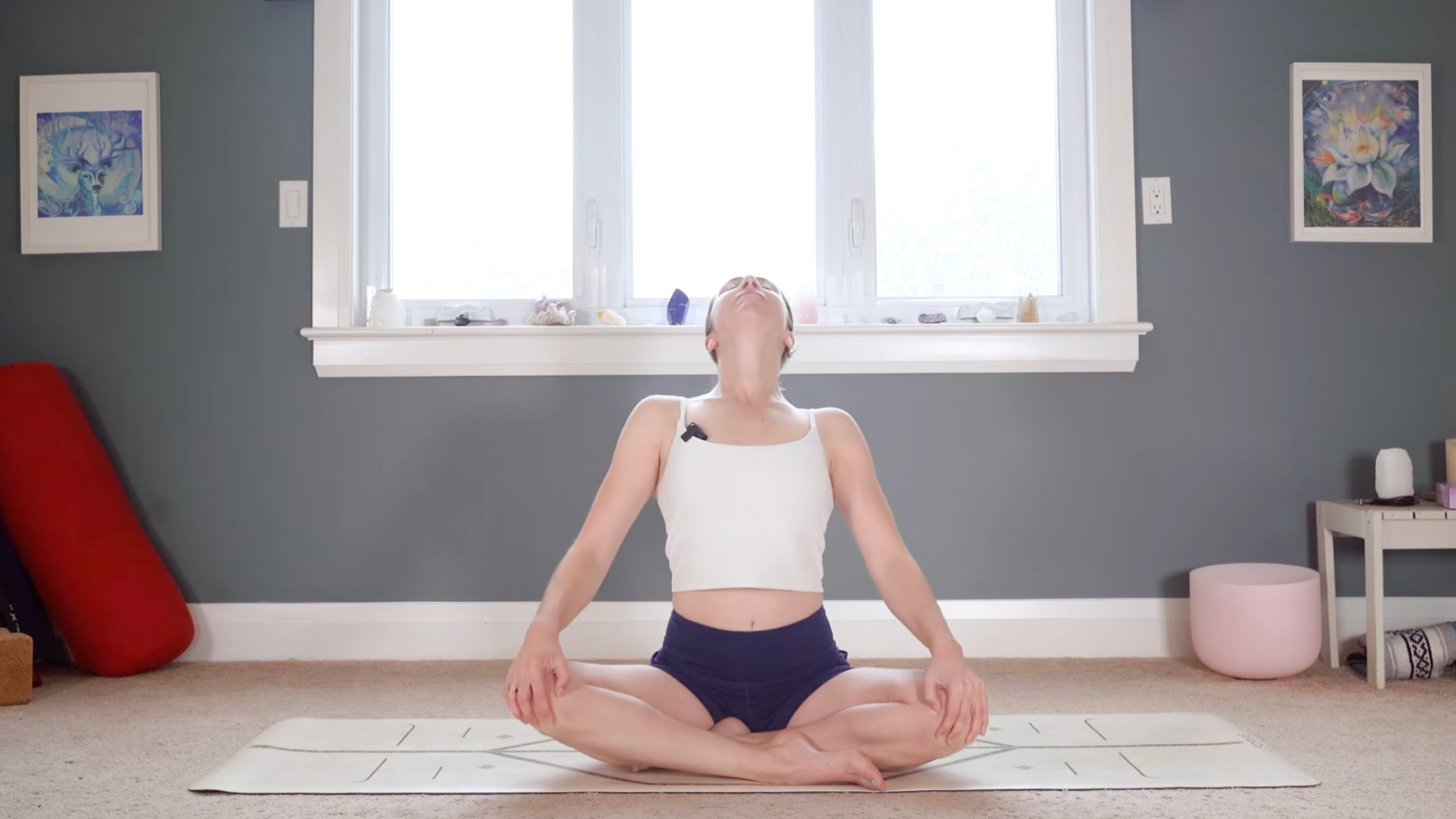
Minimal cue yoga shifts the paradigm. By reducing verbal input to the bare minimum—essentially, only naming the poses—the instructor empowers the student to turn their attention inward. This style assumes a foundational level of familiarity with yoga, trusting the practitioner to listen to their own body’s feedback rather than an external voice. The result is a practice that feels less like a classroom instruction and more like a personal meditation in motion.
A 15-Minute Blueprint for Morning Vitality
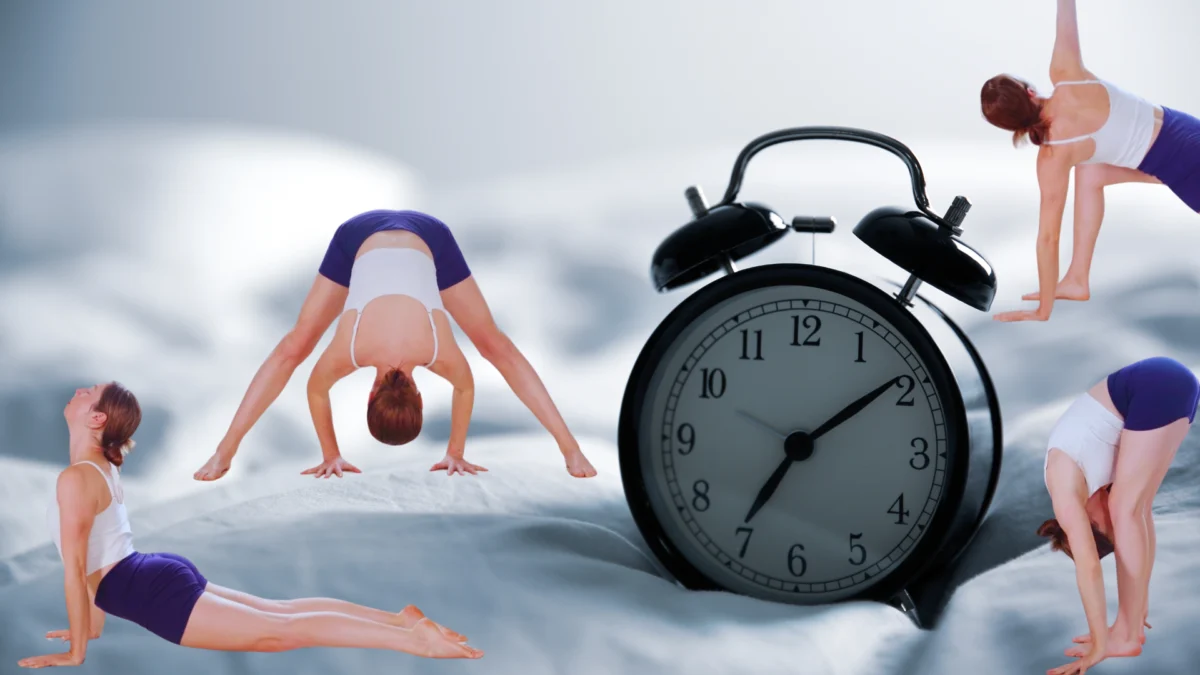
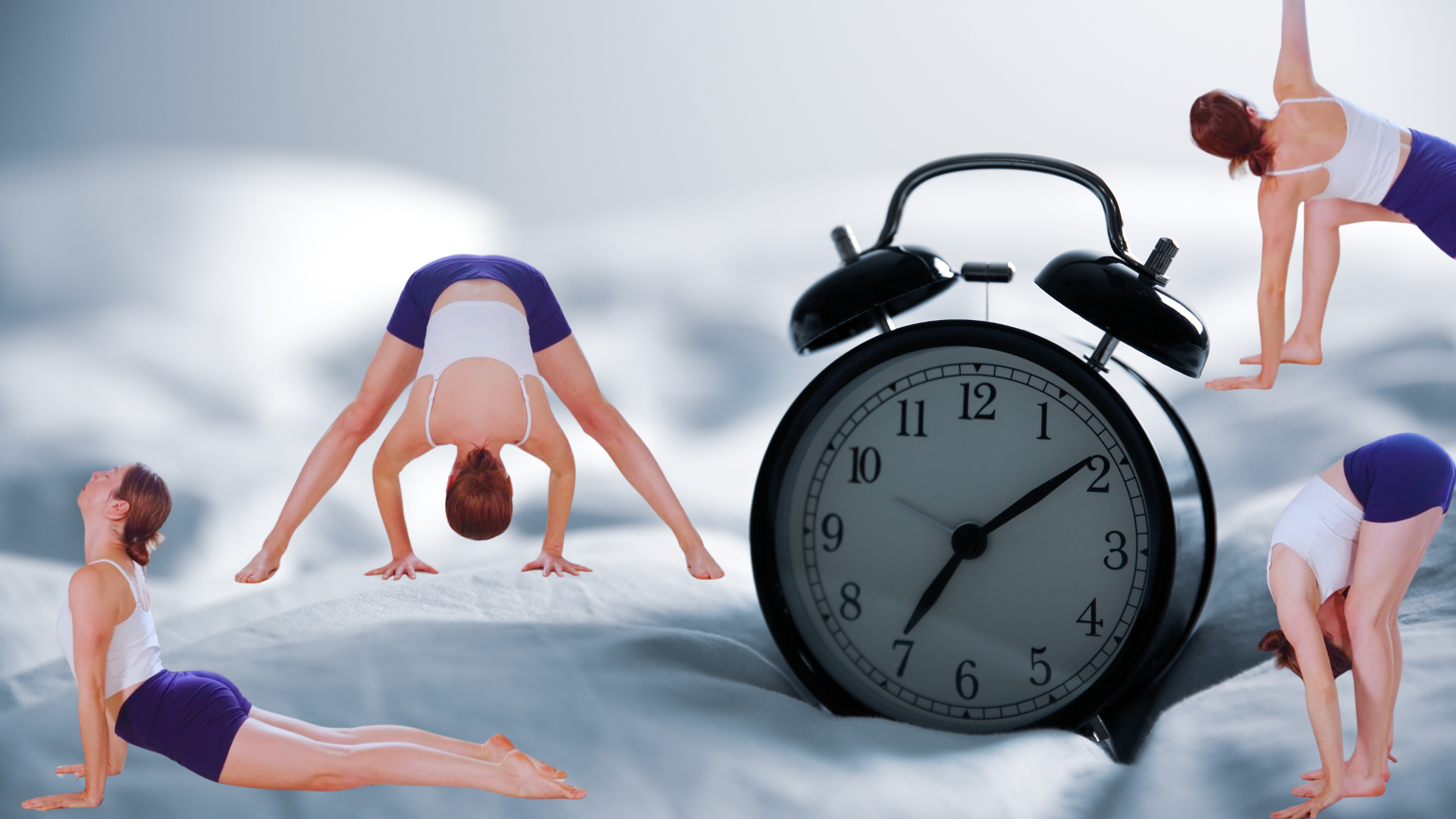
The 15-minute morning sequence, launched in June 2026, is specifically engineered to provide a comprehensive physiological "wake-up call" for the body. Despite its brevity, the sequence is meticulously designed to touch upon every essential movement plane of the spine, targeting the hips, back, and core, while incorporating a challenging standing flow.
The Chronology of the Sequence
The flow is structured to systematically warm the body, starting from the ground up:
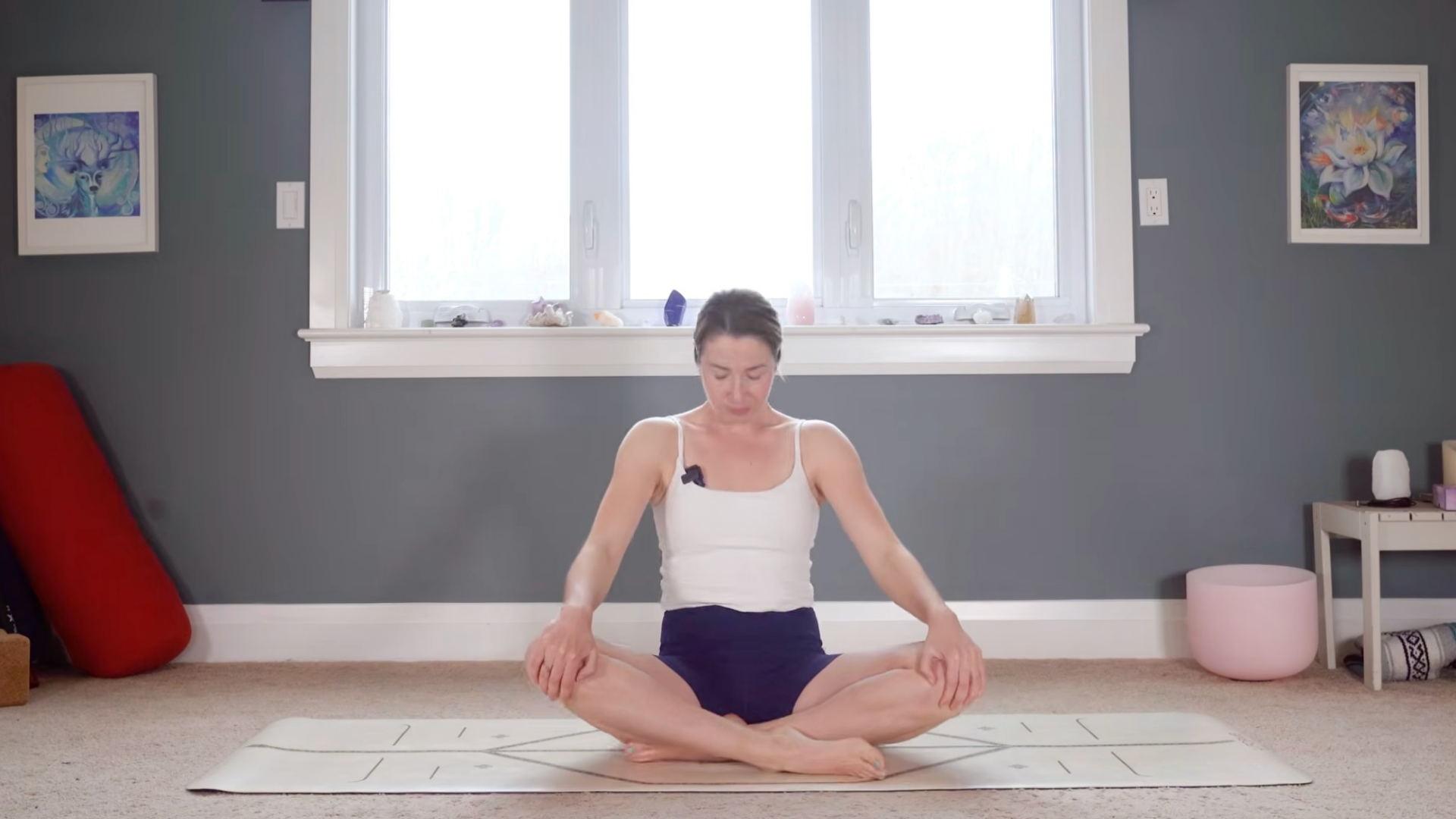
- Seated Centering and Spinal Awakening: The practice begins with Seated Cow and Cat poses. This gentle spinal articulation sets the tone for the session, inviting the practitioner to connect movement with the rhythm of their own breath.
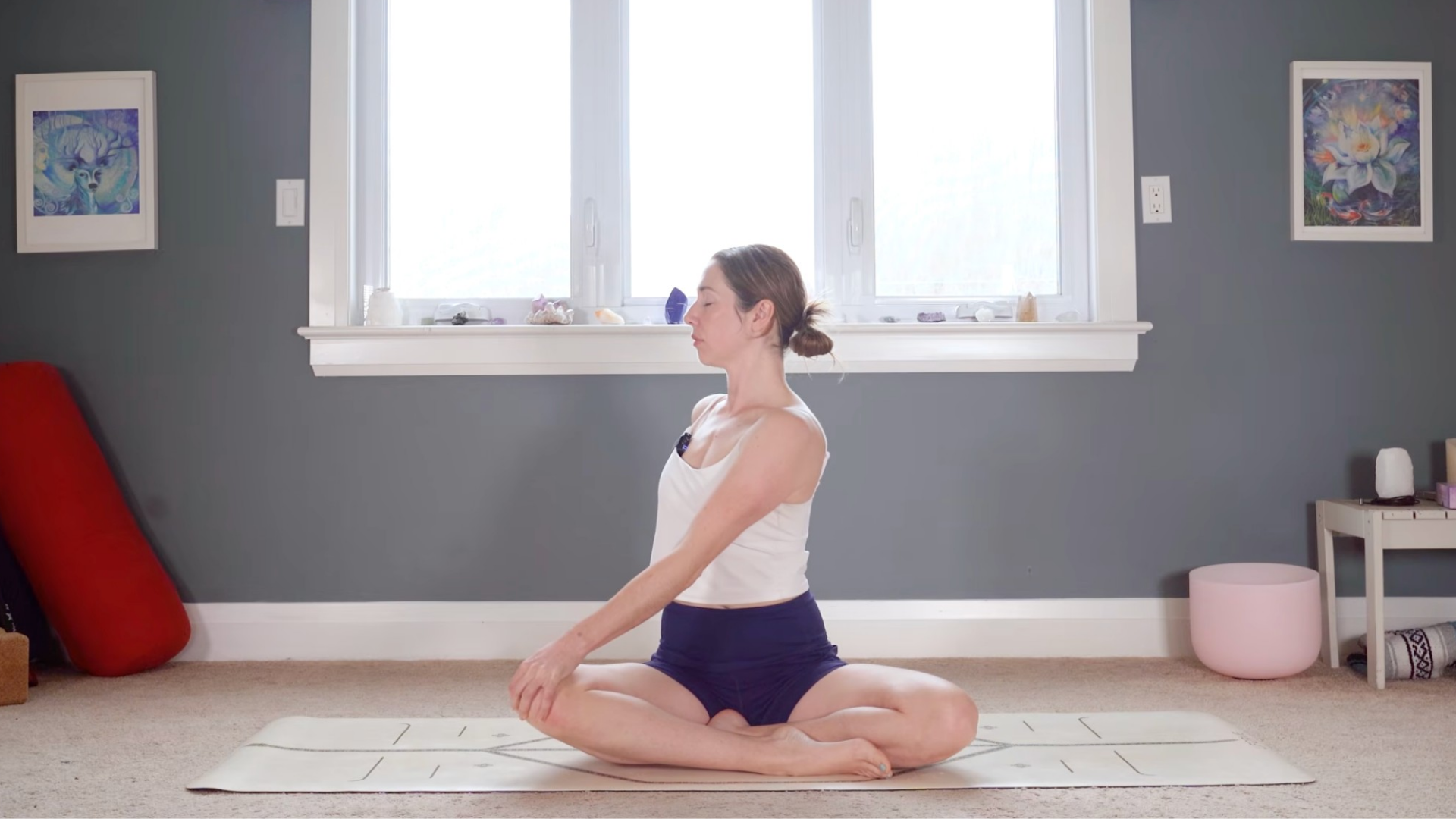
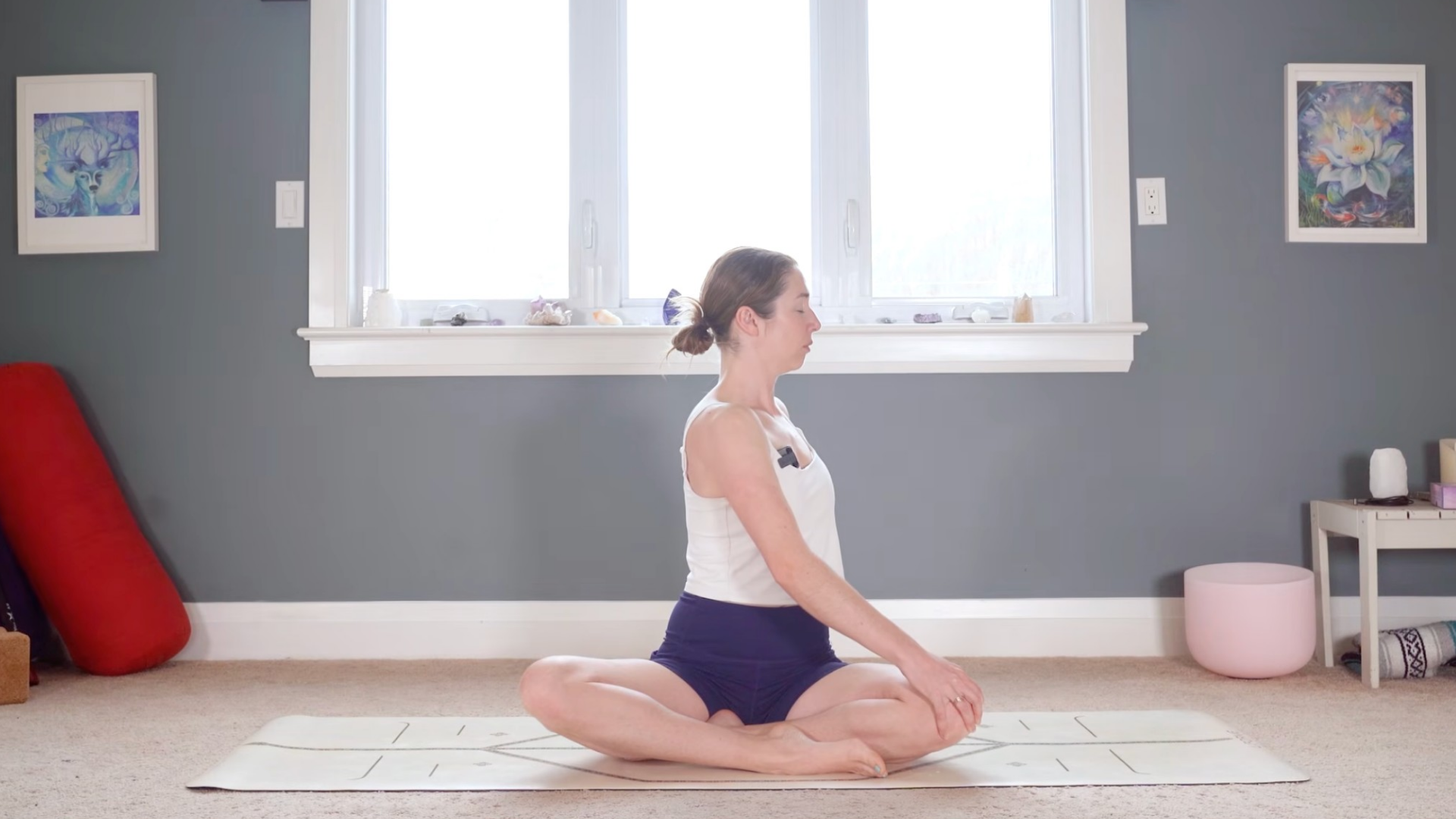
- Rotational Release: The sequence moves into a series of Seated Twists. By twisting the spine in both directions, practitioners encourage blood flow to the spinal discs and internal organs, a classic technique for detoxifying and awakening the body.
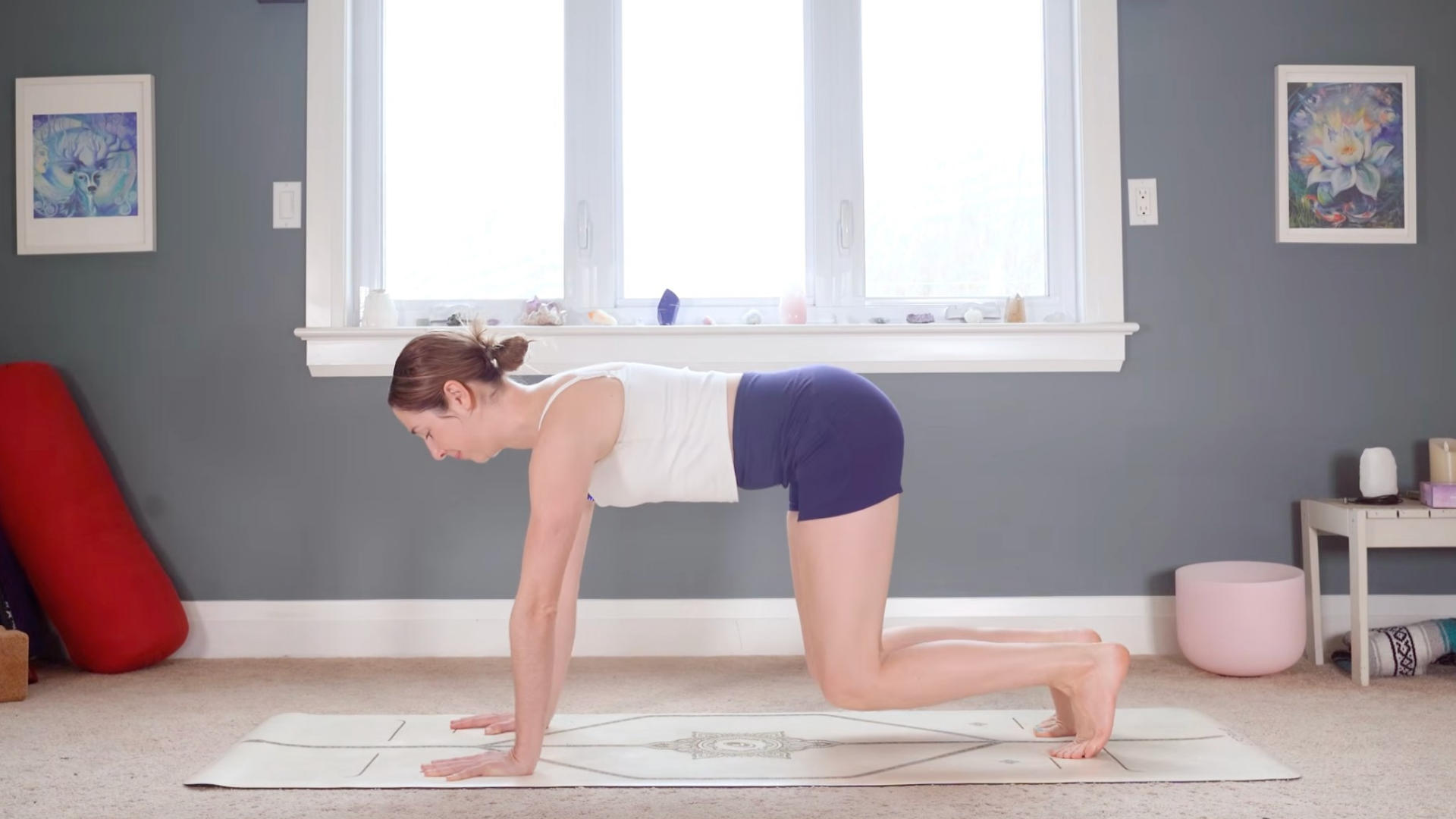
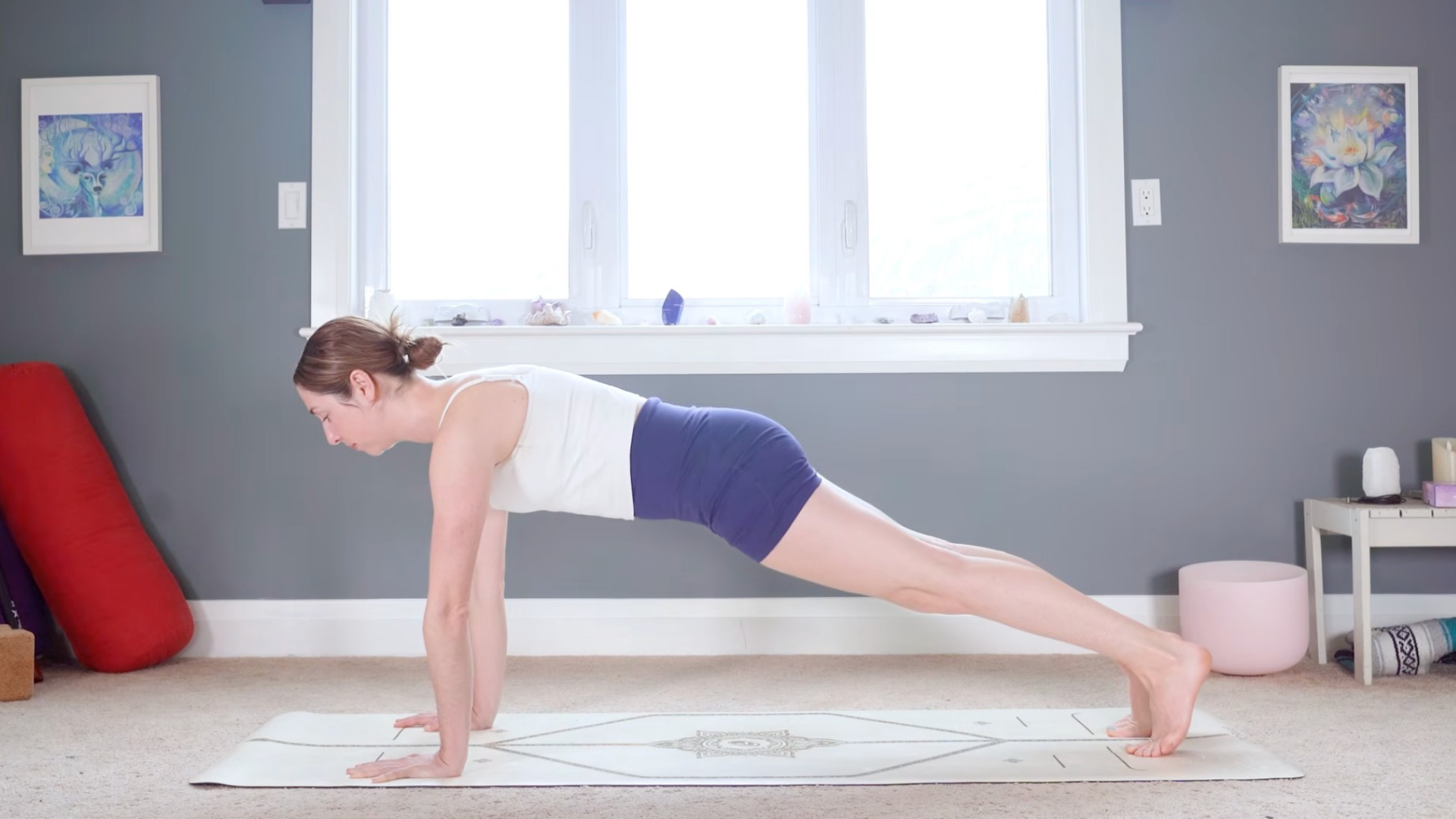
- Engaging the Core: Transitioning to the floor, the "Hovering Tabletop" and "Plank" poses introduce active core engagement. These poses are critical for building the stability required for the more dynamic standing poses that follow.
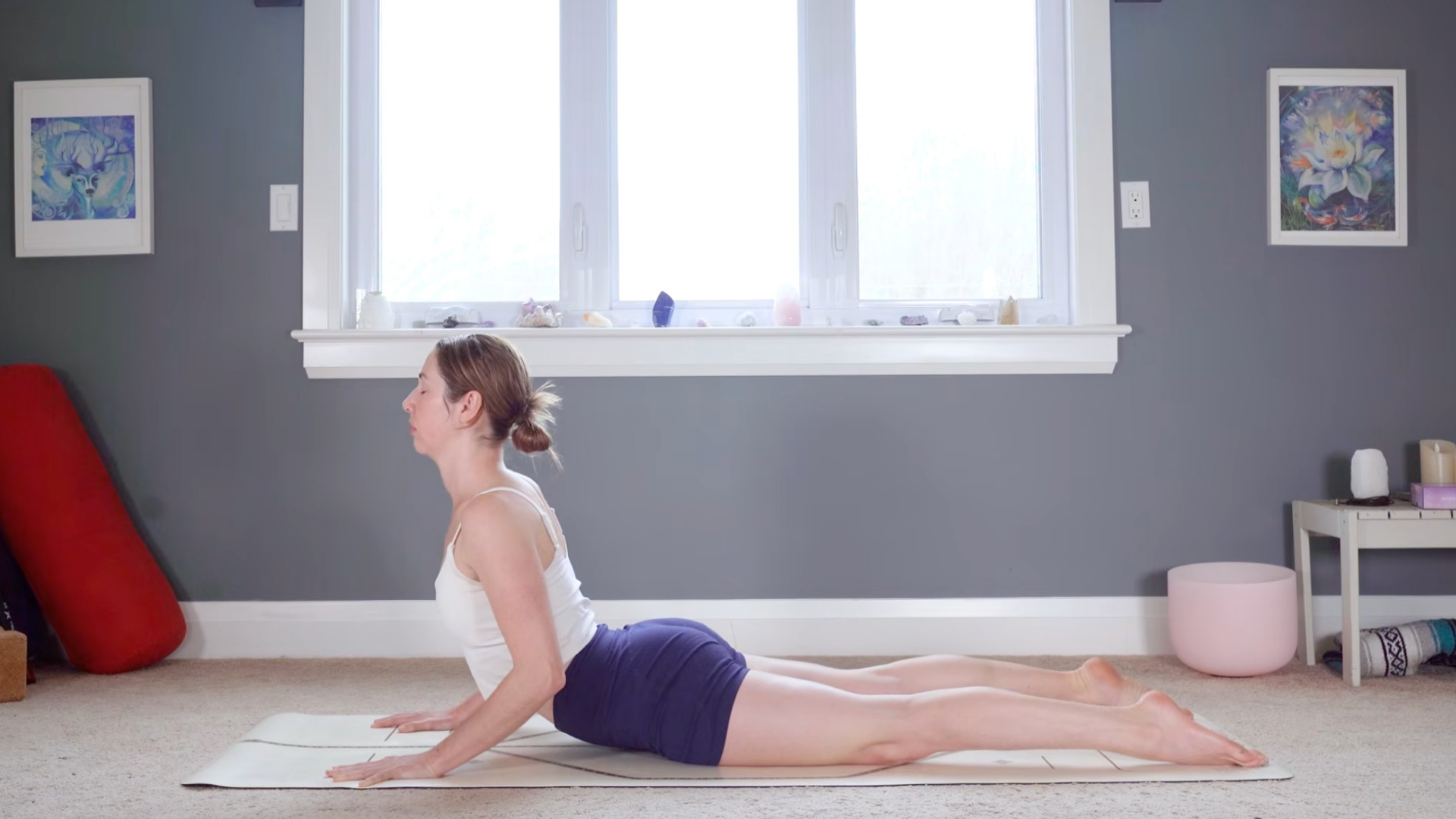
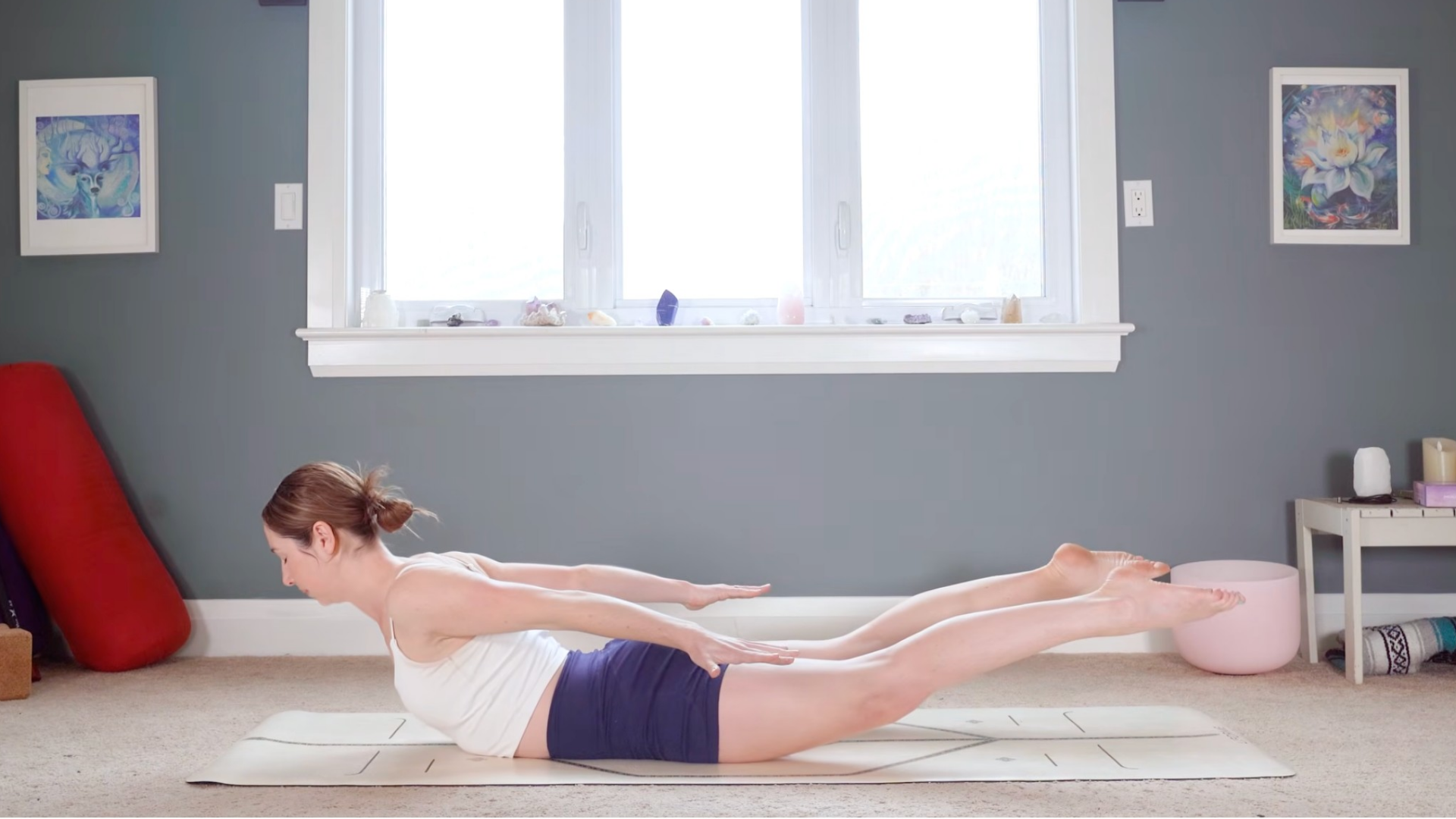
- Backbending and Expansion: Through "Cobra" and "Locust" poses, the sequence addresses the postural fatigue often associated with sedentary work, opening the chest and strengthening the posterior chain.
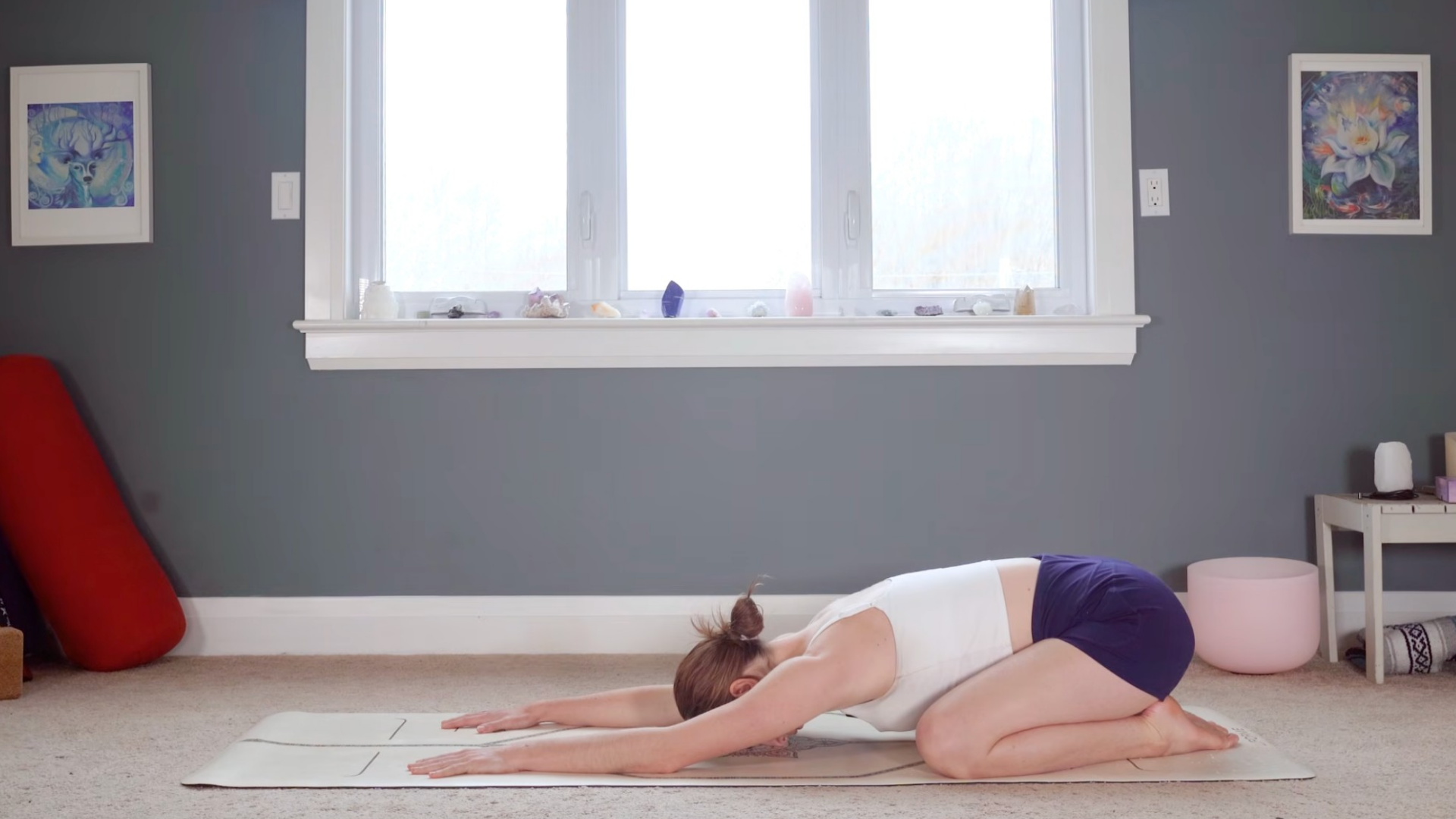
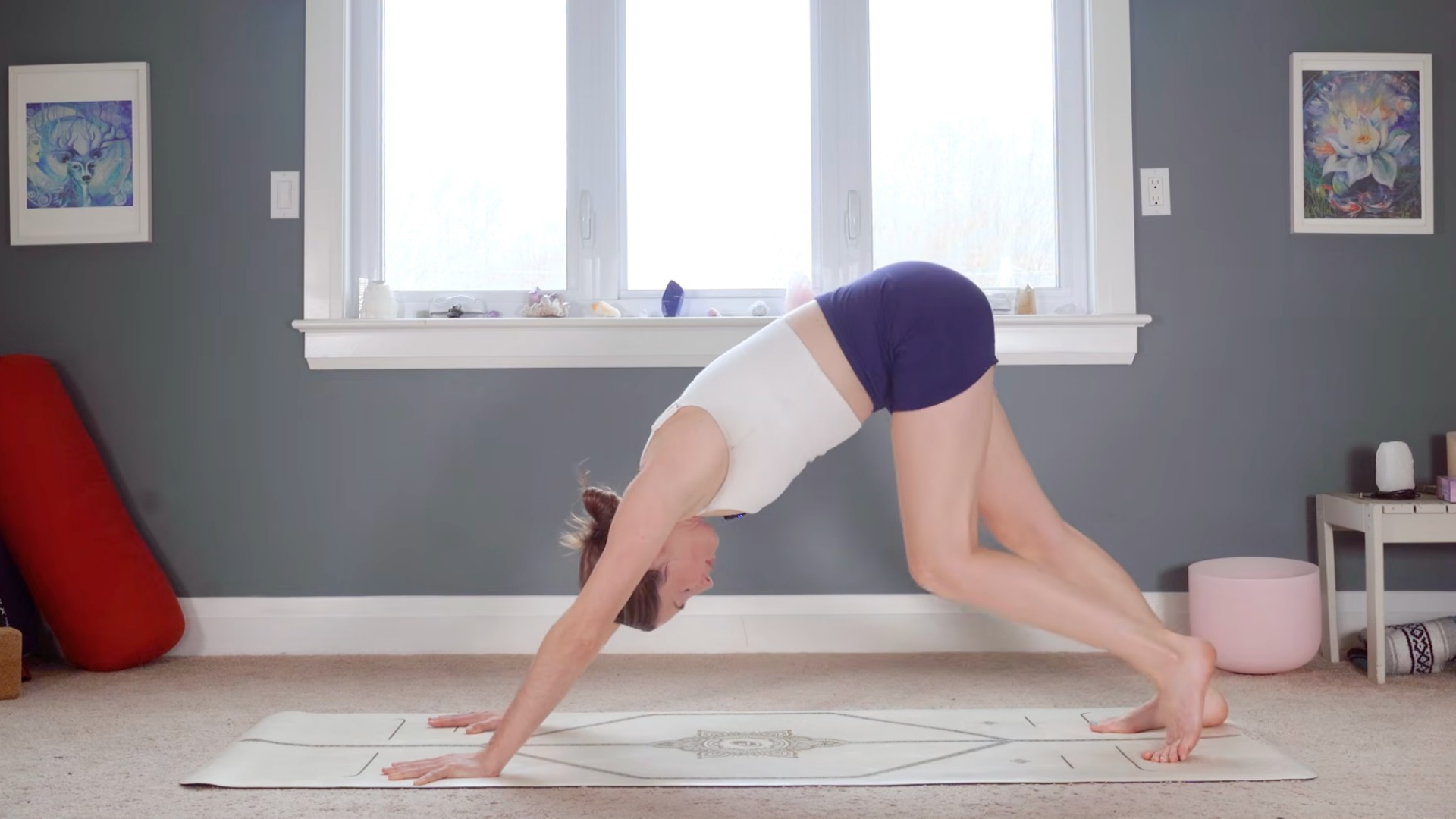
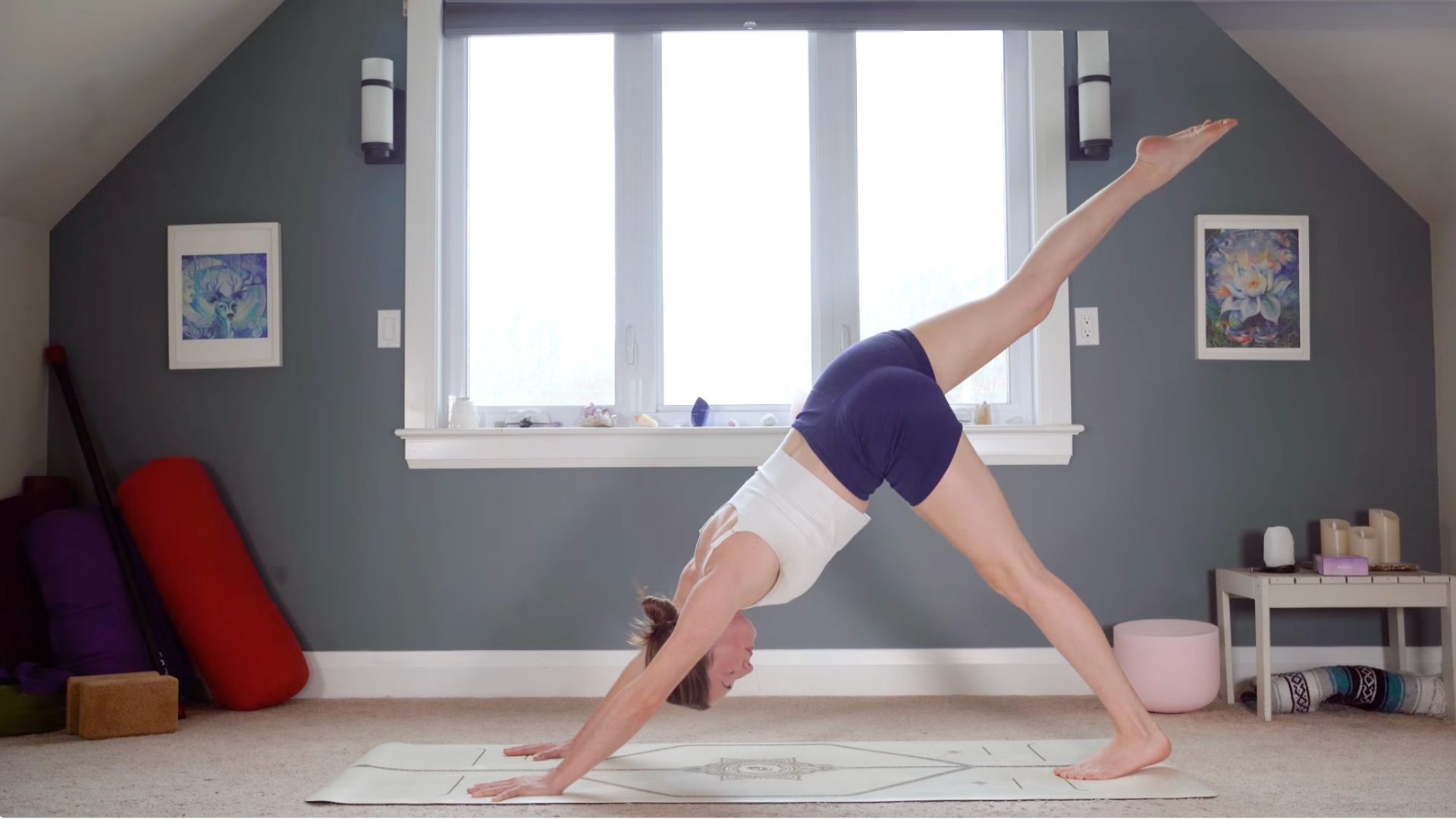
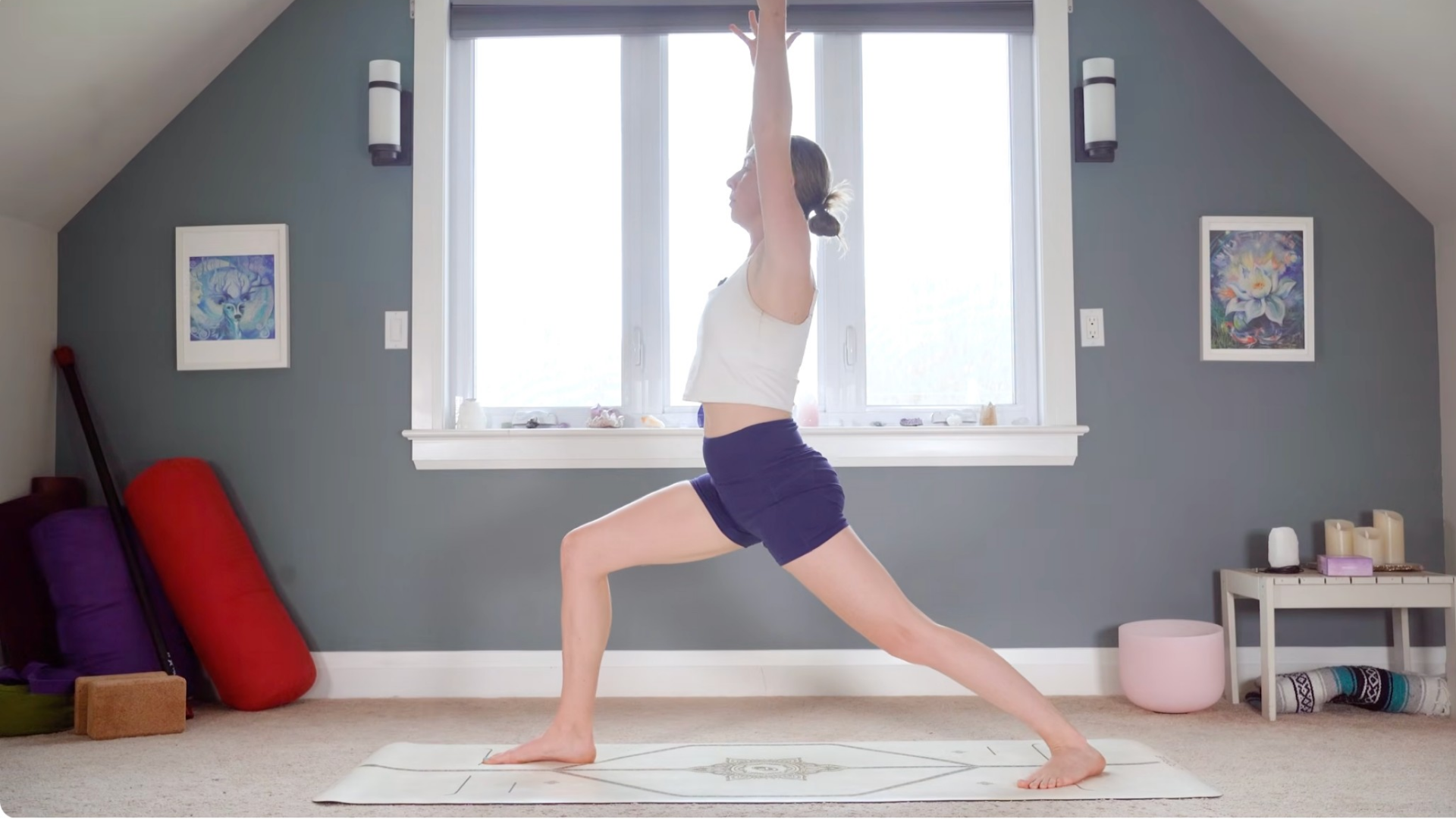
- The Standing Flow: After grounding in "Child’s Pose" and "Downward-Facing Dog," the sequence advances to a standing flow. This includes "Warrior 1," "Revolved Lunge," and the "Revolved Low Lunge Quad Stretch." By including hip-opening "Pigeon Pose," the routine addresses the areas of the body that store the most tension from prolonged sitting.
- Full-Body Integration: The second half of the sequence incorporates "Rag Doll," "Wide-Legged Forward Fold," and "Side Lunges." These lateral and forward-folding movements ensure that the hips and hamstrings receive a thorough, balanced stretch.
- Closing: The practice concludes not with a traditional Savasana—which can sometimes tempt the morning practitioner back into a state of sleep—but with intentional, seated breathing. This allows the practitioner to set an intention for the day, fostering clarity and focus.
Supporting Data: Why "Less" Can Mean "More"
Scientific literature regarding exercise and mindfulness suggests that the benefits of "minimal cue" yoga are twofold: physiological and neurological.
A 2024 study on "Internal Focus of Attention" in athletic training found that athletes who rely on their own sensory feedback demonstrate better motor control and long-term skill retention compared to those who receive constant external feedback. When applied to yoga, this means that by removing the "nanny" voice of an instructor, the practitioner is forced to proprioceptively locate their alignment. They must ask themselves: Where is my hip? Is my spine neutral? Am I gripping my toes?
Furthermore, the 15-minute timeframe aligns with the concept of "micro-dosing" physical activity. For busy professionals, a 15-minute investment is sustainable. Unlike hour-long classes that may be skipped due to scheduling conflicts, a 15-minute routine can be integrated into even the most chaotic mornings, ensuring consistency—the most important factor in long-term wellness.
The Role of the Instructor in the Digital Age
The shift toward minimal-cue instruction also marks a maturation in the relationship between digital content creators and their audience. When asked about the design of this specific sequence, industry observers noted that instructors are increasingly moving away from "influencer-style" commentary.
"The goal is no longer to keep the viewer entertained with stories or excessive tips," notes one wellness analyst. "The goal is to facilitate a transformational experience. The instructor is moving into the role of a guide who provides the framework, while the student provides the effort."
By providing "optional" steps—such as the inclusion of a Vinyasa (Plank, Chaturanga, Upward-Facing Dog)—the instructor also acknowledges the different energy levels of the practitioner on any given day. This flexibility is a hallmark of modern, empathetic teaching.
Implications for Future Practice
The popularity of this 15-minute sequence suggests several implications for the future of the wellness industry:
- The Rise of Self-Directed Wellness: We are moving away from passive consumption of health content toward active, self-directed practice. This bodes well for the longevity of the yoga community, as it fosters independent, confident practitioners.
- Sustainability in Short-Form Content: As attention spans decrease, the success of this video indicates that high-quality, high-intensity, short-form content is becoming the standard. Users are looking for efficiency without sacrificing the depth of the practice.
- Mental Health and Introspection: The emphasis on silence as a tool for "introspection, clarity, and quiet" highlights a collective cultural desire to reclaim our mental space. In a world of over-stimulation, silence is becoming the ultimate wellness commodity.
Conclusion: Crafting Your Own Morning Ritual
Ultimately, the 15-minute morning yoga routine serves as a reminder that the most profound shifts often come from the simplest acts. By committing to just a quarter-hour of movement and silence, practitioners can effectively "reset" their nervous systems before the demands of the day begin.
Whether you are a seasoned yogi looking to deepen your personal practice or a busy professional seeking a way to integrate movement into a tight schedule, the "minimal cues" approach offers a sophisticated, effective, and refreshing alternative to the standard fitness video. As you move through these poses—the stretch of the pigeon, the strength of the plank, the stability of the mountain—remember that the most important voice in the room is your own. In the silence of the morning, you are not just practicing yoga; you are practicing the art of being present.