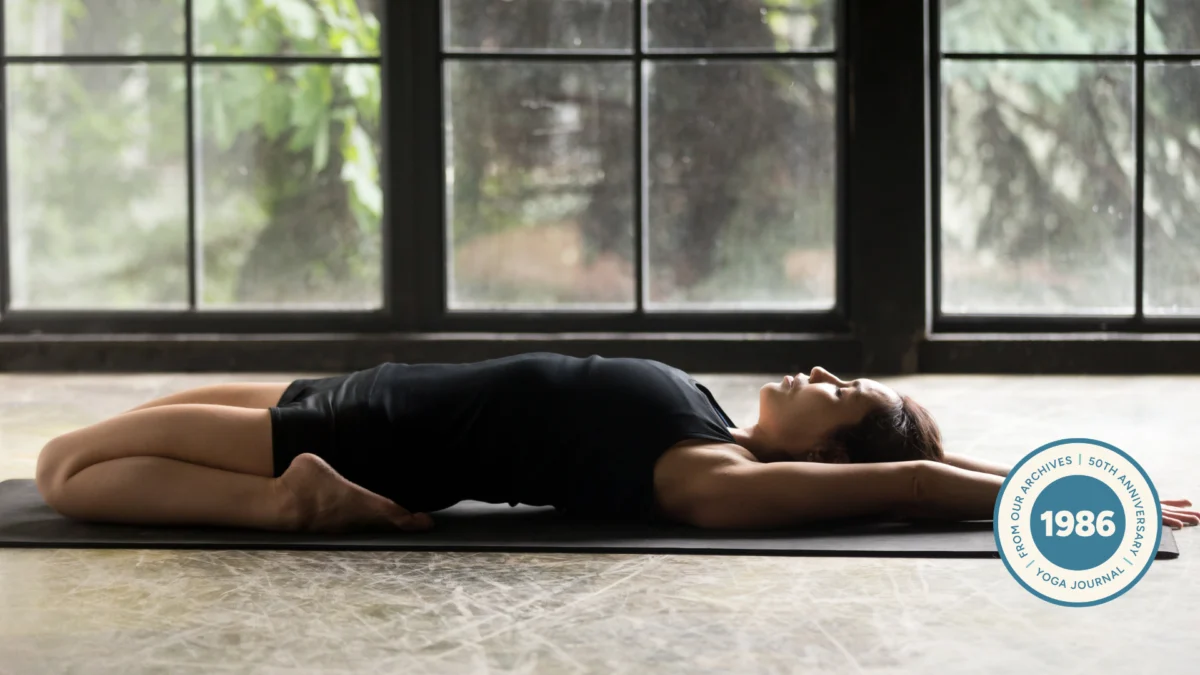
From the Yoga Journal Archives: Originally published in the March-April 1986 issue, this deep dive into Supta Virasana remains a cornerstone of modern yogic practice.
In the vast landscape of yoga asanas, few postures bridge the gap between restorative therapy and athletic conditioning as effectively as Supta Virasana, or Reclining Hero Pose. While it may appear deceptively simple—a supine position requiring only a steady base and a gradual descent—it is a sophisticated anatomical tool that addresses everything from digestive distress to the chronic tightness inherent in the modern, sedentary lifestyle.
The Foundations: Understanding the Mechanics of Supta Virasana
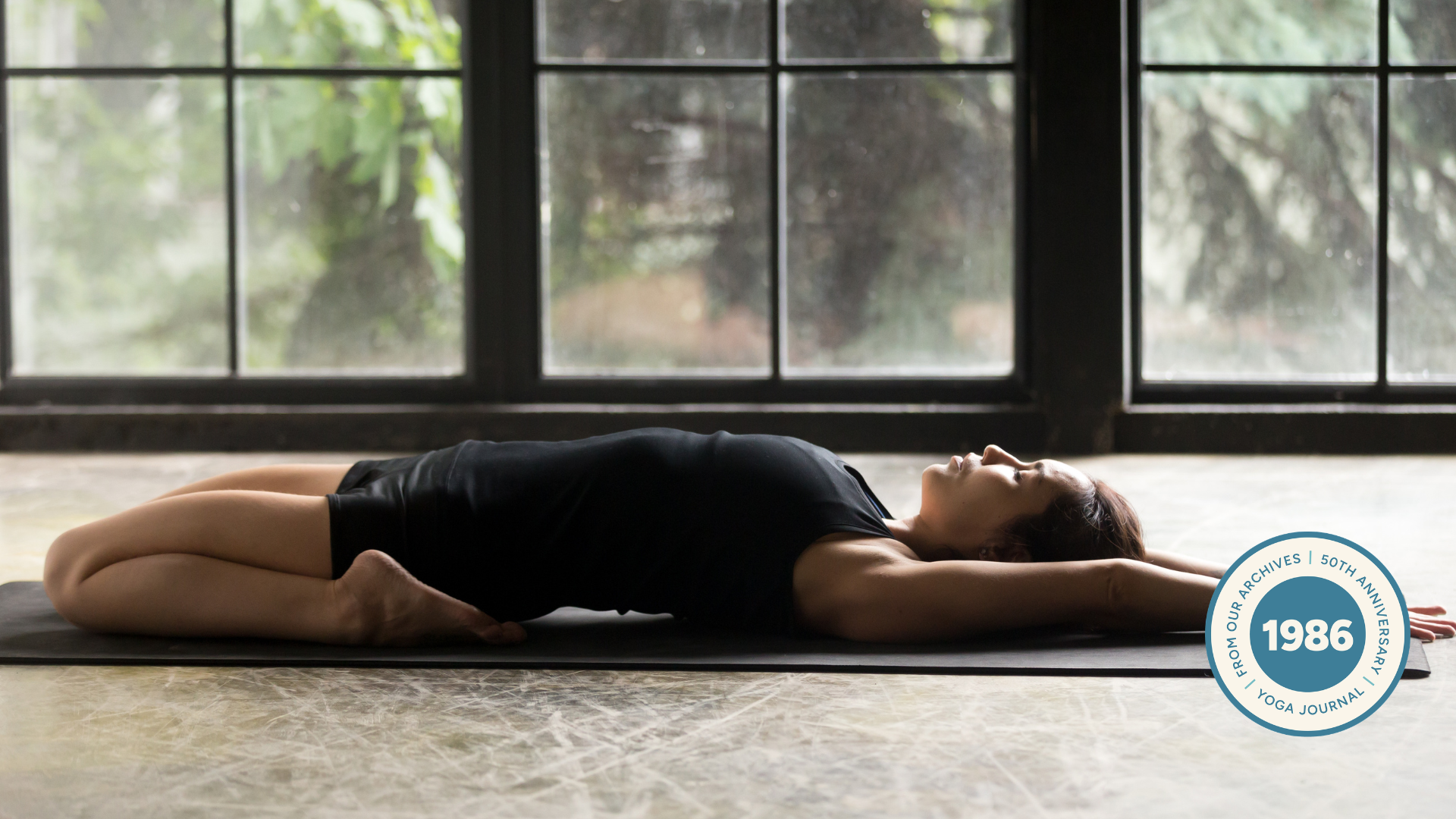
At its core, Supta Virasana is a powerful extension pose that targets the anterior chain of the body. By positioning the body in a reclined, kneeling stance, the practitioner facilitates a profound release in the quadriceps femoris and the iliopsoas muscle group.
The quadriceps, responsible for extending the knee, often become rigid and hyper-tonic due to repetitive stress. Whether through the high-impact nature of long-distance running, the constant flexion required in cycling, or simply the prolonged sitting characteristic of office work, these muscles can tighten, pulling the pelvis out of its natural, neutral alignment. The iliopsoas, meanwhile, acts as a primary hip flexor, connecting the torso to the legs. When these muscles remain perpetually contracted, the pelvis is tilted forward, creating a compensatory strain in the lumbar spine.
By executing Supta Virasana, the practitioner moves the hip joint into full extension while simultaneously flexing the knee, effectively stretching the quadriceps at both distal and proximal ends. This dual action serves to decompress the lower back, providing a therapeutic antidote to the "arched" tension that often plagues athletes and desk workers alike.
Chronology: From Ancient Tradition to Modern Anatomy
While the roots of Virasana and its reclining variation are steeped in the ancient traditions of Hatha yoga, its integration into Western fitness circles gained significant momentum in the mid-20th century. By the time this article first appeared in Yoga Journal in 1986, the Western medical and athletic communities were beginning to formally recognize the synergy between yoga asana and myofascial release.
The 1986 report highlighted that the pose was not merely a meditative posture but a physiological intervention. Over the four decades since its initial publication, the pose has been refined, with modern instructors utilizing props such as bolsters, yoga blocks, and blankets to make the benefits of Supta Virasana accessible to a wider demographic, regardless of their current level of flexibility or orthopedic limitations.
Supporting Data: Why Athletes and Patients Need This Pose
The implications of chronic quadricep tightness extend far beyond simple discomfort. From a biomechanical perspective, a tight anterior chain limits the pelvic rotation necessary for efficient gait. This lack of mobility forces the lower back to compensate during walking, running, and even standing.
The Runner’s Dilemma
For runners, the momentum of the stride inherently tightens the hip flexors. If not properly countered with poses like Supta Virasana, this tightening leads to a shortening of the stride and increased pressure on the L4-L5 vertebrae. Incorporating Reclining Hero Pose into a post-run recovery routine acts as a corrective measure, "resetting" the pelvis and allowing for a more fluid, rhythmic movement pattern.
Digestive and Respiratory Benefits
Beyond the musculoskeletal benefits, the pose is frequently cited for its systemic effects. By opening the abdomen and the thoracic cavity, Supta Virasana promotes:
- Enhanced Digestion: The gentle, passive stretch of the abdominal wall stimulates internal organs, including the intestines and liver.
- Respiratory Expansion: As the chest opens, the lungs are granted more room to expand, making the pose an ideal precursor to pranayama (breathwork).
- Nausea Relief: Historically, the pose has been used to alleviate mild digestive discomfort and, with appropriate modifications, to manage morning sickness during pregnancy.
Official Guidelines and Safety Precautions
While the benefits are extensive, the practice of Supta Virasana requires a disciplined approach to anatomy and physical limitations. Practitioners are advised to follow a strict, step-by-step progression to avoid over-stretching the ligaments of the knee.
The Path to Practice
- Preparation: Always begin by kneeling on a soft, supportive surface. The knees should be hip-width apart.
- The Virasana Base: One must master the seated version (Virasana) before attempting the reclining variation. If the buttocks do not comfortably touch the floor or a blanket, the student is not ready to recline.
- The Descent: Using the elbows as a bridge, the practitioner should gradually lower the torso. If the lower back arches excessively, the pose is too deep; a bolster or a stack of blankets should be placed under the back to support the spine.
- Alignment: The thighs should remain parallel, preventing the knees from splaying outward. Over time, as flexibility increases, the knees may be brought closer together.
- Head Support: The chin must never be higher than the forehead. If the neck feels strained, placing a folded blanket under the head is mandatory to maintain the integrity of the cervical spine.
Crucial Safety Note: Pregnancy
Pregnant practitioners must exercise extreme caution. After the first trimester (specifically beyond the fourth month), prolonged backbending poses should be avoided or heavily modified. The compression of the inferior vena cava—the large vein that returns blood to the heart—can lead to a dangerous drop in blood pressure. Pregnant individuals are advised to practice only with professional guidance and to utilize significant propping to keep the torso elevated.
Implications for Modern Wellness
In an era where "hustle culture" often equates fitness with high-intensity interval training and weight-bearing strain, the inclusion of restorative poses like Supta Virasana is a necessary counterbalance. The modern wellness industry is increasingly moving away from the "no pain, no gain" mentality toward a more holistic model of health that prioritizes joint longevity, fascial health, and nervous system regulation.
The ongoing relevance of the 1986 archive underscores a fundamental truth: the mechanics of the human body have not changed, even as our external world has accelerated. The tightness caused by long hours in front of screens, the repetitive strain of modern athletics, and the general stress of daily life are all addressed by the simple, deliberate act of reclining into a hero’s pose.
Integrating the Pose into Your Routine
To maximize the efficacy of Supta Virasana, it is best utilized at the end of a session—either as a counterpose to a series of forward bends or as a dedicated practice to "cool down" the body after intense activity.
For those just beginning, do not rush to the floor. The use of a bolster is not a sign of weakness; it is a sign of intelligent practice. By supporting the back, you allow the nervous system to shift into a parasympathetic state, which is essential for the muscle fibers to truly release their chronic tension. Hold the pose for a few breaths initially, focusing on keeping the breath steady and even. As you gain comfort, extend the duration, allowing the weight of the body to do the work of opening the tight tissues.
In conclusion, Supta Virasana is more than a stretch; it is a holistic intervention. By integrating this pose into your weekly regimen, you are not only safeguarding your knees and lower back against the rigors of modern life, but you are also cultivating a deeper connection to the anatomical architecture that supports your every move. Whether you are a competitive athlete or a dedicated office professional, the path to improved mobility and systemic health begins by simply sitting between your heels and slowly, mindfully, reclining back.