In the world of fitness, we are often obsessed with complex machinery, high-intensity interval training, and expensive gym memberships. Yet, some of the most profound indicators of physical longevity and functional independence require nothing more than a single, sturdy step. For those navigating the decades beyond 60, the humble "step-up" has emerged as a gold-standard diagnostic tool for assessing lower-body power, balance, and the functional capacity required to maintain a high quality of life.
According to Steven Pungello, a leading chiropractor at Full Stride Spine & Sport who specializes in the biomechanics of runners and aging athletes, the ability to perform this simple bodyweight movement at a sustained pace is more than just an exercise—it is a vital sign of your physical future.
The Physiology of the Step-Up
At its core, the step-up is a unilateral movement, meaning it forces each leg to work independently. This is a critical distinction from bilateral movements like traditional squats. When you perform a squat, your body is remarkably adept at compensating for weaknesses; if your left glute is slightly weaker than your right, your dominant side will subtly shift the load to complete the movement.
"One leg might be weaker than the other, and in a squat movement pattern, the other leg can compensate," Pungello explains. "The step-up is a great test to expose a deficit between your two sides. It isolates the musculature of the glutes, hamstrings, and quadriceps, demanding that each limb stabilize the body through a full range of motion."
Beyond pure muscular strength, the movement is a rigorous test of ankle mobility and cardiovascular endurance. When performed with intent and speed, it mimics the real-world demands of navigating staircases, hiking uneven terrain, or reacting quickly to prevent a stumble.
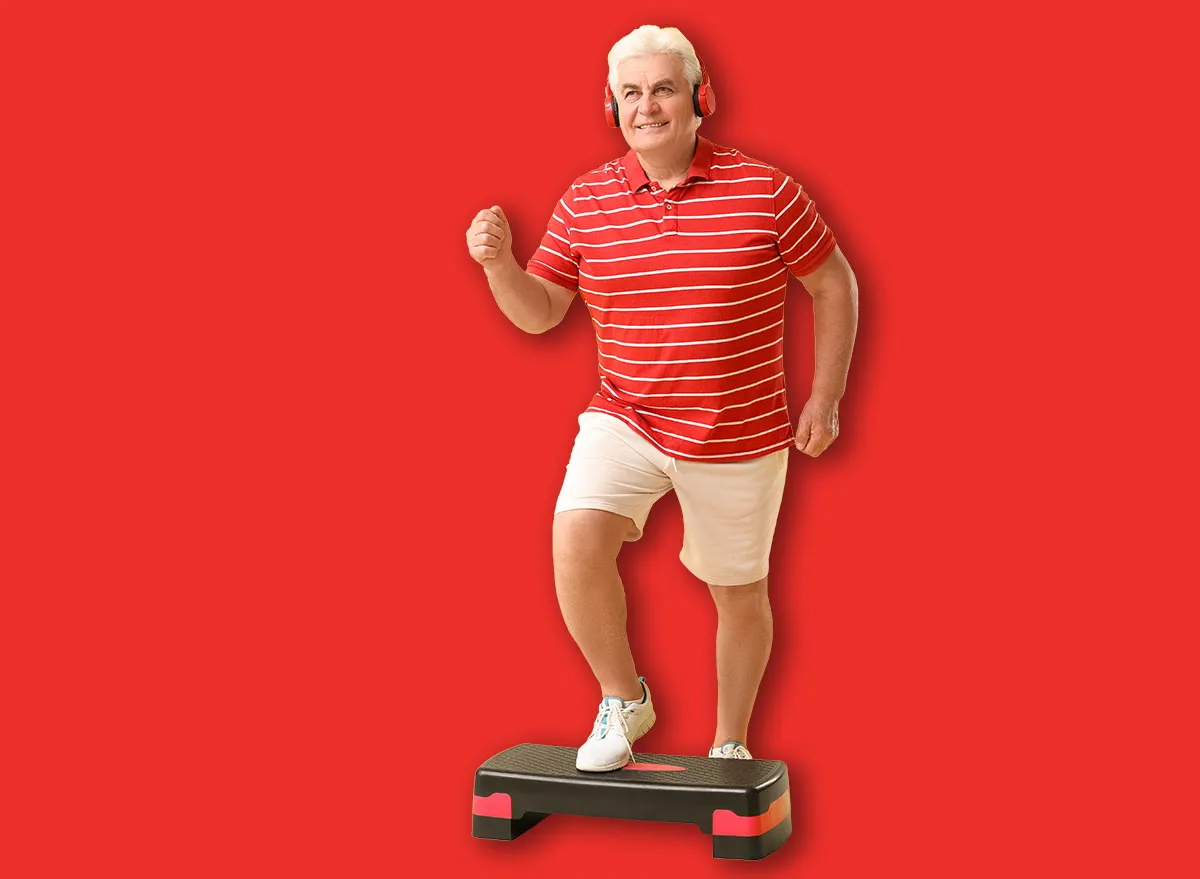
Chronology of a Functional Decline: Why Power Matters
To understand why this test is so essential for the over-60 demographic, one must first distinguish between "strength" and "power." Strength is the ability to exert force against resistance—the literal capacity to lift a weight. Power, however, is the ability to exert that force quickly.
As we age, both strength and power naturally decline, but power tends to erode at a significantly faster rate. By the time many adults reach their sixties, they have often shifted their fitness focus toward "slow and steady" activities, such as walking or low-impact cycling. While these are excellent for heart health, they often fail to address the explosive, fast-twitch muscle fibers required for everyday survival.
"Many people over 60 just do slow and steady exercise but also need to incorporate faster, more explosive movements to accomplish activities like climbing stairs," says Pungello. "Similar to riding a bike, walking up stairs faster is actually easier. If you go slow, there is more time on one leg where you are unbalanced and have a high potential to fall."
The chronological progression of frailty often begins with the loss of this "explosive" capability. When an individual loses the power to push off quickly, they begin to move tentatively. This hesitation increases the duration of the "stance phase"—the time spent balanced on one leg while moving—which exponentially increases the risk of a fall. By prioritizing power, we are effectively buying back our physical independence.
The 60-Second Benchmark: Testing Your Lower-Body Power
Pungello has formalized a protocol to help individuals measure where they stand. This test is designed to be performed in the safety of one’s home using a standard staircase or a sturdy exercise platform.
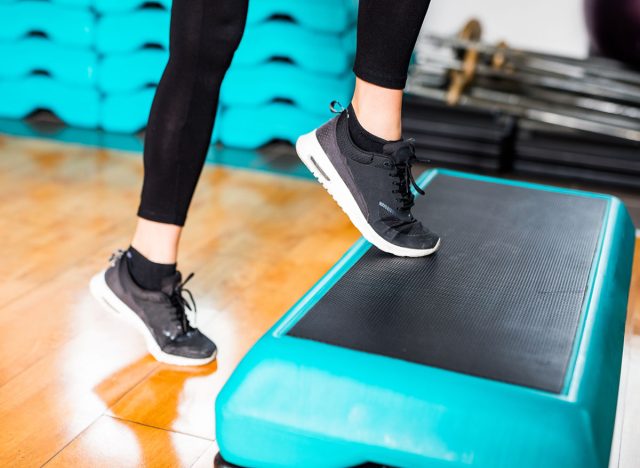
The Protocol:
- Preparation: Find a step of standard height. Ensure the area is clear and you have support (like a handrail) nearby if you are just beginning.
- Execution: Start with the same lead leg for the duration of the test. The pattern is: Right leg up, left leg up, right leg down, left leg down.
- Timing: Use a stopwatch to time exactly 60 seconds.
- Measurement: Record the total number of repetitions for one leg. Repeat the process for the other leg after a full recovery.
Interpreting Your Results:
- Elite Performance: Completing over 25 repetitions in 60 seconds.
- Good/Strong Performance: Completing over 20 repetitions.
- The Warning Zone: Any result significantly below 20 may indicate a need to focus on targeted lower-body strengthening and power-building exercises.
Pungello also suggests tracking your post-exercise heart rate. While the number of steps is the primary metric for power, the heart rate recovery indicates how efficiently your cardiovascular system is processing the metabolic demand of the exercise.
Supporting Data: The Science of Unilateral Training
The efficacy of the step-up is supported by broader sports science. Research into geriatric health consistently shows that unilateral training (single-leg work) is superior for improving functional gait and balance. Unlike bilateral exercises, step-ups require the core muscles to engage in a "cross-body" stabilization pattern. As you step up with your right leg, your core must prevent your pelvis from tilting, which mimics the stabilization required when walking on uneven ground.
Furthermore, the emphasis on "leading with the same leg" in Pungello’s test highlights the importance of addressing limb symmetry. Athletes often suffer from "functional asymmetry," where one side of the body is significantly stronger or more mobile. Left unaddressed, these imbalances lead to compensatory injuries—hip pain, lower back strain, and knee issues—that often manifest as "age-related" aches but are actually symptoms of neglected muscular gaps.
Clinical Implications: From the Gym to Daily Life
The implications of this test extend far beyond the gym. A failure to pass the 20-rep threshold should not be viewed as a personal defeat, but as a roadmap for training. If you cannot reach the "good" range, the solution is not to push harder, but to incorporate the step-up into your routine as a progressive exercise.
Incorporating Step-Ups into a Routine:
- Phase 1: Stability. Use a lower step or focus on slow, controlled movements to master the motor pattern. Use a handrail for balance.
- Phase 2: Strength. Once the movement is mastered, increase the height of the step or hold light weights (dumbbells) in your hands to build resistance.
- Phase 3: Power. Focus on the tempo. Once you have the strength, practice moving up onto the step with more speed, ensuring that you maintain control on the descent.
The Role of Professional Guidance
While the step-up is a simple move, it is not without risk for those with existing joint issues. Consulting with a professional—such as a physical therapist or a chiropractor like Pungello—is highly recommended for those who have not exercised in a long time or who suffer from balance disorders.
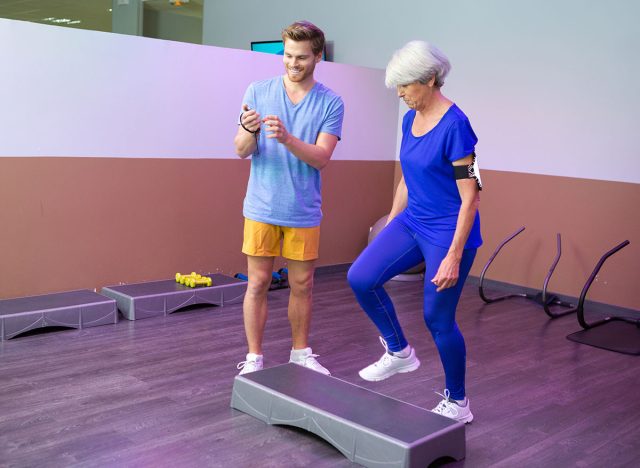
"Testing your power is about awareness," says Pungello. "If you know where your deficiencies are, you can correct them. We aren’t just training for a test; we are training to ensure that when you encounter a flight of stairs, a curb, or a hiking trail, you have the confidence to move without hesitation."
Conclusion: A New Metric for Longevity
As we continue to redefine what it means to age "successfully," the focus is shifting away from purely aesthetic or cardiovascular metrics. We are moving toward a functional model—one that asks, "Can you move through the world with strength and confidence?"
The 60-second step-up test is a bridge between the clinical world of biomechanics and the everyday world of living. It is a reminder that our bodies are designed for movement, and that the most effective tools for maintaining that design are often the simplest ones. By incorporating this test into your regular check-ins, you aren’t just counting steps; you are measuring your capacity to live independently, safely, and powerfully for years to come.