




In an era defined by the "quantified self," the pursuit of longevity has shifted from a gentle aspiration to a high-stakes, data-driven discipline. Everywhere we look—from social media feeds saturated with ice baths and supplement stacks to podcasts promising a roadmap to age 115—the message is clear: You don’t just have to be healthy; you have to be optimized.
But as the "longevity industrial complex" gains momentum, a critical question emerges from the noise: Are these ultra-specific, high-cost protocols actually the keys to a longer life, or are they a distraction from the fundamental, sustainable habits that truly move the needle?
The Main Facts: Defining "Optimal" Health
The modern health landscape is split between two camps. On one side, we have the "Longevity Biohackers," who advocate for aggressive, expensive, and time-consuming interventions. These may include continuous glucose monitoring, daily infrared sauna sessions, hyper-specialized blood panels, and dozens of daily supplements. The goal is to reverse chronic disease, maximize cellular health, and technically "extend" the human lifespan.
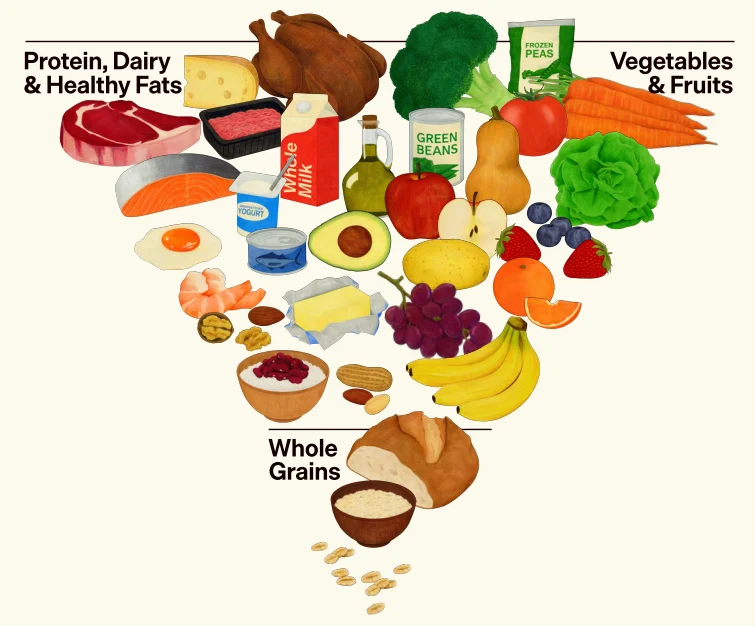
On the other side, we have the evidence-based approach to healthy aging—a methodology that prioritizes the "Big Rocks": adequate sleep, consistent physical activity, balanced nutrition, and stress management.
The primary tension lies in the Return on Investment (ROI). While biohacking often claims to add years to one’s life, it frequently requires a level of rigid adherence that can erode the very quality of life one is trying to preserve.
A Chronology of the Wellness Boom
To understand how we arrived at this obsession with "optimization," we must look at the evolution of the health and wellness industry:
- 1990s – The Era of Dieting: The focus was primarily on calorie restriction and low-fat trends. Health was synonymous with weight loss.
- 2010s – The Rise of Wearables: With the advent of consumer-grade fitness trackers, data became the new currency. People began tracking steps, heart rate variability, and sleep stages, marking the birth of the "quantified self."
- 2020 – The Pandemic Catalyst: Global health anxiety spiked during the COVID-19 pandemic, leading to a massive surge in interest regarding immunity and long-term health resilience.
- 2023–Present – The Longevity Mainstream: Longevity transitioned from fringe science to a multi-billion dollar market. Algorithms began pushing "optimized" routines, creating a culture where anything less than peak performance is seen as a failure.
Supporting Data: The Reality Check
When we analyze the efficacy of extreme optimization versus foundational habits, the data reveals a "law of diminishing returns."
Research indicates that the majority of health outcomes—approximately 80%—are driven by basic, accessible lifestyle choices. For instance, the difference in mortality risk between a sedentary person and someone who engages in just 150 minutes of moderate activity per week is profound. However, the difference between that moderately active person and an "extreme optimizer" training for hours daily is statistically marginal.
Financial investment often follows a similar curve. A basic, whole-food-centric diet and a standard gym membership provide the vast majority of health benefits. Conversely, thousands of dollars spent on cutting-edge longevity supplements often offer only theoretical, unproven, or negligible gains. The "True Cost" of these programs isn’t just financial; it’s the mental load—the "orthorexic" obsession with perfection that can increase cortisol levels and decrease life satisfaction.
Expert Perspectives and Official Stances
Leading health organizations, including the World Health Organization (WHO) and various geriatric medical societies, consistently emphasize that the path to longevity is not found in a single "biohack."
Medical professionals argue that the danger of the "optimization" trend lies in the misallocation of resources. When individuals prioritize expensive supplements over a consistent sleep schedule or basic medical screenings, they are missing the forest for the trees.
"Health is a long-term game," notes Dr. Elena Vance, a specialist in preventative medicine. "When patients come to me asking about the latest longevity trends they heard on a podcast, I ask them one question: ‘Are you doing the basics perfectly yet?’ Almost no one is. We are often looking for a shortcut to replace the hard work of living a balanced life."

Implications for the Individual
The drive for perfection often comes at a steep price: The Opportunity Cost.
Time spent tracking every micro-nutrient or obsessing over blood data is time taken away from social connections, family, rest, and leisure—all of which are scientifically proven to be pillars of long-term health. The "longevity paradox" is that by obsessing over living forever, people often lose the joy of living today.
The Balanced Path
How, then, should one approach their health? The key lies in finding the "Minimum Effective Dose." This involves:
- Prioritizing Consistency over Intensity: A "good" workout done three times a week is infinitely better than a "perfect" workout that causes burnout after two weeks.
- Focusing on Metabolic Health: This remains the gold standard for longevity. Stable blood sugar and cardiovascular health are the true gatekeepers of a long life.
- Social Connectivity: Strong community ties and a sense of purpose remain among the most significant predictors of longevity in "Blue Zone" research.
Empowering the Next Generation of Coaches
As the conversation around longevity matures, there is an urgent need for practitioners who can cut through the marketing noise. The fitness and nutrition industry is currently flooded with influencers selling "protocols," but there is a lack of professionals who understand how to translate complex science into sustainable, human-centric habits.
For those looking to bridge this gap, the PN Level 1 Nutrition Coaching Certification serves as a vital tool. By focusing on the psychology of behavior change and the science of sustainable health, coaches can help their clients achieve their goals without the unnecessary stress of "optimization."
Conclusion: Living Longer vs. Living Well
If you want to live a longer, healthier life, the answer isn’t necessarily found in an expensive, high-tech protocol. It is found in the quiet, consistent application of the fundamentals: eating whole foods, moving your body in ways you enjoy, managing stress, and nurturing your relationships.
Before you invest in the next "biohacking" trend, ask yourself: Is this adding to my life, or is it adding to my stress?
To help you gain clarity on your own health journey, we invite you to utilize our resources. Whether you are looking to optimize your personal routine or you are a professional seeking to better serve your clients, understanding the true cost of health optimization is the first step toward a life that is not just long, but truly well-lived.
Take the Longevity Assessment
Are your current health efforts aligned with your long-term goals? Click below to take our comprehensive assessment and discover where you should focus your energy for the highest return.
[Get Started with the Longevity Assessment]
For a deep dive into the research behind these findings, including a full breakdown of the science of longevity, read our full article: The True Cost of “Optimal” Health.
Click here to view the Information Sources and References for this analysis.