In an era defined by the democratization of health data, the quest for longevity has moved from the fringes of science to the center of mainstream culture. We are currently witnessing a "longevity boom," driven by a deluge of influencers, tech moguls, and self-proclaimed biohackers promising everything from the reversal of chronic disease to the prospect of living well into our second century.
But as the market for "health optimization" explodes, a critical question emerges from the noise: Are the ultra-specific, high-cost protocols touted by internet personalities actually necessary? Or have we traded the pursuit of a healthy, balanced life for an expensive, stressful obsession with metrics?
The Rise of the Optimization Economy
For most people, the goal is simple: to live a long, healthy life. Yet, the path to that goal has been obscured by an industry that profits from complexity. Today, a casual scroll through social media reveals a landscape dominated by hyper-optimized routines: cold plunges at 4:00 AM, continuous glucose monitors (CGMs) tracking every bite of food, and a daily rotation of dozens of supplements, all designed to shave a few milliseconds off a biological clock.
This phenomenon—the "optimization economy"—often conflates "optimal" with "mandatory." By framing health as a series of data points to be manipulated, these influencers often ignore the most fundamental reality of human biology: consistency beats perfection every time. When health becomes a second job, the resulting stress can often negate the very physical benefits these protocols are meant to provide.
Chronology: From Public Health to "Biohacking"
To understand where we are, we must look at how we arrived here.
- The Mid-20th Century (The Era of Public Health): The focus was on foundational hygiene, vaccination, and basic nutritional guidelines. The goal was to prevent acute illness and increase average life expectancy through systemic change.
- The 1990s and 2000s (The Rise of Fitness and Supplements): The gym culture exploded, and the supplement industry became a multibillion-dollar powerhouse. The focus shifted from "not being sick" to "being fit."
- The 2010s (The Datafication of Self): The release of wearable technology—Fitbit, Oura, Apple Watch—allowed the average person to track sleep, heart rate variability, and steps. Health moved from a feeling to a set of numbers.
- The 2020s to Present (The Optimization Era): We have entered the age of "biohacking." It is no longer enough to be "fit." One must now "optimize." We are seeing the rise of professional longevity clinics, boutique testing services, and a cult-like adherence to complex routines that often mirror the medical interventions used in clinical settings, applied to healthy, asymptomatic individuals.
Supporting Data: The Law of Diminishing Returns
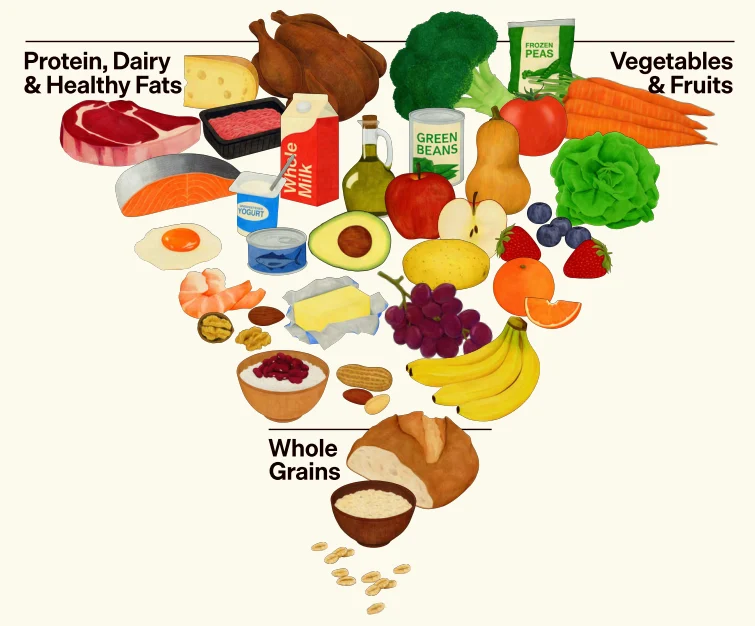
When examining the efficacy of these protocols, researchers often point to the "Law of Diminishing Returns." The first 20% of effort—getting enough sleep, eating a diet rich in whole foods, staying physically active, and maintaining social connections—yields 80% of the health benefits.
Conversely, the "advanced" protocols—such as extreme caloric restriction, expensive proprietary blood panels, or hyper-specific supplement stacks—often yield marginal, if any, measurable improvements for the average person.
The Cost-Benefit Analysis
- Time: The time required to manage, track, and execute "optimized" routines can range from 5 to 20 hours per week.
- Financial Burden: A comprehensive biohacking protocol can cost thousands of dollars annually, encompassing testing, specialized nutrition, and supplements.
- Mental Load: The psychological stress of "orthorexia" (an obsession with healthy eating) or "data-anxiety" (the stress caused by fluctuating biometric readings) is a significant, often ignored, health risk.
Official Perspectives and Expert Consensus
Public health organizations and leading research institutions continue to emphasize that the "boring" stuff is still the most powerful medicine. The scientific consensus is clear: there is no "biohack" that replaces the foundational pillars of health.
Experts warn against the "medicalization of daily life." When we treat every biological fluctuation as a problem to be solved, we enter a state of constant vigilance that is inherently incompatible with long-term well-being. True health is not the absence of data fluctuations; it is the presence of resilience.

Research indicates that those who focus on sustainable, enjoyable habits—socializing, enjoying diverse foods in moderation, and maintaining a consistent, moderate exercise regimen—often report higher life satisfaction and lower rates of stress-related illnesses than those who treat their lives as a laboratory experiment.
The Implications: Finding the Middle Path
What does this mean for the average person? It means you can stop worrying about the latest supplement trend and start focusing on the factors that have been proven to move the needle.
- Prioritize Foundations: If your sleep is poor, no amount of expensive nootropics will help. If your diet is processed, no superfood powder will save you.
- Evaluate Your ROI: Before committing to a new health habit, ask: What is the return on investment? Is the cost (time, money, mental bandwidth) justified by the proven scientific benefit?
- Define Your Own "Optimal": Optimization should serve your life, not the other way around. If a health protocol prevents you from enjoying a dinner with friends or forces you to compromise your mental peace, it is, by definition, not "optimal" for your long-term health.
Empowering the Next Generation of Coaches
For health and fitness professionals, the challenge is shifting from "coaching performance" to "coaching sustainable living." The goal of a coach is to help clients navigate the noise, separate fact from fiction, and build a lifestyle that is both healthy and, crucially, enjoyable.
As the health industry continues to evolve, the demand for educated, empathetic professionals who prioritize long-term habit formation over short-term trends is at an all-time high. By focusing on the evidence-based pillars of nutrition and lifestyle, coaches can help clients achieve genuine longevity without the burnout associated with the "optimization" trap.
Take the Longevity Assessment
Are your current health efforts aligned with your long-term goals, or are you over-complicating your routine? We have developed a tool to help you evaluate where your efforts are best spent.
[Click here to take The Longevity Assessment and find out where to focus your energy for the biggest impact.]
Further Reading and References
To ensure that your health journey is grounded in science rather than marketing hype, it is vital to review the data.
- [Click here to view the information sources and research papers referenced in this analysis.]
- [Read our full article: The True Cost of “Optimal” Health—Here’s what it really takes to live as long and healthy as possible.]
A Call to Professionals
If you are a coach, or aspiring to be one, the ability to discern valid science from fads is your greatest asset. You can help people build sustainable nutrition and lifestyle habits that improve both physical and mental health. We invite you to explore the PN Level 1 Nutrition Coaching Certification. It is the industry standard for those who want to make a real, lasting impact on the lives of others while building a successful career.
Enrollment is now open, with exclusive opportunities for those ready to lead the future of the health and fitness industry.