










Published September 13, 2026
In an era defined by hyper-connectivity and the relentless hum of modern life, the concept of a "wellness retreat" has often become synonymous with crowded, high-end resorts and exorbitant price tags. However, a growing cohort of travelers is redefining the self-care experience, pivoting away from the well-trodden paths of luxury spas toward something more primal, accessible, and deeply authentic.
A true wellness journey should be characterized by one fundamental quality: tranquility. For many, finding this state of mind requires stepping away from the "travel trend" circuit and seeking refuge in America’s hidden corners—towns where the rhythm of life is set by the movement of rivers, the heat of geothermal springs, and the profound silence of the natural world. These destinations offer more than just a change of scenery; they provide a meaningful, restorative reset far from the noise of the mainstream.
The Anatomy of a Wellness Destination
What exactly constitutes a "wellness destination" in the context of the American landscape? According to travel researchers and holistic health advocates, it is defined by a trifecta of environmental and psychological factors:
- Immersive Nature: Proximity to restorative water bodies—whether thermal springs, glacial lakes, or winding rivers—is essential for grounding the nervous system.
- Quietude: A deliberate absence of urban density, allowing for a genuine "digital detox."
- Historical Resonance: Locations that have served as sites of healing for centuries, lending a sense of continuity and reverence to the visitor’s experience.
By focusing on these under-the-radar spots, travelers can bypass the stressors of over-tourism while securing a more profound, solitary connection with their environment.
Chronology: The Evolution of American Spa Culture
The history of wellness travel in the United States is deeply rooted in the Gilded Age and the frontier era. From the mid-19th century, Americans began to prioritize "taking the waters" as a primary method for treating ailments, a practice borrowed from European aristocratic traditions.
- 1832: The federal government creates the Hot Springs Reservation in Arkansas, marking the first time in U.S. history that land was set aside specifically for its perceived medicinal and recreational value.
- 1700s–1800s: Mineral springs in places like Berkeley Springs, West Virginia, become the premier social and health hubs for the nation’s elite, including George Washington.
- Mid-20th Century: The rise of the modern commercial spa industry shifts focus toward aesthetics and luxury, temporarily obscuring the raw, natural origins of these towns.
- 2026–Present: A shift toward "Slow Travel" and nature-based therapy brings travelers back to these historic, resource-rich locations, valuing authentic mineral soaking and forest immersion over curated luxury.
Supporting Data: The Rise of Solitary Wellness
Recent travel industry analysis indicates that demand for "isolated wellness" has increased by 22% since 2024. Travelers are increasingly prioritizing locations that offer:
- Low-Density Accommodation: A preference for private, self-contained cabins over traditional hotel blocks.
- Geothermal Accessibility: Searches for "natural hot springs" and "public rockhounding" have seen a marked uptick, suggesting a desire for active, tactile forms of self-care.
- Nature-Based Integration: Retreats that combine traditional spa services with wilderness exploration—such as kayaking or guided forest bathing—are currently outperforming standard wellness packages.
1. Hot Springs, Arkansas: The Gilded Healing Hub
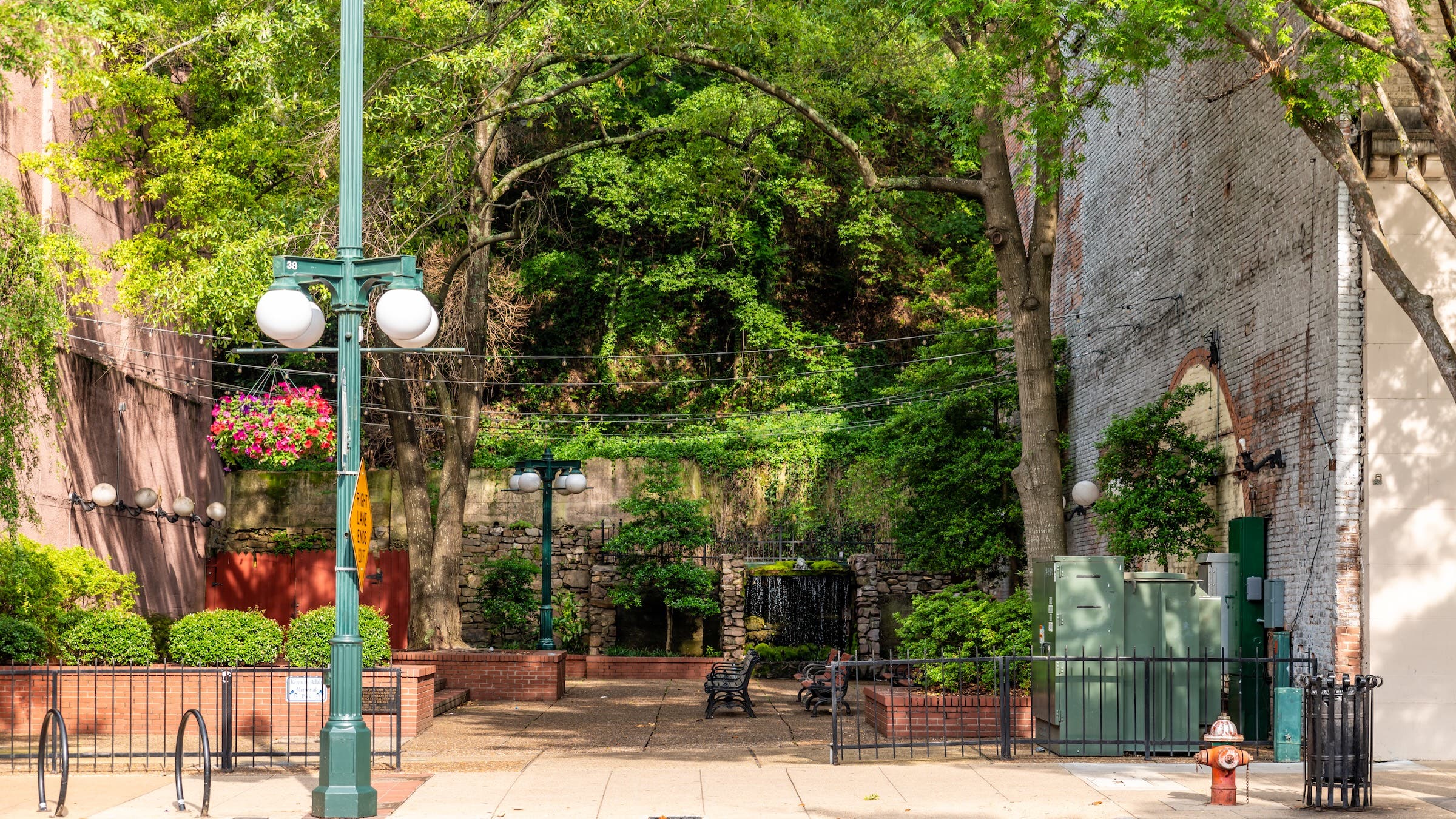
The city of Hot Springs is a testament to the longevity of thermal healing. Built around 47 natural thermal springs, the town has attracted seekers of restoration for thousands of years.
The Experience
The downtown area is dominated by the historic Bathhouse Row, where nine Gilded Age structures stand as monuments to a bygone era of wellness. Beyond the water, the region offers unique geological restorative opportunities. Nearby Mount Ida is globally recognized as a quartz haven; visitors can engage in public crystal foraging, an activity that many wellness practitioners believe aids in mental clarity and meditative focus.
Official Perspective
Local conservationists note that the federally protected status of the springs has preserved the chemical purity of the water, ensuring that visitors today experience the same mineral-rich soak that drew 19th-century dignitaries.
2. Bayfield, Wisconsin: The Lake Superior Sanctuary
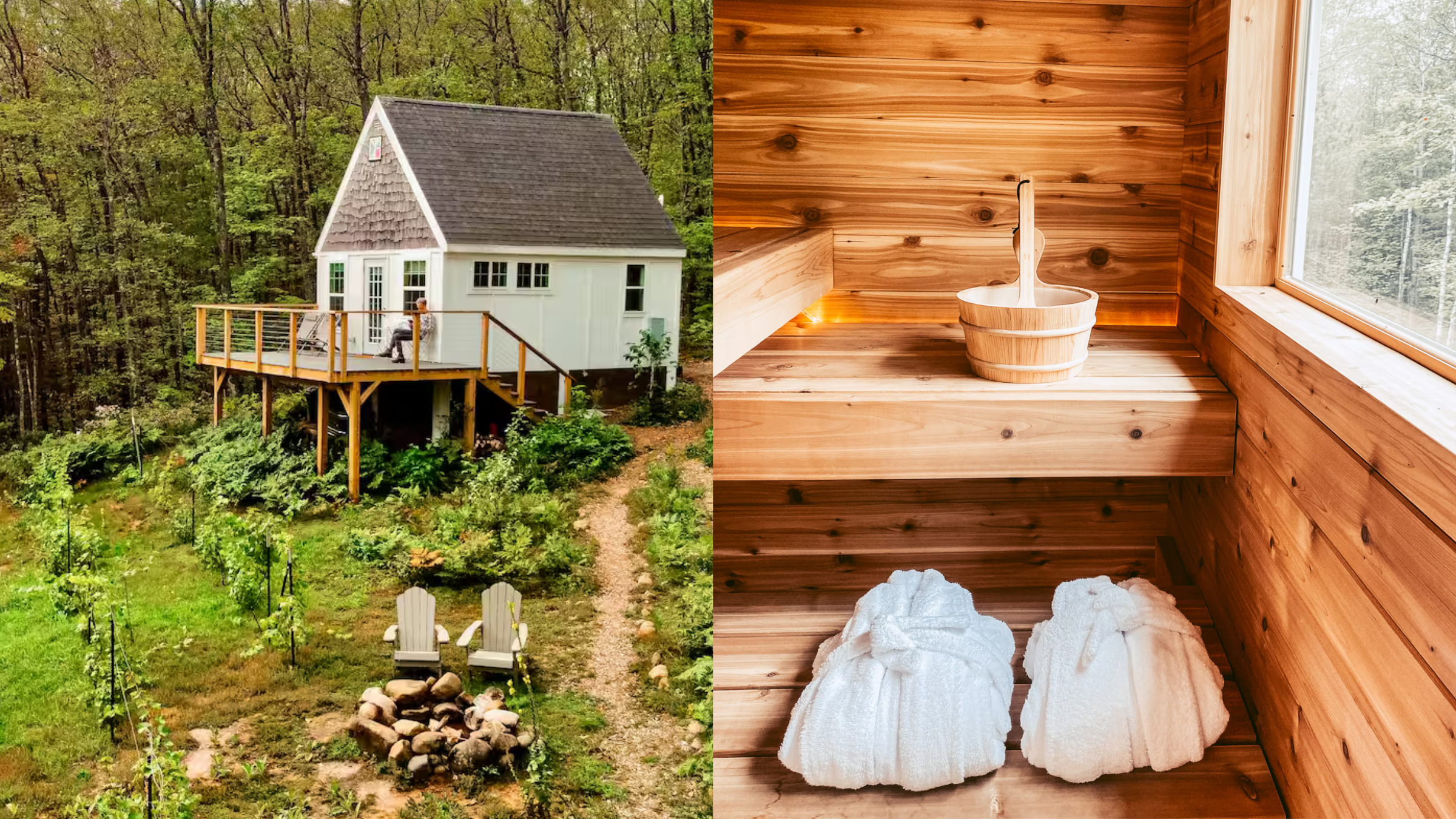
Located on the northern tip of Wisconsin, Bayfield serves as the gateway to the Apostle Islands. This destination is ideal for those who find their peace through movement and seasonal bounty.
The Experience
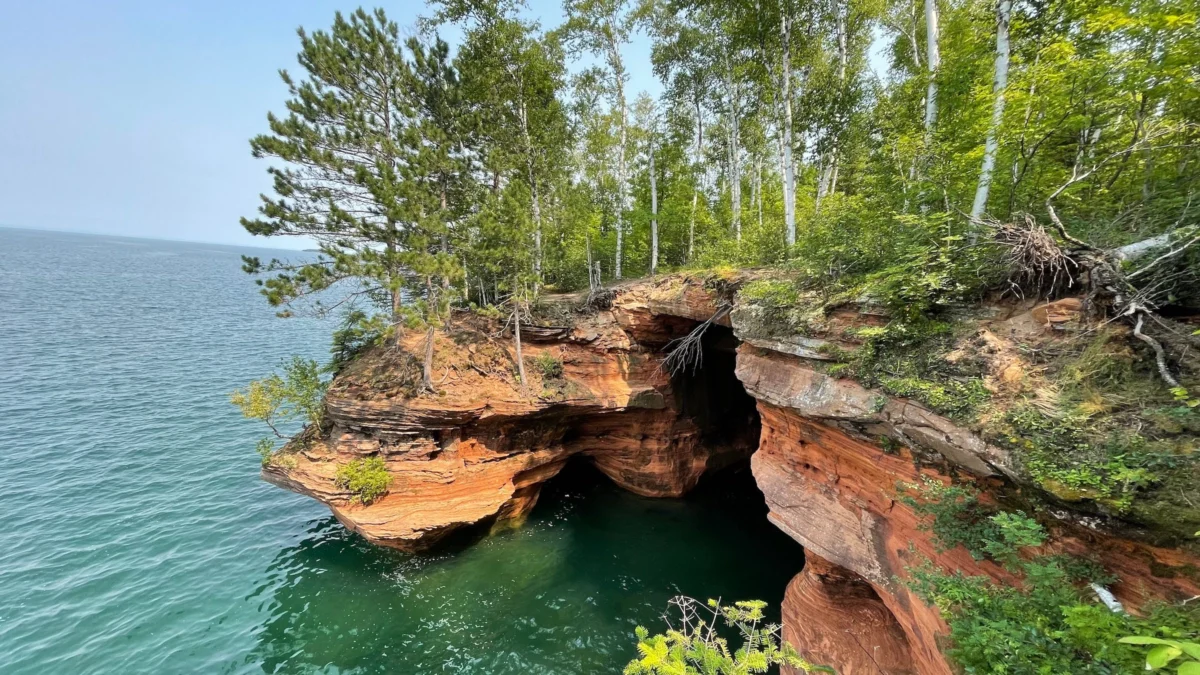
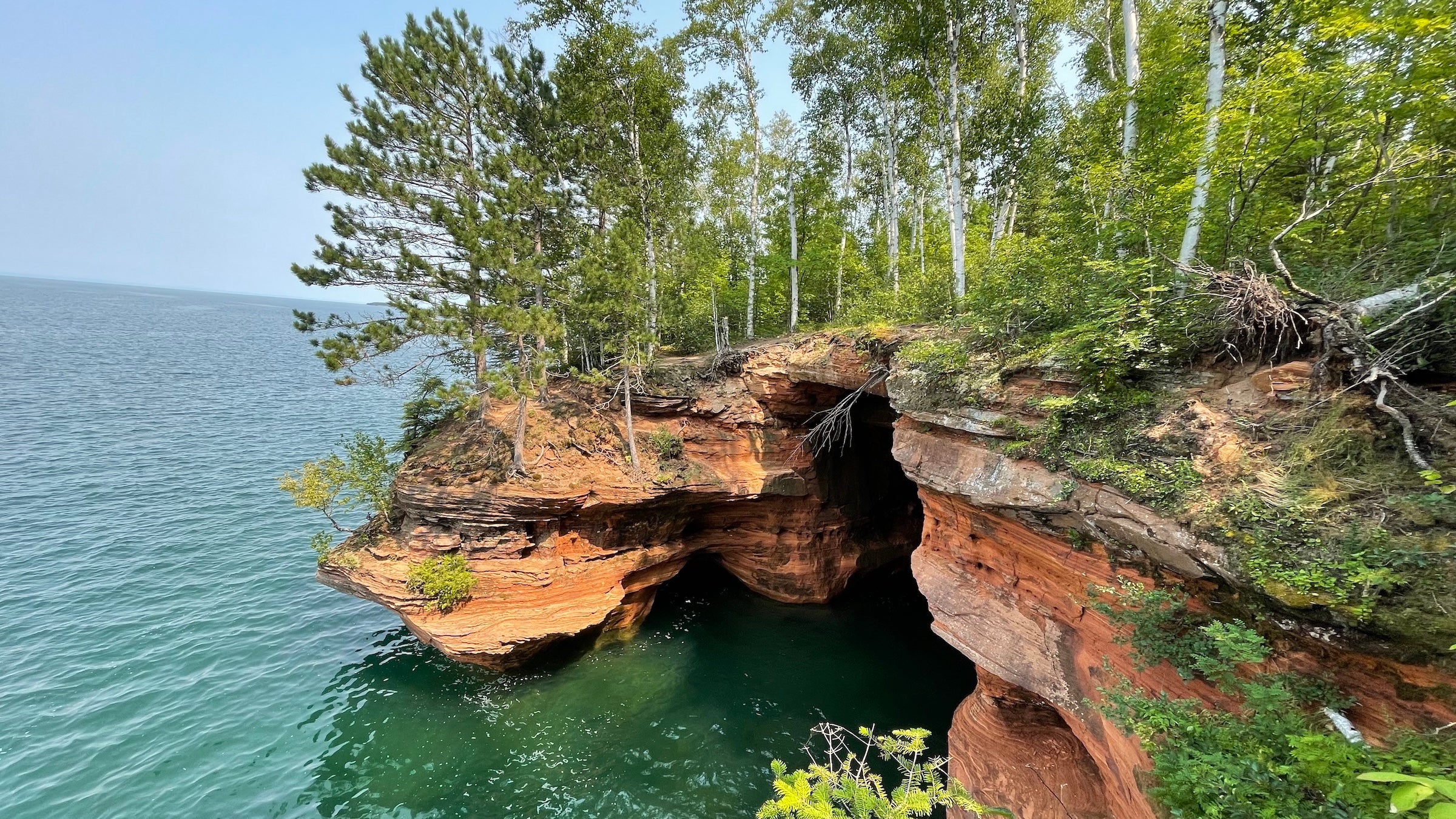
The "Bayfield Fruit Loop"—a collective of 13 farms and orchards—offers a unique, grounding form of agritourism. Picking berries and apples serves as a mindful, tactile practice. For the adventurous, kayaking around the Apostle Islands provides a perspective on the region’s sandstone arches and sea caves that is impossible to achieve from the shore. The Wild Rice Retreat offers a more structured approach, blending creative arts with yoga programming.
3. Whidbey Island, Washington: The Pacific Northwest Reset
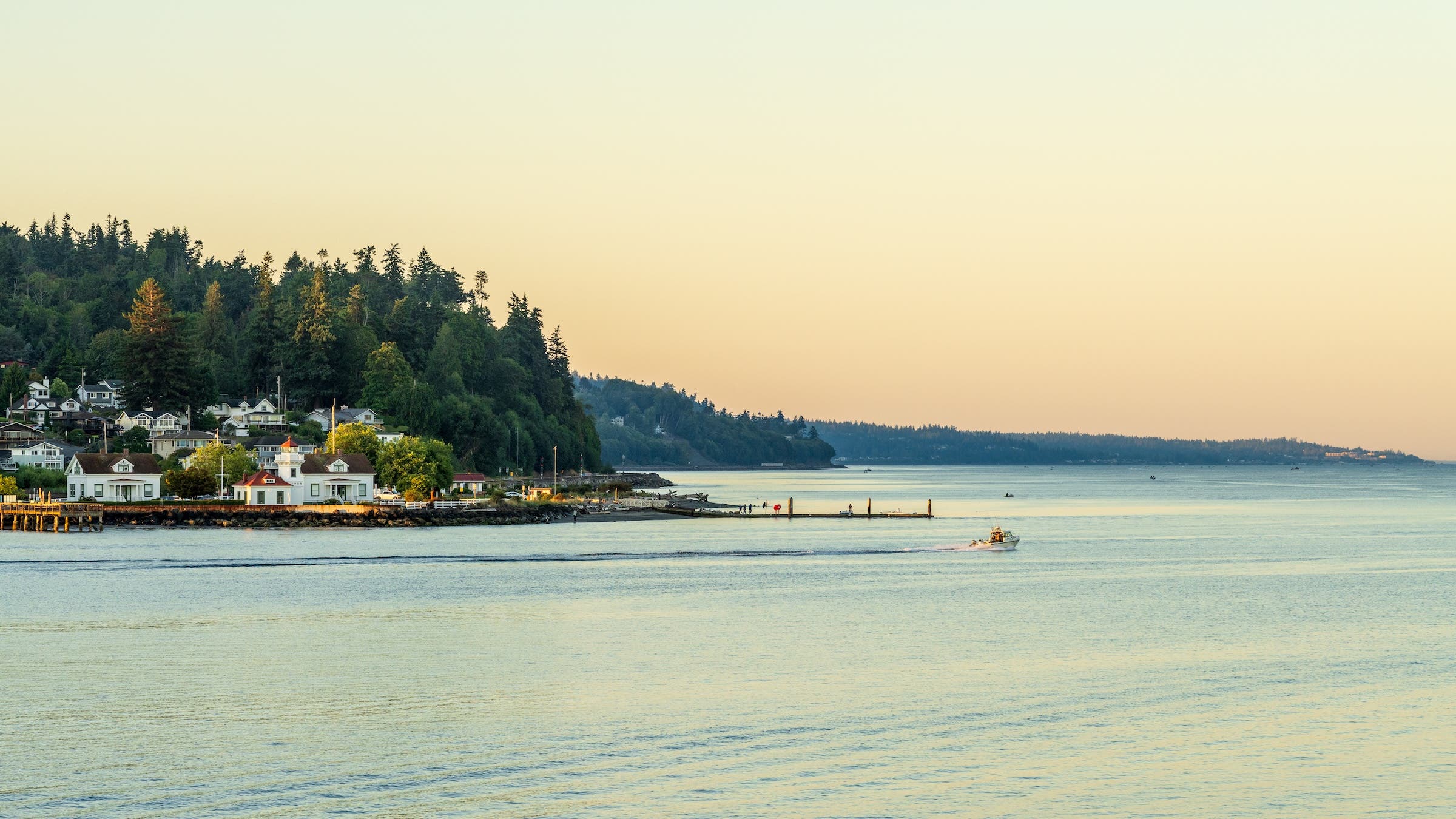
Whidbey Island represents the intersection of rugged coastal beauty and deep, meditative quiet. The island’s energy is notoriously slow, encouraging visitors to embrace the "mist and mood" of the Pacific Northwest.
The Experience
The Earth Sanctuary, a 72-acre nature reserve, is a centerpiece of the island’s wellness appeal. It features an array of spiritual installations, including labyrinths and stupas, designed to foster introspection. Hikers can traverse over 60 miles of trails, ranging from coastal bluffs at Deception Pass to deep, ancient-growth forest paths. It is a place designed for the traveler who needs to slow down their internal clock to match the rhythm of the tides.
4. Truth or Consequences, New Mexico: The Bohemian Oasis
Despite its dramatic name, "T or C," as it is known by locals, is perhaps the most laid-back destination on this list. Once known simply as "Hot Springs," the town retains a high concentration of geothermal mineral baths.
The Experience
The town exudes a "lost in time" atmosphere, where Wild West architecture meets a vibrant, bohemian artist community. The wellness here is informal; it is about floating in a private hot spring at sunset, looking out over the Chihuahuan Desert, or taking a quiet drift down the Rio Grande. The scarcity of high-speed, high-density development is its greatest asset, ensuring that the silence remains undisturbed.
5. Berkeley Springs, West Virginia: The Nation’s First Spa
Berkeley Springs, formerly known as Bath, holds the distinction of being the first spa destination in the United States. Its history is tied inextricably to the nation’s founding, with George Washington famously visiting the waters to treat his rheumatism.
The Experience
The mineral springs remain at a steady, restorative 74 degrees, perfect for a cooling soak after a day in the mountains. The region is heavily forested, making it a premier destination for those who prioritize forest bathing and mountain biking. With access to Cacapon Resort State Park and the Eidolon Nature Preserve, visitors can easily curate a week-long itinerary that balances deep-soaking in historic baths with rigorous, soul-clearing mountain treks.
Implications for the Future of Travel
The resurgence of these destinations signals a broader shift in the travel industry. As burnout rates climb, the value of "meaningful solitude" is being prioritized over the status-driven travel of the past.
The Economic Impact: By moving away from massive, branded wellness resorts, travelers are directly supporting local economies and small-scale, independent hospitality owners. This decentralization of the tourism dollar allows smaller towns to invest in their natural resources, creating a sustainable loop of preservation and visitation.
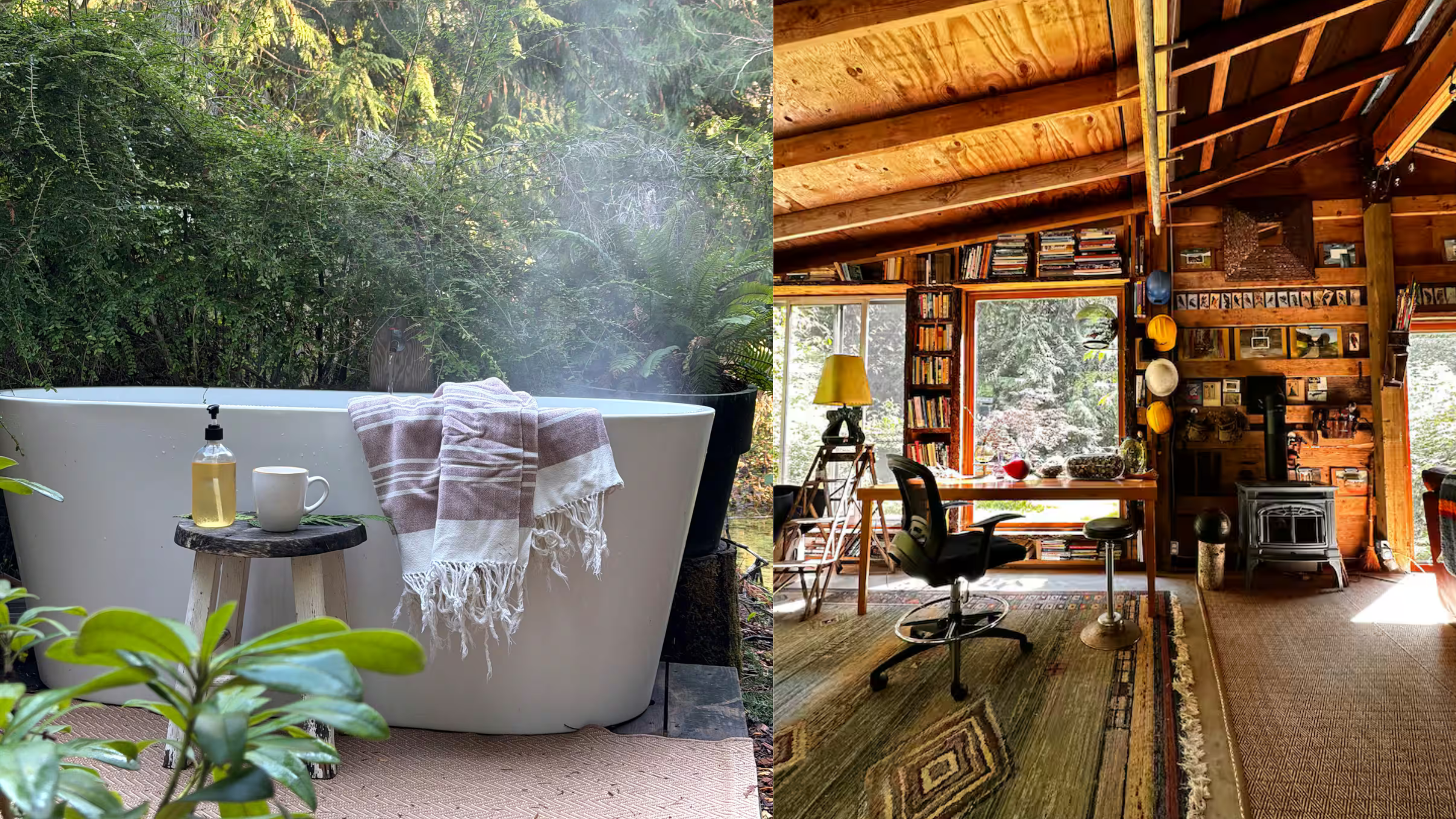
The Mental Health Shift: These destinations offer a tangible solution to "digital fatigue." The absence of crowds, the presence of water, and the historical gravity of these locations allow for a deeper psychological detachment from the stresses of professional and domestic life.
As we look toward the future, the "off the beaten path" wellness model appears to be the most viable way to maintain both the health of the traveler and the health of the environment. In choosing to visit these quiet corners, we are not just taking a vacation—we are reclaiming our right to silence, space, and a slower, more deliberate way of being.