





For decades, the standard prescription for weight loss has remained stubbornly consistent: "Eat less, move more." This mantra, while theoretically sound, has long been criticized by nutritionists and patients alike for its reliance on willpower, the psychological strain of calorie counting, and the persistent, nagging hunger that often accompanies restrictive dieting. However, a groundbreaking study published in JAMA Network Open is challenging this traditional paradigm, suggesting that the key to sustainable weight loss may not be the amount of food on your plate, but rather the composition of what you choose to eat.
According to new research, a low-fat vegan diet can reduce the energy density of a person’s daily intake by approximately 30%. This physiological shift allows individuals to consume fewer calories while maintaining—or even increasing—the physical volume of their meals, effectively eliminating the sensation of hunger that typically derails weight-loss efforts.
The Core Findings: Redefining Caloric Intake
The research, centered on a 16-week randomized clinical trial involving adults struggling with overweight, revealed that participants who transitioned to an ad libitum (eat-as-much-as-you-like) low-fat vegan diet experienced significant improvements in their weight-loss outcomes without being given a single instruction to restrict their portion sizes or count calories.
The study measured "dietary energy density"—a metric calculated by dividing the total daily energy intake (calories) by the total weight of food consumed (grams). By shifting their intake toward fruits, vegetables, grains, and legumes, participants naturally lowered the number of calories per gram of food. The data showed a direct correlation: the greater the reduction in energy density, the more significant the weight loss.
"This helps answer a question people often have about plant-based eating: How can you lose weight without counting calories or going hungry?" explains Dr. Hana Kahleova, director of clinical research at the Physicians Committee for Responsible Medicine and the lead author of the study. "The answer is energy density. Plant foods are rich in water and fiber, so you can fill your plate, feel full, and still take in fewer calories."
A Chronology of the Clinical Trial
To understand the significance of these results, one must look at the structure of the investigation. The study was designed to isolate the impact of food quality versus quantity.
Phase 1: Enrollment and Baseline Metrics
Researchers recruited a cohort of adults with overweight, ensuring the group was representative of a population that would typically seek out traditional weight-loss interventions. Baseline measurements were taken, including body mass index (BMI), resting metabolic rate, and, crucially, a detailed analysis of their current dietary energy density.
Phase 2: The Intervention Period
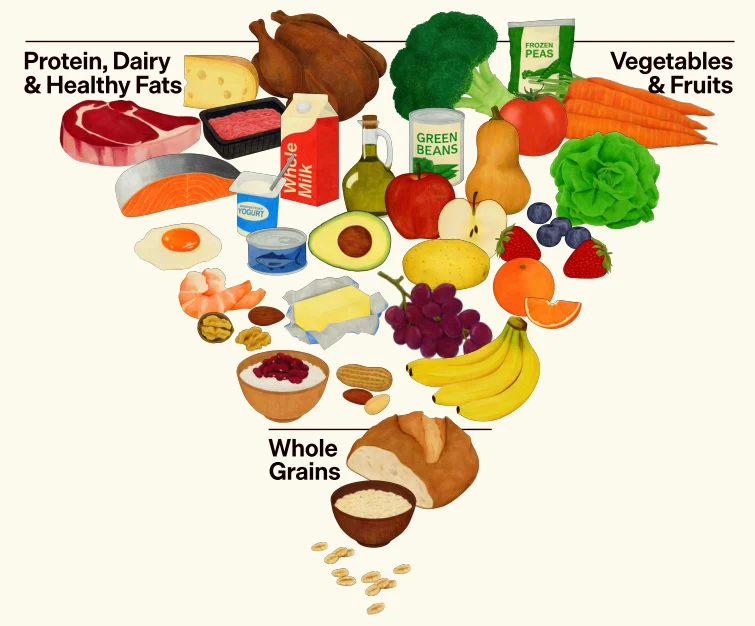
Participants were randomized into two groups. The intervention group adopted a low-fat vegan diet. This protocol explicitly prioritized whole, plant-based foods—fruits, vegetables, grains, and legumes—while eliminating meat, dairy, eggs, and added oils. Importantly, there were no calorie targets assigned.
The control group continued their usual diet, acting as a baseline for typical eating behaviors in a modern environment. For 16 weeks, both groups were monitored to track not only weight fluctuations but also the total weight of food consumed versus the energy content of that food.
Phase 3: Data Analysis and Results
Upon conclusion of the 16-week period, the researchers crunched the numbers. The findings were striking. While the control group saw minimal change in their dietary patterns, the intervention group demonstrated a substantial decrease in energy density. By removing high-calorie-density animal products and replacing them with high-volume, fiber-rich plant foods, the participants were eating more total food by weight, yet consuming significantly fewer total calories. This provided the "proof of concept" that "eating more to lose more" is not just a marketing slogan, but a measurable biological outcome.
Supporting Data: Why Energy Density Matters
The mechanism behind this weight loss lies in the body’s internal satiety signaling. Energy density refers to the concentration of calories in a specific weight of food. A stick of butter, for example, is extremely energy-dense; a large bowl of steamed broccoli is not.
When an individual consumes a meal, the stomach sends signals to the brain based largely on the physical distension—or "stretch"—of the stomach wall. By choosing foods with low energy density, individuals can physically fill their stomachs with a higher volume of food, triggering these satiety signals long before they reach a high caloric threshold.
The study’s data highlights several critical insights:
- The Fiber Factor: Plant-based foods are inherently high in fiber, which slows digestion and stabilizes blood sugar, further contributing to feelings of fullness.
- The Water Weight Advantage: Many fruits and vegetables are composed largely of water. This adds bulk to the meal without adding caloric content, effectively diluting the energy density of the entire diet.
- The "Willpower" Myth: By removing the need for portion control, the diet removes the psychological stress of restriction. The study suggests that when the environment is "pre-loaded" with low-density foods, the need for conscious effort and willpower diminishes significantly.
Official Perspectives: The Clinical Viewpoint
Dr. Kahleova and her colleagues emphasize that this research is not merely about diet trends; it is a serious clinical strategy for addressing the global obesity crisis. "This isn’t about willpower or smaller portions," Dr. Kahleova reiterates. "It’s about choosing foods that naturally deliver fewer calories in every bite. A 30% reduction in energy density is a substantial shift that would be very hard to achieve and sustain through portion control alone."
From a medical standpoint, this approach changes the narrative between doctor and patient. Instead of the doctor acting as an arbiter of restrictions, they become a guide for food selection. "From a clinical standpoint, targeting energy density offers a realistic strategy for weight loss," she says. "Instead of telling people to eat less, we can help them eat differently—and the results follow."
This shift in perspective is crucial for long-term patient compliance. Many traditional diets fail because they are "short-term fixes" that rely on temporary deprivation. Once the diet ends, the deprivation triggers a rebound effect. By focusing on food quality and volume, the low-fat vegan approach offers a template for a sustainable lifestyle rather than a temporary program.
The Broader Implications for Public Health
The implications of these findings extend far beyond the individual dieter. If the medical community shifts its focus toward dietary energy density, it could fundamentally change public health messaging.
Moving Beyond Calorie Counting
For decades, the "calorie in, calorie out" model has dominated the field. While scientifically accurate in a closed system, it is often practically useless for individuals living in a world of hyper-palatable, ultra-processed, and calorie-dense foods. By acknowledging that the type of calorie consumed affects satiety and hunger hormones (such as ghrelin and leptin), health professionals can provide more nuanced advice.
Addressing Food Deserts and Economic Barriers
One potential criticism of vegan diets is the perceived cost and accessibility of fresh produce. However, the study points to the inclusion of legumes and grains—some of the most affordable and shelf-stable foods on the planet—as cornerstones of the low-fat vegan diet. This makes the strategy not only effective but potentially equitable, provided that nutrition education is coupled with better access to these staples.
A New Tool for Chronic Disease Management
While the primary focus of the study was weight loss, the implications for chronic disease management are profound. Obesity is a primary driver of type 2 diabetes, cardiovascular disease, and certain cancers. A diet that is naturally low-fat and high-fiber is precisely the dietary profile recommended by many organizations to combat heart disease and insulin resistance. Therefore, the weight loss experienced by participants is likely just one benefit of a broader health-promoting intervention.
The Future of Dietary Research
As we look forward, the medical community will likely see a push for more longitudinal studies to determine if these habits hold up over several years. While 16 weeks provides a robust snapshot of initial weight loss, the true test of any dietary intervention is its "stickiness"—how well individuals adhere to the protocol when life gets busy, stressful, or unpredictable.
Furthermore, future research may explore how this approach can be tailored to different populations, including athletes, children, and those with specific metabolic conditions. The fundamental principle remains the same: human biology is designed to seek out satiety. When we satisfy our hunger with high-volume, low-density plant foods, our bodies naturally regulate their own energy intake.
Conclusion: A Sustainable Paradigm Shift
The findings from the JAMA Network Open study represent a significant turning point in nutritional science. By validating the efficacy of a low-fat vegan diet in reducing energy density, researchers have provided a viable, evidence-based alternative to the "eat less" dogma.
For those who have struggled with the cycle of restriction and hunger, the message is empowering: you don’t have to shrink your meals to shrink your waistline. By prioritizing the abundance of nature—vegetables, fruits, legumes, and grains—you can eat until you are satisfied, feel nourished, and lose weight as a natural byproduct of your food choices. It is a refreshing, sustainable, and scientifically sound path forward for anyone looking to reclaim their health.