










In the rolling pastures of Oxfordshire, a quiet revolution is taking place—not in a high-tech laboratory, but within the aging rooms of the Nettlebed Creamery. While artisan cheese has long been celebrated for its complex flavor profiles and culinary heritage, new research from the University of Reading suggests that these delicacies are more than just a gastronomic indulgence. Scientists have identified a thriving ecosystem of beneficial microbes within these cheeses, revealing that the very bacteria responsible for their distinct taste may offer tangible benefits to human digestive health.
The study, published in the journal ACS Food Science & Technology, marks a significant intersection between traditional food craftsmanship and advanced microbial science. By tracking the biochemical evolution of three distinct Oxfordshire cheeses, researchers have provided a compelling case for the "probiotic potential" of artisanal dairy.
The Chronology of Maturation: A Microbial Odyssey
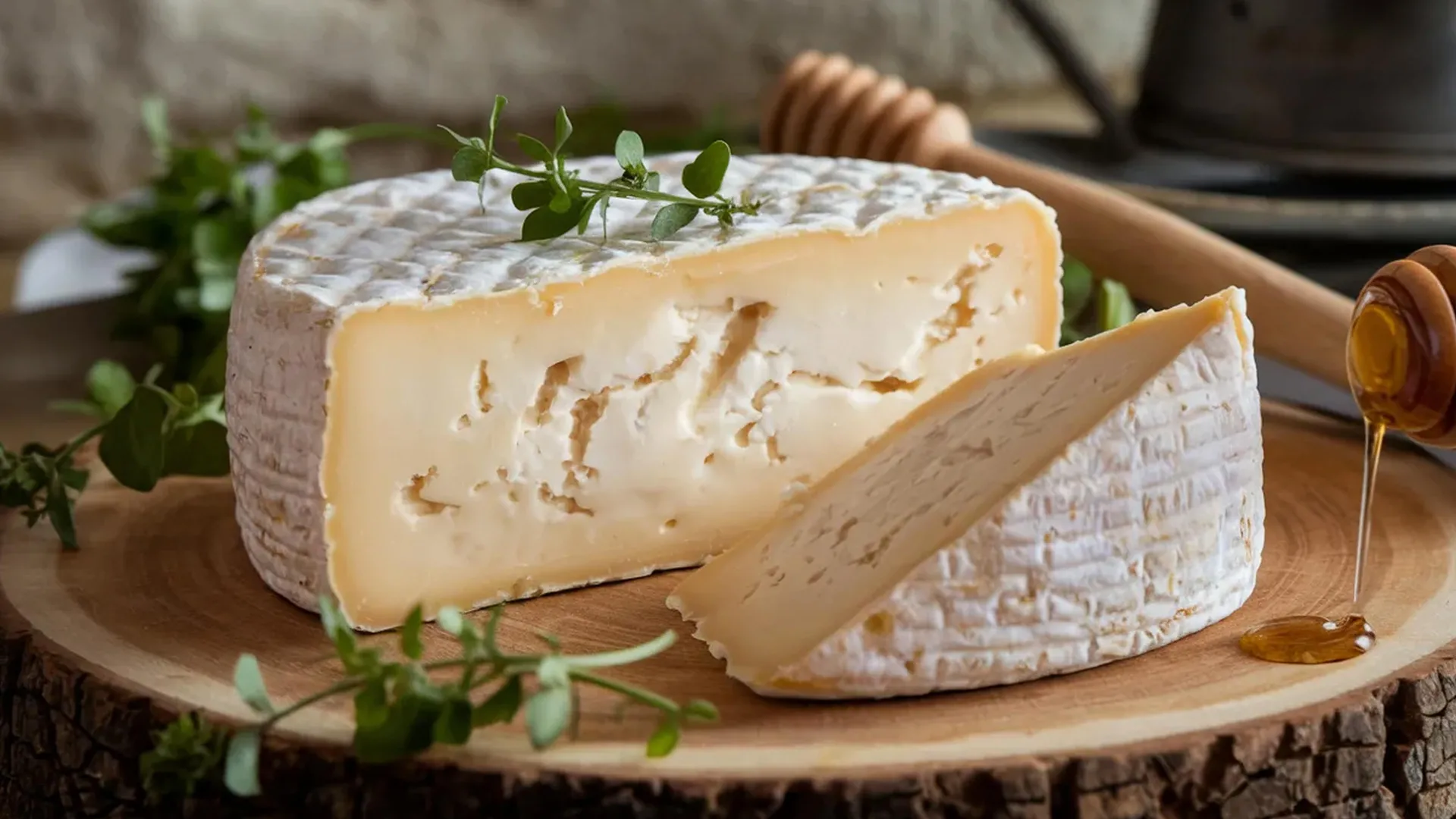
To understand how a simple curd transforms into a complex, flavorful wheel, researchers in the Food Microbial Sciences Unit at the University of Reading conducted a longitudinal study. They monitored three distinct varieties produced by Nettlebed Creamery, each representing a different aging trajectory: a soft white-rind cheese (aged for one week), a washed-rind semi-soft cheese (aged for several weeks), and a semi-hard cheese aged in hay for nine months.
The Early Stages: Establishing the Foundation
At the inception of the cheesemaking process, the microbial environment is relatively controlled. As the milk coagulates, specific starter cultures are introduced to initiate fermentation. During these initial weeks, the researchers noted the dominance of Streptococcus thermophilus, a robust bacterium commonly associated with yogurt production. In the early stages, these microbes are highly active, setting the stage for the textural development that defines the cheese’s future.
The Mid-Term Evolution: Diversification
As the washed-rind and semi-soft cheeses moved into their secondary aging phases, the microbial landscape shifted. The researchers detected the consistent presence of Lactococcus lactis across all varieties. This bacterium acts as a workhorse, continuing the acidification process that dictates the cheese’s structural integrity. Simultaneously, as the rind began to develop on the washed-variety, the introduction of Propionibacterium freudenreichii began to alter the chemical composition, contributing to the characteristic aroma and health-promoting fatty acids.
The Long-Term Transformation: The Hay-Aging Effect
Perhaps the most striking discovery occurred during the nine-month maturation of the hay-aged, semi-hard cheese. The researchers observed a radical increase in microbial diversity. By the time the cheese reached full maturity, it contained nearly four times as many bacterial species as it did during its infancy. This "microbial blooming" suggests that the hay-aging environment introduces external, beneficial flora that colonize the cheese, significantly enhancing its complexity and potentially its health-promoting properties.
Supporting Data: The Chemical Composition of Health
The study went beyond merely identifying species; it provided a detailed breakdown of how these bacteria transform raw milk into a functional food. The data reveals three primary health-related pillars: probiotic delivery, prebiotic enrichment, and lactose reduction.
Probiotics and the "Matrix Effect"
Lead author Sabrina Longley, a PhD researcher in the Department of Food and Nutritional Sciences at the University of Reading, emphasizes the importance of the "food matrix." She posits that the structural combination of fats and proteins found in artisan cheese acts as a protective shield for beneficial bacteria.
"The matrix of fats and proteins in the cheese may also help protect the bacteria as they travel along the digestive tract," Longley explains. "This makes cheese an excellent vehicle for the delivery of probiotics to the gut, ensuring that more of these helpful microbes survive the harsh acidic environment of the stomach to reach the intestines."
The Anti-Inflammatory Potential of Propionic Acid
For the washed-rind and hay-aged cheeses, the presence of Propionibacterium freudenreichii is a critical finding. This bacterium is responsible for the synthesis of propionic acid. Scientific literature has long associated propionic acid with several systemic health benefits, including:
- Anti-inflammatory pathways: Reducing systemic inflammation markers.
- Cholesterol modulation: Assisting in the regulation of cholesterol synthesis in the liver.
- Appetite regulation: Influencing metabolic signals that govern satiety.
The Prebiotic Power of the Rind
While many consumers discard the rind, this study suggests they may be throwing away a nutritional goldmine. The white mold Penicillium candidum, which creates the soft, velvety rind on the Nettlebed soft cheese, produces chitin. Chitin is a form of dietary fiber that functions as a prebiotic. Unlike probiotics, which are live bacteria, prebiotics are the "fuel" that feeds the existing beneficial bacteria in the human gut, encouraging a flourishing microbiome.
Official Responses and Researcher Perspectives
The study is unique in its collaborative nature. Sabrina Longley is not merely an academic; she is a cheesemaker at the Nettlebed Creamery itself. This dual perspective allowed for a highly granular analysis of the cheesemaking process, as the research was supported by a regional bursary from the University of Reading intended to bridge the gap between local industry and academic inquiry.
"Good cheese is delicious, and the artisan varieties we studied are full of microbial life that could have benefits to your gut health," says Longley. "The aging process creates more complex aromas and textures through the work of an army of helpful bacteria. We are seeing, in real-time, how traditional craft supports biological diversity."
The University of Reading’s Food Microbial Sciences Unit has lauded the study as a milestone in understanding the "microbiome of food." By mapping the bacterial communities at multiple stages of maturation, the research team has provided a blueprint for how other artisan producers might analyze their own products to maximize both flavor and health outcomes.
Implications for the Modern Diet
The findings have significant implications for two major areas of food science: dairy intolerance and the functional food movement.
A Solution for the Lactose-Sensitive
One of the most immediate takeaways from the study is the near-total absence of lactose in the matured cheeses. Many individuals who struggle with dairy sensitivity often avoid cheese entirely, yet this research confirms that the long-term fermentation process effectively "digests" the lactose.
"During fermentation, lactic acid bacteria broke down most of the lactose, leaving very little behind by the time the cheeses were ready to eat," the report notes. This suggests that fully matured, artisan-aged cheeses may be a viable inclusion in the diets of those who are mildly lactose intolerant, provided they choose varieties that have undergone a sufficient aging period.
Future Research: Moving from Laboratory to Gut
While the findings are promising, the researchers maintain a stance of rigorous scientific caution. Identifying bacteria in a lab-tested sample of cheese is one thing; observing their behavior within the human digestive tract is another.
"Further research—specifically in the form of dietary intervention trials—will be necessary to determine how these bacterial populations behave and change within the gut microbiota after the cheeses are consumed," the researchers stated. The next phase of this work will likely focus on whether these specific strains from Oxfordshire cheese can colonize the human gut or if they primarily provide transient, yet still beneficial, effects as they pass through the system.
Conclusion: Reclaiming the Value of Tradition
The research conducted at the University of Reading serves as a powerful validation of traditional food methods. In an era dominated by hyper-processed foods and sterile manufacturing, the "army of bacteria" identified in Nettlebed Creamery’s cheeses represents a return to a more holistic understanding of nutrition.
By analyzing the synergy between the aging environment—such as the unique conditions provided by hay-aging—and the resulting microbial profile, scientists are proving that the "artisan" label is not just about nostalgia. It is about a complex, biological process that fosters a healthier, more diverse food supply. As the team moves forward with clinical trials, the prospect of "functional" artisan cheese may well transition from an academic hypothesis to a staple of the health-conscious kitchen, proving that the most advanced nutritional discoveries are often found by looking back at the traditional crafts we have practiced for centuries.