










From the fast-paced scroll of TikTok to the bestseller lists of health gurus, few topics in modern nutrition have ignited as much controversy as "seed oils." Often labeled as "toxic sludge," "motor oil," or the "hateful eight," these cooking fats have become the latest target for those advocating for a return to ancestral eating. But is the vitriol justified, or are we witnessing another wave of nutritional alarmism?
To navigate this landscape, we must distinguish between the inflammatory language of social media and the nuanced, evidence-based reality of human physiology.
The Main Facts: What Are Seed Oils?
"Vegetable oils"—more accurately termed seed oils—are fats extracted from the seeds of various plants, including corn, soybeans, canola, sunflower, and safflower. While these oils are ubiquitous in the modern pantry, they are fundamentally different from "fruit oils" like olive, avocado, coconut, and palm, which are derived from the fleshy parts of plants.
The core of the debate lies in the manufacturing process. Unlike extra-virgin olive oil, which can be extracted through simple mechanical pressure, seed oils require a complex, multi-step industrial process. This typically involves high-heat pressing, chemical solvent extraction (often using hexane), refining, bleaching, and deodorizing. During these stages, heat-sensitive nutrients are often lost, and, depending on the conditions, trace amounts of trans fatty acids can be created.
A Chronological Perspective: From Innovation to Infamy
The emergence of vegetable oils in the human diet is a relatively recent phenomenon. For thousands of years, human fat consumption relied primarily on animal sources and simple fruit oils. The mass introduction of refined seed oils occurred during the 20th century, driven by food technology innovations that prioritized stability, shelf life, and low production costs.
As the processed food industry boomed, these oils became the invisible foundation of the modern diet, appearing in everything from salad dressings to ultra-processed snacks. The backlash began in earnest with the rise of the "carnivore" and "ancestral" diet movements, which argue that these oils are "evolutionarily inconsistent" with human biology. Proponents of this view suggest that because seed oils are a modern invention, they are inherently incompatible with our metabolic systems, allegedly driving a surge in chronic diseases like obesity, anxiety, depression, and autoimmune conditions.

Supporting Data: The Case for Nuance
To determine the truth, we must move beyond internet memes and look at the fatty acid profiles and processing impacts.
The Extra-Virgin Olive Oil (EVOO) Gold Standard
EVOO is widely regarded by nutrition scientists as the superior cooking fat. Rich in monounsaturated fatty acids (MUFAs) and loaded with polyphenols—compounds that combat inflammation—EVOO has the strongest body of clinical research in its favor. A study of 22,892 adults in Southern Italy found that those consuming more than two tablespoons of olive oil daily saw a 20 percent reduction in mortality over 13 years compared to those who consumed less.
Contrary to the long-standing myth that EVOO has a low "smoke point" and becomes toxic when heated, modern research suggests that its high concentration of stable fats and antioxidants makes it remarkably resilient under heat, outperforming many refined seed oils in stability tests.
The "Omega-6" Controversy
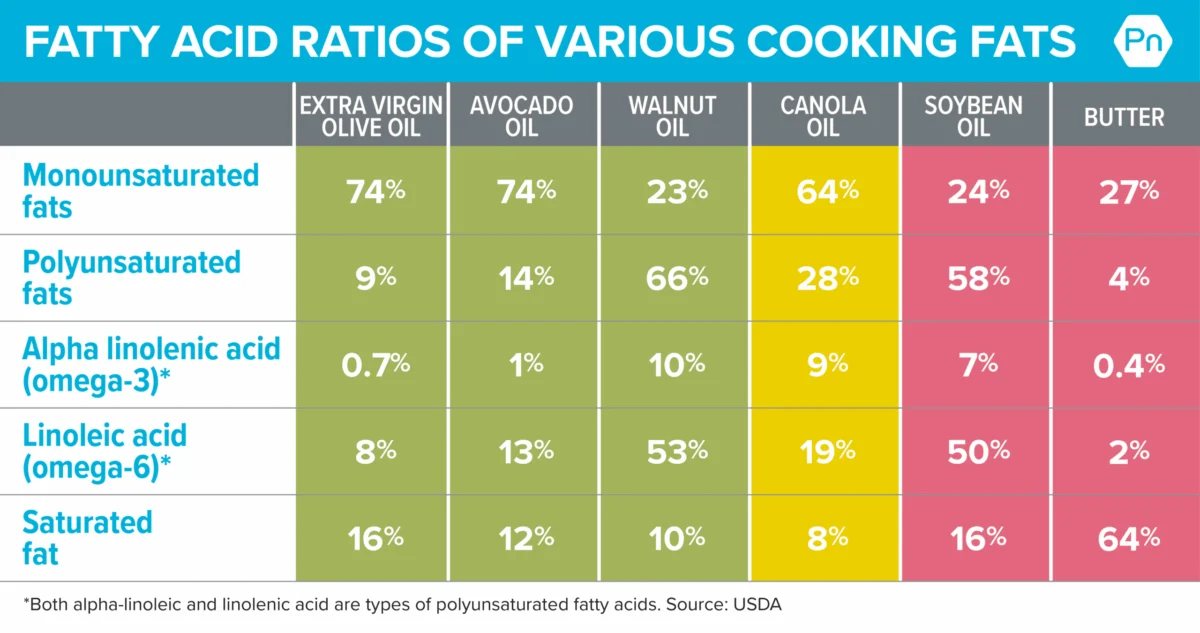
Much of the anti-seed oil sentiment centers on the high omega-6 fatty acid content of oils like soybean and corn. Some experts argue that the high ratio of omega-6 to omega-3 fats in the modern diet triggers systemic inflammation. However, the scientific community remains divided. Organizations like the American Heart Association have pointed to research suggesting that, when consumed as part of a whole-foods-rich diet, omega-6 fats are actually associated with a reduced risk of heart disease.
The critical distinction is the "matrix" of the food. Consuming omega-6 fats through whole foods like nuts and seeds—which arrive packaged with fiber, protein, and phytonutrients—is fundamentally different from consuming them via highly refined, oxidized oils stripped of all protective elements.
Official Responses and Clinical Implications
The Food and Drug Administration (FDA) and other global health bodies have taken a firm stance against the most dangerous byproduct of these oils: trans fats. In 2018, the FDA banned the addition of trans fats to processed foods, recognizing their clear link to heart disease.

However, official dietary guidelines still view refined seed oils as a better alternative to high-saturated-fat options like butter. While butter is less processed, it is high in saturated fat, which, when consumed in excess (typically beyond 10 percent of daily caloric intake), is clinically linked to elevated LDL cholesterol.
The Verdict on Butter vs. Refined Oil
The debate between butter and refined vegetable oil is essentially a draw, as both occupy a "limit your intake" category. Butter carries the risk of saturated fat, while refined vegetable oils carry the risk of oxidation and low nutritional density. The healthiest approach, according to leading nutrition experts, is to shift away from both as primary fat sources and instead prioritize whole-food fats.
Practical Implications for Your Diet
If you are looking to optimize your fat intake, consider these evidence-based strategies:
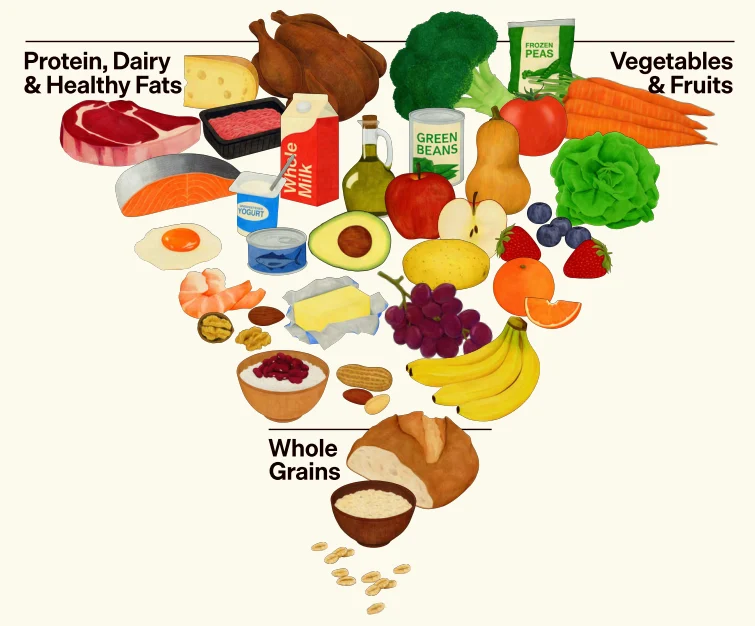
- Prioritize Whole Sources: Whenever possible, get your fats from avocados, olives, nuts, seeds, and fatty fish. These foods provide a complex, health-promoting nutritional profile that no bottle of oil can replicate.
- The "Eat More" Category: Make extra-virgin olive oil and avocado oil your primary choices for cooking and dressing. They are minimally processed and rich in protective compounds.
- The "Budget-Friendly" Runner-Up: For those who find EVOO cost-prohibitive, expeller-pressed canola oil is a viable, heart-healthy, and budget-friendly alternative. It is far less processed than standard refined oils.
- Audit Your Ultra-Processed Food Intake: The real problem for most people is not the tablespoon of oil used to roast vegetables at home, but the "invisible" oils found in ultra-processed foods. By capping your consumption of packaged snacks, fast food, and frozen dinners to about 20 percent of your total intake, you will naturally lower your exposure to oxidized, highly-refined oils.
- Avoid Deep-Fried Foods: Regardless of the oil type, deep-frying at high temperatures for extended periods degrades any fat and introduces harmful compounds. These should be an occasional treat rather than a dietary staple.
Conclusion: The Path Forward
The "toxic" label applied to all seed oils is a dramatic oversimplification that ignores the complexity of food processing and nutritional biochemistry. While it is true that modern diets are too reliant on highly processed, refined oils, the solution is not to live in fear of every bottle in the pantry.
Instead, the path to better health lies in a return to minimally processed, whole-food ingredients. When you base your diet on whole foods, the need to obsess over specific cooking oils naturally dissipates. Focus on the quality of your entire dietary pattern—prioritizing whole plants, lean proteins, and healthy fats—and you will find that your health outcomes improve, regardless of the occasional splash of canola or pat of butter.
Ultimately, nutrition is not a zero-sum game played out in viral videos; it is a long-term, cumulative practice of choosing foods that support your body’s longevity.