In the modern urban landscape, the sun setting no longer signals the arrival of true darkness. From the relentless glow of streetlamps and neon signage to the pervasive blue light emitted by personal electronic devices, the 21st-century human exists in a state of perpetual illumination. While the benefits of 24-hour connectivity and public safety lighting are often lauded, a growing body of scientific inquiry is beginning to illuminate a darker side to this artificial brilliance.
A preliminary analysis, slated for presentation at the American Heart Association’s (AHA) Scientific Sessions 2025 in New Orleans, suggests that the glow of our cities may be doing more than just obscuring the stars—it may be actively undermining our cardiovascular health. By mapping brain stress signals and vascular inflammation against satellite-based light data, researchers have uncovered a potential biological pathway that links nighttime light pollution to an increased risk of heart disease.
The Intersection of Light and Biology: Main Facts
The study, which examined 450 adults, posits that artificial light at night (ALAN) is a significant environmental stressor. Unlike air or noise pollution, which have been studied extensively for their roles in heart disease, light pollution has historically been viewed as a minor environmental nuisance.
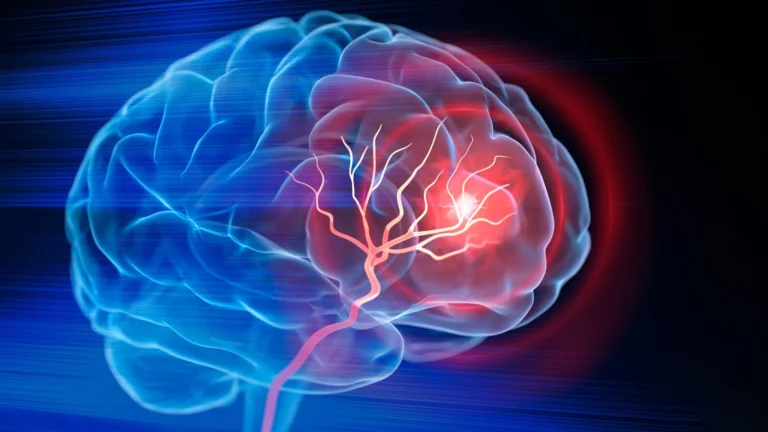
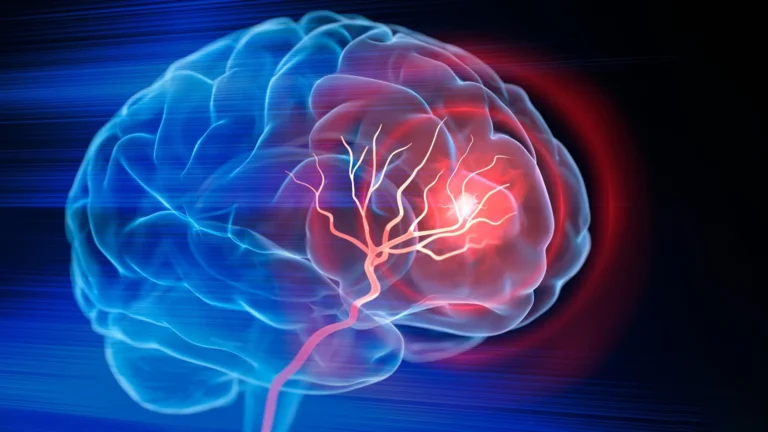
However, the findings presented by researchers from Massachusetts General Hospital and Harvard Medical School suggest that the body’s internal systems perceive nighttime light as a disruption to homeostasis. When individuals are exposed to higher levels of light at night, the brain appears to register a stress response. This response, in turn, triggers systemic inflammation that impacts the blood vessels.
The researchers identified a nearly linear relationship between the intensity of light exposure and the severity of these cardiovascular markers. As exposure increases, so too does the evidence of arterial hardening—a precursor to heart attacks and strokes. This is the first study of its kind to combine advanced PET/CT imaging with satellite-derived light exposure data to delineate this specific physiological chain reaction.
A Timeline of Scientific Discovery
The realization that light impacts human health is not entirely new, but the clinical focus on the heart is a recent development.
- Pre-2020s: Scientific consensus largely centered on light’s role in suppressing melatonin and disrupting sleep-wake cycles, with minimal focus on direct cardiovascular pathology.
- October 28, 2024: The American Heart Association issued a landmark scientific statement on the Role of Circadian Health in Cardiometabolic Health. This statement officially recognized light pollution as a major factor in body clock disruption and flagged it as a risk factor for cardiovascular disease.
- November 2025: The upcoming AHA Scientific Sessions in New Orleans will serve as the venue for the public debut of this new, comprehensive analysis. This event will provide a platform for experts to debate the implications of these findings and discuss how they fit into the broader narrative of environmental cardiology.
Methodology and Supporting Data
The strength of this research lies in its technological approach. By utilizing PET/CT scans—typically used for identifying cancer or metabolic issues—the researchers were able to look "under the hood" of their 450 participants.
The Mechanics of the Scan
The PET portion of the scan allows for the measurement of metabolic activity, revealing where the brain is under stress. The CT portion provides the anatomical roadmap, allowing doctors to visualize the health of the arteries. By overlaying this data with satellite measurements of the light levels at the participants’ homes, the team was able to create a correlation map between environmental light and internal vascular inflammation.
Key Observations
- Linear Risk: The study observed that even modest increases in nighttime light exposure corresponded with measurable increases in brain and artery stress.
- The Stress Pathway: The research team posits that when the brain perceives light at night, it activates neural pathways associated with stress. This activation triggers an immune response, leading to inflammation within the arteries.
- Exclusion Criteria: To ensure the data was not skewed by existing conditions, the study strictly limited its participant pool to adults who had no history of heart disease and no active cancer, creating a cleaner baseline for observing environmental impacts.
Perspectives from the Field: Official Responses
The implications of these findings have drawn commentary from leaders in sleep medicine and cardiovascular health.
Dr. Shady Abohashem, the study’s senior author and head of cardiac PET/CT imaging trials at Massachusetts General Hospital, emphasizes that while the results are significant, they are an invitation for further study. "We know that environmental factors, such as air and noise pollution, can lead to heart disease by affecting our nerves and blood vessels through stress," Dr. Abohashem noted. "Light pollution is very common; however, we don’t know much about how it affects the heart."
Dr. Julio Fernandez-Mendoza, a professor of psychiatry, neuroscience, and public health sciences at Pennsylvania State University and a member of the AHA’s committee on sleep health, views this research as a vital piece of a larger puzzle. "We know too much exposure to artificial light at night can harm your health, particularly increasing the risk of heart disease," he stated. "This study has investigated one of several possible causes, which is how our brains respond to stress."
Both experts agree that the findings elevate light pollution from an aesthetic or ecological concern to a legitimate public health priority.
Practical Implications and Mitigation Strategies
If our environment is indeed contributing to cardiovascular stress, what can be done? The researchers suggest a two-pronged approach: systemic policy changes and individual behavioral adjustments.
Urban Planning and Policy
Cities have the power to mitigate the "sky glow" that permeates residential areas. Potential strategies include:
- Shielding: Retrofitting streetlights to direct illumination downward, preventing "light spill" into residential windows.
- Smart Infrastructure: Implementing motion-sensitive lighting that remains dim or off until needed, significantly reducing the total volume of light exposure during deep-sleep hours.
- Spectrum Management: Moving away from blue-rich LED street lighting toward warmer, lower-intensity light sources that are less disruptive to circadian rhythms.
Individual Action
On a personal level, the researchers offer several actionable tips to reclaim the night:
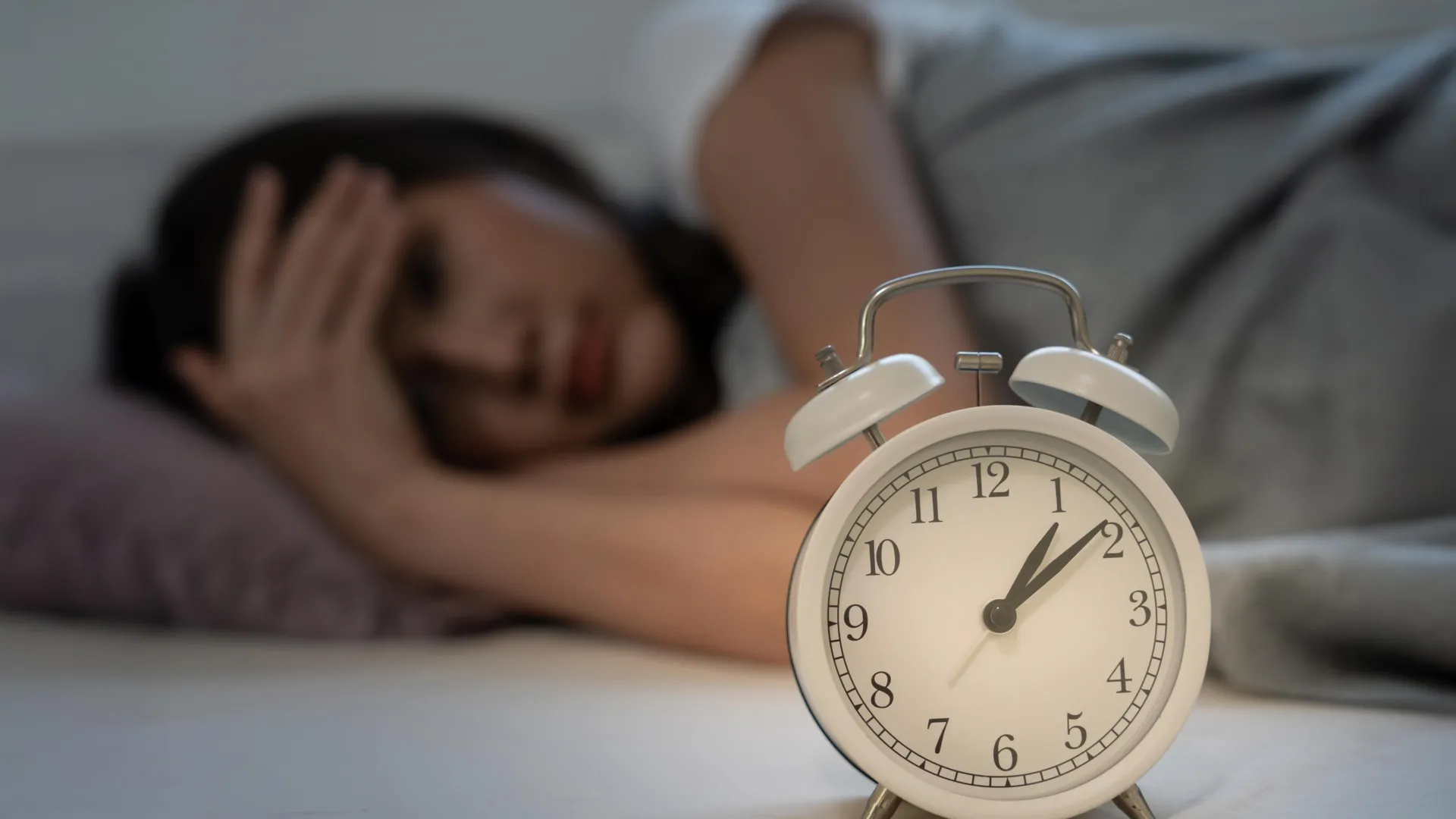
- Bedroom Hygiene: Investing in blackout curtains or high-quality sleep masks to ensure total darkness during rest.
- Digital Curfew: Avoiding screens—such as smartphones, tablets, and televisions—in the hour before sleep, as these devices emit light that tricks the brain into remaining in a state of high alert.
- Light Temperature: Using "night mode" settings on electronic devices to reduce blue light emission if evening use is unavoidable.
A Note of Caution: Limitations and Future Directions
As with any preliminary research, the findings must be interpreted with nuance. The authors acknowledge that this was an observational study based on existing data, which precludes the establishment of a direct cause-and-effect relationship. Correlation, while strong, does not definitively prove causation in the clinical sense.
Furthermore, the participant pool was limited to a single hospital system, meaning the results may not be generalizable to the broader, more diverse global population. Future research will be required to see if these findings hold true across different socioeconomic groups, geographic locations, and lifestyles.
Additionally, as the AHA notes, abstracts presented at scientific meetings are preliminary. They have not yet undergone the rigorous peer-review process required for publication in a full medical journal. The scientific community will be watching closely as this study moves toward formal publication.
Conclusion: The Need for "Darkness" in Public Health
The evidence presented for the 2025 Scientific Sessions suggests that we may be entering an era where "environmental health" includes the quality of the darkness we inhabit. If light exposure is indeed a driver of brain-to-vessel stress, then the pursuit of a darker night is not merely a matter of convenience or stargazing—it is a matter of cardiovascular survival.
As urban density continues to increase, the challenge for policymakers will be to balance safety, commerce, and the biological needs of the human heart. The path forward involves both the macro-level redesign of our cities and the micro-level management of our bedrooms. In the meantime, as researchers continue to refine our understanding of this light-stress-heart nexus, the message to the public remains clear: for the sake of your heart, it is time to turn out the lights.