






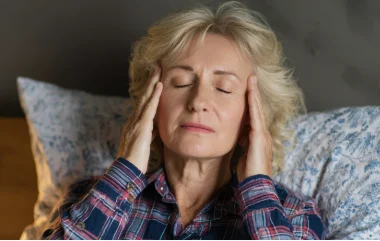
Sleep is the cornerstone of human health, acting as the physiological bedrock upon which our physical, cognitive, and emotional well-being is constructed. Yet, for millions of women entering the menopausal transition, the restorative sanctuary of a full night’s sleep is increasingly becoming a luxury rather than a routine. As hormone levels fluctuate and the body recalibrates, the biological rhythm of rest is frequently shattered, leading to a profound impact on quality of life.
Main Facts: The Menopausal Sleep Disruption
The menopausal transition—a period of significant endocrine change—is frequently accompanied by a suite of sleep disturbances that can range from mild annoyance to debilitating insomnia. Data provided by the American Academy of Sleep Medicine (AASM) highlights a stark reality: for the vast majority of women aged 45 to 64, sleep is no longer a given.
The symptoms are as varied as they are disruptive. Over one-third of women in this age bracket report frequent nighttime awakenings, while an almost equal percentage struggle with the physiological siege of night sweats and hot flashes—vasomotor symptoms that effectively force the body out of deep, restorative sleep stages. Beyond these, a significant portion of the population reports lingering daytime fatigue and the persistent frustration of sleep-onset insomnia. Alarmingly, only 6% of women report that their sleep patterns remain unchanged during this life stage, suggesting that sleep degradation is a near-universal experience during menopause.
Chronology: The Progressive Erosion of Rest
The disruption of sleep during menopause does not occur in a vacuum; it is often the culmination of a lifelong trajectory. Research indicates that sleep architecture is often shaped by habits and health conditions developed long before the onset of perimenopause.
- Pre-Menopausal Foundation: Women who reported poor sleep quality or undiagnosed sleep disorders in their 30s and early 40s are statistically more likely to suffer from chronic insomnia during the menopausal transition. The foundation for resilience—or vulnerability—is laid years in advance.
- The Perimenopausal Shift: As hormone levels begin to fluctuate, the body’s thermoregulatory system becomes increasingly sensitive. This is the period where the first "telltale" signs appear: minor temperature fluctuations at night, increased light sensitivity, and the onset of mood-related anxiety that can keep the mind racing at 3:00 AM.
- The Menopausal Transition: At this stage, the decline in estrogen and progesterone directly impacts the central nervous system. Estrogen, in particular, has been linked to the regulation of body temperature and the maintenance of sleep-wake cycles. Its withdrawal often leaves the body’s internal thermostat volatile, leading to the "night sweats" that characterize this phase.
- Post-Menopause and Chronic Adjustment: Following the final menstrual period, the body attempts to reach a new homeostatic equilibrium. However, without intervention, the sleep disturbances developed during the transition can solidify into chronic conditions, posing risks that extend well beyond mere tiredness.
Supporting Data: By the Numbers
The statistical evidence regarding the scale of this issue is compelling and demands attention from both patients and healthcare providers. According to the American Academy of Sleep Medicine:
- 37% of women aged 45–64 experience frequent nighttime waking.
- 35% suffer from sleep-interrupting night sweats or hot flashes.
- 29% report significant daytime fatigue, impacting their professional and personal productivity.
- 27% struggle with difficulty falling asleep (sleep-onset latency).
- 40% to 60% of all menopausal women report clinical levels of sleep disturbance.
Furthermore, these numbers correlate with a broader public health concern: only about 70% of American women currently meet the recommended seven-hour-per-night sleep guideline. The remaining 30% are operating in a state of chronic sleep debt, which compounds the existing stressors of middle age.
Official Responses and Clinical Perspectives
Medical experts and organizations such as the American Heart Association (AHA) and the AASM have moved to categorize sleep as a vital sign—a metric as important as blood pressure or heart rate. The consensus among clinicians is clear: sleep deprivation during menopause is not a "rite of passage" to be endured, but a medical issue that warrants proactive management.
The clinical response focuses on a two-pronged approach: screening and intervention. Physicians are increasingly being trained to ask not just about hot flashes, but about sleep quality, mood stability, and cognitive fog. By treating sleep as a priority rather than a secondary symptom, providers can offer a range of solutions, from lifestyle adjustments—such as Cognitive Behavioral Therapy for Insomnia (CBT-I)—to hormonal and non-hormonal medical therapies.
The Long-Term Implications: Beyond Tiredness
The implications of chronic sleep loss during menopause are not merely limited to feeling "groggy." The physiological consequences are systemic.
Cardiovascular Health
The most concerning link identified in recent research is between poor sleep and heart health. During and after menopause, the protective effects of estrogen on the cardiovascular system diminish. When this is coupled with chronic sleep disruption, the risk of heart disease and stroke rises significantly. Poor sleep is linked to elevated blood pressure, systemic inflammation, and metabolic dysregulation—all of which act as catalysts for cardiovascular events.
Cognitive and Emotional Toll
Sleep is essential for memory consolidation and emotional regulation. During the menopausal transition, women often report "brain fog" or decreased concentration. While some of this is attributed to hormonal shifts, sleep deprivation acts as a primary amplifier. When the brain is denied adequate REM and deep-sleep cycles, the ability to manage stress, regulate mood, and focus on complex tasks is severely compromised. This can lead to a feedback loop where anxiety about sleep leads to further insomnia, further increasing psychological distress.
Strategies for Reclamation: Improving Sleep Quality
While the challenges are significant, they are not insurmountable. Experts advocate for a structured, evidence-based approach to reclaiming rest:
- Environmental Optimization: Keeping the bedroom cool, dark, and quiet is paramount. Given the prevalence of night sweats, moisture-wicking bedding and layered sleepwear can mitigate the physical discomfort of temperature spikes.
- Behavioral Hygiene: Maintaining a consistent wake-up time, even on weekends, helps stabilize the circadian rhythm. Limiting blue light exposure from screens in the hour before bed is essential to allow for natural melatonin production.
- CBT-I (Cognitive Behavioral Therapy for Insomnia): This is the gold-standard, non-pharmacological treatment for sleep issues. It helps address the psychological "anxiety of not sleeping" and retrains the brain to associate the bed with rest rather than frustration.
- Seeking Professional Guidance: If lifestyle changes are insufficient, it is time to consult a sleep specialist. Treatments such as hormone replacement therapy (HRT) or non-hormonal medications specifically designed to target vasomotor symptoms can provide the physiological stability needed to achieve deep sleep.
Conclusion: A Call to Prioritize Rest
The prevailing narrative that menopause must be a period of inevitable decline is shifting. By acknowledging that sleep is a fundamental pillar of health, women can transition through this life stage with greater resilience. Whether through minor adjustments to evening routines or seeking clinical intervention for persistent insomnia, the message from the medical community is consistent: you do not have to "just live with it."
Prioritizing sleep during menopause is an investment in long-term health, protecting the heart, the brain, and the spirit against the rigors of aging. By turning the spotlight on this "silent" crisis, we empower women to take control of their well-being and ensure that this stage of life is defined not by exhaustion, but by renewed vitality.