Published August 17, 2026
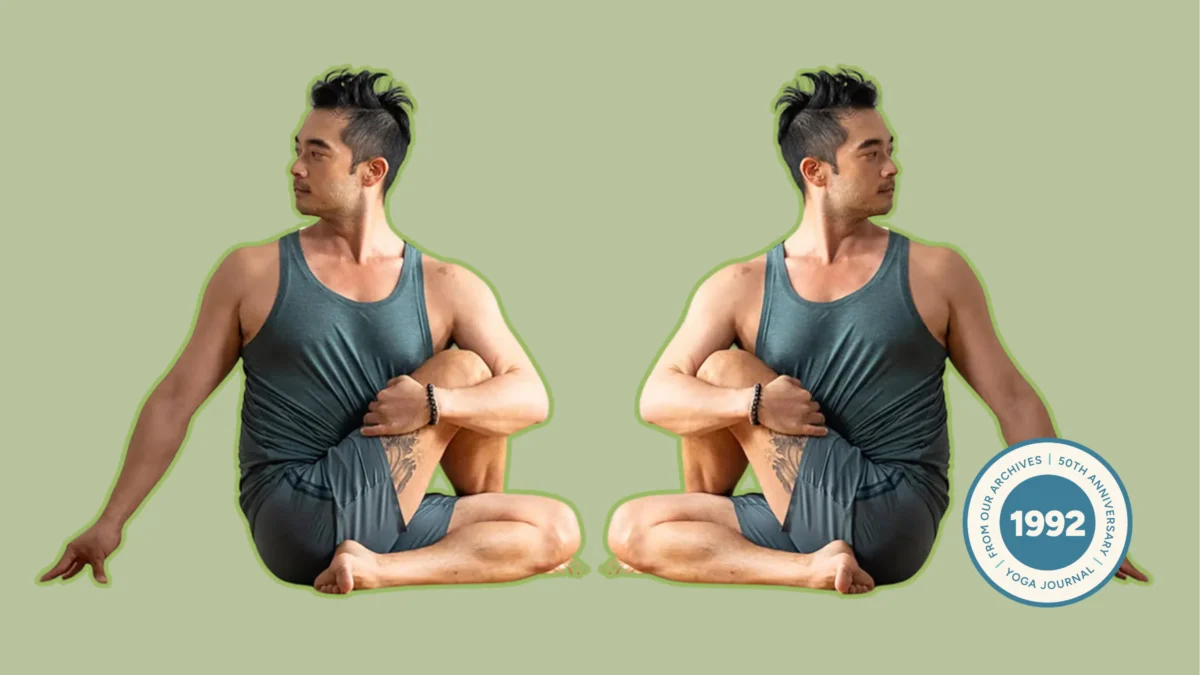
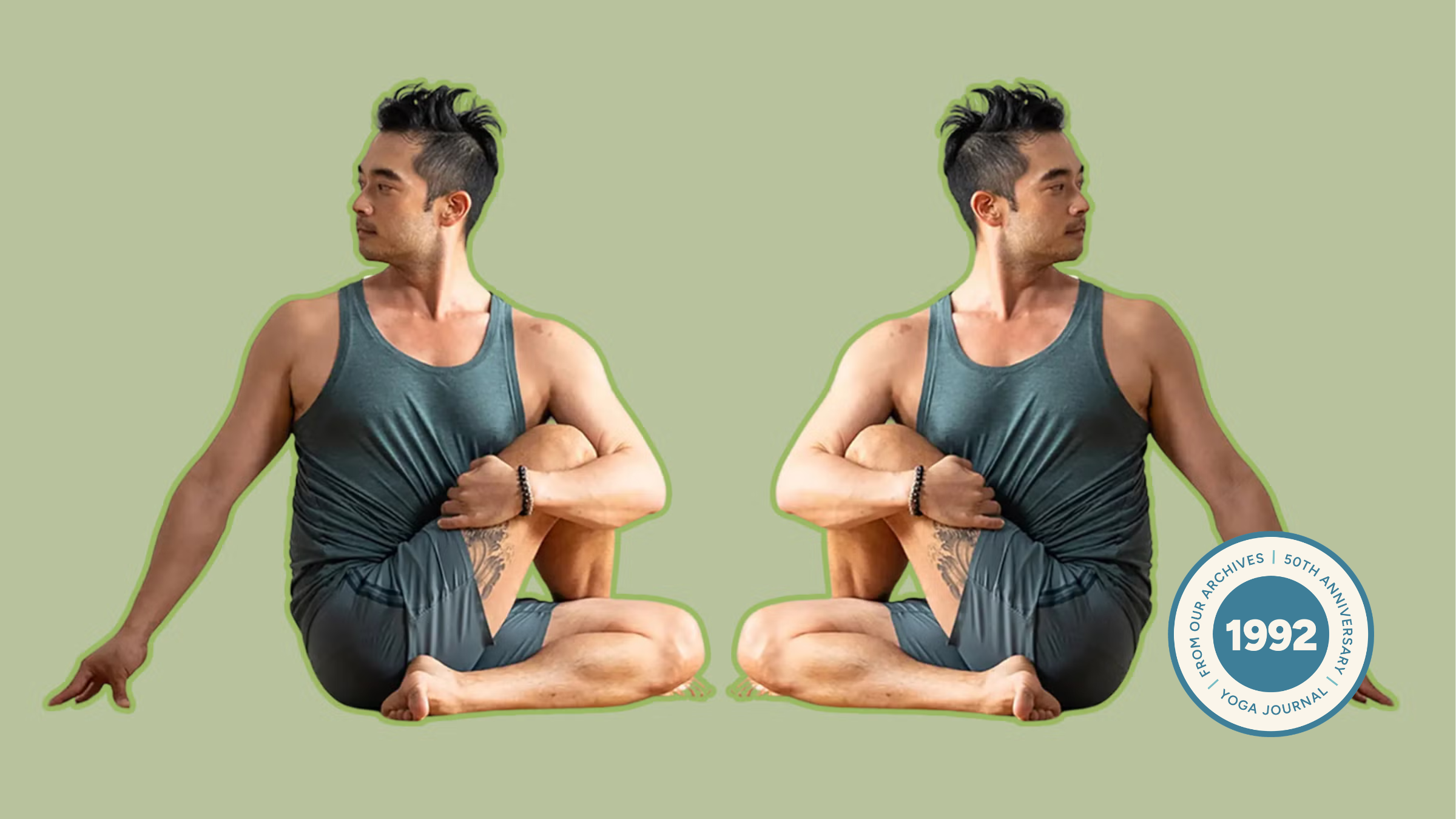
In the modern landscape of yoga, where aesthetic perfection often eclipses internal mechanics, returning to the fundamentals serves as a necessary corrective. Among the most complex and transformative postures in the Hatha repertoire is Ardha Matsyendrasana I (Lord of the Fishes Pose). A classic seated spinal twist, it is frequently misunderstood and incorrectly executed by practitioners who prioritize upper-body torque over pelvic stability.
This article, originally appearing in the May-June 1992 issue of Yoga Journal, remains a cornerstone of alignment-based practice. By examining the interplay between gravity, internal space, and the subtle mechanics of the lower abdomen, we can unlock the true therapeutic potential of this foundational twist.
The Chronology of Awareness: From Surface to Core
Yoga is, at its essence, an investigation of the relationship between the unbounded space—both external and internal—and the human form. Our experience of the outer world is mediated by the physical effects of gravity. As the renowned movement theorist Ida Rolf famously declared, "The gravitational field of the Earth is easily the most potent physical influence in any human life."
In our practice of Hatha yoga, we learn not to be defeated by the forces of gravity, but to harness them as a tool for structural integration. While we often take the same configuration of the body and simply position it differently in space, the experience of each pose is unique because gravity exerts its influence differently in each orientation.
When we shift our focus from the external mechanics—stretching muscles and balancing limbs—to the internal dynamics of the body, we enter a different realm of practice. By systematically releasing tension and creating internal space, we make contact with a source of energy that is simultaneously expansive and self-contained. Achieving this state in Ardha Matsyendrasana requires a chronological progression: beginning with the stabilization of the base, moving through supported preparations, and finally arriving at the full expression of the pose.
Supporting Data: The Mechanics of the Seated Twist
The primary technical error in most seated twists is the tendency to initiate the rotation from the upper abdomen. Practitioners often squeeze the diaphragm and contract the rib cage, creating a "false" twist that sacrifices the integrity of the lumbar spine.
To correct this, the preparatory exercises outlined below utilize props—specifically chairs and walls—to broaden the base of the lower abdomen. By stabilizing the pelvis, the spine is permitted to grow from its foundation. When the base is secure, the diaphragm remains soft and wide, allowing for a deeper, more therapeutic rotation that originates from the pelvic basin.
1. The Sage’s Pose (Marichyasana III) Preparation
Using a chair as a tactile guide, place it against a wall to ensure stability. Sit on the floor with your right side against the chair seat, legs in Dandasana (Staff Pose), elevated on a bolster. Bend your right knee, keeping the shin vertical. As you turn toward the chair, extend your left arm to the back of the seat. By leaning back and lifting the lower abdomen out of the pelvic basin, you learn to initiate the twist from the base of the spine rather than the chest.
2. Lord of the Fishes with Chair Support
Building on the previous exercise, bring your left foot under your buttocks. The goal is to balance the pelvis squarely over the arch of the left foot. By placing the outer right thigh against the chair, you create a physical barrier that prevents the torso from collapsing. This supported variation allows the practitioner to "drop away" from the extended arm, using the chair as a lever to lift the spine while keeping the diaphragm broad.
3. Wall-Assisted Alignment
For many, the inner groin presents a major obstacle to a full, deep twist. Using a wall for support, sit 12–15 inches away. As you cross your right leg over, use your hands to draw the right thigh toward the torso. If gripping sensations occur in the groin, a rolled facecloth placed deep in the hip crease can provide the necessary space. Pressing your right hand into the wall at shoulder height provides the leverage required to turn the rib cage, ensuring that the movement is centered on the pelvis rather than the shoulders.
Official Guidance: Achieving the Full Expression
When the practitioner arrives at the full Ardha Matsyendrasana, the gross movements of the outer body become restricted. In this locked position, the practitioner must emulate the "fish"—abandoning reliance on the limbs to move with the subtle currents of the inner body.
Key Technical Adjustments for the Full Pose:
- Pelvic Stability: Shift the weight forward onto the right foot, balancing over the arch.
- Shoulder Girdle Integration: Ensure the head of the humerus remains centered in the shoulder joint. If it presses forward, movement is restricted. Ease the bone back to broaden the collarbones.
- The Abdominal Lift: Do not allow the lower abdominal muscles to pull too heavily toward the side of the twist, which can cause the sacrum to collapse. Instead, roll the front hipbone toward the thigh to stabilize the pelvis.
Implications: The Harmony of Inner and Outer
The ultimate goal of Ardha Matsyendrasana is not merely the attainment of a shape, but the synthesis of two seemingly contradictory forces. When the outer body is worked too aggressively, the practitioner risks rigidity, muscle tears, and joint strain. Conversely, focusing solely on the "inner body" while disregarding alignment leads to a lack of structural support and potential physiological disturbance.
The ideal practice achieves a state of "dynamic equilibrium." The outer body acts as the scaffolding, providing the necessary support and stability, while the inner body provides the release, the lightness, and the expansiveness of space.
The Practitioner’s Checklist for Integration:
- Breath: Keep the diaphragm wide and the breath soft throughout the duration of the hold.
- Stillness: Once the depth of the twist is established, allow the pelvis to remain perfectly still. The movement must occur from within.
- Non-Attachment: Avoid the temptation to force the limbs into a bind. The "lock" of the arms is a consequence of the twist, not a prerequisite for it.
Conclusion: Beyond the Pose
As we look back at the teachings from 1992, the relevance of this methodical approach to Ardha Matsyendrasana has only grown. In an era where practitioners are often rushed toward advanced, high-visibility postures, the discipline of the seated twist reminds us that the most profound changes in yoga do not happen on the surface. They occur in the quiet, internal spaces where we learn to balance the structural demands of the physical world with the expansive potential of our own inner energy.
By treating the body as a laboratory of gravity and space, the practitioner moves beyond the limitations of the "outer" self. When the distinction between inner and outer ceases to exist, the pose is no longer a physical challenge to be overcome, but a state of being to be inhabited. Whether you are a novice or a seasoned yogi, revisiting these fundamental mechanics ensures that your practice remains a sustainable, life-affirming journey into the core of your own anatomy.