









The landscape of modern adolescence has undergone a seismic shift over the last decade, leaving parents and educators grappling with a mental health crisis of unprecedented proportions. While the "moody teenager" has been a cultural archetype for generations, recent clinical data suggests that today’s youth are facing struggles that far exceed the boundaries of typical developmental growing pains. As the prevalence of diagnosed mental and behavioral health conditions continues to climb, the distinction between a "difficult phase" and a clinical necessity for therapy has become the most critical question in contemporary parenting.
Main Facts: The Scale of the Adolescent Mental Health Crisis
Recent reports indicate a profound escalation in the psychological distress experienced by teenagers. Between 2016 and 2023, the rate of diagnosed mental, emotional, or behavioral health conditions among adolescents in the United States surged by 35%. This is not merely a reflection of better diagnostic tools or increased awareness, but a signal of a deepening well of distress.
Currently, anxiety, depression, and behavioral disorders represent the most frequently diagnosed conditions in the 12-to-17 age demographic. Perhaps most startling is the depth of this emotional burden: approximately 40% of teenagers now report persistent feelings of sadness or hopelessness—emotions so pervasive they interfere with their ability to engage in regular activities like schoolwork, sports, or social life.
The primary challenge for parents lies in identification. Because the adolescent brain is in a state of rapid flux, symptoms of clinical depression or anxiety often masquerade as "normal" teenage rebellion, lethargy, or academic disinterest. However, experts warn that the cost of misidentifying these signals is high, as early intervention remains the single most effective predictor of long-term recovery and emotional resilience.
Chronology: How We Reached the Breaking Point
To understand the current state of teen mental health, one must look at the timeline of the last eight years. The 35% increase in diagnoses between 2016 and 2023 correlates with several societal and technological shifts.
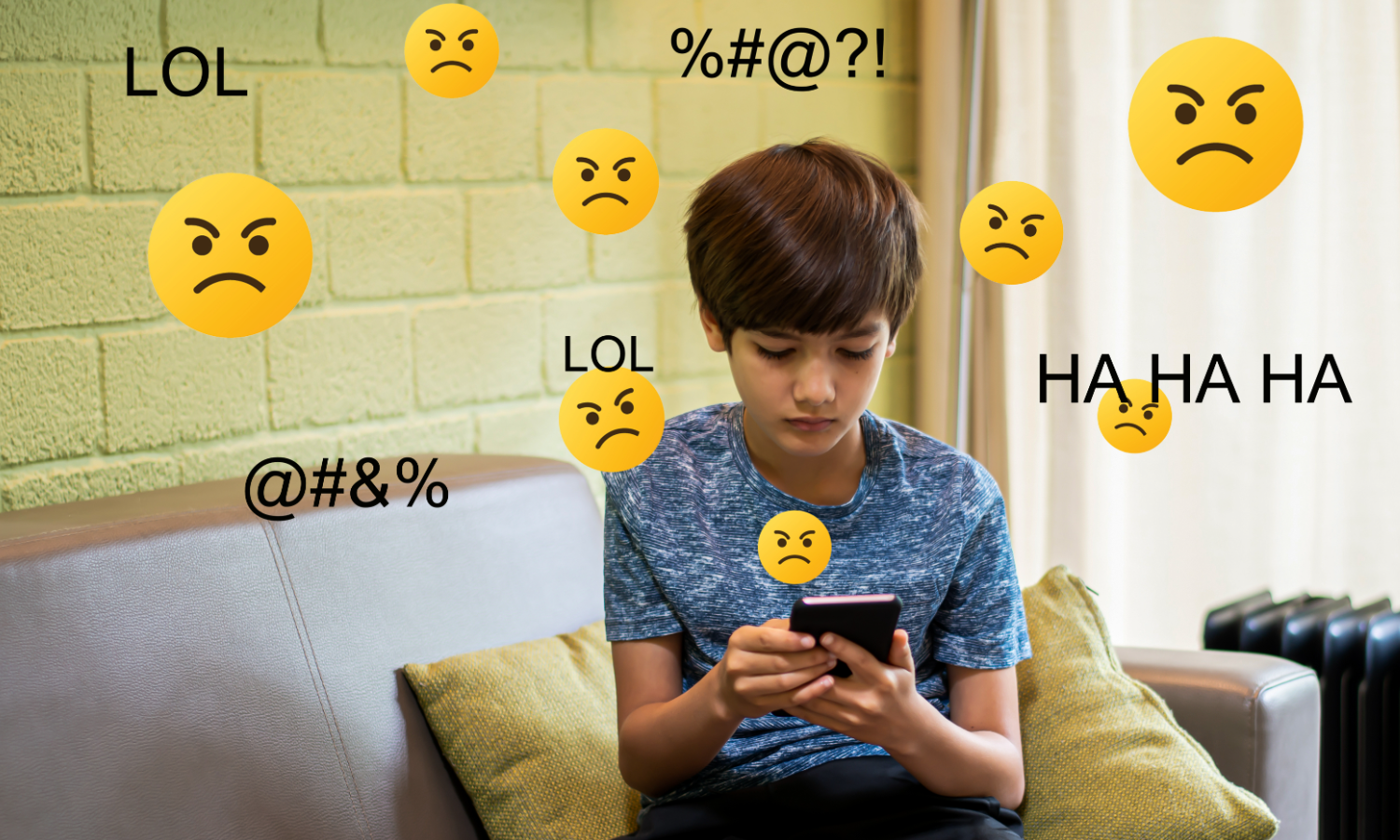
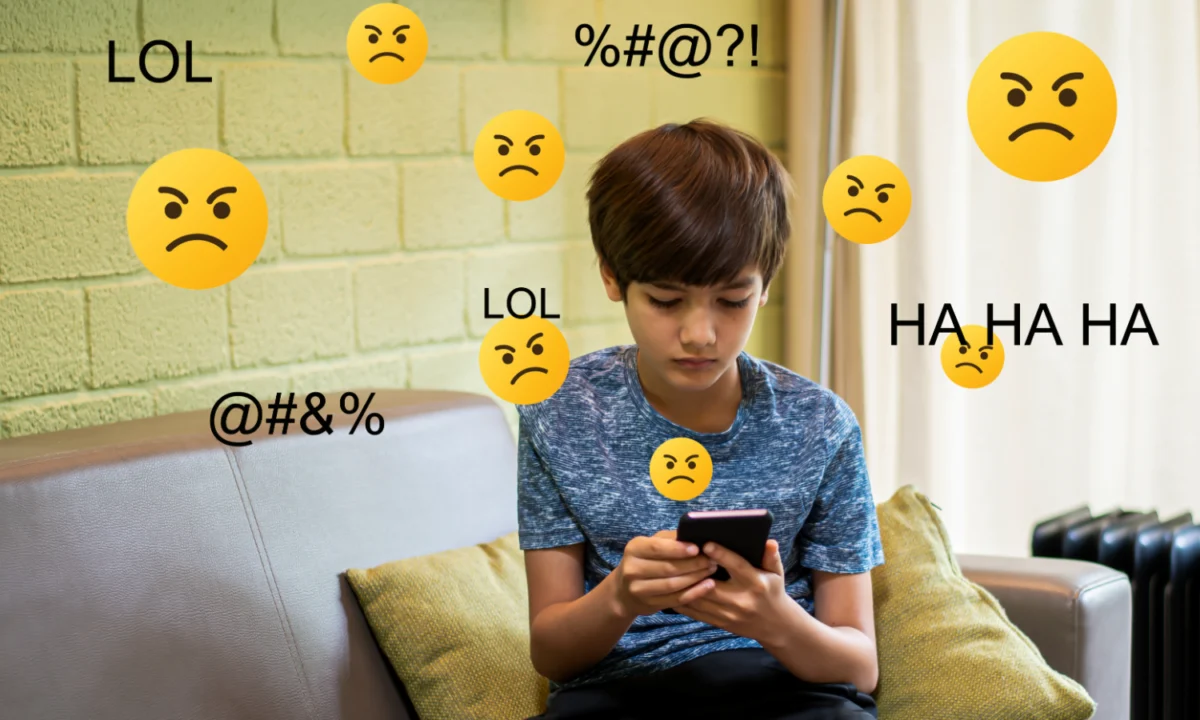
- 2016–2019: The Digital Saturation: This period saw the total integration of social media into the social fabric of teenage life. The "always-on" nature of digital interaction introduced new vectors for cyberbullying, social comparison, and sleep deprivation, laying the groundwork for increased anxiety.
- 2020–2022: The Pandemic Disruption: The COVID-19 pandemic acted as a catalyst. The loss of traditional milestones (graduations, proms, sports seasons) and the sudden imposition of social isolation occurred at a developmental stage where peer connection is neurologically essential. This era saw a spike in "undiagnosed" conditions as access to traditional school-based counseling was severed.
- 2023–Present: The "New Normal" and the Recognition Phase: As the world returned to a semblance of order, the residual effects of prolonged isolation and academic pressure became undeniable. The current era is defined by a massive influx of families seeking help, leading to a strained mental health infrastructure but also a significant reduction in the stigma surrounding therapy.
Supporting Data: Identifying the Red Flags
Clinical psychologists emphasize that while every teenager is unique, there are five definitive "warning signs" that suggest a need for professional intervention. These are not isolated incidents but patterns that persist over time.
1. Persistent Emotional Shifts
While mood swings are a hallmark of puberty, the keyword for parents is persistence. If a teenager exhibits sadness, irritability, or intense anxiety for more than two consecutive weeks, it often indicates an underlying clinical issue. With 40% of teens reporting chronic hopelessness, the transition from "a bad day" to "a bad month" is the most significant indicator that the child’s internal coping mechanisms are overwhelmed.
2. Behavioral and Academic Volatility
A sudden, unexplained drop in grades is rarely just about laziness. It is often a symptom of executive dysfunction caused by depression or the distracting weight of anxiety. Similarly, significant changes in sleep patterns (insomnia or oversleeping) and eating habits serve as physical manifestations of psychological distress.
3. Social Anhedonia and Isolation
Adolescence is naturally a time of pulling away from parents to lean into peer groups. However, if a teen pulls away from everyone—including their closest friends—and loses interest in hobbies they once loved (anhedonia), it is a major red flag. This retreat into isolation is often a defense mechanism against the exhaustion of "performing" happiness.
4. Somatization: The Physical Expression of Pain
Mental health does not always present as an emotional problem. Many teenagers experience "somatization," where psychological stress manifests as physical ailments. Frequent headaches, chronic stomach aches, and fatigue that have no clear medical cause are often the body’s way of signaling a mental health emergency.
5. Risky Behaviors and Self-Harm
The most urgent sign for therapy is the presence of self-harm or the escalation of risky behaviors, such as substance abuse. These are often misguided attempts at "self-medication" to numb emotional pain. Data suggests that self-harm behaviors can become habit-forming, requiring professional specialized care to break the cycle and ensure safety.
Official Responses: The Expert Perspective on Therapy
The clinical community has responded to this crisis by reframing the role of therapy. Leading mental health organizations argue that therapy should no longer be viewed as a "last resort" for a crisis, but rather as "preventative maintenance" for the developing mind.
Experts from organizations like GoodTherapy emphasize the importance of the "Therapeutic Alliance." Research consistently shows that for teenagers, the relationship with the therapist is more important than the specific modality of treatment (such as CBT or DBT). Because adolescents are in a stage of seeking autonomy, a therapist who provides a "third-party" safe space—away from the judgment of parents or the social pressures of peers—can be transformative.
Furthermore, professionals are increasingly advocating for a "Family-Centered" approach. While the teen needs a private space, the most successful outcomes occur when parents are involved in the process, learning how to adjust the home environment to support the teen’s progress. The official stance is clear: Therapy is an act of parental compassion, not a sign of parental failure.
Implications: Starting the Conversation and Choosing the Right Path
The implications of ignoring these warning signs are severe, potentially leading to chronic adult mental health struggles, diminished career prospects, and strained familial relationships. Conversely, the benefits of early intervention include the development of emotional intelligence, better stress management, and improved communication skills.
How to Initiate the Dialogue
The transition into therapy begins with a conversation. Experts suggest four pillars for this discussion:
- Timing: Approach the topic during a moment of calm, not during a heated argument or immediately after a poor report card.
- Observation Over Labeling: Instead of saying, "You’re depressed," try, "I’ve noticed you haven’t been hanging out with your friends lately, and I’m worried about how you’re feeling."
- Agency: Offer the teenager choices. Let them look at therapist profiles online or choose between virtual or in-person sessions. Giving them a sense of control reduces defensiveness.
- Confidentiality: Reassure them that therapy is a private space. Understanding that their secrets won’t be immediately reported back to their parents (unless there is a safety risk) is often the only way a teen will agree to participate.
Selecting the Right Specialist
Not all therapy is equal. The adolescent brain is neurologically distinct—it is undergoing a "pruning" process of neural connections and is highly sensitive to dopamine and oxytocin. Therefore, parents should seek providers who specialize specifically in adolescent development.

A qualified teen therapist should demonstrate:
- Adaptive Methods: They should use a mix of talk therapy, creative outlets, or even gamified approaches to keep the teen engaged.
- Specialized Training: Look for Licensed Marriage and Family Therapists (LMFTs) or Clinical Psychologists with a focus on youth.
- Cultural Competency: They must understand the digital and social world the teen inhabits.
Conclusion: A Call to Action
In 2023, nearly 80% of children aged 12 to 17 who were identified as needing mental health treatment received professional support. This high percentage suggests that the stigma is fading, and families are increasingly prioritizing emotional well-being.
Seeking therapy for a teenager is an investment in their future adult self. It provides them with a toolkit to navigate a world that is increasingly complex and demanding. For parents, the message is simple: You do not have to have all the answers. Recognizing that your child needs more than love and encouragement—that they need professional expertise—is one of the most profound acts of parenting available in the modern age.
If you recognize these signs in your child, the first step is to reach out. Whether through a pediatrician, a school counselor, or a specialized directory like GoodTherapy, the path to healing is built on the courage to start the conversation today.
If you or your teen are in immediate distress, please contact the 988 Suicide & Crisis Lifeline by calling or texting 988 in the US and Canada, or contact your local emergency services. Help is available 24/7.