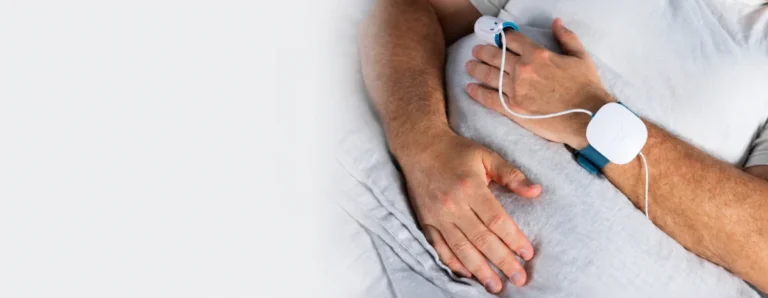
For decades, the medical community has categorized sleep as a fundamental pillar of health, sitting alongside nutrition and physical activity as a prerequisite for longevity. Yet, a pervasive cultural stigma—and perhaps a lingering misunderstanding of sleep’s physiological necessity—has relegated it to an afterthought in the doctor’s office. Despite overwhelming evidence linking sleep to almost every major system in the human body, a staggering 45% of adults have never once discussed their sleep habits with a healthcare professional.
This silence is not merely a missed opportunity for rest; it is a public health blind spot. As we move further into the 21st century, the consequences of this communication gap are becoming impossible to ignore.
Main Facts: The Silent Epidemic of Exhaustion
Sleep is the body’s primary engine for repair, cognitive restoration, and emotional regulation. When we sleep, the brain cleanses itself of metabolic waste, the heart rate stabilizes, and the immune system fortifies its defenses. Conversely, when sleep is chronically interrupted or shortened, the body enters a state of persistent stress.
According to the American Academy of Sleep Medicine (AASM), healthy sleep is defined by four core metrics: duration, quality, timing, and regularity, all occurring in the absence of sleep disorders. The gold standard for adults is consistently obtaining seven or more hours of sleep per night. However, current data suggests that nearly one-third of American adults are failing to meet this threshold.
Perhaps most concerning is the demographic disparity in these discussions. Women, who statistically report higher levels of insomnia and sleep-related disturbances, are ironically less likely to initiate a conversation with their primary care physician about these issues than men. This gap in clinical advocacy means that millions of individuals are suffering from undiagnosed sleep apnea, insomnia, and circadian rhythm disorders, leaving them at elevated risk for chronic illness.
Chronology: From Ignored Symptom to Clinical Priority
The trajectory of sleep medicine has shifted dramatically over the last thirty years. In the late 20th century, sleep issues were often dismissed as "lifestyle problems"—a byproduct of a busy schedule that the patient simply had to "tough out."
- The Early 2000s: Researchers began to map the connection between sleep deprivation and metabolic health, identifying a clear link between lack of sleep and the rise of Type 2 diabetes.
- The 2010s: The rise of wearable health technology brought sleep data into the home. Patients began arriving at appointments with sleep-tracking apps, yet physicians often lacked the standardized protocols to integrate this self-reported data into diagnostic practice.
- 2025–Present: The post-pandemic era has ushered in a renewed focus on holistic wellness. Healthcare organizations are now emphasizing "preventative sleep medicine," recognizing that waiting for a patient to collapse from exhaustion or suffer a cardiovascular event is a failure of the current medical model.
Supporting Data: The Cost of the Wakeful Life
The clinical data surrounding sleep deprivation is sobering. Insufficient sleep is not merely about feeling tired; it is a catalyst for severe pathology.
Cardiovascular and Metabolic Risks
Chronic sleep deficiency is a known precursor to hypertension, coronary heart disease, and stroke. When the body is deprived of deep, restorative sleep, blood pressure remains elevated, and the cardiovascular system is denied its nightly "reset." Furthermore, sleep deprivation disrupts the hormones that regulate hunger—ghrelin and leptin—often leading to weight gain and the development of metabolic syndrome.
Cognitive and Mental Health
The psychological implications are equally profound. The brain requires rapid eye movement (REM) sleep to process emotions and consolidate memories. A deficit here is inextricably linked to increased rates of depression and anxiety. For the aging population, sleep hygiene is now considered a key factor in mitigating cognitive decline and the onset of neurodegenerative conditions.
Public Safety
Beyond the individual, there is a societal cost. Daytime sleepiness—a direct symptom of poor nighttime rest—is a leading cause of workplace errors and motor vehicle accidents. The "micro-sleeps" that occur behind the wheel or at a desk are silent killers, responsible for thousands of preventable tragedies annually.
Official Perspectives: The AASM Call to Action
The American Academy of Sleep Medicine (AASM) has taken a proactive stance, urging both patients and providers to break the cycle of silence. Their position is clear: sleep must be a vital sign, just as important as blood pressure or pulse.
In their recent survey, the AASM highlighted that the reluctance to discuss sleep is often rooted in the patient’s fear of being told to simply "go to bed earlier." However, experts argue that this oversimplification ignores the prevalence of sleep disorders. "If a patient complains of a chronic cough, we investigate. If they complain of constant exhaustion, we must investigate with the same clinical rigor," notes one lead researcher.
The medical establishment is now advocating for the use of "sleep diaries" and standardized sleep quizzes as a first-line diagnostic tool. By documenting wake times, nap durations, and subjective feelings of restfulness, patients provide clinicians with the longitudinal data necessary to differentiate between poor sleep hygiene and a clinical sleep disorder.
Implications: The Path Toward Restorative Change
The implications of ignoring this issue are systemic. If we continue to view sleep as a luxury rather than a necessity, we will continue to see a rise in the comorbidities of modern life. However, the path forward is actionable and within reach.
The Role of Lifestyle Adjustments
For many, the road to better sleep begins at home. Adopting strict sleep hygiene—limiting caffeine consumption to the morning hours, creating a dark and cool sleeping environment, and curbing the use of blue-light-emitting devices before bed—can produce significant improvements. The elimination of irregular napping patterns helps consolidate sleep, reinforcing the body’s internal clock.
When to Seek Clinical Intervention
Lifestyle changes are not a panacea for all. Disorders such as obstructive sleep apnea (OSA) or chronic insomnia require professional intervention. In these cases, the role of the physician is to determine the underlying mechanism of the sleep failure.
Modern medicine offers sophisticated solutions, ranging from cognitive behavioral therapy for insomnia (CBT-I) to CPAP (continuous positive airway pressure) therapy. These treatments are highly effective, yet they remain underutilized due to low diagnostic rates. An AASM-accredited sleep center provides the gold standard of care, offering nocturnal polysomnography—a comprehensive study of sleep cycles—to get to the root of the problem.
Starting the Conversation
The most significant barrier to treatment is often the initial inquiry. Many patients feel their exhaustion is not "serious enough" to warrant a doctor’s visit. Experts advise that if sleep does not feel restorative, or if daytime fatigue is interfering with daily life, it is a clinical indicator that demands attention.
One does not need to be a sleep scientist to initiate this conversation. Simple, direct communication is the most effective approach. Phrases such as, "I feel like I’m sleeping, but I wake up just as tired as I went to bed," or "I am struggling to stay awake during the day despite sleeping seven hours," are perfect starting points.
Conclusion: Reclaiming the Night
Sleep is the foundation upon which all other health outcomes are built. As we move forward, the goal must be to normalize the conversation. We must treat sleep not as a disposable commodity, but as a non-negotiable requirement for a long, healthy, and productive life.
By preparing for our next medical appointment with a sleep diary in hand and the courage to speak up about our fatigue, we can bridge the gap between our current habits and our health potential. The tools are available, the science is settled, and the urgency is clear. It is time to start the conversation—because your health literally depends on it.