











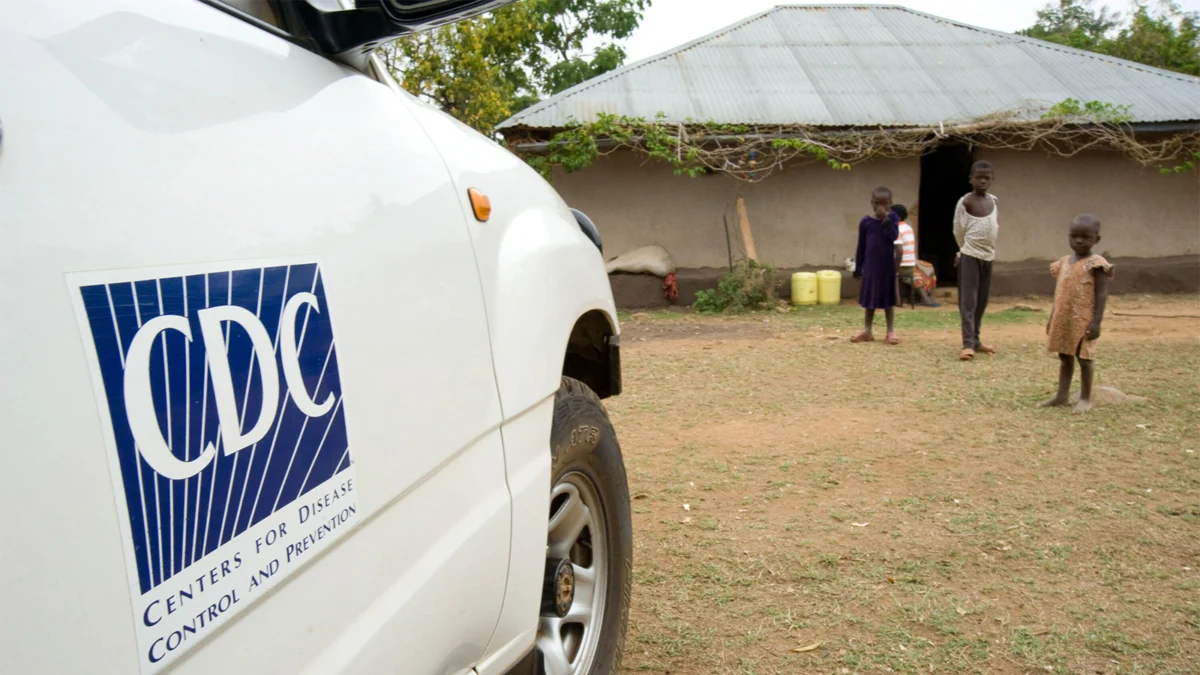
On June 1, a seismic shift in the architecture of American foreign aid took effect, fundamentally altering the operational framework of the President’s Emergency Plan for AIDS Relief (PEPFAR). Long considered the gold standard of bipartisan U.S. humanitarian achievement, PEPFAR now stands at a precarious crossroads. Under the banner of the "America First Global Health Strategy," the U.S. State Department has pivoted toward an "a la carte" service model, a move that public health experts warn will lead to the systematic dismantling of the Centers for Disease Control and Prevention’s (CDC) global infrastructure.
As the program transitions, the implications extend far beyond HIV/AIDS care, threatening to leave the United States blind to emerging pandemic threats and significantly weakening its influence on the international stage.
A Fundamental Restructuring: From Partnership to Procurement
For over two decades, the relationship between the State Department and the CDC was defined by a steady, predictable flow of resources. Historically, Congress appropriated PEPFAR funds to the State Department, which then allocated approximately $2 billion annually to the CDC. This funding supported a vast network of epidemiologists, laboratory experts, and public health infrastructure across the globe.
The new "America First" guidance, however, replaces this model with a market-driven approach. Under the revised policy, foreign nations must now select—essentially "shop for"—the specific services they wish to procure from the CDC. While countries receiving over $125 million in U.S. aid are mandated to purchase a minimum package of services, the flexibility once afforded to the CDC to provide comprehensive technical assistance and deep-rooted public health capacity-building is effectively terminated.
The State Department characterizes this transition as an effort to dismantle a "culture of dependency" within global health. However, the policy document reveals a more transactional geopolitical ambition: the strategic leverage of health assistance to secure access to foreign resources, including critical minerals essential to U.S. industrial and technological security.
Chronology of a Policy Pivot
The policy shift, while sudden in its implementation, was foreshadowed by months of escalating rhetoric regarding the "America First" agenda.
- Early 2026: Reports emerge of the Trump Administration’s intent to fundamentally reshape foreign aid, specifically targeting the budgets of the U.S. Agency for International Development (USAID) and PEPFAR.
- May 2026: AIDS activist and author Emily Bass publishes an investigative piece on her Substack, bringing the internal State Department guidance to light. The revelations spark alarm among public health advocates.
- Late May 2026: Eight former CDC directors, led by Tom Frieden, MD, MPH, publish a stinging op-ed in STAT, warning that the impending changes threaten the security of both the United States and its partner nations.
- June 1, 2026: The new "a la carte" procurement model for PEPFAR officially goes into effect, marking the beginning of the transition period.
- Current Status: With only three months remaining in the 2026 fiscal year, the uncertainty surrounding funding transfers has left international health organizations in a state of paralysis, with many fearing the immediate cessation of critical services.
Supporting Data: The Cost of Contraction
The numbers behind the restructuring paint a grim picture for the future of global public health. According to projections cited by former CDC leadership, the annual funding allocated to the CDC via PEPFAR could plummet to just $150 million—a staggering 93% reduction from the $2 billion baseline of fiscal year 2025.
The operational consequences of this funding cliff are immediate and severe:
- Infrastructure Collapse: The vast majority of the CDC’s global outposts are sustained by PEPFAR funding. Experts predict that at least 18 of these outposts could close by the end of this calendar year.
- Staff Repatriation: The agency faces the forced repatriation of over 100 doctors, epidemiologists, and laboratory specialists. This process is not only logistically complex but also carries significant financial costs, further draining the agency’s remaining resources.
- Global Reach: Estimates suggest that up to 85% of the CDC’s global presence could be retracted within the next 24 months if the current trajectory continues.
"You cannot order off a menu if the restaurant is closed," says Dr. Tom Frieden, who served as CDC director from 2009 to 2017. "The underlying concept of country-led health programs is noble, but the reality is that this approach terminates the CDC’s ability to support partner countries while simultaneously eroding the protections that keep Americans safe."
The Multi-Pronged Impact: Beyond HIV/AIDS
While PEPFAR is synonymous with the fight against HIV, its infrastructure serves as the backbone for addressing a wide array of global health threats. Dr. Frieden has repeatedly emphasized that the program’s impact transcends the virus.
The "Dual-Use" Infrastructure
The laboratories constructed to conduct HIV viral load testing and monitor CD4 counts are the same facilities used to detect outbreaks of Ebola, Marburg, and other hemorrhagic fevers. The supply chains built to deliver antiretroviral therapy (ART) are essential for distributing vaccines and medications for other emerging pathogens. By dismantling the HIV infrastructure, the U.S. is effectively sabotaging its own early-warning system for the next pandemic.
The Human Toll
The impact is already being felt on the ground. Recent reports indicate that the work of over 100 organizations providing HIV care to more than 8 million patients was abruptly halted last month. For these patients, the withdrawal of services is not a matter of bureaucracy; it is a life-or-death scenario. The interruption of ART can lead to drug resistance, treatment failure, and a resurgence of the epidemic in regions where the U.S. once held significant sway.
Official Responses and Bureaucratic Friction
In response to inquiries regarding the potential closures and the impact on U.S. national security, a spokesperson for the U.S. Department of State maintained a stance of cautious optimism.
"The Department is committed to ensuring continued funding for 100% of Americans employed overseas through PEPFAR funding," the spokesperson stated, adding that they were "not aware of any such closures." The State Department further emphasized that the CDC remains a "vital partner," and that essential services—such as disease surveillance, biosafety training, and laboratory systems—remain "required under our implementation approach."
However, this rhetoric stands in sharp contrast to the warnings issued by former public health officials. The State Department has notably declined to clarify whether there will be any amendments to the June 1 plan or how they intend to reconcile the drastic budget cuts with the maintenance of "essential" services.
Implications for Global Stability
The long-term implications of this policy shift are profound. By moving toward a transactional, procurement-based model, the U.S. risks losing the "soft power" that its global health presence historically cultivated. For two decades, the CDC’s presence in foreign nations fostered deep scientific relationships, built local trust, and provided the U.S. with invaluable intelligence on global health trends.
The current transition plan lacks a defined timeline or a clear mechanism for transferring ownership to host countries without compromising the integrity of public health infrastructure. Without a managed transition, the result will not be a more "efficient" PEPFAR; it will be a rapid, chaotic dismantling of America’s overseas public health capability.
As the world grapples with ongoing threats like the hantavirus and localized Ebola outbreaks, the timing of this contraction is particularly concerning. Epidemiologists warn that the next global health crisis may be significantly more contagious and deadly than those currently monitored. If the U.S. continues to retreat from its global health leadership, it will do so at a time when its expertise, infrastructure, and international partnerships are needed most.
The legacy of PEPFAR—which has saved an estimated 26 million lives since 2003—is now at risk of being reduced to a series of fragmented, transactional contracts. Whether the United States can salvage its global health footprint depends on whether the government chooses to treat public health as a strategic partnership or as a commodity to be traded away.