A groundbreaking study recently presented at the SLEEP 2026 conference has shed new light on the intricate relationship between our sleep architecture and cardiovascular health. Conducted by researchers at the Penn State College of Medicine, the study reveals that the combination of excessive daytime sleepiness and a prolonged time to fall asleep—clinically known as "sleep-onset latency"—creates a "perfect storm" for the development of hypertension.
While clinicians have long recognized the importance of sleep in maintaining heart health, this research suggests that the interaction between how we function during the day and how we struggle at night is a critical indicator of cardiovascular risk that has previously been undervalued in routine check-ups.
Main Facts: The Intersection of Sleep and Heart Health
The core finding of the Penn State research is that excessive daytime sleepiness (EDS) does not act as an isolated symptom. Instead, when paired with an objective inability to drift off quickly, the risk of developing high blood pressure rises exponentially.
For the purpose of this study, "excessive daytime sleepiness" was defined by self-reported moderate-to-severe sleepiness or, more severely, irresistible sleep attacks. "Prolonged sleep-onset latency" was defined as taking 30 minutes or longer to transition from wakefulness to sleep.
The data indicates that while EDS alone increases the odds of prevalent hypertension by 52% and incident hypertension (newly developed high blood pressure) by 74%, the clinical picture changes drastically when prolonged sleep-onset latency is added to the equation. In patients exhibiting both markers, the odds of having existing hypertension more than doubled, and the likelihood of developing new hypertension more than tripled.
This study shifts the paradigm of sleep medicine. It suggests that medical professionals should no longer look at sleep disorders through a narrow lens—such as focusing solely on sleep apnea—but rather as a holistic, multi-faceted physiological state that requires a more nuanced diagnostic approach.
Chronology of the Research: A Long-Term View
The research utilized data from the extensive Penn State Adult Cohort, a longitudinal study designed to track the health outcomes of thousands of individuals over many years.
The Baseline Phase
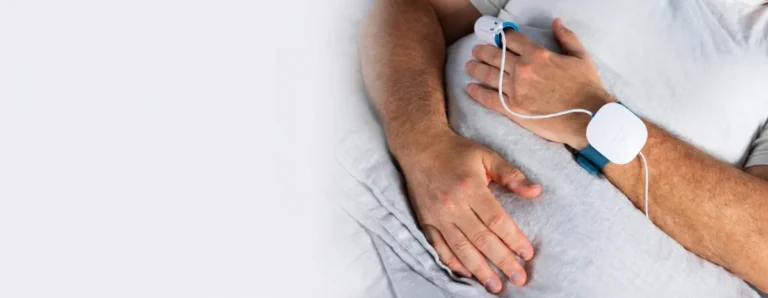
The study began with 1,741 adults. Each participant underwent a rigorous eight-hour sleep assessment using polysomnography, the gold standard for clinical sleep analysis. This allowed researchers to move beyond subjective patient reports and capture objective data regarding brain waves, oxygen levels, heart rate, and movement during sleep.
The Longitudinal Follow-Up
To understand the progression of hypertension, researchers isolated a subset of 786 participants who were normotensive (did not have high blood pressure) at the start of the study. These individuals were followed for an average of 7.5 years. By monitoring these participants over nearly a decade, the researchers were able to establish a clear temporal link between early sleep disturbances and the eventual diagnosis of clinical hypertension.
Controlling for Variables
The robustness of this study lies in its statistical adjustments. To ensure the findings were not skewed by external factors, researchers adjusted the data for a comprehensive list of variables:
- Demographics (age, sex, race/ethnicity)
- Lifestyle factors (smoking, caffeine consumption, alcohol use)
- Comorbidities (diabetes, depression)
- Physical metrics (body mass index)
- Specific sleep pathology (sleep apnea severity, total sleep time, and wake time after sleep onset)
By isolating these factors, the researchers confirmed that the association between sleep-onset latency, daytime sleepiness, and hypertension remains significant, regardless of other traditional risk factors for heart disease.
Supporting Data: Understanding the "Hyperarousal" Phenotype
The study provides a compelling argument for the existence of a "hyperarousal" phenotype—a specific physiological state where the body is unable to "shut down" effectively, leading to both delayed sleep onset and a lack of restorative rest.
The objective measurement of 30 minutes or more to fall asleep serves as a marker for this hyperarousal. When an individual takes this long to fall asleep, it often indicates an overactive sympathetic nervous system—the body’s "fight or flight" response. This constant state of low-level stress, combined with the fatigue caused by poor sleep quality, creates a chronic strain on the cardiovascular system.
The data highlights a stark contrast in risk:
- Normal Controls: Used as the baseline for comparison.
- EDS Only: 52% higher odds of prevalent hypertension; 74% higher odds of incident hypertension.
- Combined (EDS + 30+ min latency): Odds more than doubled for prevalent cases; more than tripled for incident cases.
These figures represent a significant statistical leap. The fact that the risk of incident hypertension triples suggests that this specific sleep profile is not just a symptom of heart disease, but a potential precursor or driving factor in its development.
Official Responses: Insights from Dr. Alexandros Vgontzas
Lead author Dr. Alexandros Vgontzas, professor of psychiatry and director of the Sleep Research and Treatment Center at Penn State, emphasized the clinical implications of these findings during his presentation at SLEEP 2026.
"Adults with excessive daytime sleepiness and prolonged sleep-onset latency appear to represent a distinct subgroup with significantly greater cardiovascular risk," Dr. Vgontzas stated. He noted that the most striking aspect of the findings was the synergistic effect of the two symptoms. "Neither excessive daytime sleepiness on its own, nor prolonged sleep latency on its own, showed the same increased risk of hypertension as when they appear together."
Dr. Vgontzas’s message to the medical community is clear: current screening methods are insufficient. "These findings suggest that evaluating excessive daytime sleepiness should extend beyond screening for sleep apnea alone," he explained.
He advocates for a more comprehensive assessment during patient intake. By asking about the time it takes to fall asleep—and validating that with objective measures when necessary—physicians can identify "at-risk" patients years before they present with symptomatic cardiovascular issues.
Implications for Clinical Diagnosis and Future Treatment
The implications of this study are far-reaching for primary care physicians, cardiologists, and sleep specialists. As the medical community moves toward more personalized medicine, the "combined phenotype" identified in the study offers a new target for preventative intervention.
1. Shifting Diagnostic Focus
Currently, sleep screening in many clinical settings is dominated by the search for Obstructive Sleep Apnea (OSA). While OSA is a major health concern, the Penn State study reminds us that sleep-onset latency and daytime fatigue are independent risk factors. Patients who do not have sleep apnea but do struggle to fall asleep and stay awake during the day may be falling through the diagnostic cracks.
2. Targeted Treatment Approaches
If a patient presents with this specific sleep profile, physicians may need to implement more targeted treatments. This could include:
- Cognitive Behavioral Therapy for Insomnia (CBT-I): Addressing the hyperarousal and the psychological aspects of sleep onset.
- Lifestyle Interventions: More aggressive management of stress, caffeine intake, and evening routines to lower sympathetic nervous system activity.
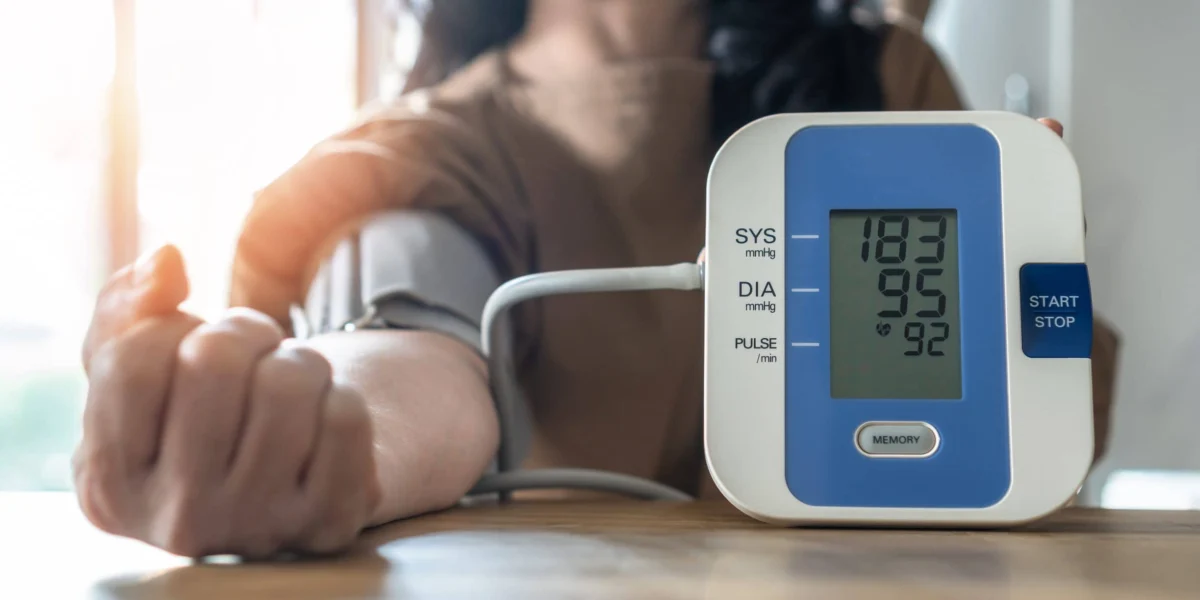
- Cardiovascular Monitoring: Patients fitting this phenotype may require more frequent blood pressure monitoring, even if they currently fall within the normal range.
3. Public Health Awareness
There is also a broader public health message: sleep is not just about the number of hours spent in bed. It is about the quality of that time and the physiological state of the body while transitioning to sleep. For the average adult, the study serves as a warning: if you are chronically tired during the day and it takes you a long time to drift off at night, it is not just an inconvenience—it is a signal that your cardiovascular system may be under stress.
4. Future Research Directions
The researchers intend to continue exploring the biological mechanisms that connect this sleep phenotype to vascular damage. Questions remain about whether treating the sleep-onset latency directly can reverse or mitigate the risk of hypertension. If future studies show that improving sleep-onset latency lowers blood pressure, it would provide a non-pharmacological pathway to reducing the global burden of hypertension.
Conclusion
The study from Penn State College of Medicine marks a significant advancement in our understanding of sleep and cardiovascular health. By quantifying the risks associated with the combination of daytime sleepiness and prolonged sleep-onset latency, researchers have provided a vital new tool for risk stratification.
As we move forward, the integration of these findings into standard clinical practice could change the trajectory of heart health for millions. When it comes to our health, the silence of the night and the fatigue of the day are not just separate experiences—they are interconnected markers of our long-term wellness. Paying attention to these signals is no longer just a matter of comfort; it is a critical component of preventative cardiology.