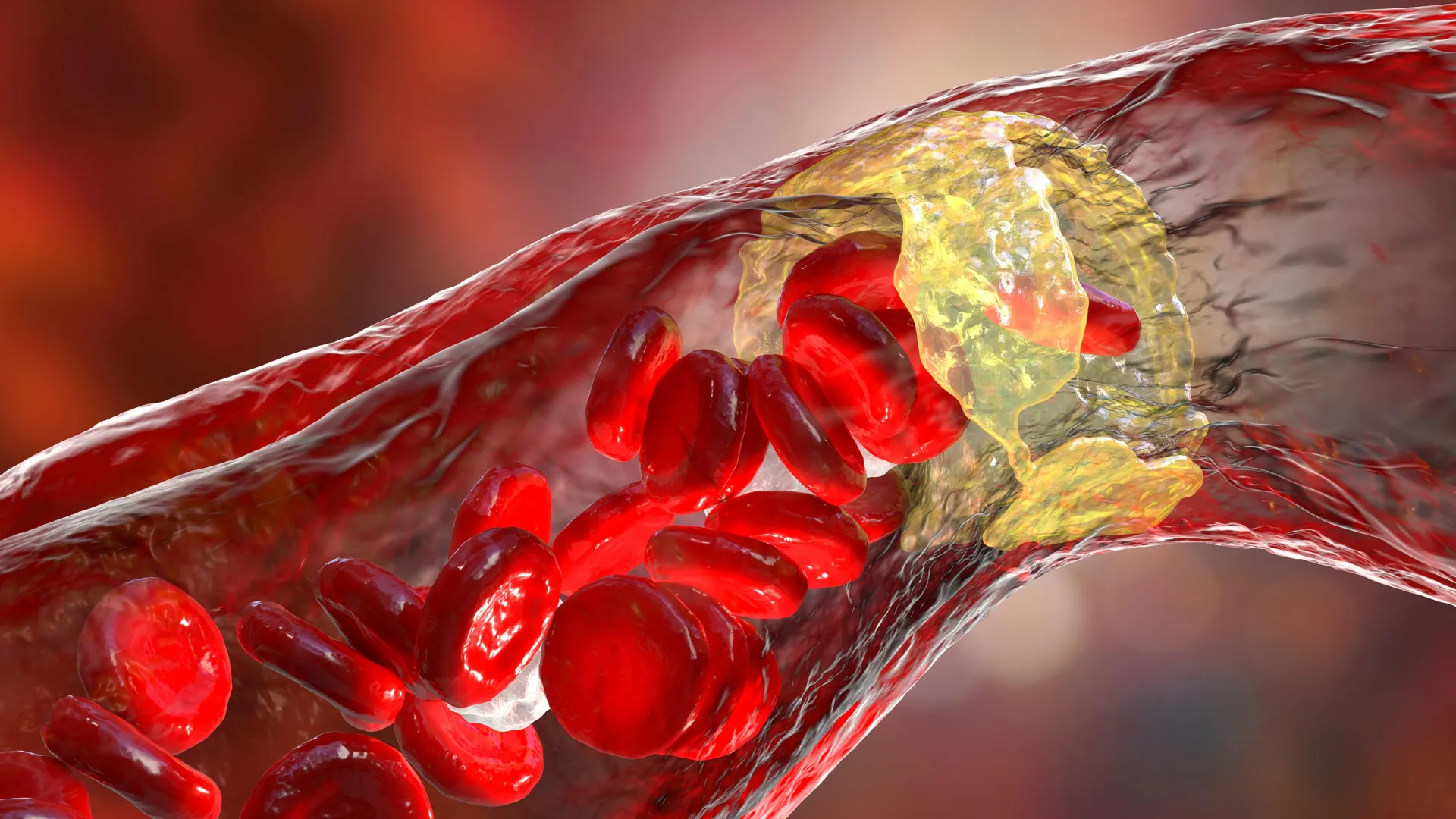
In a discovery that adds a sobering layer to the global plastic pollution crisis, researchers at the University of California, Riverside (UCR) have identified a disturbing link between routine microplastic exposure and the acceleration of atherosclerosis—the hardening and narrowing of arteries that serves as the primary precursor to heart attacks and strokes.
The study, published in the journal Environment International, provides some of the most compelling evidence to date that these ubiquitous, microscopic particles are not merely inert environmental contaminants but potentially active drivers of cardiovascular pathology. Perhaps most intriguingly, the research revealed a stark, sex-specific disparity: while male subjects experienced a dramatic surge in plaque formation, female subjects appeared resilient to these specific arterial changes.
The Ubiquity of the Microplastic Threat
Microplastics—tiny plastic fragments often smaller than five millimeters—have infiltrated every corner of the modern world. They are found in the deepest ocean trenches, the highest mountain peaks, and, increasingly, within the human body. Recent clinical investigations have detected these particles in human atherosclerotic plaques, raising urgent questions about whether they are passive bystanders or active agents of arterial injury.
For years, the scientific community has debated the biological impact of ingesting or inhaling these particles through food, drinking water, and the air. While it has been known that these particles circulate throughout the body, the mechanism by which they might trigger disease has remained elusive. The UCR study, led by Professor of Biomedical Sciences Changcheng Zhou, attempts to bridge that gap by isolating the effects of microplastics on cardiovascular health in a controlled laboratory setting.
Study Methodology: Simulating Human Exposure
To investigate the cardiovascular impact of microplastics, Professor Zhou and his team employed an LDLR-deficient mouse model—a standard scientific tool used to study atherosclerosis. To ensure the findings remained relevant to human health, the researchers placed both male and female mice on a low-fat, low-cholesterol diet, mirroring the intake of a lean, healthy individual.
The researchers administered a daily dose of microplastics at 10 milligrams per kilogram of body weight for a duration of nine weeks. This specific dosage was chosen because it reflects a realistic level of accumulation that a human might encounter through contaminated food and water supplies. By keeping the subjects lean and maintaining a healthy lipid profile, the team ensured that the results would not be skewed by traditional cardiovascular risk factors such as obesity or hyperlipidemia.
Chronology of Findings: The Acceleration of Plaque
The experimental timeline revealed a rapid and concerning divergence between the two sexes. After nine weeks of consistent exposure, the male mice exhibited a massive increase in atherosclerosis.
Specifically, the male subjects developed 63% more plaque in the aortic root—the section of the aorta directly connected to the heart—and a staggering 624% more plaque in the brachiocephalic artery, a major vessel that supplies blood to the head and arms.
In contrast, the female mice displayed no significant progression in plaque development under identical conditions. This finding is significant because it confirms that the damage was not the result of general metabolic distress. Because the mice remained at a healthy weight and their cholesterol levels remained stable, the researchers concluded that the microplastics were directly impacting the vascular system through mechanisms independent of traditional metabolic risk factors.
Disruption at the Cellular Level
To understand why this damage occurred, the research team utilized single-cell RNA sequencing to observe gene activity within individual cells. The results pointed to a clear culprit: the endothelial cells.
Endothelial cells form the delicate inner lining of blood vessels, acting as the primary gatekeepers that regulate inflammation and circulation. The study revealed that these cells were the most heavily affected by microplastic exposure. As these cells are the first to encounter circulating microplastics, their dysfunction creates a cascading effect of inflammation, which serves as the foundation for plaque growth.
Further analysis revealed that fluorescently tagged microplastics were physically present within the arterial plaques, specifically concentrated within the endothelial layer. This confirms that these particles are not just triggering a systemic immune response from afar; they are infiltrating the site of the disease. Furthermore, the microplastics activated harmful, pro-atherogenic gene pathways in both mouse and human cells, suggesting that the biological mechanism of damage is consistent across species.
Official Perspectives: The Role of Sex and Biology
The discovery of sex-specific outcomes adds a new dimension to our understanding of cardiovascular health. Professor Zhou notes that this mirrors a broader trend in cardiovascular research, where males and females often exhibit different physiological responses to environmental stressors.
"Although the precise mechanism isn’t yet known, factors like sex chromosomes and hormones, particularly the protective effects of estrogen, may play a role," said Professor Zhou.
The researchers hypothesize that estrogen may provide a protective buffer for female endothelial cells, preventing them from succumbing to the inflammatory trigger that microplastics create. While this provides a potential avenue for future therapies, it also underscores the complexity of the threat. The study suggests that the interaction between environmental toxins and hormonal status is a critical field that requires further exploration to fully grasp the risk posed to different demographics.
Implications for Public Health
The findings from the UCR study carry significant weight for global public health policy. If microplastics are indeed capable of directly causing arterial injury, the current approach to managing plastic pollution must shift from an environmental concern to a direct medical priority.
"Our study provides some of the strongest evidence so far that microplastics may directly contribute to cardiovascular disease, not just correlate with it," Zhou explained. "The surprising sex-specific effect—harming males but not females—could help researchers uncover protective factors or mechanisms that differ between men and women."
However, the team emphasizes that, given the current state of the global environment, a "cure" for microplastic exposure is not currently on the horizon. Because there is no known method to remove these particles once they have integrated into the body, the focus must remain on preventative measures.
Practical Strategies for Exposure Reduction
- Dietary Adjustments: Minimize the consumption of highly processed foods, which are frequently packaged in plastic and more prone to microplastic contamination.
- Container Choices: Limit the use of plastic containers for storing food and water, particularly when the food is hot, as heat can accelerate the leaching of plastic particles.
- Reducing Single-Use Plastics: By reducing the total volume of plastic waste generated, individuals can lower the overall environmental load, which may reduce the long-term concentration of microplastics in the food chain.
- Holistic Health: Maintain overall cardiovascular health through regular exercise and a nutrient-dense diet, which strengthens the endothelial lining and helps the body manage inflammation more effectively.
Future Research and the Path Ahead
The research team, which includes collaborators from Boston Children’s Hospital, Harvard Medical School, and the University of New Mexico Health Sciences, is already planning the next phase of their investigation.
Future research will focus on several critical areas:
- Varying Plastic Types: Investigating how different sizes, shapes, and chemical compositions of microplastics impact vascular cells.
- Molecular Mechanisms: Deepening the understanding of exactly how endothelial cells become dysfunctional upon contact with plastic, and how this process varies by sex.
- Human Studies: Exploring whether the patterns observed in the mouse models manifest in human populations, particularly in those with higher levels of occupational or environmental exposure.
As microplastic pollution continues to climb, the urgency of this research cannot be overstated. The UCR team’s work, supported in part by the National Institutes of Health, serves as a clarion call. While we wait for larger-scale epidemiological studies, the evidence suggests that the plastic particles accumulating in our bodies are doing more than just passing through—they are potentially altering our internal biology and leaving a lasting mark on our cardiovascular health.
For now, the best defense against this invisible threat remains a combination of informed consumer choices and a commitment to cardiovascular wellness, while the scientific community works to unravel the full extent of the risks posed by the plastic age.