










The modern electrical grid, once a triumph of 20th-century engineering, is rapidly becoming a liability. As the United States grapples with a perfect storm of aging infrastructure, surging electricity demand from AI-driven data centers, and an increasingly fragile geopolitical landscape, the reliance on a centralized, top-down power distribution model has moved from a convenience to a strategic risk. For millions, the fear of rolling blackouts or complete systemic failure is no longer a hypothetical—it is a lived reality.
In this climate of uncertainty, a new technological paradigm is emerging: the sodium-ion battery. Leading this charge is Unigrid, a company poised to disrupt the energy storage market by fundamentally changing the chemistry of our independence.
Main Facts: The Shift from Lithium to Salt
For over a decade, lithium-ion has been the undisputed king of energy storage. However, its dominance has been marred by a volatile supply chain, reliance on conflict-heavy mineral extraction (such as cobalt), and inherent safety risks related to thermal runaway.
Unigrid, founded by chemical engineer Darren Tan, has pivoted toward a sodium chromium oxide chemistry. Unlike lithium, which requires geographically concentrated and often ethically dubious extraction processes, sodium is derived from common salt. It is abundant, inexpensive, and globally accessible. By utilizing this chemistry, Unigrid is not merely creating a more efficient battery; it is insulating the end-user from the geopolitical "choke points" that have historically defined the lithium market.
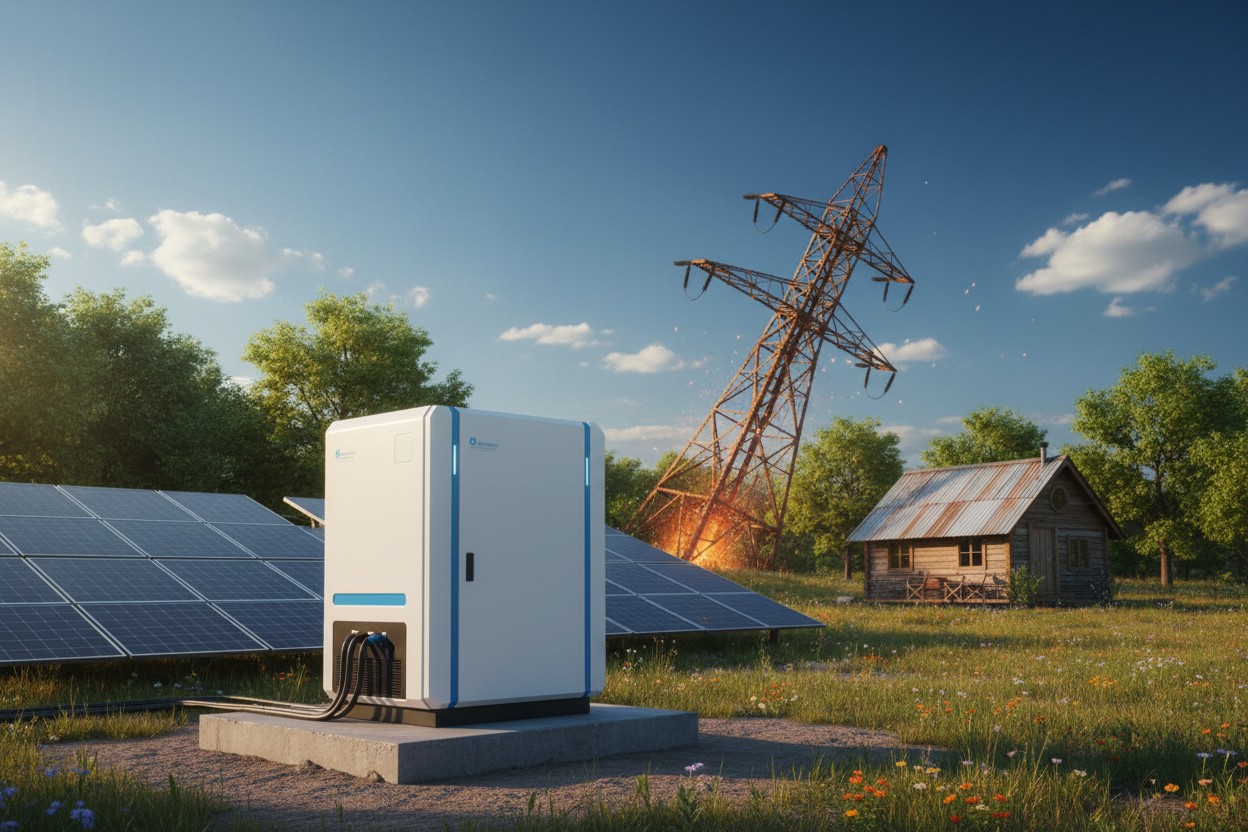
The primary value proposition of Unigrid’s technology lies in three distinct pillars: Safety, Longevity, and Economic Sovereignty. By operating effectively across extreme temperature gradients and eliminating the fire risks associated with lithium, these units can be safely housed in residential garages or industrial barns without the need for sophisticated, expensive fire-suppression infrastructure.
Chronology of a Breakthrough
The transition to sodium-ion has been a long, often frustrating journey for proponents of decentralized energy.
- 2020–2023: Early enthusiasm for sodium-ion was tempered by the failure of various startups to scale effectively. The collapse of high-profile projects, such as Natron Energy’s gigafactory, led many analysts to wonder if the technology would remain a lab-only curiosity.
- 2024: Unigrid enters the fray, focusing on industrial-grade durability. The company gains significant industry credibility by securing a partnership with Hyundai through the ZER01NE Accelerator program. This move validated their chemistry under the rigorous scrutiny of automotive-grade safety standards.
- 2025: Strategic manufacturing plans are finalized, with Unigrid opting for production facilities in China. While some critics point to supply chain reliance, industry experts argue that leveraging the world’s most advanced battery production lines is the only viable path to achieving the cost-efficiency required for mass-market residential adoption.
- 2026–2027 (Projected): Unigrid prepares for its full-scale commercial rollout, targeting residential homesteaders, data center operators, and commercial facilities looking to mitigate grid volatility.
Supporting Data: The Economics of Endurance
The most compelling argument for Unigrid’s sodium-ion technology is the shift in the total cost of ownership (TCO). In a typical lithium-based solar storage setup, the battery is the "weak link"—it is the most expensive component and the first to fail.
Unigrid claims a cycle life of approximately 30,000 cycles. While independent verification is ongoing, if this figure holds, the battery would theoretically outlast the structure it powers. When calculated over its full lifespan, the "cost-per-cycle" drops to a fraction of lithium-ion, turning solar-plus-storage from a "green premium" investment into a rational, profit-driven economic decision.
Furthermore, the physical characteristics of the sodium-ion cell allow for higher discharge rates and better performance in cold climates, where lithium-ion batteries often experience significant degradation. As noted by industry leaders at major automotive firms, sodium-ion is not just a replacement for lithium; it is an evolution tailored for the stationary, long-term storage requirements of the next fifty years.
Official Responses and Industry Outlook
The industry has taken notice. When General Motors’ battery chief noted that sodium-ion could "reshape U.S. grid storage," it signaled a sea change in how major conglomerates view energy independence.
Unigrid’s approach has been characterized by transparency regarding its manufacturing and testing protocols. By inviting independent verification—including plans for real-world stress tests using industrial-scale hardware—the company is attempting to bypass the skepticism generated by previous failed startups.
"The goal is not to compete with the grid, but to render the grid’s volatility irrelevant to the individual," says industry analyst and long-time proponent of decentralized living, who is currently preparing to install a Unigrid system for independent testing. "We are moving from a world where you buy electricity as a service to one where you own your energy infrastructure as a capital asset."
Implications: The Death of Centralized Control
The broader implications of this technology extend far beyond the energy sector. We are currently witnessing a convergence of technologies: high-efficiency solar panels that have reached a floor in pricing, and now, long-life storage that makes "going off-grid" a practical reality rather than a survivalist fantasy.
1. Radical Decentralization
Centralized systems have long been used as instruments of societal control. When energy is managed by a central authority, the user is subject to the whims of pricing, political regulation, and grid reliability. Unigrid offers a path to "energy secession." By owning the means of energy storage, individuals and businesses can operate independently of the utility monopolies that have, in many states, shown an inability to keep the lights on during peak demand.
2. Infrastructure Resilience
As data centers consume more of the grid’s capacity, the threat of localized blackouts increases. Companies like Unigrid are positioning themselves as the "black start" capability for the modern home or small business. The ability to store enough energy to survive days of grid instability without a backup diesel generator is a massive leap forward in national resilience.
3. The End of Planned Obsolescence
Perhaps the most radical aspect of the Unigrid model is its focus on longevity. In the lithium era, battery packs were often designed with a "planned obsolescence" cycle that forced users to replace them every 7 to 10 years. By designing for 30,000 cycles, Unigrid is betting on a "buy-it-once" philosophy. This shifts the focus from recurring revenue for the manufacturer to long-term value for the consumer, challenging the current consumer-electronics model of energy storage.
Conclusion: The Verdict
The transition to sodium-ion is no longer a "what if"; it is an inevitability. As we look toward the 2026–2027 rollout of Unigrid’s residential and commercial units, the prospect of total energy independence is becoming accessible to the average property owner.
For those concerned about the fragility of the U.S. power grid, the arrival of durable, safe, and cost-effective sodium-ion storage represents the final piece of the puzzle. The sun provides free energy, and for the first time in history, we have the technology to capture and hold it for decades without the limitations of chemical degradation or the geopolitical risks of the lithium trade.
The grid may be failing, but for the prepared individual, the era of energy independence has just begun. By seizing control of our storage infrastructure, we are not just saving money; we are securing a future free from the instability of a crumbling central system. The sun cannot be taxed, and now, it can finally be harnessed on our own terms.