
As we move deeper into 2026, the intersection of public health, scientific rigor, and workforce stability is facing unprecedented challenges. From the high seas, where a hantavirus outbreak continues to baffle international health experts, to the corridors of Washington, D.C., where institutional knowledge is hemorrhaging, the landscape of medicine and research is in a state of flux. This report synthesizes the most pressing updates from the week, examining the systemic shifts threatening the future of discovery and patient care.
The Hantavirus Cruise Ship Saga: A Protracted International Crisis
The ongoing outbreak of hantavirus aboard the MV Hondius has transitioned from an acute incident into a protracted, complex international health operation. According to reporting from STAT’s Helen Branswell, the resolution of this crisis is expected to span weeks, if not months, as health authorities grapple with the logistics of containment and passenger safety.
Chronology of the Outbreak
The situation remains fluid. The MV Hondius is currently being redirected to the Canary Islands, a move coordinated by World Health Organization (WHO) officials to facilitate the systematic disembarkation of passengers and crew. While the United States has officially withdrawn from the WHO, reports indicate a surprising level of cooperation between American health authorities and the international body, underscoring the severity of the pathogen involved.
Supporting Data and Implications
Hantavirus, typically associated with exposure to rodent-borne pathogens, presents a unique challenge in a cruise environment. Epidemiologists are currently focused on identifying the specific origin of the outbreak—whether it was introduced through supply chains, contaminated water, or localized rodent infestation on the vessel. The lack of an immediate containment success has raised significant questions regarding the adequacy of existing vessel sanitation protocols.
Concurrent with the ship’s transit, the U.S. Centers for Disease Control and Prevention (CDC) is facing a leadership vacuum. Daniel Payne reports that Luis Rodríguez, the chief of the CDC’s Vessel Sanitation Program, has stepped down. Rodríguez, a fixture of the program since 2010, leaves at a time of immense institutional instability. Following a year of severe budget cuts that saw the layoff of numerous full-time staff, the resignation of a veteran leader suggests a potential collapse in the agency’s ability to monitor maritime health threats. The administration has yet to name a successor, leaving the future of the Vessel Sanitation Program in doubt.
The Declining State of Science: An Aging Workforce and Fabricated Citations
The scientific enterprise is facing a dual crisis: a stagnation in breakthrough discoveries and an erosion of intellectual integrity. Reporting by STAT’s Anil Oza has highlighted two distinct, yet interconnected, headwinds facing modern researchers.
The Innovation Gap: Why Science is Stalling
A comprehensive analysis published in Science has identified a primary culprit for the decline in high-impact discoveries: an aging scientific workforce. By analyzing the publication histories of 12.5 million scientists between 1960 and 2020, researchers found that while scientists remain productive well into their later years, the nature of their work changes significantly.
Early-career researchers are statistically more likely to pursue "path-forging" or "disruptive" work—studies that challenge existing paradigms. Conversely, as researchers age, they tend to pivot toward safer, more incremental work and show a marked tendency to cite older, established literature rather than engaging with cutting-edge developments. This shift in citation behavior and research focus has effectively slowed the pace of field-defining breakthroughs.
The Rise of the Machine-Generated Lie
Compounding the problem of aging innovation is the rapid proliferation of fabricated citations, a phenomenon increasingly linked to the misuse of artificial intelligence. According to a new study, the number of papers containing non-existent or "hallucinated" citations is climbing.
For the first seven weeks of 2026, the rate of fabricated citations reached one in every 277 papers. While this may seem like a statistical anomaly, the trend line is exponential. As AI tools become more integrated into the academic writing process, the barrier to creating "peer-reviewed" literature that lacks a factual foundation is dropping. This poses a fundamental threat to the integrity of medical journals, where clinical decisions are often based on the cumulative weight of cited evidence.
The Brain Drain: The FDA in Transition
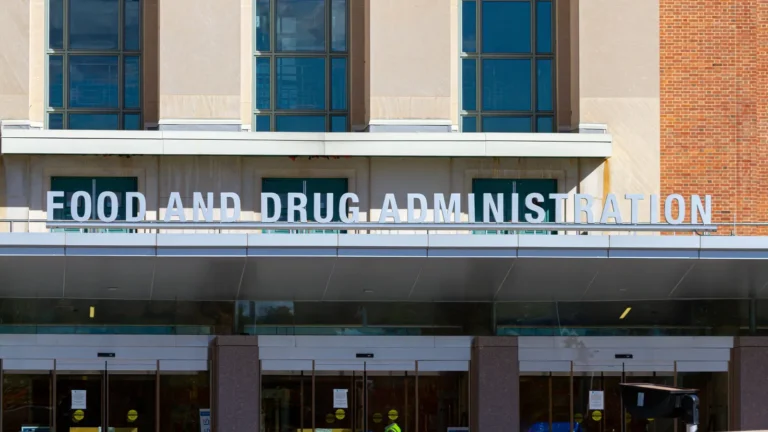
The second Trump administration has presided over a period of significant turmoil within the U.S. Food and Drug Administration (FDA). In a compelling video report and follow-up piece by Lizzy Lawrence and Alex Hogan, the human cost of this regulatory instability is laid bare.
Institutional Loss
Interviews with six former FDA officials paint a picture of an agency struggling to maintain its scientific independence. The exodus of these regulators—experts who spent decades navigating the complexities of drug and device approval—is not merely a personnel issue; it is a loss of institutional memory. These officials describe an environment where the political climate has overridden established scientific consensus, prompting a wave of resignations. For an agency that serves as the gold standard for global drug safety, the loss of these veterans could have long-term consequences for the speed and safety of future pharmaceutical approvals.
Global Health Stratification: The Lethal Gap in Emergency Surgery
The global divide in health outcomes is nowhere more apparent than in the operating room. A study published in The Lancet Child & Adolescent Health reveals a stark reality: children in lower-resource countries are six times more likely to die following emergency surgery than their peers in high-income nations.
Supporting Data
The study tracked 237 pediatric patients across 32 countries who underwent trauma laparotomies. While the global mortality rate for these children was 8%, the risk was disproportionately concentrated in poorer nations. The majority of these patients were young males suffering from blunt force trauma, often the result of traffic accidents or violence.
Implications
The findings highlight a failure in the global surgical infrastructure. When children cannot access timely, safe surgical intervention, the mortality rate from otherwise treatable injuries skyrockets. This stratification is a moral and public health failure that demands greater international focus on surgical capacity-building in developing regions.
Gender Disparity in the Nursing Workforce
As the global population ages, the demand for healthcare services is skyrocketing. The nursing profession, in particular, is facing a "mass exodus" of workers reaching retirement age, with approximately 200,000 job openings expected annually in the coming years.
A Call for Diversity
Nicholas A. Giordano, an assistant professor at Emory University, argues that a critical, underutilized solution to this shortage is the recruitment of more men into the nursing field. Despite the profession offering career stability and competitive, often six-figure, salaries, the proportion of men in nursing has remained stagnant at approximately 12% for years.
To address this, Giordano suggests that healthcare leaders must:
- Expand Outreach: Actively target male students during the career-exploration phase of their education.
- Mentorship: Position more male faculty members in nursing schools to provide role models and support for students.
- Cultural Shifts: Work to dismantle the gendered stereotypes that have historically kept men out of the nursing profession.
Conclusion: Looking Ahead
The headlines of this week serve as a sobering reminder that our public health, scientific, and regulatory systems are deeply interconnected. Whether it is the containment of a pathogen on a cruise ship, the maintenance of rigor in academic publishing, or the retention of expert talent in government agencies, the stability of our future depends on how we address these structural cracks today. As the summer of 2026 unfolds, the medical community must pivot from reactive crisis management to proactive, long-term institutional strengthening.
For more daily updates on the evolving state of health and medicine, stay tuned to our ongoing coverage and sign up for our daily newsletter, Morning Rounds.