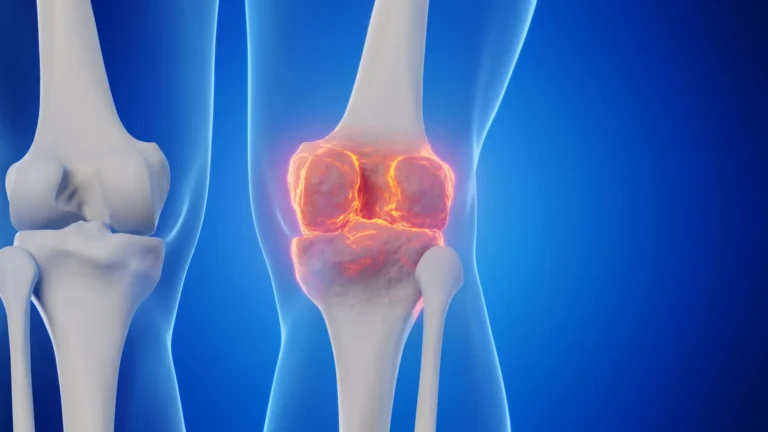












In the fitness industry, the concept of the “Winter Arc” has evolved from a social media trend into a legitimate, evidence-based approach to the traditional bodybuilding offseason. At its core, the Winter Arc is a dedicated period during the colder months—when social obligations decline and the pressure for “beach-ready” aesthetics fades—to prioritize intense training, purposeful caloric intake, and structural growth.
However, many lifters squander the first few weeks of this period in a state of aimless experimentation. To achieve real, measurable size before the spring, the transition must begin in the autumn. This article outlines the scientific and practical framework required to transform the winter months into your most productive phase of development.
The Chronology of Transformation: A Phased Approach
A successful physique transformation is not a sprint; it is a calculated sequence of training blocks. By treating the transition from autumn to winter as a structured timeline, you can optimize physiological adaptations.
Phase 1: The Autumn Foundation (September – October)
The goal of early autumn is not to hit personal records (PRs), but to establish a baseline. Use this time to address imbalances or lingering injuries from the summer. By resetting your foundation, you ensure that your body is structurally sound enough to handle the increased volume that defines the winter phase.
Phase 2: The Hypertrophy Accumulation (November – January)
This is the heart of the Winter Arc. As the temperature drops, your metabolic demand shifts, and your training should prioritize high-volume, compound-focused movements. This phase is designed for progressive overload, where the primary objective is to push the ceiling of your training capacity.
Phase 3: The Consolidation and Peak (February – March)
As the Winter Arc draws to a close, you shift from aggressive accumulation to a consolidation phase. This is when you test the limits of the strength built during the preceding months and begin preparing your body for the transition back to a potential cutting or maintenance phase.
Data-Driven Progression: Applying SMART Goals
The difference between a “dirty bulk” and a high-quality lean gain is data. Without a roadmap, you are merely adding body mass, not necessarily muscle. The SMART (Specific, Measurable, Achievable, Relevant, Time-bound) framework is the gold standard for navigating this period.
Defining Your Metrics
- Specific: Instead of saying “I want to get bigger,” define your objective as “I want to increase my chest and shoulder girth by one inch.”
- Measurable: Use tracking software or a manual log to monitor your weekly volume (sets x reps x load).
- Achievable: Ensure your caloric surplus is modest (200–300 calories above maintenance) to minimize fat gain.
- Relevant: If your goal is strength, prioritize heavy compound lifts (squats, deadlifts, presses) over excessive accessory work.
- Time-bound: Set a hard stop date for your bulk, such as March 15th, to prevent “gaining bloat” from continuing indefinitely.
Supporting Data: Why Volume Dictates Growth
Hypertrophy is fundamentally driven by the accumulation of mechanical tension over time. Research consistently shows that as long as recovery is managed, higher volumes lead to greater muscle protein synthesis.
The Recovery Equilibrium
The “sweet spot” of your Winter Arc is the intersection of maximum stimulus and maximum recovery. If you are constantly sore, lacking motivation, or seeing your lifts stall, you have exceeded your recovery capacity.
Key indicators of overreaching:
- Stagnant Performance: Your numbers in the gym are not trending upward.
- Systemic Fatigue: You feel lethargic outside of the gym and sleep quality is poor.
- Joint Sensitivity: You are experiencing localized inflammation that prevents you from reaching full range of motion.
To combat this, integrate a "deload" week every 4 to 6 weeks. During these weeks, reduce your training volume by 30–50% to allow your central nervous system to reset.
Official Guidelines: Nutrition for Sustained Growth
The biggest mistake lifters make during a bulk is treating nutrition as an afterthought. A proper Winter Arc diet is not about eating everything in sight; it is about providing the precise fuel required for tissue repair and hormonal balance.
Protein Intake
Protein synthesis requires a consistent supply of amino acids. Aim for 0.7 to 1.0 grams of protein per pound of bodyweight. This should be distributed across 4–5 meals per day rather than consumed in one or two massive sittings.
The Surplus Strategy
Rather than jumping into a massive caloric surplus, adopt a “tapered” approach. Start at your calculated maintenance level for two weeks. If your weight is stable, add 200 calories per day. Monitor your weight gain; a rate of 0.5 to 1.0 pound per week is typically sufficient to maximize muscle gain while minimizing excessive adipose tissue accumulation.
The Psychological Implications of the Winter Arc
The most significant barrier to a successful winter training cycle is not the physical intensity—it is the psychological drain. As the holidays approach and the weather becomes less conducive to outdoor activity, external motivation often wanes.
Building Habit-Based Systems
To survive the “mid-winter slump,” you must rely on habits rather than motivation.
- The 15-Minute Rule: If you lack motivation on a training day, commit to just 15 minutes in the gym. Usually, the physiological response to training will override the psychological fatigue.
- Meal Preparation: Reduce decision fatigue by prepping your primary meals on Sundays. When your nutrition is automated, you are less likely to fall into the trap of convenience eating.
- Community and Accountability: Partnering with a training buddy during the winter months increases adherence rates significantly. The shared goal creates a social contract that is harder to break than an internal commitment.
Implications for Spring: What Comes Next?
A well-executed Winter Arc concludes with a strategic decision-making process. By late February or early March, you should have a wealth of data—your body weight, your strength PRs, and your body composition markers.
If you have achieved your strength and size targets, you have two choices:
- The Cut: Gradually reduce your calories to reveal the new muscle mass you have built.
- The Maintenance Phase: If you are still seeing consistent progress and your body fat percentage remains in a healthy range, you may choose to extend the building phase for another cycle.
The decision should be made based on your data, not on the calendar. By treating the Winter Arc as a professional, calculated undertaking rather than a casual gym routine, you ensure that you enter the spring season not just bigger, but stronger and more refined than ever before.
Summary Checklist for Success:
- Set your dates: Clearly define your start and end points.
- Establish a baseline: Know your current numbers before you begin adding weight.
- Prioritize Protein: Ensure 0.7–1.0g per pound of body weight is met daily.
- Monitor Recovery: Use deload weeks to prevent burnout.
- Document Progress: Keep a detailed log of your lifts and body composition.
The winter months are your greatest asset. Use them to build the foundation that will carry your physique through the rest of the year.