









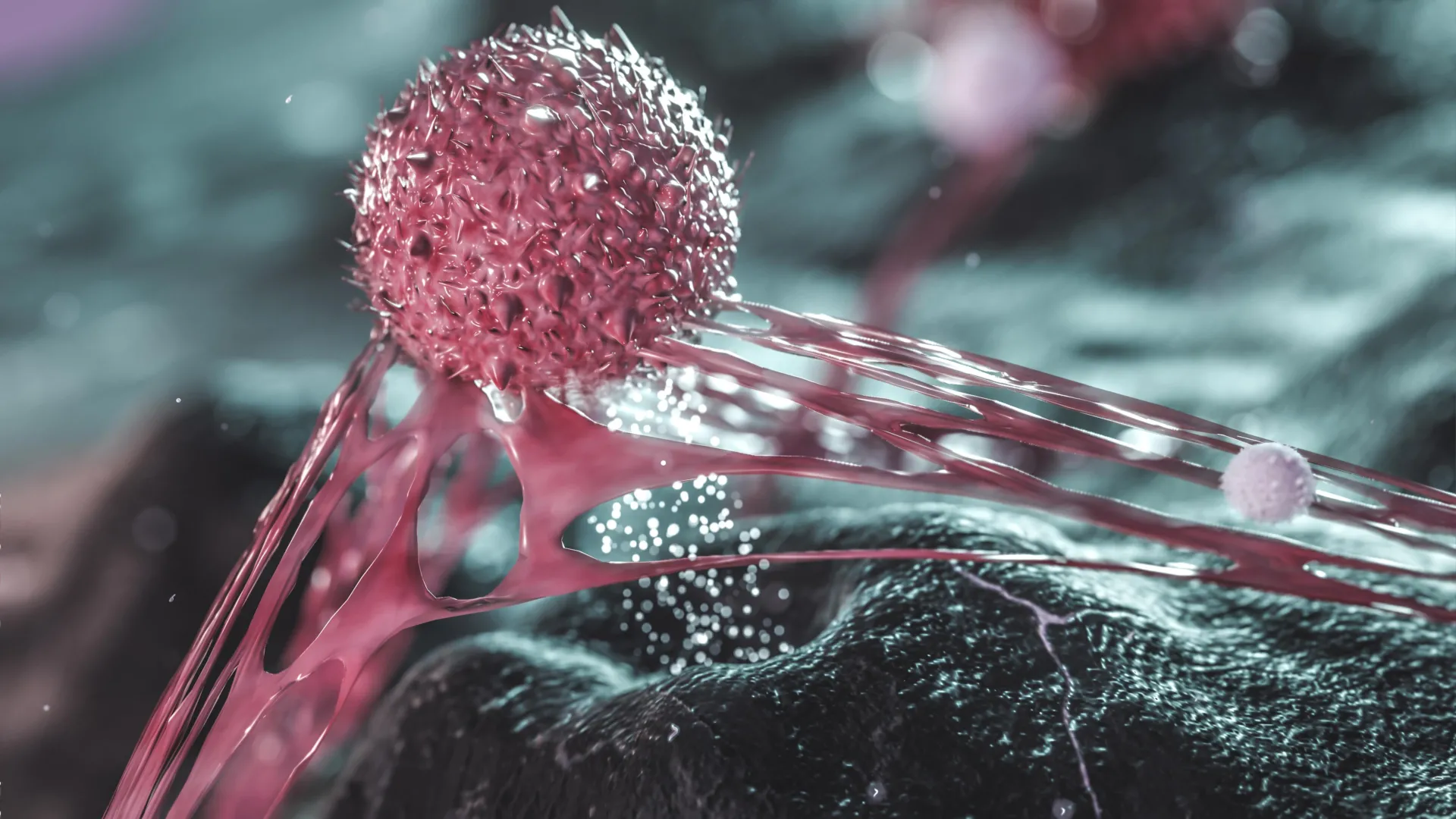
In a landmark study that challenges our fundamental understanding of cancer recurrence, researchers at The Wistar Institute have identified a surprising and potentially modifiable culprit in the fight against aggressive ovarian cancer: fructose. Published in the journal Nature Aging, the research reveals that cancer cells surviving chemotherapy—once thought to be merely dormant—act as active "command centers," secreting fructose to communicate with neighboring cells and effectively priming them to metastasize.
This discovery shifts the paradigm of cancer treatment from purely internal cellular analysis to a broader understanding of the tumor microenvironment. By identifying a specific nutrient as a signaling molecule for malignancy, the study opens the door to potential dietary interventions and reevaluates the role of common medications in cancer care.
Main Facts: The "Dormant" Cell Myth
Ovarian cancer remains one of the most lethal gynecological malignancies, primarily because of its propensity to recur after initial treatment. While platinum-based chemotherapy is often initially successful in destroying the bulk of a tumor, the vast majority of patients eventually experience a recurrence. This recurrence, which typically manifests as metastasis throughout the abdominal cavity, is responsible for nearly 90% of deaths associated with the disease.
The Wistar Institute’s team, led by Dr. Katherine Aird and postdoctoral fellow Dr. Aidan Cole, focused on the behavior of the "persister" cells—the small population of cancer cells that survive chemotherapy. Contrary to the assumption that these cells are biologically inert, the team found that they remain highly active, performing a sophisticated role in tumor progression.
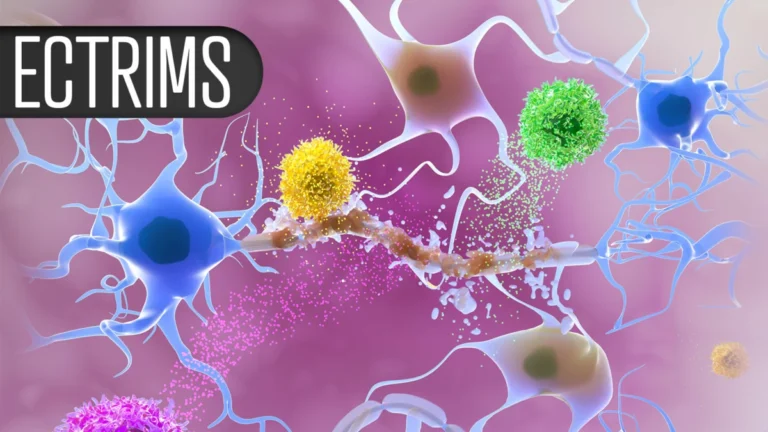
"Some cancer cells that survive chemotherapy aren’t dividing anymore, but they’re still biologically active," explains Dr. Aidan Cole. "Instead, they continue to release molecules that send signals to nearby cells. Our study is among the first to show that a nutrient—in this case, fructose—can act as one of those signals."
Chronology of Discovery: From Lab Dish to Preclinical Models
The journey to this discovery began with a simple yet profound experimental design. Researchers separated chemotherapy-surviving cancer cells from the substances they released into their environment. When these "secreted substances" were introduced to healthy cancer cells, those cells suddenly exhibited a significantly higher capacity for migration and invasion.
"As far as we know, this is the first time anyone has shown, in a preclinical model rather than just a dish, that it’s the molecules these cells release—not the cells themselves—that drive the cancer’s spread," Dr. Cole noted.
Following this, the team conducted a deep molecular analysis to isolate the specific "messenger" molecule. They discovered that surviving cells were metabolically reprogrammed to produce fructose. This fructose served as a biological signal that traveled to neighboring cells, altering their internal biochemistry and triggering the process of metastasis.
Supporting Data: The Cholesterol Connection
To understand how fructose prompts cancer cells to move, the team employed large-scale analytical methods, including CRISPR gene-editing screens. They identified a direct pathway: fructose suppresses cholesterol production within neighboring cancer cells.
In healthy biological structures, cholesterol acts as a vital "glue" that binds cells together. By reducing the internal production of cholesterol, fructose effectively weakens the bonds between cancer cells. When these cellular adhesions are compromised, the cells become more mobile, detaching from the primary tumor site and migrating to other parts of the abdominal cavity.
This molecular mechanism provides a clear, actionable pathway that explains how a common dietary sugar can fundamentally change the physical behavior of a tumor. The findings also suggest that the impact of fructose is not limited to the tumor microenvironment; the study found that high levels of dietary fructose—comparable to the consumption patterns of individuals who regularly drink sugary beverages—could encourage cancer spread even in the absence of chemotherapy.
Official Responses and Clinical Implications
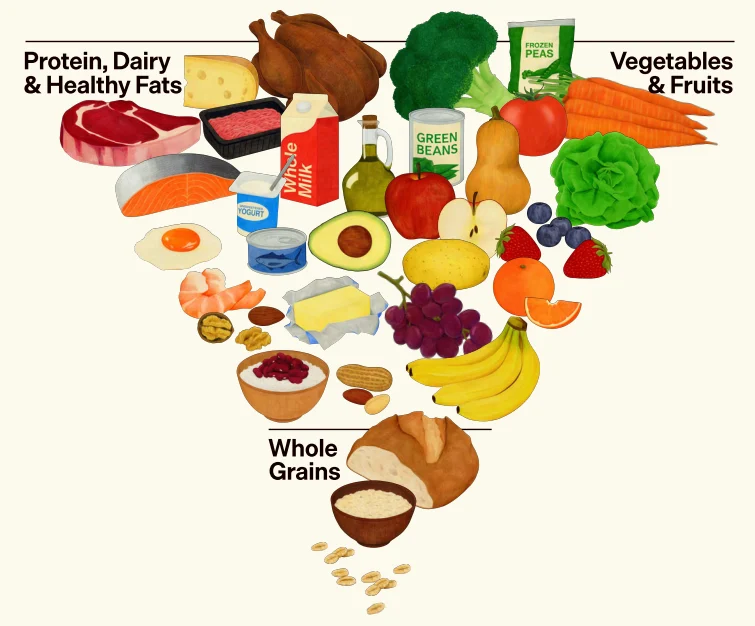
The implications of this study are vast, particularly given the prevalence of fructose in the modern Western diet. In the United States, high-fructose corn syrup can account for up to 20% of daily caloric intake for some individuals. Unlike genetic predispositions or certain environmental toxins that remain outside a patient’s control, dietary intake is a modifiable risk factor. While researchers caution that they have not yet conducted clinical trials to determine if specific dietary changes directly improve patient outcomes, the correlation is compelling.
The Statin Question
Perhaps the most contentious finding in the study involves the use of statins. As cholesterol-lowering drugs, statins are used by approximately 39 million Americans. Because the study found that lower cholesterol production facilitates cancer spread, the researchers raised urgent questions regarding the potential interaction between statins and chemotherapy.
"We haven’t tested this effect in patients yet, but it raises questions about combining cholesterol-lowering drugs with chemotherapy, especially since ovarian cancer is most common in postmenopausal women who are often already on statins," says Dr. Katherine Aird.
Despite this, both Aird and Cole emphasized a critical warning: Patients should not discontinue their prescribed medications based on these findings. The study was a preclinical analysis, and the complex interaction between metabolic pathways in the human body requires rigorous clinical testing before any changes to standard treatment protocols can be recommended.
Broader Implications: A Universal Mechanism?
While the current research centers on ovarian cancer, the scientific community is already looking toward broader horizons. The metabolic pathways identified by the Wistar team are not necessarily unique to the ovaries.
"We think other cancers that spread within the torso—pancreatic, colon, liver—could behave similarly," Dr. Aird stated. "We can’t call it universal yet, but we think the effects are not just limited to ovarian cancer."
The researchers are currently planning follow-up studies to replicate these findings in other cancer types. If confirmed, this would represent a significant shift in oncological nutrition, potentially leading to "metabolic counseling" as a standard of care for cancer patients.
Future Directions
The Wistar Institute study serves as a call to action for the scientific community to integrate nutritional science more deeply into cancer research. By identifying how metabolic products—like fructose—act as signaling molecules, the study provides a new lens through which to view tumor growth and resistance.
As the team prepares for further investigations, the medical community will be watching closely. Future studies will likely aim to:
- Clinical Correlation: Determine if dietary fructose intake correlates with the rate of recurrence in ovarian cancer patients.
- Pharmacological Intervention: Investigate whether certain medications can block the fructose-signaling pathway without the negative side effects of reducing cellular cholesterol.
- Cross-Cancer Application: Test whether the "fructose-cholesterol-metastasis" axis is a common driver in other abdominal cancers.
In conclusion, the work of Dr. Aird, Dr. Cole, and their extensive team of collaborators has illuminated a previously overlooked dimension of cancer biology. By bridging the gap between nutritional science and oncology, this research provides a promising roadmap for future therapeutic strategies that could one day turn the tide against the recurrence of aggressive cancers. While the path to clinical application is long, the discovery of this "sugar signal" represents a significant step toward more personalized, lifestyle-conscious cancer care.
This study was supported by numerous grants, including those from the National Institutes of Health, the American Cancer Society, the Ovarian Cancer Research Alliance, and the Congressionally Directed Medical Research Program, among others.