







Introduction: A Modern Public Health Challenge
As the legislative landscape surrounding cannabis continues to shift across the United States, public health officials are increasingly grappling with a complex, modern challenge: the prevalence of "co-use"—the simultaneous consumption of cannabis and alcohol. While the risks of driving under the influence of alcohol have been well-documented for decades, the specific dangers posed by the interaction of cannabis edibles and alcohol have remained largely shrouded in scientific ambiguity.
A groundbreaking study published in the JAMA Network by researchers at Johns Hopkins Medicine has finally shed light on this perilous combination. The research suggests that when cannabis edibles are paired with alcohol, the resulting impairment to driving ability is not merely additive, but synergistic, creating a level of danger that far exceeds the effects of either substance consumed in isolation. Perhaps more concerning, the study reveals that current standard field sobriety tests—the frontline tools used by law enforcement—are woefully inadequate at detecting the specific, often subtle, forms of impairment caused by cannabis, even when that cannabis is consumed alongside alcohol.
The Study: Investigating the "Synergistic" Effect
To understand the real-world implications of this co-use, a team led by the Johns Hopkins University School of Medicine designed a rigorous, gold-standard experimental trial. The researchers sought to move beyond the anecdotal reports of "cross-fading" to provide concrete, physiological, and behavioral data.
Methodology and Participant Selection
The study involved 30 healthy volunteers, aged 21 to 55, who were carefully vetted to ensure their safety and the integrity of the data. The selection criteria were specific: participants had to have a history of using both cannabis and alcohol within the past year and were required to have engaged in binge drinking at least once in the previous 90 days. Crucially, the researchers intentionally selected "infrequent" cannabis users—those who used the substance fewer than three times per week—to ensure that the study results were not skewed by high levels of tolerance.
Before being accepted into the study, each candidate underwent a battery of medical and psychiatric evaluations, physical examinations, and routine drug screenings to ensure they were healthy and free from illicit substances that could confound the results.
The Experimental Protocol
The participants attended seven distinct experimental sessions, each separated by at least one week to allow for a complete "washout" period, ensuring no residual drugs remained in their systems. During these sessions, participants were administered either a cannabis brownie (containing 10mg or 25mg of THC) or a placebo, followed by either an alcoholic beverage or a non-alcoholic control drink. The alcohol doses were calibrated to achieve breath alcohol concentrations (BrAC) of 0.05% or 0.08%, the latter being the standard legal limit for driving across the United States.
The study employed a sophisticated simulation environment. Participants completed a "training visit" before the experimental phase to ensure they were comfortable with the driving simulator, thereby minimizing the "learning effect" that often plagues such research. Throughout the 7.5-hour observation window following consumption, the participants were subjected to repetitive cognitive, psychomotor, and driving assessments, alongside blood sampling to track the pharmacokinetics of THC and its metabolites.
Chronology of Impairment: What the Data Shows
The research protocol allowed scientists to observe the arc of intoxication from the initial onset to the tail end of the substance effects.
- Baseline Testing: Before any substances were consumed, participants underwent standard sobriety checks and cognitive tests to establish a control baseline.
- Consumption Phase: One hour after a standard breakfast, participants consumed the brownie. Forty-five minutes later, they consumed the alcohol or placebo drink over a 15-minute period.
- Observation Window: Assessments were repeated multiple times throughout the day, up to 7.5 hours post-ingestion. This duration was vital, as cannabis edibles are known for a delayed onset and a significantly longer duration of effect compared to smoked cannabis or alcohol.
The findings were stark. While alcohol alone predictably impairs motor function and judgment, the addition of cannabis edibles significantly deepened and extended this impairment. Participants reported feeling subjectively "more intoxicated" when both substances were present, and the driving simulator data confirmed that their control over the vehicle—specifically in areas of lane maintenance and reaction time—was significantly degraded compared to the single-substance trials.
The Failure of Field Sobriety Tests
One of the most alarming takeaways from the Johns Hopkins study is the inadequacy of current law enforcement tools. Standard field sobriety tests (FSTs), which rely on visual cues like eye movement, balance, and coordination, were found to be largely ineffective at detecting impairment in participants who had consumed cannabis, regardless of whether they had also consumed alcohol.
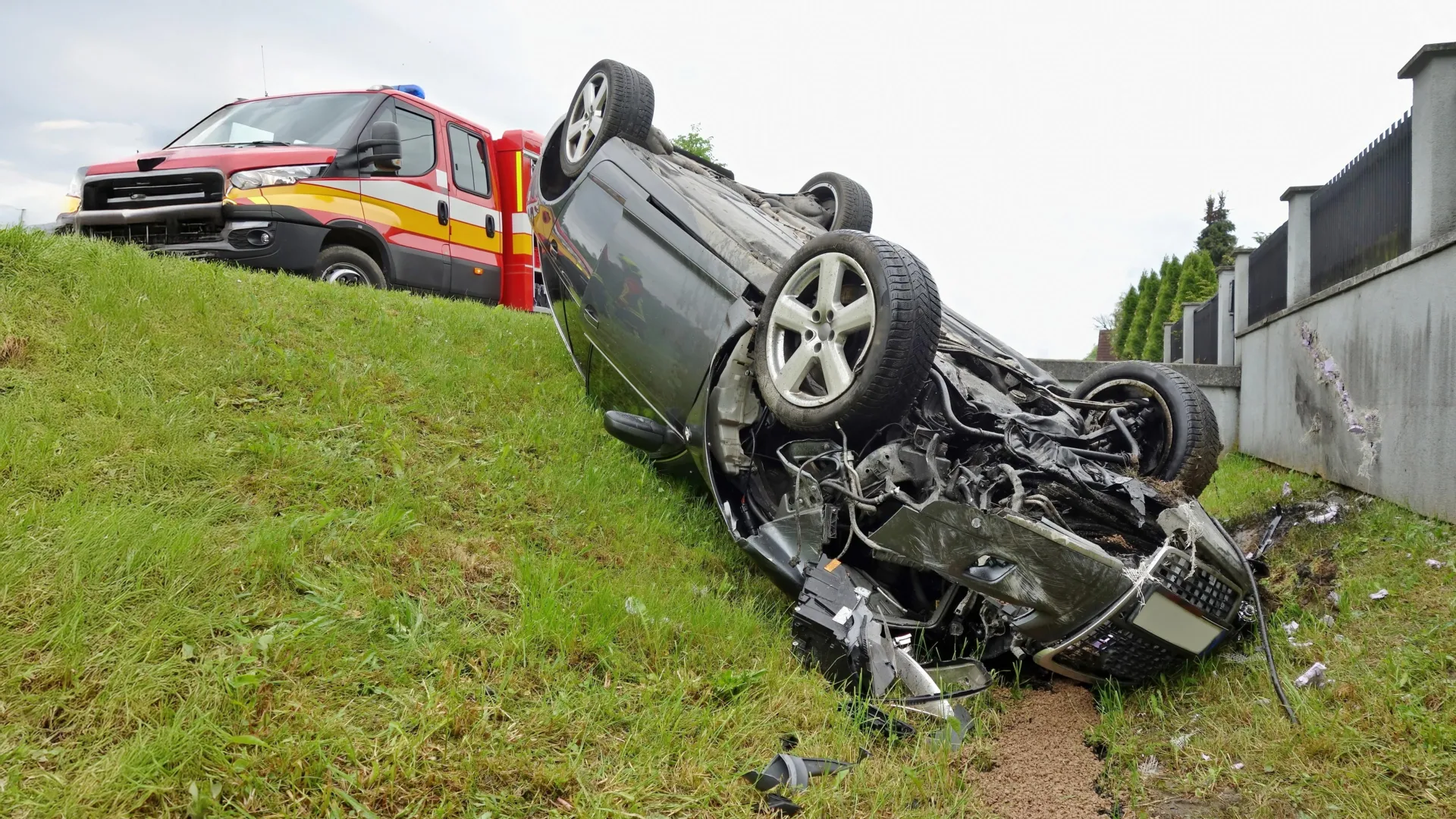
In many instances, the participants demonstrated significant impairment in the driving simulator—a direct proxy for road danger—while simultaneously "passing" the FSTs administered by researchers. The tests only reliably signaled intoxication when the alcohol levels reached the 0.08% BrAC threshold. This creates a dangerous "blind spot" in traffic safety enforcement. As legal standards across the U.S. continue to rely on the 0.08% limit as a catch-all, the data suggests that this threshold fails to account for the heightened danger posed by the presence of THC, which can turn a "legal" blood-alcohol level into a state of total road incapacity.
Official Responses and Expert Commentary
Dr. Austin Zamarripa, the study’s lead author and an assistant professor of psychiatry and behavioral sciences, emphasized that the interaction between the two substances is fundamentally different than simply adding them together.
"Our findings indicate that co-use of cannabis and alcohol produces significantly greater driving impairment and subjective intoxication than either substance alone," Zamarripa noted. "Importantly, these findings suggest that the interaction between cannabis edibles and alcohol is not merely additive, but may be synergistic in producing impairment, which has important implications for real-world risk."
Dr. Tory Spindle, the principal investigator and an associate professor at the Johns Hopkins University School of Medicine, highlighted the urgency of this research given the shift in how people consume cannabis. "We designed this study because people are increasingly co-using alcohol with edible cannabis products, yet controlled research has largely focused on smoked cannabis," Spindle stated. "This is the first controlled study to examine how cannabis edibles and alcohol interact… Consuming typical retail doses of cannabis edibles alongside even low doses of alcohol can produce driving impairment comparable to—or greater than—alcohol alone at the legal limit."
The research team also included noted experts such as Dr. Ryan Vandrey, Dr. Elise Weerts, Dr. David Wolinsky, and Dr. Denis Antoine, all of whom have called for a reassessment of current public safety protocols.
Implications for Public Safety and Policy
The Johns Hopkins study serves as a clarion call for legislators, regulators, and the general public. As cannabis legalization spreads, the "normalizing" of its use must be accompanied by a rigorous public health education campaign regarding the risks of co-use.
A Need for New Detection Methods
The fact that field sobriety tests miss cannabis-related impairment highlights a massive technological and procedural gap. Policymakers must now consider:
- Investment in Behavioral Detection: If physical sobriety tests are insufficient, states may need to invest in more comprehensive impairment assessment protocols that account for cognitive, rather than just physical, deficits.
- Revising Legal Thresholds: The study suggests that the 0.08% BrAC threshold is an insufficient metric for road safety in a post-legalization era. Regulators may need to explore "impairment-based" rather than "concentration-based" laws, or develop new standards that account for the presence of multiple psychoactive substances.
- Public Awareness Campaigns: Most consumers are unaware of the synergistic effects of "cross-fading." Educational initiatives should focus on the specific dangers of edibles—which have a slower, more intense onset—when combined with alcohol.
Conclusion: Looking Ahead
The research from Johns Hopkins Medicine marks a critical milestone in the scientific understanding of substance impairment. It challenges the status quo of traffic safety enforcement and highlights a growing, yet hidden, danger on our roads.
While cannabis legalization is a complex social and political issue, the physiological realities of its interaction with alcohol are non-negotiable. As the scientific community continues to peel back the layers of this interaction, the data is clear: the combination of cannabis edibles and alcohol significantly compromises the ability to operate a motor vehicle safely. Protecting the public will require a fundamental shift in how we detect, legislate, and talk about the risks of co-use in an increasingly complex substance environment. Further research is not just recommended; it is an urgent necessity for the safety of every driver on the road.