






Introduction: Beyond the Glitter and Gloss
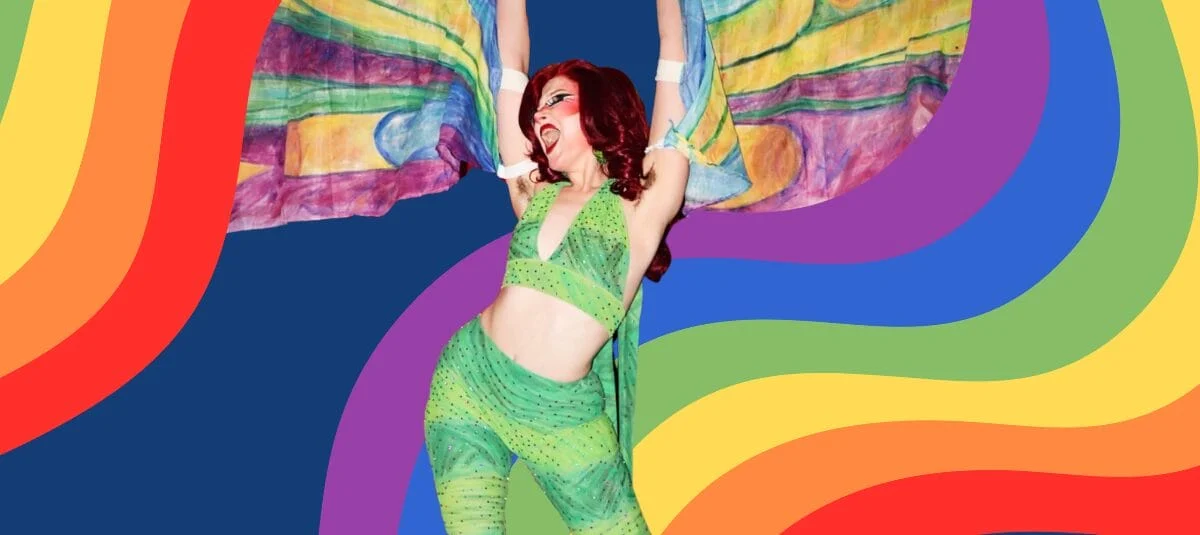
In the contemporary cultural landscape, drag has often been distilled into a series of high-energy performances and televised competitions. However, for those within the community, the art form represents a much deeper sociological phenomenon: the construction of "chosen families" and the creation of sanctuary spaces. A year and a half ago, a new performer stepped onto a stage for the first time, uncovering a reality that many in the LGBTQ+ community have known for decades—that the makeup and costumes are merely the gateway to a profound system of mutual support and psychological resilience.
This report explores the intersection of performance art, community building, and mental health within the drag scene, examining how these spaces function as vital lifelines for individuals navigating a world that often marginalizes queer identities.
Main Facts: The Architecture of Chosen Families
The core of the drag experience is not merely the performance itself, but the "kinship structures" that develop behind the scenes. In a society where many queer individuals face rejection from their biological families, the drag community offers a structured alternative known as the "Drag House" or "Drag Family."
The Concept of Mentorship and Lineage
Drag is unique in its pedagogical approach. Experienced performers, often referred to as "Drag Mothers" or "Drag Fathers," adopt newer performers. This relationship is both professional and deeply personal. Mentors provide technical training—instruction on the application of theatrical cosmetics, the styling of complex synthetic wigs, and the art of "stoning" (applying rhinestones to garments). However, the mentorship extends into emotional labor, providing a blueprint for navigating life as a queer person.
The Sanctuary of the Gay Bar
For many, the entry into a drag venue marks the first time they occupy a space where they are the majority rather than the minority. This shift in power dynamics allows for a psychological "unmasking," where individuals feel safe to express the fullest versions of themselves without the fear of the "heteronormative gaze."
Chronology: From Spectator to Protagonist
The journey of a drag performer typically follows a trajectory from observation to participation, a process that mirrors the stages of identity integration in queer psychology.
Phase I: The Period of Observation
Before ever touching a makeup brush, most performers spend significant time as audience members. In the case study provided, the individual attended local shows for over a year. This period is crucial for "social signaling," where the individual learns the norms, language, and safety protocols of the community. The first visit to a gay bar is often cited as a landmark event—a moment of "coming home" to a space where one’s identity is not a point of contention but a point of connection.
Phase II: The Debut and the "Slow Motion" Effect
The transition from the audience to the stage is described as a transformative psychological event. Performers often report a "flow state" or a sense of time dilation as they step through the curtain. This first performance is a rite of passage. It is the moment an individual moves from being a consumer of the culture to a contributor.
Phase III: Integration and the Expansion of Kinship
Following the initial performance, the "honeymoon phase" of the spotlight gives way to the enduring work of community building. The performer in our study described an immediate outpouring of support from veterans in the scene. This led to the formation of a complex web of "drag aunts," "drag godmothers," and even "drag in-laws" (through a performing partner). The social circle evolves from a network of acquaintances into a "family reunion" atmosphere, where critiques on wig placement are delivered with the same care as parental advice.
Supporting Data: The Mental Health Imperative
The importance of these spaces is backed by significant psychological research regarding the "Minority Stress Model." This model suggests that the high rates of mental health challenges in the LGBTQ+ community are not inherent to their identities but are the result of chronic stress caused by prejudice and social isolation.
The Protective Factor of Belonging
According to the Trevor Project and other mental health advocacy groups, "chosen families" act as a primary protective factor against depression and anxiety. For queer youth and adults who lack support from their families of origin, the presence of a stable, affirming community can reduce the risk of self-harm and suicide significantly.
- Social Connectivity: Finding "people who you can see yourself in" alleviates the "odd one out" syndrome. When a person is surrounded by others who share their lived experience, the psychological burden of being "different" is lifted.
- Creative Expression as Therapy: The act of drag allows for the externalization of internal identities. By transforming into a "different version of oneself," performers can explore facets of their personality—confidence, humor, and resilience—that they may feel pressured to suppress in their daily lives.
The Role of Sobriety and Alternative Spaces
While bars have historically been the centers of queer life, the modern movement is expanding into "sober queer spaces." Art collectives, coffee shops, and community centers are increasingly hosting drag events, ensuring that the mental health benefits of the community are accessible to those who may be in recovery or who prefer environments without alcohol.
Official Responses and Perspectives
Mental health organizations have begun to recognize the grassroots power of storytelling and performance in fostering wellness.
The Active Minds Perspective
Active Minds, a leading nonprofit organization dedicated to promoting mental health for young adults, emphasizes that "mental health mobilization" often starts with personal narrative. By encouraging performers to share their stories, the organization highlights how creative outlets can serve as blueprints for others struggling with their own journeys. Their stance is that visibility is not just about pride; it is about providing evidence of a "liveable future" for those currently in crisis.
Community Leadership
Local drag icons and "house parents" serve as unofficial community health workers. Their "official" response to the needs of the community is often found in the informal lectures given on club patios. These mentors emphasize that while the performance is about the audience, the practice of drag is about the performer’s well-being. The consensus among scene leaders is that the durability of the community depends on its ability to care for its members’ mental health year-round, far beyond the visibility of June’s Pride festivities.
Implications: The Vitality of Local Spaces
The narrative of the drag performer serves as a microcosm for a larger social necessity. The implications of these findings suggest that the preservation of queer spaces is a public health priority.
The Political and Social Climate
As drag performances face increased scrutiny and legislative challenges in various jurisdictions, the loss of these spaces represents more than just the loss of entertainment. It represents the dismantling of mental health support systems. When a drag show is canceled or a gay bar is closed, a "family" loses its living room, and individuals lose their primary source of social validation.
Beyond the Month of June
A critical implication for allies and community members alike is the need for "year-round" engagement. The performer’s advice to seek out queer events past June is a call for sustainable community building. For individuals seeking to improve their mental health through connection, the recommendation is clear:
- Seek Local Anchors: Look for venues that operate as community hubs throughout the year.
- Embrace the Learning Curve: The act of "picking up a wig" is a metaphor for engaging in the vulnerability of learning a new craft within a supportive environment.
- Prioritize "Chosen Family": For those without biological support, the active construction of a drag or queer family is a valid and life-saving alternative.
Conclusion
The story of a first-time performer stepping into the spotlight is a testament to the enduring power of community. Drag, while often viewed through the lens of spectacle, is at its heart a mechanism for survival. It transforms the "odd one out" into a member of a lineage, and it turns a bar into a sanctuary. As we move forward, the recognition of these spaces as essential to the mental health and social fabric of the LGBTQ+ community is paramount. The glitter may eventually be washed off, but the bonds formed under the spotlight remain as a permanent shield against the isolation of the outside world.