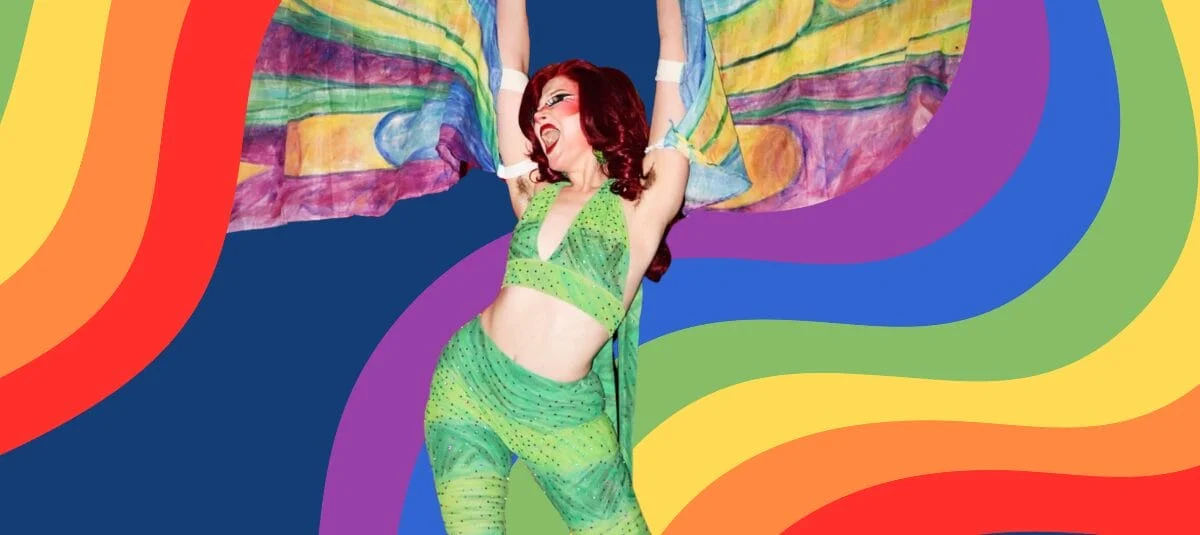
Main Facts: The Intersection of Performance and Kinship
In the contemporary landscape of LGBTQ+ advocacy, drag has transcended its origins as a niche nightlife subculture to become a cornerstone of community resilience and mental health support. While mainstream media often focuses on the aesthetic spectacle—the towering wigs, the meticulous contouring, and the high-energy choreography—the underlying reality of the drag scene is rooted in a sophisticated system of "chosen family." This social structure provides a critical safety net for individuals who may face ostracization from traditional support systems.
Recent narratives from the front lines of the performance world highlight a recurring theme: drag is less about the individual in the spotlight and more about the collective in the wings. For many performers, the act of stepping onto a stage for the first time marks the beginning of a profound psychological journey. It is a transition from isolation to integration, where the "drag house" or local scene functions as a surrogate family. This communal framework is not merely a byproduct of the art form; it is a deliberate response to the historical and ongoing marginalization of queer identities.
The essence of this community lies in its mentorship. Experienced performers, often referred to as "drag parents," provide more than just technical advice on aesthetics; they offer emotional labor, housing stability, and a sense of belonging. As the mental health crisis among LGBTQ+ youth continues to be a point of national concern, the organic support networks found in local gay bars, sober queer spaces, and art collectives are increasingly recognized as essential components of public health.
Chronology: From Spectator to Subculture Anchor
The journey into the heart of the drag community typically follows a distinct chronological arc, beginning with the search for a "third space"—a location outside of the home or workplace where one feels a sense of psychological safety.
The Initial Contact
For many, the first encounter with drag occurs in the sanctuary of a gay bar. This initial step is often the first time an individual finds themselves in a space where their identity is the majority rather than the fringe. Observations from new members of the community describe this moment as a "homecoming," where the hyper-vigilance often required in heteronormative spaces begins to dissipate.
The Year of Observation
Before many take the stage, there is often a period of immersion. During this time—frequently spanning a year or more—prospective performers act as "fans" or "regulars." They observe the social hierarchies, the traditions of the "tipping" culture, and the nuances of stagecraft. This phase is crucial for building the trust necessary to enter the more intimate circles of the "chosen family."
The Debut and Integration
The first performance is the catalyst for formal integration. Stepping through the curtain and into the spotlight represents a "coming out" within the community itself. Following the debut, the process of "adoption" begins. It is during this phase that the performer is folded into a lineage. They may be mentored by a "drag mother" or guided by "drag aunts," establishing a multi-generational connection that mirrors a traditional family tree.
The Long-term Evolution
Over time, the performer moves from being a mentee to a peer, and eventually, a mentor. This cycle ensures the longevity of the community. The "family reunion" atmosphere described by seasoned performers—often taking place on club patios or in dressing rooms—becomes a permanent fixture of their social and emotional lives, providing stability through various life stages.
Supporting Data: The Psychological Necessity of Chosen Families
The importance of the "chosen family" in the drag community is backed by significant sociological and psychological data. Research consistently shows that LGBTQ+ individuals who lack support from their biological families are at a significantly higher risk for depression, anxiety, and suicidal ideation.
- Family Rejection vs. Chosen Support: According to data from The Trevor Project, LGBTQ+ youth who have at least one accepting adult in their lives are 40% less likely to attempt suicide. In the context of drag, "drag parents" often fill this role, providing the validation that may be missing from a performer’s home life.
- The "Third Space" Effect: Sociologist Ray Oldenburg’s theory of the "third space" suggests that locations like bars and coffee shops are essential for civil society and individual well-being. For the queer community, these spaces are not just social; they are clinical in their ability to reduce the "minority stress" associated with living in a marginalized body.
- Peer Mentorship Outcomes: Studies on peer-led mental health interventions indicate that individuals are more likely to seek help and follow through with self-care when the advice comes from someone with shared lived experiences. The informal "lectures" given by older drag queens about everything from wig placement to relationship advice serve as a grassroots form of cognitive-behavioral support.
Official Responses: Advocacy and Institutional Recognition
Organizations dedicated to mental health and LGBTQ+ rights have begun to formally recognize the role of these community spaces. Active Minds, a leading nonprofit promoting mental health awareness among young adults, has emphasized the power of storytelling within these subcultures. By encouraging performers to share their "mental health mobilization" stories, they aim to bridge the gap between clinical support and community-based healing.
"The narrative of the ‘chosen family’ is not just a heartwarming sentiment; it is a survival strategy," says a representative from a prominent mental health advocacy group. "When we see performers supporting each other through the rigors of performance and the challenges of daily life, we are seeing a highly effective, decentralized model of mental health care."
Furthermore, the "ballroom scene"—the historical predecessor to modern drag families—has been studied by academics as a masterclass in social organization. These "Houses" (e.g., the House of Labeija, the House of Xtravaganza) provided a blueprint for how marginalized groups can build autonomous systems of care. Today’s local drag scenes are the direct descendants of this legacy, carrying forward a tradition of resilience that is now being documented by historians and social workers alike.
Implications: The Future of Queer Spaces and Mental Wellness
The implications of these findings are profound, particularly in a socio-political climate where drag performances and queer spaces are under increasing scrutiny. The protection of these venues is not merely a matter of preserving entertainment; it is a matter of preserving public health.
The Necessity of Year-Round Visibility
While "Pride Month" in June provides a surge of visibility and corporate support, the mental health needs of the queer community are a year-round reality. The drag community’s existence past June is vital. Sober queer spaces, such as art collectives and coffee shops, are becoming increasingly important for those who seek the "chosen family" dynamic without the presence of alcohol.
The Impact of Hostility
Legislation aimed at restricting drag performances threatens the infrastructure of these chosen families. When a local drag show is canceled or a gay bar is targeted, it isn’t just a show that is lost—it is a support group, a mentorship program, and a sanctuary. The psychological impact of losing these spaces can lead to increased isolation and a resurgence of "odd one out" syndrome, where individuals feel disconnected from their peers.
A Call to Community Integration
For those struggling with mental health within the LGBTQ+ community, the "drag family" model offers a path toward healing. The transition from feeling like the "weird gay one" in a biological family to being a valued member of a "drag house" can be life-changing. It fosters a sense of agency and belonging that is often the best defense against the pressures of a discriminatory society.
In conclusion, the sequins and spotlights of the drag world are the visible markers of a much deeper, more significant structure. Drag is a vessel for community, a classroom for mentorship, and a laboratory for identity. As we look toward the future of mental health advocacy, the lessons learned on the stages and patios of local drag venues provide a blueprint for how we can all better care for one another. By finding—and building—spaces where we are seen and understood, we transform from isolated individuals into a formidable, supportive family.
Get Involved
The journey of mental health is often paved with the stories of those who have walked the path before us. If your experiences in the queer community or the drag scene have shaped your mental health journey, your story could be the blueprint someone else needs. Active Minds invites you to share your narrative and contribute to the global conversation on mental health mobilization. By telling your story, you help show the world that no one has to navigate their path alone. Visit the Active Minds website to learn more about submission guidelines and how to make your voice heard.