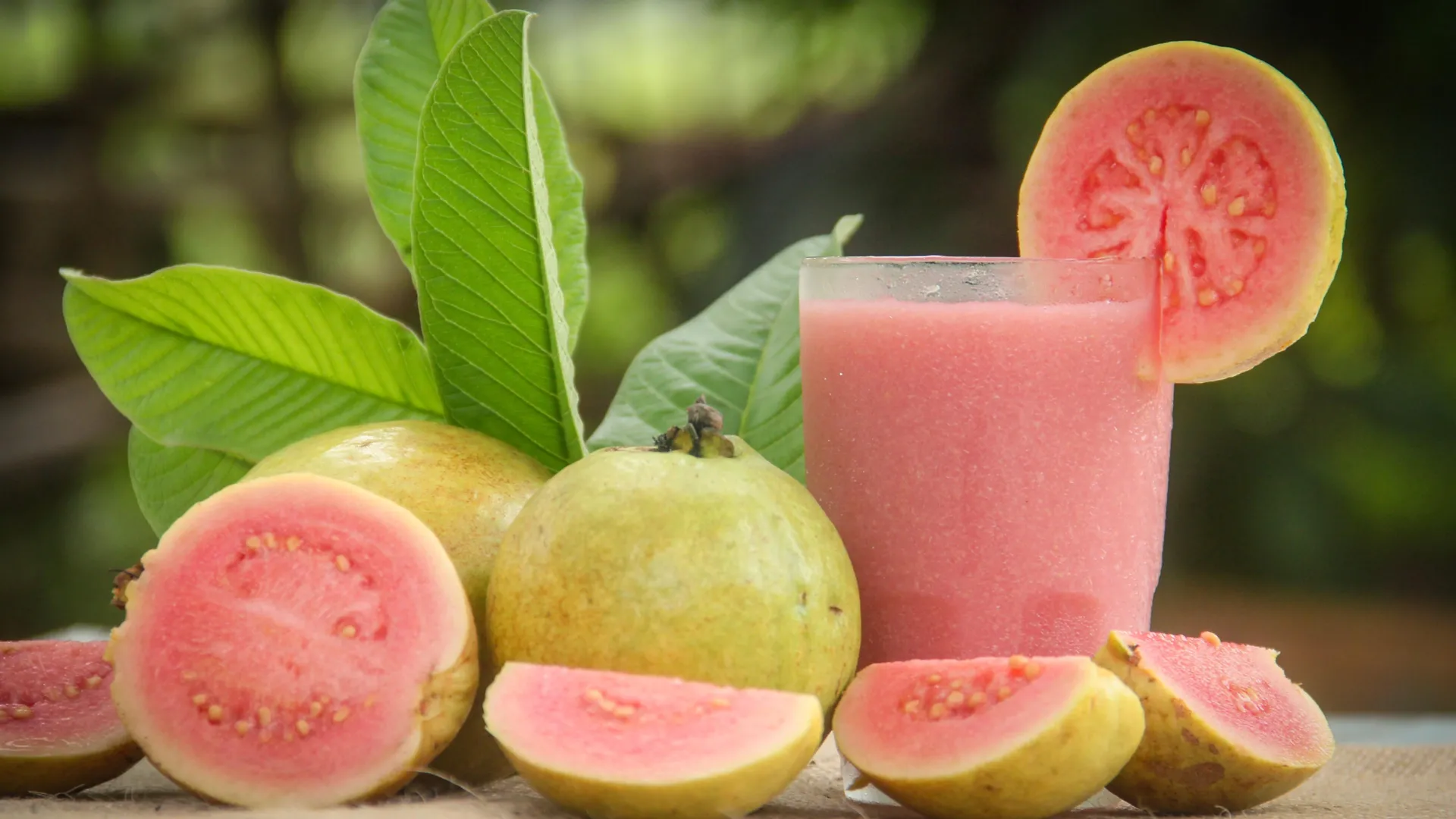
A simple, affordable, and culturally accessible intervention may be hiding in plain sight. According to a new comprehensive review published in the open-access journal BMJ Nutrition Prevention & Health, the regular consumption of guava juice could serve as a powerful tool in the fight against iron deficiency anemia among women and teenage girls in low- and middle-income countries (LMICs). By pairing this nutrient-dense tropical fruit with standard iron supplementation, researchers believe they have identified a scalable strategy that could significantly improve public health outcomes in regions where anemia remains a stubborn, life-altering condition.
The Silent Crisis: Understanding the Burden of Anemia
Iron deficiency anemia is not merely a clinical diagnosis; it is a global public health crisis that disproportionately affects the most vulnerable demographics. For pregnant women, the condition can lead to severe obstetric complications, increased susceptibility to infections, and even maternal mortality. For adolescent girls, the consequences are equally dire, manifesting as chronic fatigue, stunted physical growth, impaired cognitive function, and a diminished capacity for academic and professional success.
In many developing nations, the cycle of anemia is exacerbated by poor dietary diversity and limited access to fortified foods. While iron supplementation programs have been the bedrock of clinical intervention for decades, they are often hampered by logistical hurdles, supply chain inconsistencies, and issues with patient compliance. The prospect of using a locally sourced, culturally accepted, and highly nutritious fruit like guava offers a refreshing departure from purely pharmaceutical-based approaches.
The Nutritional Powerhouse: Why Guava?
The biological rationale behind the researchers’ focus on guava lies in its exceptional nutrient profile. Guava is a veritable powerhouse of vitamin C, containing up to four times more of the essential nutrient per 100 grams than oranges. Vitamin C acts as a critical facilitator in human physiology: it significantly enhances the absorption of non-heme iron (the form of iron found in plant-based foods) by reducing it to a more soluble state in the digestive tract.
Beyond its vitamin C content, guava is rich in a spectrum of essential micronutrients, including vitamin A, folate, and dietary fiber, alongside modest amounts of iron itself. This synergistic effect—combining high-potency vitamin C with iron—is what researchers suspect drives the improved hemoglobin levels observed in the recent study.
Chronology of the Evidence
The journey toward understanding the clinical utility of guava began with isolated observations in Indonesia, where several small-scale studies suggested a correlation between the regular consumption of the juice and improved blood profiles. However, these studies were often disparate, utilizing different methodologies and sample sizes, which made it difficult for public health officials to draw definitive conclusions.
To bridge this gap, the research team conducted a rigorous systematic review of studies published in English since the year 2000. Their inclusion criteria were strict, identifying 17 eligible studies: 15 quasi-experimental trials and two randomized controlled trials. The collective data represented a diverse group of participants, including 11 studies focused on pregnant women and six on teenage girls. By aggregating the findings from 12 of these studies—totaling 235 participants—the researchers were able to perform a meta-analysis that quantified the impact of the intervention.
Supporting Data: A Measurable Improvement
The statistical results of the review are compelling. Participants who consumed guava juice demonstrated an average hemoglobin increase of 1.71 g/dl. When stratified by demographic, the benefits were slightly more pronounced in pregnant women, who saw an average increase of 1.84 g/dl, while teenage girls experienced an average increase of 1.52 g/dl.
Perhaps the most significant finding arose from the five studies that conducted a head-to-head comparison between standard iron supplementation alone and a combination of iron supplementation plus guava juice. The cohort receiving the dual intervention exhibited hemoglobin levels that were, on average, 1.29 g/dl higher than those who relied solely on iron pills.
As the study authors note, an increase of 1–2 g/dl in hemoglobin is not a trivial statistic. This shift is often enough to transition an individual from a state of mild or moderate anemia to a "non-anemic" category, effectively restoring energy levels, improving concentration, and significantly enhancing the overall quality of life.
Official Responses and Expert Perspective
The findings have sparked a nuanced conversation within the scientific community. Professor Sumantra Ray, the chief scientist and executive director of the NNEdPro Global Institute for Food, Nutrition and Health—which co-owns the journal where the study was published—offered a balanced perspective on the implications.
"This study builds on the established role of dietary sources high in vitamin C to enhance iron absorption and improve the effectiveness of iron supplementation," Dr. Ray noted. He acknowledged that the findings align with the fundamental biochemical principles of iron uptake. However, he was quick to urge caution.
"Quasi-experimental research, the wide variation in study design, small sample sizes, and limited length of follow-up mean that caution is required when interpreting the findings," Dr. Ray warned. He emphasized that without further, more rigorous randomized clinical trials, the medical community cannot yet recommend guava juice as a substitute for conventional, evidence-based treatments. "Defining the best therapeutic dose and the ideal duration of use is essential before this can be integrated into standardized clinical protocols," he added.
Implications for Public Health Policy
Despite the need for further research, the study’s authors argue that the current evidence is strong enough to warrant consideration as a low-cost, sustainable public health strategy. The United Nations’ Decade of Action on Nutrition (2016–2025) explicitly calls for dietary diversification and the utilization of locally sourced, nutrient-rich foods to combat malnutrition. Guava juice fits this mandate perfectly.
Integrating Guava into Existing Frameworks
The researchers suggest that guava juice could be seamlessly integrated into several existing public health structures:
- School Nutrition Programs: Providing fresh, locally produced guava juice in school lunches could reach adolescent girls during a critical period of physical and cognitive development.
- Antenatal Care Packages: Incorporating dietary advice—and potentially provided supplements—regarding vitamin C-rich beverages like guava juice could bolster the efficacy of prenatal iron regimens.
- Community Health Initiatives: By leveraging local supply chains, health departments could promote the cultivation and consumption of guava as a culturally acceptable, affordable, and effective nutritional intervention.
Sustainability and Cultural Acceptance
A key advantage of this approach is its cultural resonance. Unlike expensive, imported, or pharmaceutical-heavy interventions that may face resistance due to taste, side effects, or lack of trust, guava is a familiar and widely enjoyed fruit across many parts of Asia. Utilizing a resource that is already culturally embedded increases the likelihood of long-term compliance and community buy-in.
Limitations and the Path Forward
While the study offers a promising path, the researchers are transparent about its limitations. The primary issue remains the reliance on quasi-experimental data, which lacks the stringent controls of randomized clinical trials. Furthermore, the studies reviewed were all conducted within the Indonesian context, raising questions about whether the results would be replicable in other geographical regions with different soil compositions, guava varieties, or dietary habits.
Additionally, the studies lacked long-term follow-up data. It remains unclear whether the benefits of the guava intervention persist over months or years, or if the improvements in hemoglobin levels plateau after a certain duration.
Conclusion: A Step Toward Dietary Diversification
The review published in BMJ Nutrition Prevention & Health does not suggest that we should abandon iron supplements. Rather, it highlights the immense potential of "food-first" strategies to augment the effectiveness of modern medicine. By leveraging the natural chemistry of vitamin C-rich fruits, public health agencies may be able to turn the tide against iron deficiency anemia more efficiently and affordably than ever before.
As the global health community looks toward 2025 and beyond, the emphasis on sustainable, locally-led nutrition solutions will only grow. If future, more rigorous studies confirm these initial findings, the humble guava could become a cornerstone of maternal and adolescent health programs, proving that sometimes, the most effective medical solutions are those that grow in our own backyards. For now, the message is clear: while we wait for more data, the nutritional wisdom of using vitamin C to support iron absorption remains a sound, science-backed approach to health.