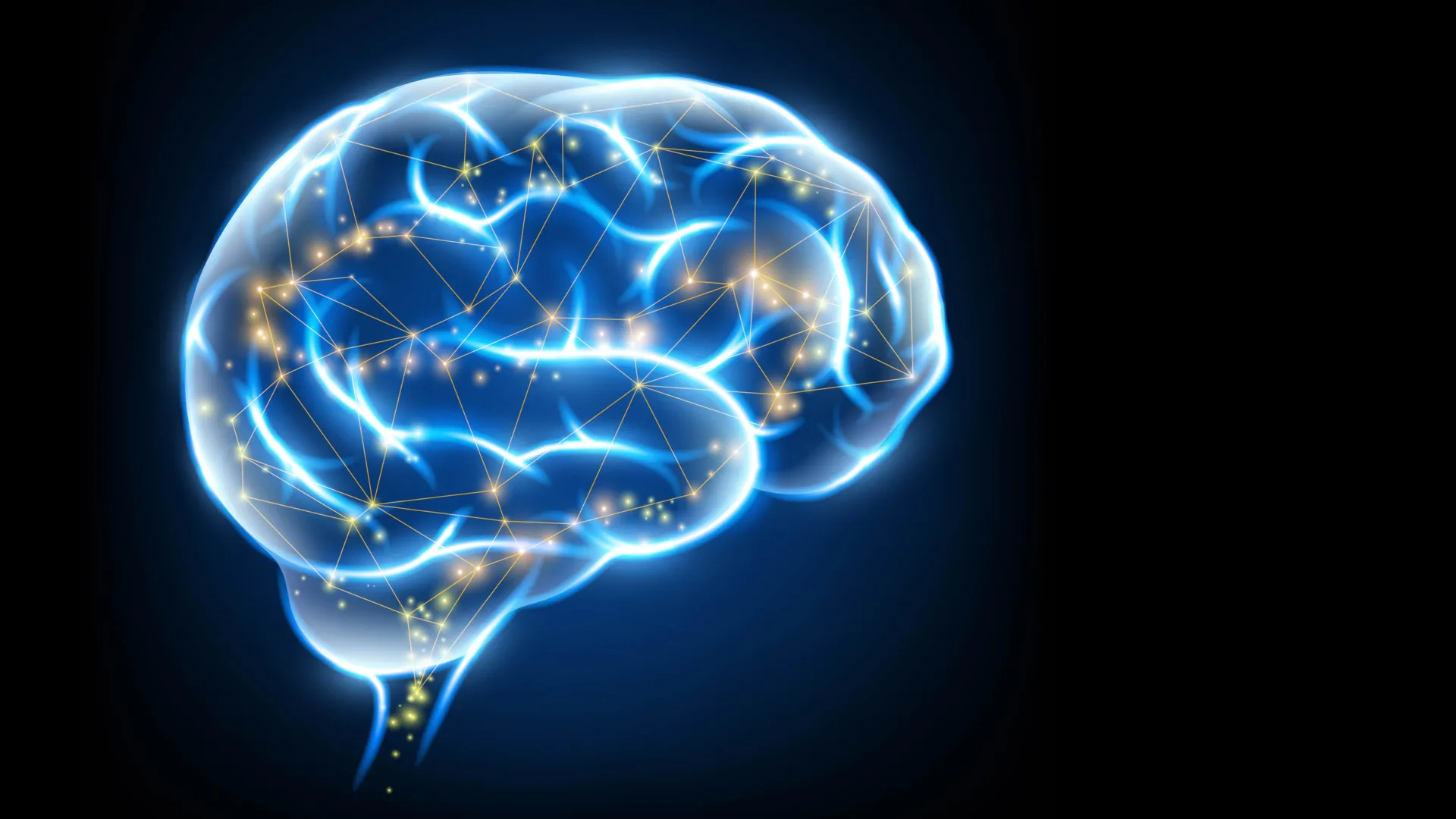
Neurodegenerative diseases—a collection of devastating conditions including Alzheimer’s, Parkinson’s, and Huntington’s—have long been considered the "final frontier" of modern medicine. These disorders are characterized by the progressive, irreversible destruction of neurons, the intricate cellular network responsible for every thought, memory, and physical movement. As these cells wither, patients often descend into a state of profound cognitive and physical decline, ultimately necessitating constant, intensive care.
For decades, the medical community has focused on symptomatic relief or slowing the pace of decline. While recent breakthroughs such as lecanemab and donanemab represent milestones in the fight against early-stage Alzheimer’s by targeting amyloid plaques, these treatments possess a significant limitation: they do not restore lost memories or repair the architectural damage inflicted upon the brain.
However, a paradigm-shifting study published in ACS Chemical Neuroscience on July 3, 2025, suggests that we may be on the cusp of a new era. Researchers from the Shibaura Institute of Technology (SIT) in Japan have engineered synthetic vitamin K analogues that show remarkable potential to induce neural regeneration, offering a theoretical pathway toward actually replenishing lost brain tissue.
The Biological Foundation: From Clotting to Cognition
Vitamin K has traditionally been categorized by its vital role in blood coagulation and the maintenance of skeletal health. Yet, in the last decade, a growing body of evidence has positioned this nutrient as a potential guardian of the nervous system. Scientists have discovered that vitamin K plays an essential role in neuronal differentiation—the complex biological "instruction manual" that guides immature neural progenitor cells to mature into functioning, communicative neurons.
While natural vitamin K, specifically menaquinone-4 (MK-4), possesses these neuroprotective properties, its potency in the human body is generally insufficient to trigger the large-scale tissue repair required to combat neurodegeneration. Recognizing this, Associate Professor Yoshihisa Hirota and Professor Yoshitomo Suhara led a team at SIT to bridge this gap. Their mission was clear: to refine the molecular structure of vitamin K to create a "super-compound" capable of driving neurogenesis more efficiently than nature intended.
Chronology of the Discovery: Engineering the "Novel VK"
The research team’s journey toward this breakthrough involved a rigorous process of medicinal chemistry and molecular modeling.
Phase 1: Synthesis and Screening
The team initiated their study by synthesizing 12 hybrid vitamin K homologs. The objective was to enhance the biological activity of the compound by fusing it with other molecules known to influence cell growth. Some homologs were linked to retinoic acid—a potent metabolite of vitamin A known for its ability to foster neuronal development—while others utilized carboxylic acid moieties or methyl ester side chains to optimize cellular absorption.
Phase 2: Benchmarking against Nature
Using mouse neural progenitor cells, the researchers compared these 12 hybrids against natural vitamin K. They focused on specific biological markers, most notably microtubule-associated protein 2 (Map2), a protein that serves as a hallmark of healthy neuronal growth and structural integrity.
Phase 3: Identifying the Lead Candidate
The data revealed a standout performer. By combining a retinoic acid structure with a specific methyl ester side chain, the team created a compound they dubbed "Novel VK." This molecule demonstrated a threefold increase in neuronal differentiation activity compared to natural vitamin K. Crucially, it successfully preserved the biological pathways of both parent compounds, proving that the hybrid structure did not sacrifice function for potency.
Supporting Data: Unlocking the mGluR1 Pathway
To understand how this synthetic compound achieved such high efficacy, the researchers conducted a transcriptomic analysis comparing cells treated with MK-4 against those treated with a suppression compound. The findings pointed to a specific, previously under-explored mechanism: the metabotropic glutamate receptors (mGluRs).
The study revealed that the differentiation induced by vitamin K is heavily dependent on mGluR1, a receptor already recognized for its role in synaptic transmission. The clinical significance of this cannot be overstated. Mice deficient in mGluR1 consistently exhibit motor and synaptic dysfunctions that mirror the clinical symptoms of human neurodegenerative diseases. By targeting this pathway, the Novel VK compound essentially "wakes up" the brain’s own repair machinery.
Furthermore, structural simulations and molecular docking studies confirmed that Novel VK possesses a superior binding affinity for mGluR1 compared to natural MK-4. In practical terms, this means that the synthetic version is not only more effective at reaching the target but also better at "locking in" to the receptor to initiate the regenerative process.
Crossing the Blood-Brain Barrier
A common failure point for potential neuro-therapies is the blood-brain barrier (BBB), a highly selective membrane that protects the brain from toxins but also prevents most drugs from entering.
In mouse models, the team tracked the pharmacokinetic profile of Novel VK. The results were highly encouraging: the compound successfully crossed the blood-brain barrier and, once inside, converted into bioactive MK-4 more efficiently than natural sources. This concentration-dependent conversion suggests that Novel VK could provide a sustained, steady supply of regenerative nutrients directly to the site of damage, a critical requirement for any long-term neuro-restorative treatment.
Official Responses and Expert Perspective
The implications of this research are significant, though the scientists involved are careful to maintain professional caution.
"Our research offers a potentially groundbreaking approach to treating neurodegenerative diseases," stated Dr. Yoshihisa Hirota. "A vitamin K-derived drug that slows the progression of Alzheimer’s disease or improves its symptoms could not only improve the quality of life for patients and their families but also significantly reduce the growing societal burden of healthcare expenditures and long-term caregiving."
Dr. Yoshitomo Suhara, a specialist in medicinal chemistry and drug discovery, emphasized that the strength of this study lies in its multidisciplinary nature. By merging the principles of nutritional biochemistry with advanced synthetic chemistry, the team has provided a blueprint for future therapeutic development. "We are moving beyond the era of mere symptom management," Dr. Suhara noted. "The focus now must shift toward regenerative medicine—replacing the cells that the disease has taken away."
Implications: A New Horizon for Healthcare
While these results are currently limited to laboratory and mouse models, they provide a clear, evidence-based target for the pharmaceutical industry. The transition from "symptom management" to "tissue restoration" represents a massive shift in how the medical community approaches aging and cognitive decline.
1. Shifting the Therapeutic Target
Current anti-amyloid treatments are essential, but they are not cures. A regenerative agent like the Novel VK compound would ideally be used in conjunction with these therapies. While one class of drugs clears the toxic proteins (the "debris"), the regenerative agent would help rebuild the neural architecture (the "structure").
2. Economic and Societal Impact
Neurodegenerative diseases represent one of the largest economic burdens on global healthcare systems. The cost of long-term care for patients with advanced dementia is staggering. If a therapeutic agent could delay the onset of severe symptoms or restore basic function, the reduction in long-term care requirements could reshape the economic landscape of elderly care.
3. The Path Toward Clinical Trials
The researchers acknowledge that a long road remains before human trials can begin. Safety profiles, optimal dosing, and long-term side effects must be rigorously tested. However, the identification of the mGluR1 pathway as a viable target gives pharmaceutical companies a specific focal point for drug development.
Conclusion
The study from the Shibaura Institute of Technology serves as a beacon of progress. By looking at a familiar nutrient through the lens of modern molecular engineering, Dr. Hirota, Dr. Suhara, and their team have opened a door that was previously thought to be locked. While we are still in the early stages of this journey, the prospect of a vitamin K-derived therapy that can genuinely restore lost brain function is no longer just a hypothetical dream—it is a measurable, actionable, and scientifically supported goal. As the research moves toward potential clinical application, it offers a glimmer of hope to millions of families who have long awaited a genuine breakthrough in the battle against neurodegeneration.
Research Funding Acknowledgments
This study was supported by various institutions, including the Mishima Kaiun Memorial Foundation, the Suzuken Memorial Foundation, the KOS Cosmetology Research Foundation, the Koyanagi Foundation, and the Toyo Institute of Food Technology. Additional support was provided by the Japan Society for the Promotion of Science (JSPS) under grants 18KK0455, 20K05754, 18K11056, 21K11709, 24K14656, and 23K14091.