





For decades, the clinical definition of insomnia has been tethered to the concept of "sleep deficit"—the idea that patients simply aren’t getting enough hours of rest. However, a groundbreaking peer-reviewed study recently published in JMIR Formative Research is challenging this foundational assumption. Conducted by researchers at Washington State University (WSU) and the University of Washington, the study suggests that the true culprit behind the suffering of those with chronic insomnia is not the total volume of sleep, but rather the chaotic, unpredictable nature of sleep patterns.
By utilizing advanced, contactless radiofrequency monitoring, researchers have uncovered that individuals with chronic insomnia often achieve nearly the same total sleep duration as healthy sleepers. The disparity lies in the "rhythm" of their rest, marking a significant paradigm shift in how sleep medicine may need to approach diagnosis and long-term care.
The Core Findings: Debunking the "Sleep Deficit" Myth
The study, which tracked 112 adults—83 diagnosed with chronic insomnia and 29 healthy controls—over an intensive eight-week period, offers a high-resolution look at sleep architecture in a real-world setting.
The data revealed a startling parity between the two groups: the chronic insomnia cohort averaged approximately 6.57 hours of sleep per night, while the control group averaged 6.60 hours. Statistically, this difference is negligible. If "total sleep time" were the only metric of health, the two groups would appear identical.
However, once researchers moved beyond the average, the picture changed entirely. The chronic insomnia group exhibited significant, erratic fluctuations in sleep efficiency, the time it took to fall asleep (sleep latency), and the frequency and duration of overnight awakenings. While a healthy sleeper might experience relatively stable, predictable sleep cycles, the chronic insomnia patient exists in a state of physiological uncertainty. This "nightly volatility" is now being identified as the primary, yet previously under-measured, disruptive feature of the condition.
Chronology of the Research: An Eight-Week Deep Dive
The study represents a departure from traditional "snap-shot" sleep studies. Historically, sleep medicine has relied heavily on in-lab polysomnography, where a patient is monitored in a clinical setting for one or two nights. While useful for diagnosing conditions like sleep apnea, these snapshots often fail to capture the day-to-day variability of insomnia.
Phase 1: The Longitudinal Approach
The researchers utilized a longitudinal design, monitoring participants for 56 consecutive nights in their own homes. By moving the study out of the sterile, high-stress environment of a sleep lab, the team was able to capture "ecological" data—sleep as it actually occurs in the context of the patient’s life, stressors, and routines.
Phase 2: Contactless Measurement
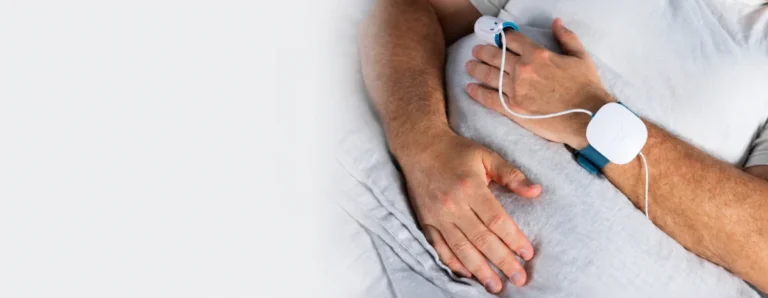
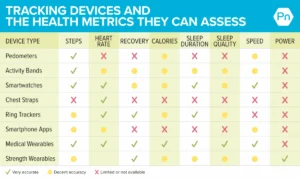
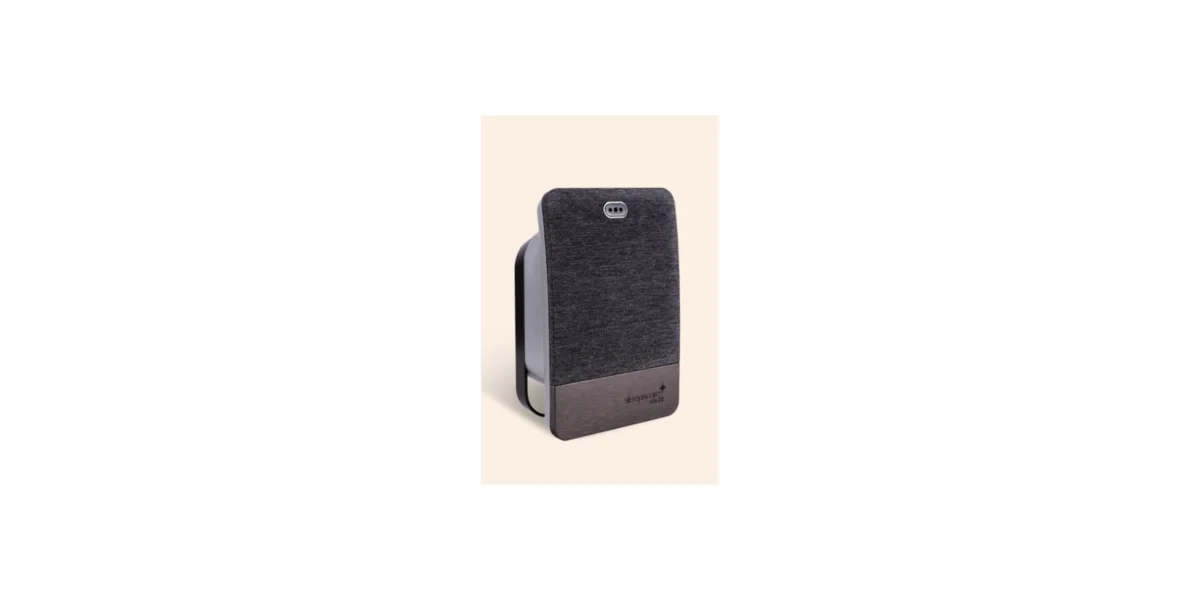
The study employed Sleep.ai’s SleepScore Max technology, which utilizes radiofrequency sensors to measure sleep without the need for wearable devices, electrodes, or invasive attachments. This non-contact approach ensures that the measurement tool itself does not interfere with the natural sleep cycle, providing a more objective, unobtrusive dataset than traditional actigraphy or wearables that can be uncomfortable to wear.
Phase 3: Data Synthesis
Over the eight-week period, the researchers aggregated millions of data points to create a longitudinal profile for each participant. This allowed them to calculate not just the mean (average) sleep duration, but the standard deviation of sleep metrics, which proved to be the most accurate predictor of the chronic insomnia diagnosis.
Supporting Data and The Statistical Gap
The study’s findings highlight a systemic limitation in modern sleep diagnostics. Most current clinical guidelines rely on patient-reported sleep diaries or single-night lab tests. These tools are inherently biased toward averages; they tell a doctor that a patient "slept for six hours," but they fail to capture the fact that the patient might have slept nine hours on Monday, four hours on Tuesday, and five hours on Wednesday.
The data suggests that the physiological "cost" of this variability is high. Chronic insomnia is often associated with cognitive impairment, emotional dysregulation, and long-term health risks such as cardiovascular disease and metabolic dysfunction. The WSU and UW researchers hypothesize that the body’s inability to settle into a predictable, consistent circadian rhythm creates a chronic state of hyperarousal. This state of "anticipatory anxiety"—where a patient never knows if they will have a "good night" or a "bad night"—is likely what leads to the severe psychological distress reported by sufferers.
Official Perspectives: Shifting the Clinical Lens
The lead investigators emphasize that this study is not merely an academic exercise, but a call to action for clinicians and the sleep technology industry.
Dr. Devon A. Hansen, WSU
"For years, insomnia research focused on averages, which often made differences seem small," says Dr. Devon A. Hansen, lead author of the study. "This study shows the real story: people with chronic insomnia live with unpredictable sleep night after night. Being able to track this objectively in people’s own homes over two months opens up new possibilities for both research and care."
Dr. Nathaniel F. Watson, University of Washington
Dr. Nathaniel F. Watson, a sleep doctor and researcher who collaborated on the study, believes that the technology utilized here will be the key to future treatment protocols. "As a sleep doctor and researcher, I know how hard it can be to truly capture patients’ sleep experiences using traditional methods," Watson notes. "This study shows that contactless, at-home sleep technology can fill that gap. Recognizing nightly variability as a core feature of insomnia could change how we screen, diagnose, and ultimately treat the condition."
Dr. Elie Gottlieb, Sleep.ai
From a technological perspective, the study serves as a validation of the role of "big data" in sleep health. Dr. Elie Gottlieb, head of applied science at Sleep.ai and co-author of the study, emphasizes the necessity of moving away from snapshots. "This study validates that meaningful sleep insights require more than a single night’s snapshot," Gottlieb explains. "By tracking sleep objectively and contactlessly in people’s own homes, we can move beyond lab-based limits and give consumers and clinicians tools to understand sleep as it truly happens, night after night—all without a wearable or touching the body."
Implications for Future Care and Treatment
The implications of this research are profound, potentially shifting the focus of clinical intervention from "how much" to "how consistent."
1. Rethinking Diagnostics
If clinical diagnosis shifts to prioritize variability, the industry will need to adopt longer-term monitoring protocols. Instead of relying on a one-night lab study, insurers and medical providers may begin to favor 30-to-60-day digital monitoring periods. This would allow for a "variability score" to be generated, which could prove more diagnostic than any single-night metric.
2. Personalized Treatment Protocols
Current treatments for insomnia, such as Cognitive Behavioral Therapy for Insomnia (CBT-I) and pharmacological interventions, are often administered with a "one-size-fits-all" mentality regarding sleep goals. By identifying the specific nature of a patient’s variability—whether it is an inability to fall asleep (onset latency) or frequent nighttime wakefulness—clinicians can tailor interventions. For instance, if the primary issue is volatility, the treatment plan might focus on strict "anchor sleep" protocols designed to stabilize the circadian rhythm rather than merely inducing sedation.
3. Pharmaceutical and Tech Development
For pharmaceutical companies developing sleep aids, the goal has traditionally been "total sleep time." This study suggests that a better metric might be "sleep stability." A drug that reduces the variance in sleep-wake cycles might be more effective at treating the underlying pathology of insomnia than a drug that simply forces a longer duration of unconsciousness.
Conclusion: A New Frontier in Sleep Health
The WSU and UW study serves as a critical bridge between laboratory sleep science and real-world, longitudinal health monitoring. By identifying nightly unpredictability as the "smoking gun" of chronic insomnia, researchers have provided a concrete target for future diagnostic tools.
As contactless technology continues to mature, we are entering an era where sleep can be measured with high precision without the patient ever feeling "monitored." This evolution is essential, as the stress of being watched in a clinical sleep lab can often induce the very insomnia it seeks to measure—a phenomenon known as the "first-night effect."
By moving toward long-term, home-based, objective data collection, the medical community is finally gaining the clarity needed to address one of the most persistent and debilitating conditions in modern society. The future of sleep medicine lies not in the averages, but in the fluctuations—and finally, we have the tools to see them.