Introduction: A New Front in the Health Policy Wars
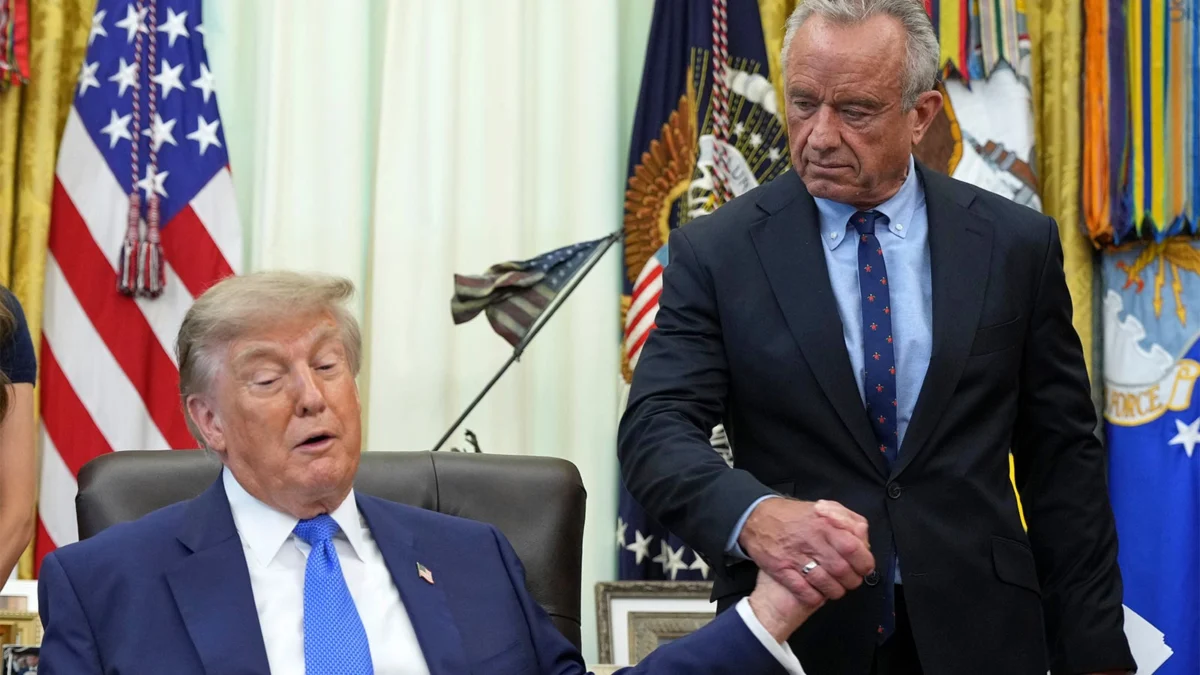
President Donald Trump has recalibrated the national conversation on public health this week, issuing a sweeping executive order that mandates a comprehensive reevaluation of the childhood immunization schedule. The directive, which encourages the spacing out of vaccinations into separate, individual visits, represents the most significant federal intervention in pediatric health policy in recent history. By formalizing a long-held personal belief into administrative action, the President has reignited a fierce debate over the role of scientific consensus in public policy, simultaneously energizing his base and providing a new, potent line of attack for Democratic opponents ahead of the critical midterm elections.
The move marks a departure from the administration’s recent strategy of focusing on less divisive economic and regulatory issues. As the White House attempts to navigate the demands of the "Make America Healthy Again" (MAHA) coalition, political analysts are questioning whether this focus on vaccine skepticism will mobilize suburban voters or alienate the broader electorate, which largely views the established immunization schedule as a cornerstone of public health safety.
Chronology of a Longstanding Ideological Stance
President Trump’s skepticism regarding the standard vaccine schedule is not a recent development. His rhetoric on the subject dates back at least to 2014, long before his initial ascent to the presidency. During that period, he frequently utilized social media to propagate the debunked theory that combination vaccines are linked to autism—a claim that has been repeatedly refuted by the global scientific community and medical organizations such as the American Academy of Pediatrics and the Centers for Disease Control and Prevention (CDC).
Throughout his first term, Trump’s approach to vaccines remained paradoxical. While he championed "Operation Warp Speed," the monumental public-private partnership that facilitated the rapid development and distribution of COVID-19 vaccines, he simultaneously continued to question the efficacy and safety of the traditional childhood schedule.
Last September, the President intensified his rhetoric, calling for the splitting of the measles, mumps, and rubella (MMR) vaccine into three distinct doses. This week’s executive order gives teeth to that rhetoric, instructing the Department of Health and Human Services (HHS) to explore the development of single-disease vaccines for children—a development that would require significant shifts in current domestic pharmaceutical production and regulatory approval processes.
Supporting Data and Medical Consensus
The core of the administration’s argument relies on the belief that "flexibility" in vaccination timing is a patient-centered improvement. However, the prevailing medical consensus warns of significant risks associated with these policies. Public health experts argue that spacing out shots increases the "vulnerability window," during which a child remains susceptible to highly contagious, vaccine-preventable diseases.
Data from the Centers for Disease Control and Prevention consistently shows that the current immunization schedule is designed to maximize protection during the most vulnerable months of a child’s development. Furthermore, the administrative effort to compare U.S. childhood vaccine schedules to those of peer nations has been criticized by researchers for ignoring differences in public health infrastructure, baseline immunity, and epidemiological data.
Polling from KFF, a leading healthcare research organization, provides a nuanced view of the electorate’s priorities. While the MAHA movement is a vital part of the President’s coalition, internal surveys suggest that the desire to reevaluate vaccine safety ranks relatively low among the general public. Only 10% of MAHA supporters identify vaccine policy as their primary concern, trailing far behind "kitchen table" issues like the rising cost of healthcare (42%) and the regulation of food additives (21%).
The Political Calculus: MAHA and the Midterm Stakes
The executive order is viewed by many as a direct nod to the MAHA coalition, spearheaded by HHS Secretary Robert F. Kennedy Jr. This group, which encompasses a wide spectrum of views on environmental toxins, food safety, and government mandates, proved instrumental in the President’s 2024 victory.
Jayme Franklin, a prominent conservative activist who appeared alongside the President to announce the order, described the action as a validation of the movement’s influence. "It shows he loves to hear from everyday Americans on how his policies affect the lives of people who are raising kids," Franklin stated.
However, political strategists—including those within the Republican Party—are expressing concern about the timing. With the midterm elections looming, the focus on vaccines threatens to distract from the campaign’s primary messaging on the economy. "Nothing in America matters more than affordability," noted pollster Frank Luntz. "Anytime the administration goes off the topic of affordability, they risk losing the narrative on what Americans actually care about."
Republican pollster Whit Ayres echoed this sentiment, suggesting that because a strong majority of the American public supports the current school-based vaccination mandates, the President’s pivot may prove to be a political liability in swing districts.
Official Responses and the Democratic Counter-Offensive
The White House has defended the timing of the order, with officials characterizing it as the fulfillment of a long-promised administrative priority. Simultaneously, the administration has attempted to balance this move with other health-related initiatives, such as the FDA’s recent announcement of increased transparency requirements for food manufacturers regarding additives—a move designed to appease the broader MAHA base without relying solely on vaccine-related messaging.
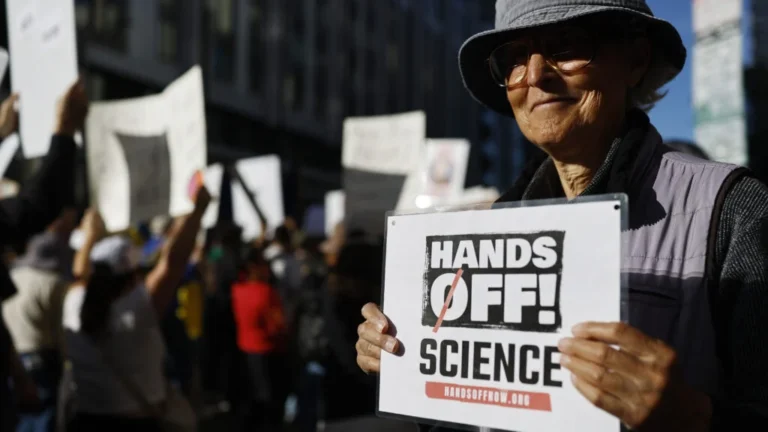
The Democratic response has been immediate and sharp. Groups like 314 Action, which focuses on electing scientists and medical professionals to office, have utilized the news to galvanize their base. Shaughnessy Naughton, the organization’s president, characterized the order as "one more data point" highlighting the necessity of having science-based expertise in government.
Democratic candidates are leaning into this divide. Dr. Richard Pan, a physician running for the U.S. House, has emphasized the need for voters to choose between candidates who support established science and those who propagate misinformation. Similarly, Dr. Annie Andrews, a pediatrician running for the U.S. Senate in South Carolina, has released digital content urging voters to prioritize the election of medical professionals who will act as a check on administrative health policies.
Implications for Public Health and Policy
The long-term implications of this executive order are twofold: medical and political. From a medical perspective, the push to dismantle the current vaccine schedule threatens to disrupt decades of progress in controlling childhood illnesses. If parents choose to delay or space out immunizations, the resulting gaps in immunity could lead to localized outbreaks, placing additional strain on an already burdened pediatric healthcare system.
Politically, the order signifies a definitive "doubling down" by the President. By aligning his administration so closely with the anti-establishment wing of the health policy spectrum, he is betting that the intensity of the MAHA movement will outweigh the potential disapproval of moderate suburban voters. Whether this strategy will succeed in maintaining the current congressional majorities remains one of the most significant questions of the upcoming election cycle.
As the debate continues, the scientific community remains largely unified in its opposition to the order, yet the administration appears undeterred. The upcoming months will serve as a critical testing ground for the influence of populist health rhetoric versus the traditional reliance on institutional expertise and established public health guidelines. As voters head to the polls, they will not only be deciding the future of the economy and federal governance but also the role of scientific evidence in shaping the health of the next generation.