





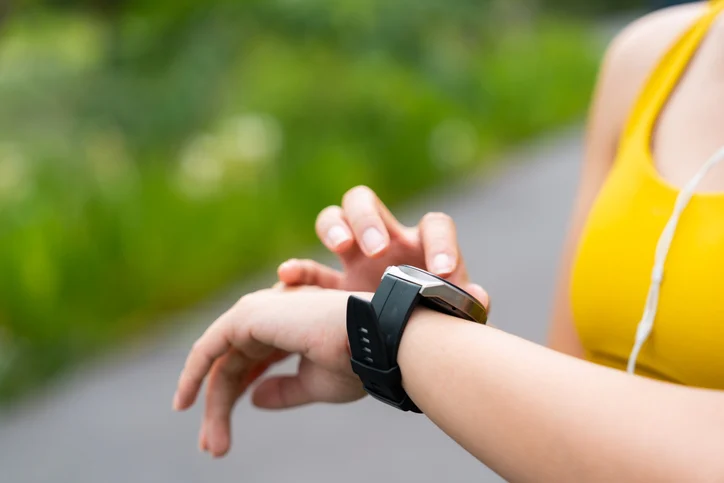
The healthcare landscape is undergoing a tectonic shift, driven by a convergence of consumer-grade hardware, sophisticated artificial intelligence, and a rapidly evolving regulatory environment. Once dismissed as gadgets for the "worried well"—serving primarily as glorified pedometers for fitness enthusiasts—wearable technology has matured into a formidable clinical tool. As these devices evolve from simple activity trackers to sophisticated diagnostic instruments, they are fundamentally altering the relationship between patients, physicians, and the healthcare system.
This transformation will take center stage at the upcoming INVEST Digital Health conference, held on October 29 at Pegasus Park in Dallas. As the industry gathers to dissect the intersection of consumer influence and clinical necessity, the central question remains: How can we translate the deluge of data from our wrists into meaningful, actionable, and reimbursable healthcare?
The Evolution of Wearables: From Pedometers to Medical Grade
The trajectory of wearable technology over the last decade has been nothing short of extraordinary. Initially, devices like early-model Fitbits and rudimentary smartwatches occupied a siloed segment of the tech market. They were designed for wellness optimization rather than medical intervention. However, the integration of advanced sensors—capable of tracking heart rate variability (HRV), blood oxygen saturation, skin temperature, and sleep architecture—has forced a reimagining of their clinical utility.
Today’s wearables are increasingly sophisticated. Beyond monitoring movement, new sensors are being developed to infer hydration levels based on sweat rate, analyze gait patterns for fall risk, and track metabolic signals. The integration of AI algorithms allows these devices to process raw biometric data into clinical insights that were previously only available through in-hospital monitoring.
Chronology: The Regulatory and Market Shift
To understand where we are, one must look at the timeline of the "medicalization" of the consumer wearable:
- 2015–2018: The "Activity Tracker" era. Companies focused on step counts and calorie tracking, establishing a massive consumer base but lacking clinical credibility.
- 2019–2022: The emergence of specialized sensors. Companies like AliveCor began demonstrating that smartphones and wearables could perform clinical-grade EKG tests, signaling the beginning of FDA-cleared consumer diagnostics.
- 2023–2024: The "Data Integration" phase. Tech giants and startups alike began wrestling with the challenge of interoperability—how to feed this data into Electronic Health Records (EHRs).
- 2025: The "Policy Pivot." The U.S. Department of Health and Human Services (HHS), under the direction of Secretary Robert F. Kennedy Jr., elevated wearable adoption to a national policy priority. This marked a definitive shift from private sector experimentation to government-backed public health strategy.
- 2026 (Present): The era of "Precision Monitoring." Recent breakthroughs, such as Nutromics’ FDA-designated wearable patch for real-time antibiotic monitoring, signify a move toward acute-care applications rather than just chronic disease management.
Supporting Data: Why Wearables Are Becoming Essential
The push toward wearable adoption is not merely a technological trend; it is a clinical necessity driven by the global rise of chronic disease.
The Challenge of Remote Monitoring
The core value proposition of wearables lies in their ability to bridge the gap between doctor visits. In a traditional model, a patient’s health is a series of snapshots taken in a clinical setting. With wearables, health becomes a continuous film.
However, the "data bottleneck" remains a significant hurdle. While the technology to collect data is abundant, the infrastructure to synthesize it within an EHR is still maturing. Currently, clinicians are often overwhelmed by the raw, unstructured data provided by consumer devices. The next phase of industry growth depends on "data curation"—AI-driven platforms that filter out the noise and present physicians with actionable clinical alerts rather than endless spreadsheets.
Real-World Clinical Efficacy
The utility of these devices is increasingly backed by clinical trials. By leveraging wearables, researchers can conduct trials with a more diverse population, as the devices remove the barrier of physical geography. Patients can be monitored in their homes, leading to higher retention rates and more accurate, real-world data collection.
A prime example of this evolution is the recent breakthrough for Nutromics. Their wearable patch, which monitors vancomycin levels in real-time, addresses a critical clinical failure point: dosing. Sepsis patients require precise levels of antibiotics; too little is ineffective, and too much is toxic. A wearable that provides real-time feedback allows clinicians to optimize dosages on the fly, demonstrating that the future of wearables is as much about acute care as it is about prevention.
The INVEST Digital Health Conversation
The INVEST Digital Health conference will serve as a crucible for these ideas. The session, "How Are Wearables Changing Health Behavior?", will feature a panel of experts who are currently defining the regulatory and clinical standards of this field:
- Tanvi Jayaraman (Clinical Lead for Health AI, ŌURA): Representing the smart-ring giant, Jayaraman is at the forefront of how biometric data can be translated into behavioral change.
- Patrick Sheehan (VP of Value-Based Care, Withings): Sheehan brings a crucial perspective on how wearable data fits into the "value-based care" model, where providers are paid for outcomes rather than procedures.
- Dr. Ben Green (Chief Clinical Officer, AliveCor): With his background in clinical practice, Dr. Green offers insight into the physician’s perspective—how to integrate tech without sacrificing the patient-provider relationship.
- Peter Micca (Managing Partner, Caduceus Capital Partners): Providing the investment lens, Micca will discuss the financial viability of these technologies and the regulatory pathways necessary for long-term growth.
Implications: The "Make America Healthy Again" Agenda
The policy landscape has shifted dramatically with Secretary Robert F. Kennedy Jr.’s push for widespread wearable adoption. By framing the use of these devices as a cornerstone of the "Make America Healthy Again" agenda, the federal government is effectively signaling a new era of proactive, patient-empowered health management.
The implications are twofold:
- Reimbursement Reform: For wearables to truly integrate into the clinical workflow, CMS (Centers for Medicare & Medicaid Services) and private insurers must establish clear reimbursement pathways for data monitoring. If doctors are not compensated for the time spent reviewing wearable-derived data, widespread adoption will remain stalled.
- Regulatory Harmonization: As devices move closer to "breakthrough device" status, the FDA is being asked to move faster. The success of companies like Nutromics proves that the regulatory framework is becoming more agile, though the industry remains wary of the balance between innovation and patient safety.
Looking Ahead: The Future Pipeline
What lies on the horizon? The panel at INVEST Digital Health will address the upcoming wave of "metabolic signaling." We are moving beyond heart rate and sleep into continuous glucose monitoring, stress hormone tracking, and early disease detection through biomarker analysis.
However, the industry must also contend with the "Digital Divide." If the most advanced wearable technology is only available to the affluent, we risk exacerbating health inequities. The conversation at the conference will not just be about the "next big thing" in sensors, but about the accessibility, privacy, and equity of data-driven care.
As the industry converges in Dallas, the message is clear: The wearable is no longer an accessory. It is an essential component of the modern medical toolkit. Whether through the smart rings of the future or the real-time patches of today, the ability to monitor the human body from the inside out is fundamentally altering the path toward health and longevity.
Join the conversation at INVEST Digital Health. To view the full agenda and secure your place at the table, visit investdigitalhealth.com. The future of healthcare is being written on our wrists—don’t miss your chance to read the next chapter.