










Published July 21, 2026 | By Editorial Staff
Main Facts: The Intersection of Adrenaline and Awareness
In an era defined by constant digital distraction and the pursuit of "peak experiences," the humble roller coaster remains a polarizing cultural touchstone. For some, it is a triumph of engineering designed to elicit joy; for others, it is a psychological gauntlet. On a recent summer afternoon, a participant—formerly an avid thrill-seeker who had retreated from high-velocity attractions during their 20s—found themselves at a crossroads in a crowded theme park. The encounter was not planned but was the result of a spontaneous "Yes, and…" philosophy, turning a casual suggestion into a high-stakes ride on one of the park’s most formidable steel roller coasters.
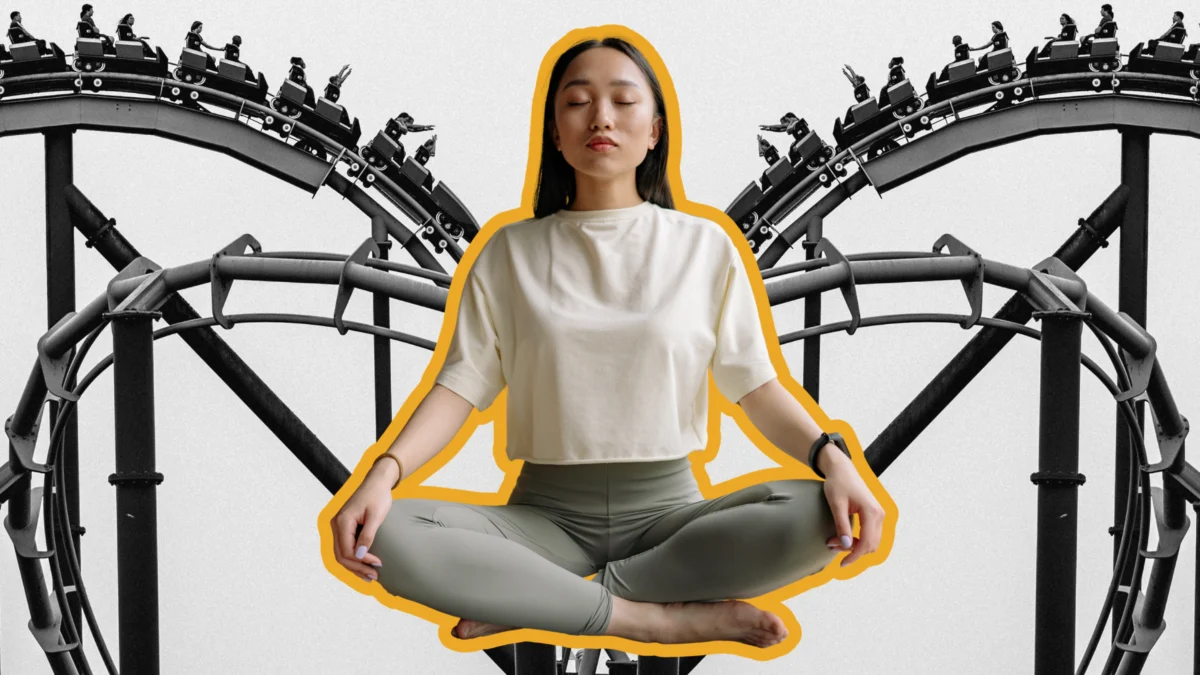
What followed was an unexpected experiment in applied mindfulness. By utilizing breathing techniques typically reserved for the silence of a yoga studio, the rider discovered that the most effective way to navigate the chaotic, high-G-force environment of a roller coaster was not to fight the physical reality of the machine, but to surrender to it. This account highlights a growing trend of "extreme mindfulness," where individuals are applying meditative practices to high-stress, real-world scenarios to mitigate anxiety and foster presence.
Chronology: From Hesitation to High-Speed Equilibrium
The narrative began in the sterile, cramped environment of a theme park restroom. Standing before a mirror, the subject engaged in a moment of intense internal negotiation, questioning the validity of their participation. Was this a genuine desire for adventure, or a performative act of peer pressure?
The Pre-Ride Anxiety
As the group progressed toward the attraction, the atmosphere shifted from casual to clinical. The roller coaster—a sprawling, jagged steel serpent—loomed overhead. The sensory input was overwhelming: the rhythmic clink-clink-clink of the lift chain, the visceral screams of riders, and the lingering, intrusive thoughts of an anxious mind.
The rider’s OCD-driven thought patterns began to spiral, conjuring hypothetical headlines and future regrets. They found themselves observing the safety precautions—the bins for loose items, the warnings against head movement—and interpreting them as precursors to disaster. To combat the rising panic, the rider attempted basic grounding exercises, shifting focus from "impending doom" to the literal, mundane reality of standing and walking.
The Point of No Return
Once seated and locked into the harness, the psychological landscape shifted. The realization that they were physically committed to the experience triggered a sudden, hyper-aware state of being—a "bird-like" vigilance where every sound and movement felt magnified.
The Mid-Ride Awakening
As the ride jolted into motion, the initial impulse was resistance. The body tensed, the mind recoiled from the lack of predictability, and the sheer velocity threatened to overwhelm the senses. It was in this crucible of chaos that the rider invoked their muscle memory from years of yoga practice. Instead of shallow, panic-induced breathing, the rider forced the abdomen to expand against the restraint. By consciously syncing the breath to the rhythmic pulses of the ride, the rider found an internal stillness. They began to "send" their breath into the erratic movements of the coaster, transforming the experience from one of victimization to one of participation.
Supporting Data: The Physiology of Panic and Regulation
The intersection of high-intensity physical movement and meditative practice is rooted in well-documented physiological responses.
- The Sympathetic Nervous System (SNS): Roller coasters naturally trigger the "fight or flight" response, flooding the system with adrenaline and cortisol. The heart rate spikes, and respiration becomes rapid and shallow.
- The Vagus Nerve Stimulation: Conscious, deep diaphragmatic breathing—the core of the rider’s strategy—directly stimulates the vagus nerve. This activates the parasympathetic nervous system (PNS), which acts as a "brake" for the stress response, lowering heart rate and blood pressure even while the body is being subjected to external physical stressors.
- Cognitive Reframing: Psychologists suggest that the "narrative" we assign to physical sensation (e.g., "I am dying" vs. "I am experiencing high velocity") dictates the intensity of the emotional reaction. By choosing to breathe, the rider performed an act of cognitive reframing, reclaiming agency from the machine.
Official Perspectives: The Psychology of "Controlled Fear"
While no specific ride operators were consulted for this anecdotal account, industry experts in theme park psychology frequently note that the "fear" experienced on roller coasters is a form of recreational fear.
Dr. Elena Vance, a behavioral psychologist specializing in high-stress environments, notes: "The beauty of the roller coaster is that it provides a high-arousal environment where the participant has zero control over the physics, yet remains safe. This is a unique psychological space. When an individual learns to apply mindfulness here, they are essentially training their brain to remain calm in the face of uncontrollable external chaos—a skill set that is highly transferable to corporate, personal, and social stressors."
Implications: Trusting the Self, Not Just the Ride
The aftermath of the ride offered a profound realization that extended far beyond the theme park gates. While the subject admitted they were unlikely to seek out another roller coaster soon, the lesson regarding resistance was clear.
1. The Myth of Control
In life, as on the roller coaster, we often perceive resistance as a protective mechanism. We tense up, we fight the twists, and we agonize over the outcome. However, the data from this experience suggests that resistance creates more pain. By opening the body and breath to the "bait-and-switch" turns of life, we mitigate the shock of the unexpected.
2. The "Yes, And…" Philosophy
The day was born from a philosophy of openness. By saying "yes" to the unexpected, the rider opened a door to self-discovery that would have remained closed had they stayed within their comfort zone. This highlights the importance of spontaneity in maintaining mental elasticity.
3. Internalizing Agency
Perhaps the most significant takeaway is the distinction between "trusting the ride" and "trusting oneself." The coaster is a rigid machine that will behave exactly as it is engineered to behave; it cannot be trusted to be "gentle." The participant, however, realized that they could trust their own capacity to navigate the experience.
Conclusion
The experiment proves that mindfulness is not a practice restricted to cushions and quiet rooms. It is a portable tool. Whether one is dealing with the literal loops of a steel coaster or the metaphorical loops of a challenging life transition, the breath remains the anchor. The ride ended, the dizzying adrenaline faded, but the core lesson remained: when we stop trying to dictate the rhythm of the world around us and focus instead on our own internal regulation, we become capable of experiencing even the most frightening "loops" with a degree of grace. We learn that we don’t need to control the track—we only need to control our presence upon it.