








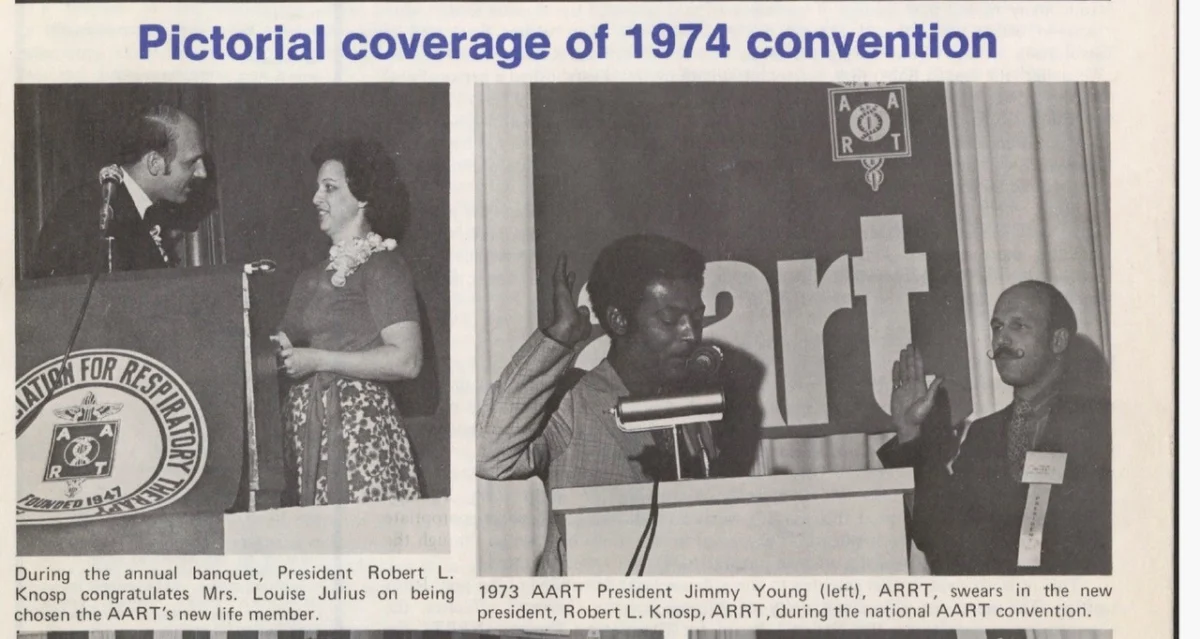
The Jimmy A. Young Award stands as the singular pinnacle of achievement within the American Association for Respiratory Care (AARC). Named in honor of the late AARC president—a man whose life was synonymous with the advancement of the profession—this award is not merely a mark of career success; it is a recognition of sustained, lifetime contributions that have fundamentally shaped the landscape of respiratory therapy.
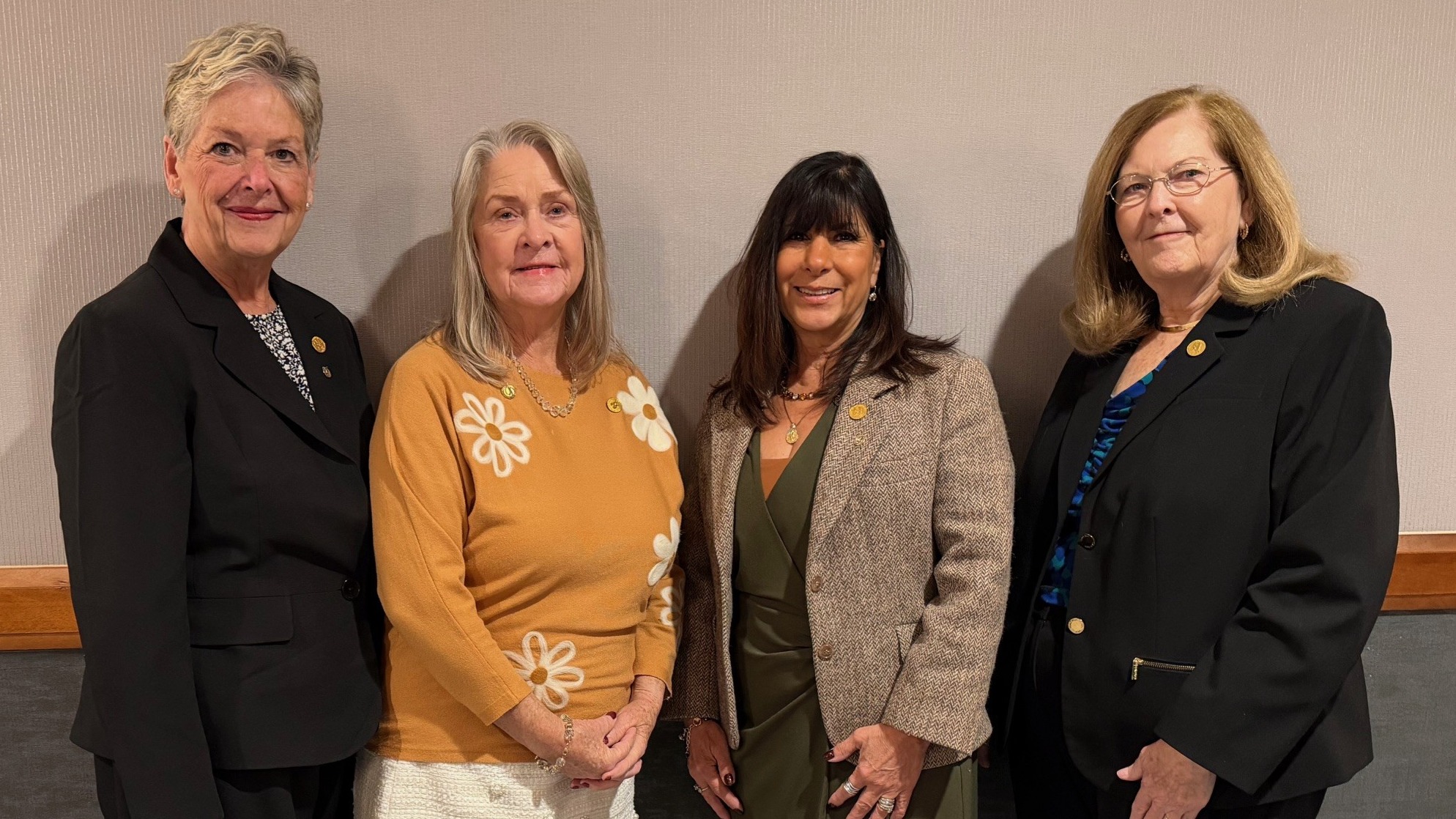
In a recent, deeply insightful retrospective moderated by Lisa Weisenberger, AARC Director of Content and Communications, the spotlight was turned toward four of the five women to have ever received this honor. These leaders—Dianne Lewis, MS, RRT, FAARC (2025); Trudy Watson, BS, RRT, FAARC (2018); Margaret Traband, MEd, RRT, FAARC (2011); and Teresa Volsko, MBA, MHHS, LSSBB, RRT, FAARC (2020)—gathered to deconstruct their paths to the top, examine the evolution of the field, and discuss the nuances of leadership in a high-stakes, life-critical medical environment. While Louise Julius, a co-recipient with her husband John in 1988, remains a foundational figure in this legacy, the dialogue with these four women provides a roadmap for the future of the profession.
The Legacy of Service: Defining the Path
For each of these recipients, the journey to the podium did not begin with the pursuit of accolades. Instead, it was defined by a quiet, persistent commitment to service—often in the trenches of committee work and professional governance.
Dianne Lewis, the 2025 recipient, traced her roots back to the House of Delegates. Her work on the Clinical Practice Guidelines Steering Committee remains a cornerstone of her legacy. "My group wrote and published the first clinical practice guideline for the association," Lewis shared. This was not just an administrative task; it was a watershed moment for the industry, providing the standardization necessary to ensure that patients across the United States received a consistent, high-quality standard of care.
Margaret Traband, who entered the AARC in 1972, reflected on the importance of local activism. Her philosophy serves as a reminder to current practitioners that national impact is often built on a foundation of local involvement. "We began with our state societies," Traband explained. "You don’t do it looking for what else you need to check off a list to get an award. You’re just moving ahead where you think you can do the most good."
Chronology of Influence: From the Early Days to Modern Advocacy
To understand the significance of these women’s achievements, one must look at the evolution of the profession itself. In the 1970s, the field was vastly different. It was a time of establishing identity, where therapists were fighting for professional recognition and clinical autonomy.
- 1970s – The Era of Grounding: This was a decade defined by "Journal Clubs," where therapists gathered to pore over new research, ensuring that their practice was rooted in evidence rather than tradition. It was a time when the profession was largely male-dominated at the leadership level.
- 1980s – Establishing the Partnership: The 1988 recognition of Louise and John Julius marked a turning point, signaling that the AARC was willing to view the profession through a lens of collective, egalitarian partnership.
- 2010s – The Shift in Leadership Dynamics: The awards granted to Traband (2011) and Watson (2018) reflected a new era where female leaders were becoming the architects of the profession’s strategic future.
- 2020s – Mentorship and Structural Reform: With the awards to Volsko (2020) and Lewis (2025), the focus has shifted toward systemic mentorship—moving from the scarcity mindset of the past to a culture of intentional elevation.
Breaking the Glass Ceiling: From Scarcity to Support
While women constitute a significant majority of the current respiratory therapy workforce, the history of leadership within the AARC tells a different story. For decades, the "glass ceiling" was not just a metaphor; it was a physical limitation of the boardroom table.
Teresa Volsko provided a striking perspective on the cultural evolution of the profession. "In 1979, if you were invited to the table, you didn’t dare bring another woman up with you because there were only one or two seats," she explained. This "scarcity mentality" created a competitive environment where survival often meant keeping one’s head down.
Today, however, the landscape has shifted. These leaders emphasize that the current generation of female RTs is uniquely positioned to redefine leadership. The new directive is simple: if you have a seat at the table, pull up a chair for someone else. This transition from individual success to collective empowerment is the most significant change in the AARC’s internal culture over the last forty years.
The Roadmap: Lessons for the Next Generation
When asked what advice they would offer to a new therapist entering the field, these four women provided a cohesive, actionable strategy for career longevity and impact.
1. Master the Art of Networking
Trudy Watson emphasized that clinical excellence alone is insufficient for those who wish to influence the direction of the profession. "Get involved so your name is known and you are trusted within your own organization," Watson advised. She encouraged therapists to look beyond the hospital walls and engage with related organizations like the American Lung Association, building a reputation that spans the entire healthcare ecosystem.
2. The Value of Being Over-Prepared
"Being over-prepared is status quo for most of us," Traband noted. She argued that the credibility of the profession relies on the individual therapist’s ability to articulate the "why" behind every clinical decision. In a field where the margins for error are razor-thin, deep knowledge is the only safeguard against being dismissed or underestimated.
3. Lead from the Bedside
Perhaps the most potent advice came from Volsko, who cautioned against the trap of thinking that leadership requires an administrative title. "Don’t let the fact that you have the title of a clinical respiratory therapist stop you from doing great things. Lead where you are." This underscores the reality that the bedside is where the most critical advocacy—for patients and for the profession—takes place.
Implications: Addressing Burnout and Workforce Demand
As the profession looks toward the next decade, it faces a dual reality of expansion and strain. The demand for respiratory therapists is at an all-time high, driven by an aging population and the long-term impacts of the COVID-19 pandemic. However, there is a clear bottleneck: "finding the students to fill the seats in the classroom," as Watson pointed out.
The post-pandemic landscape has also left a trail of burnout, particularly among those who feel disconnected from the impact of their work. Traband offered a poignant, almost spiritual, piece of advice for those currently feeling the weight of the profession: "The further away you get from the bedside, the less positive reinforcement happens. Take the time to reflect at the end of the day. Know that you’ve alleviated breathlessness and calmed patients. Steep in that moment."
Conclusion: The Future of the Profession
The Jimmy A. Young Award is far more than a physical trophy or a line on a resume; it is a repository of institutional memory. It serves as a reminder that the profession of respiratory care was built on the backs of those who were willing to do the hard work of advocacy, standardization, and mentorship.
As Dianne Lewis, Trudy Watson, Margaret Traband, and Teresa Volsko continue to pave the way, their message to the next generation is clear: the future of respiratory care relies on a delicate balance of clinical rigor and the courage to advocate. By moving away from the competitive models of the past and embracing a collaborative approach to leadership, the profession is not just filling seats—it is preparing to lead the next era of respiratory medicine.
In the words of these four trailblazers, the profession is at its strongest when it acknowledges its history while actively inviting the next generation to take their place at the table. The work is difficult, the stakes are high, and the rewards are found in the quiet moments of patient relief—and in the enduring strength of a community that lifts its own to new heights.