




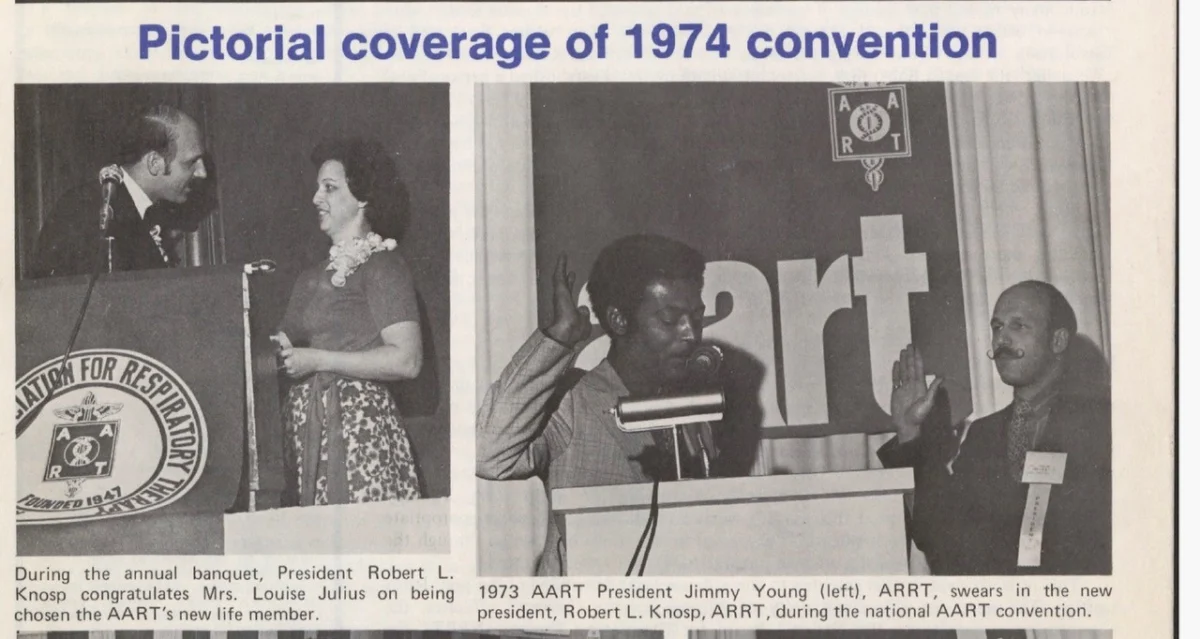
The American Association for Respiratory Care (AARC) has long served as the heartbeat of the profession, and at its center lies the Jimmy A. Young Award. As the highest honor the association bestows, it is more than a plaque—it is a symbol of transformative leadership, academic rigor, and a lifetime of service. Named in memory of a former AARC president who dedicated his existence to the advancement of respiratory care, the award recognizes individuals whose contributions have left an indelible mark on the field.
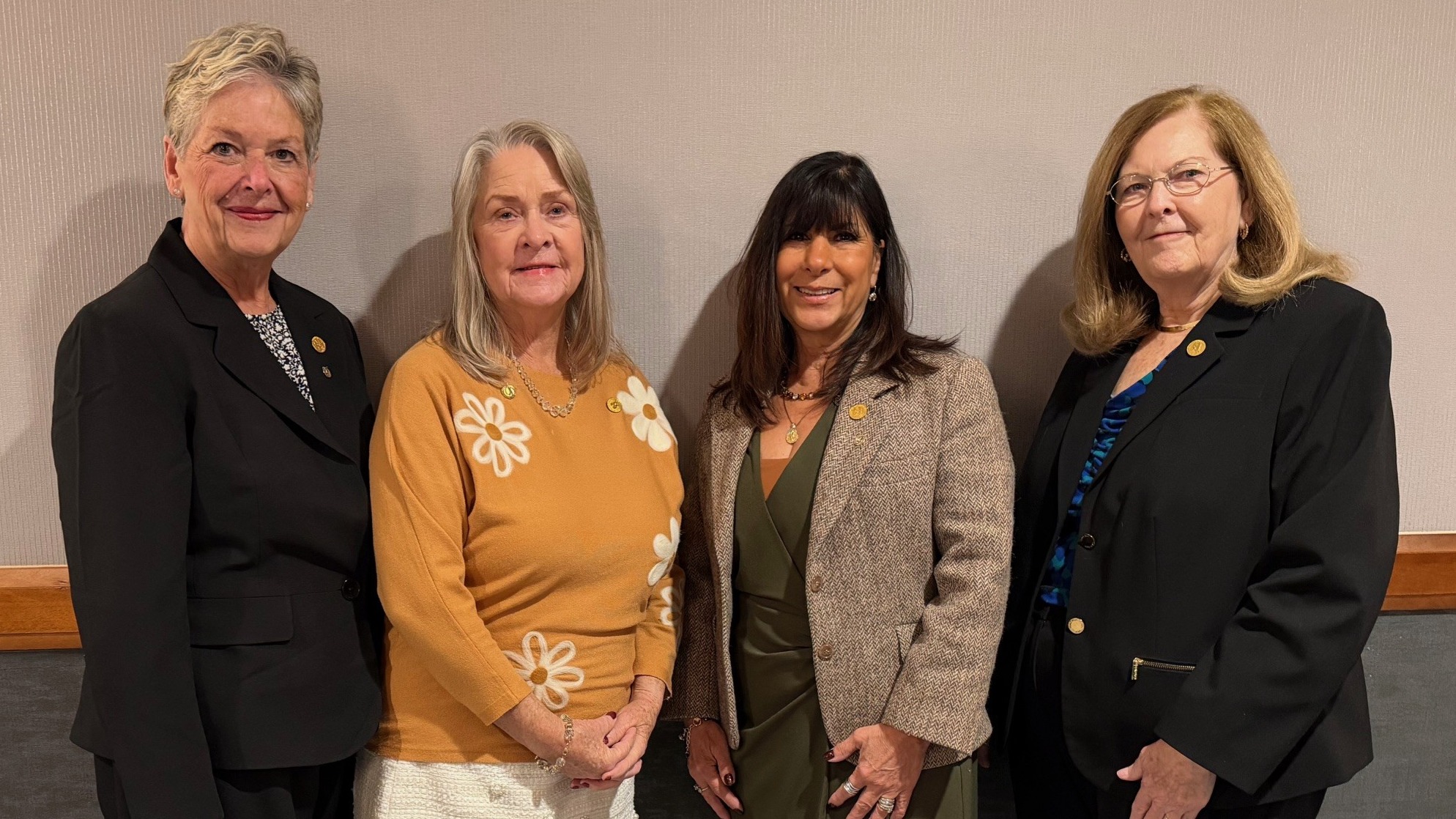
In a poignant and illuminating retrospective facilitated by Lisa Weisenberger, AARC Director of Content and Communications, the spotlight recently turned toward the women who have shattered glass ceilings to claim this honor. Among the five female recipients in the award’s history, four sat down to reflect on the evolution of their craft: Dianne Lewis, MS, RRT, FAARC (2025); Trudy Watson, BS, RRT, FAARC (2018); Margaret Traband, MEd, RRT, FAARC (2011); and Teresa Volsko, MBA, MHHS, LSSBB, RRT, FAARC (2020). (The fifth recipient, Louise Julius, was honored in 1988 alongside her husband, John.)
This collective history provides not only a glimpse into the past but a roadmap for the future of respiratory medicine.
The Legacy of Service: A Foundation of Excellence
The journey to the Jimmy A. Young Award is rarely linear. For these women, the path was paved with an unwavering commitment to the patient and the profession. Dianne Lewis, the most recent recipient (2025), traces her career back to the granular work of the House of Delegates and the Clinical Practice Guidelines Steering Committee.
“My group wrote and published the first clinical practice guideline for the association,” Lewis recalled. This milestone was not merely an administrative feat; it was a foundational moment for respiratory care in the United States, effectively standardizing the quality of care provided to patients nationwide. By creating a unified language of care, Lewis and her peers helped transform respiratory therapy from a supportive role into a precise, evidence-based medical science.
Margaret Traband, who began her AARC journey in 1972, reminds us that the national stage is often built on local ground. “We began with our state societies,” Traband noted. Her perspective offers a humble contrast to the gravity of her achievements. “You don’t do it looking for what else you need to check off a list to get an award. You’re just moving ahead where you think you can do the most good.” This philosophy—service over status—appears to be the common thread connecting these luminaries.
Chronology: From the Early Days to Modern Leadership
To understand the magnitude of these women’s achievements, one must look at the timeline of the profession itself. When the AARC was in its relative infancy, the landscape of medicine was dominated by men, and respiratory therapy was often viewed as a trade rather than a clinical profession.
- 1972: Margaret Traband joins the AARC, entering a field that was still defining its identity within the hospital hierarchy.
- 1988: Louise Julius becomes the first woman to receive the Jimmy A. Young Award, a milestone achieved in tandem with her husband.
- 2011: Margaret Traband receives the award, reflecting four decades of dedication and the professionalization of the field.
- 2018: Trudy Watson is honored, marking a period of intense advocacy and the strengthening of professional standards.
- 2020: Teresa Volsko is recognized, highlighting the rise of strategic management and systemic improvement in respiratory care.
- 2025: Dianne Lewis is honored, representing the culmination of years of clinical standardization and policy-making.
This chronology illustrates a shift from the individual "pioneer" to the institutional "architect." As the profession evolved, so too did the complexity of the roles these women occupied, moving from bedside excellence to boardroom influence.
Breaking the Glass Ceiling: A Cultural Shift
Historically, the respiratory therapy workforce has been majority female, yet the upper echelons of leadership remained stubbornly male-dominated for decades. Trudy Watson highlighted this disparity, noting that the journey to the top was often a battle against ingrained institutional biases.
Teresa Volsko provided a striking analysis of how this environment necessitated a "survivalist" mindset among the few women who managed to reach the table. “In 1979, if you were invited to the table, you didn’t dare bring another woman up with you because there was only one or two seats,” Volsko explained. The scarcity of opportunity fostered a competitive, rather than collaborative, atmosphere.
However, the recipients agree that the landscape has shifted dramatically. Today, the focus has moved from "finding a seat" to "building a bigger table." Modern leadership in the AARC is defined by mentorship and the active cultivation of new talent. “Now we have the power to change that landscape from being competitive to really lifting each other up,” Volsko added. This shift in culture is perhaps the most significant legacy these women will leave behind.
Supporting Data: The Roadmap for New RTs
The insights provided by these recipients serve as a blueprint for the next generation of respiratory therapists. Their collective advice emphasizes that professional success is a combination of technical mastery, political acumen, and emotional intelligence.
1. Mastering the Art of Networking
Trudy Watson emphasizes that visibility is a currency in the healthcare world. Being a skilled clinician is only half the battle; one must be known within the hospital and the broader medical community. By engaging with organizations like the American Lung Association, therapists can build a reputation that transcends their immediate department, making them trusted assets in interdisciplinary teams.
2. The Mandate of Being Over-Prepared
Margaret Traband recalls the "Journal Clubs" of the 1970s as a rite of passage. In an era where information was harder to access, therapists had to be the best-read individuals in the room. This commitment to research and data remains the standard. “Being over-prepared is status quo for most of us,” Traband said. “You have to be well-versed, so you don’t come off half-prepared.”
3. Leading from the Bedside
Teresa Volsko challenges the notion that leadership is synonymous with a title. For the respiratory therapist, the bedside is the most important arena for influence. “Don’t let the fact that you have the title of a clinical respiratory therapist stop you from doing great things,” she advised. By modeling excellence at the point of care, therapists can influence policy, patient safety, and team culture without ever needing to leave the clinical environment.
Implications: Navigating Growth and Burnout
The future of the profession presents a dual reality. On one hand, the demand for respiratory therapists is surging, fueled by an aging population and an increased focus on pulmonary health. Dianne Lewis notes that the coming decade offers an unprecedented abundance of career opportunities for qualified RTs.
However, this growth is tempered by systemic challenges. Trudy Watson highlighted the difficulty of recruiting students into the field, a challenge that requires the profession to better articulate its value to the next generation of healthcare workers.
Furthermore, the post-pandemic reality has brought the specter of burnout to the forefront of the profession. When asked how to sustain a career in such a high-stakes field, the recipients offered a poignant reminder of the "why" behind the work. Traband’s advice is perhaps the most grounding: “The further away you get from the bedside, the less positive reinforcement happens. Take the time to reflect at the end of the day. Know that you’ve alleviated breathlessness and calmed patients. Steep in that moment.”
Official Responses and Closing Thoughts
The Jimmy A. Young Award, at its core, is a celebration of advocacy. It honors those who have not only performed their duties but have actively worked to improve the profession for those who follow. As Lisa Weisenberger and the four recipients concluded their retrospective, the message was clear: the future of respiratory care is in good hands, provided that the next generation remains as dedicated to mentorship and excellence as those who came before them.
The journey of these women—from the early days of clinical practice to the heights of national leadership—serves as a reminder that the profession is not defined by machines or protocols, but by the people who wield them. As these leaders have demonstrated, a blend of clinical excellence, a willingness to collaborate, and the courage to advocate for one’s place at the table is the formula for a legacy that lasts far beyond a single award.
In the end, the Jimmy A. Young Award serves as a lighthouse. It reminds us that while the landscape of medicine will continue to change, the fundamental mission of the respiratory therapist—to restore breath and comfort to the patient—remains the constant North Star of the profession. Whether at the bedside or in the halls of the AARC, the work continues, carried forward by those who choose to lead with service.