









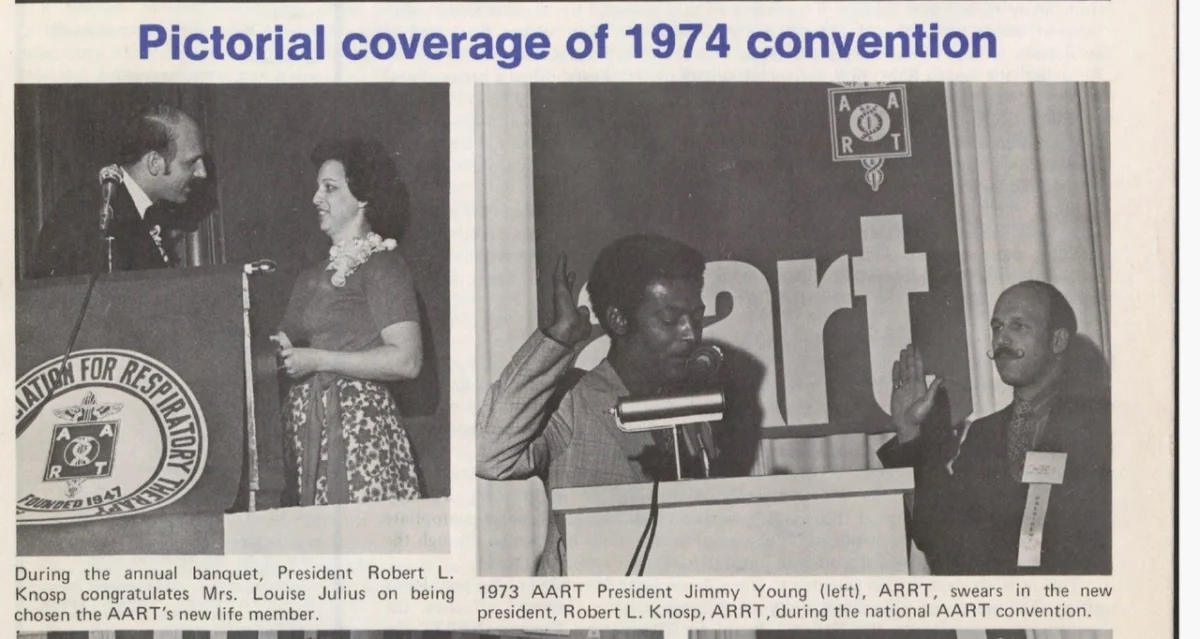
The Jimmy A. Young Award stands as the pinnacle of achievement within the American Association for Respiratory Care (AARC). Named in honor of the late AARC president—a visionary whose life was defined by his unwavering commitment to the advancement of respiratory medicine—the award serves as more than a prestigious accolade. It is a hallmark of sustained, transformative contribution to the profession.
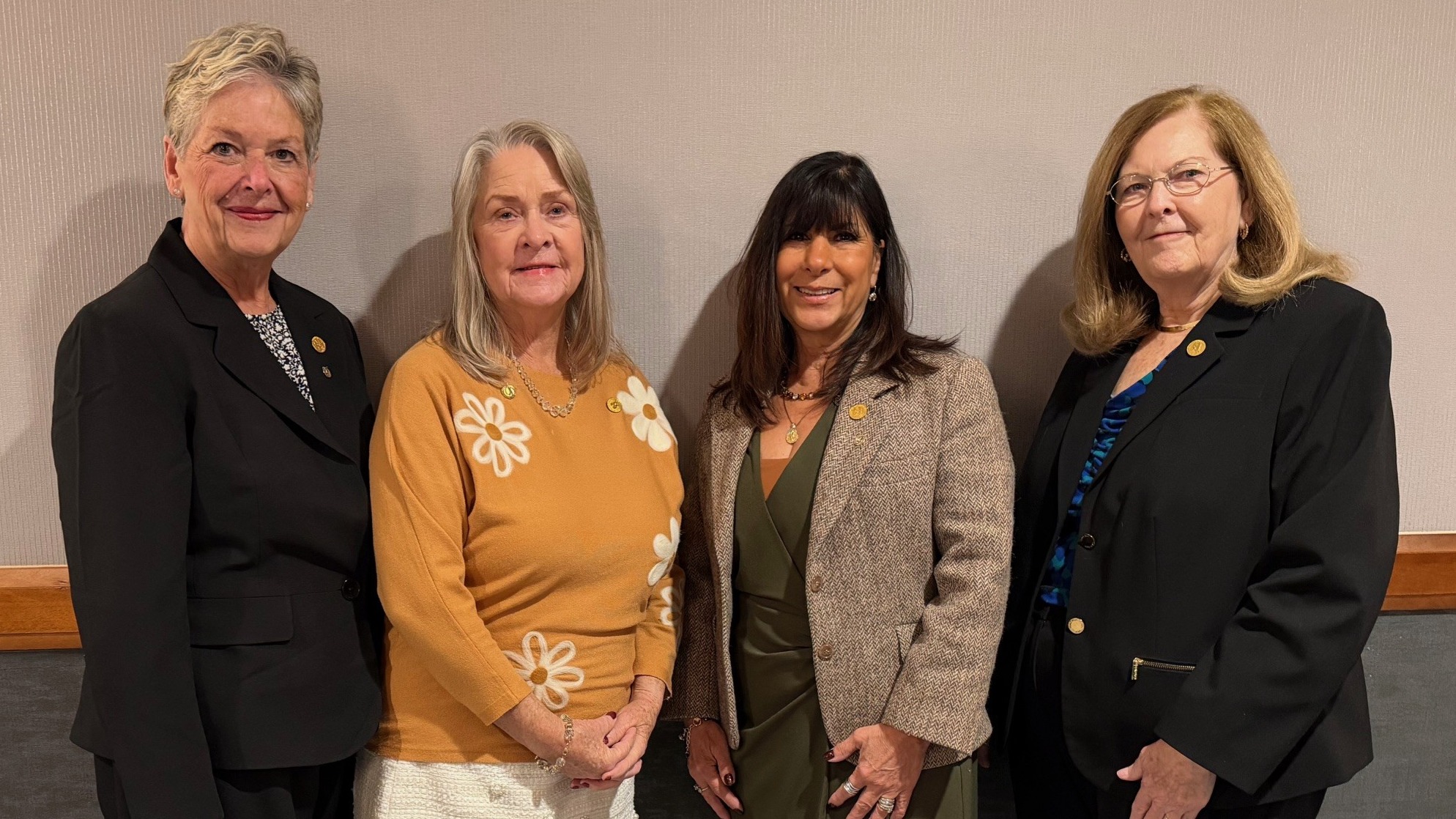
Recently, Lisa Weisenberger, AARC Director of Content and Communications, facilitated a profound retrospective discussion with four of the five women who have received this honor: Dianne Lewis, MS, RRT, FAARC (2025); Trudy Watson, BS, RRT, FAARC (2018); Margaret Traband, MEd, RRT, FAARC (2011); and Teresa Volsko, MBA, MHHS, LSSBB, RRT, FAARC (2020). Joining this lineage in spirit is the late Louise Julius, who, alongside her husband John, made history as a recipient in 1988. Together, these women represent not only clinical excellence but a fundamental shift in the leadership landscape of modern medicine.
A Legacy of Service: The Foundation of Excellence
The journey to the Jimmy A. Young Award is rarely linear; rather, it is characterized by a lifelong commitment to the betterment of patient care. For the recipients, the path began long before the spotlight of national recognition found them.
Dianne Lewis, the 2025 honoree, traces her professional identity back to the trenches of the AARC House of Delegates. Her influence, however, was cemented through her pioneering work on the Clinical Practice Guidelines Steering Committee. "My group wrote and published the first clinical practice guideline for the association," Lewis reflects. This wasn’t merely an administrative achievement; it was a watershed moment that standardized the delivery of respiratory care, ensuring that a patient in a rural clinic received the same evidence-based standard of care as a patient in a top-tier metropolitan hospital.
For Margaret Traband, who entered the AARC in 1972, the philosophy of leadership is rooted in local action. "We began with our state societies," she explains. Her perspective highlights an important truth about the profession: the most enduring leaders are those who serve out of necessity and passion rather than careerism. "You don’t do it looking for what else you need to check off a list to get an award. You’re just moving ahead where you think you can do the most good."
Breaking the Glass Ceiling: A Chronology of Progress
To understand the weight of these women’s achievements, one must look at the historical context of the respiratory therapy profession. While women currently represent a significant, if not majority, portion of the respiratory therapy workforce, the upper echelons of leadership were long dominated by a different demographic.
The Evolution of the Table
In the late 1970s and early 1980s, the environment was vastly different. Teresa Volsko recalls the scarcity of opportunity for women at the executive and organizational levels. "In 1979, if you were invited to the table, you didn’t dare bring another woman up with you because there were only one or two seats," she explains. The environment was inherently competitive, driven by the scarcity of professional recognition for women.
However, the narrative has shifted significantly over the past four decades. The transition from a "gatekeeper" mentality to one of "collective elevation" marks the most significant cultural shift in the profession. Today, these leaders emphasize that the landscape has changed from one of survival to one of mentorship. "Now, we have the power to change that landscape from being competitive to really lifting each other up," Volsko notes.
Supporting Data and Professional Standards
The clinical rigor required to reach the level of a Jimmy A. Young recipient is immense. The discussion highlighted that while the tools of the trade have evolved—from basic mechanical ventilation to sophisticated, high-frequency oscillatory support—the requirement for "over-preparation" remains the status quo.
Margaret Traband reminisces about the "Journal Clubs" of the 1970s, where therapists would gather to dissect the latest research. This commitment to intellectual curiosity serves as a cornerstone for any RT aiming for longevity. "You have to be well-versed, so you don’t come off half-prepared," Traband asserts. This sentiment is echoed by the current generation of leaders who argue that the complexity of modern respiratory care demands a level of academic grounding that exceeds the basic requirements of licensure.
Strategic Roadmap for the Next Generation
When asked to provide a blueprint for those currently entering the field, the four honorees synthesized their decades of experience into three core pillars of professional development.
1. The Art of Strategic Networking
Trudy Watson emphasizes that professional success is a social endeavor. "Get involved so your name is known and you are trusted within your own organization," she advises. This involves extending one’s reach beyond the hospital walls to organizations like the American Lung Association. By diversifying their professional circles, therapists ensure that their influence is felt on a macro-level, affecting policy and community health.
2. The Requirement of Clinical Grounding
Regardless of how high a leader climbs in administrative or organizational roles, they must remain tethered to the clinical reality of the profession. Being "over-prepared" is not a temporary phase of education; it is a permanent requirement for practitioners who wish to be taken seriously in multidisciplinary medical teams.
3. Leading from the Bedside
Teresa Volsko challenges the notion that leadership is synonymous with a managerial title. "Don’t let the fact that you have the title of a clinical respiratory therapist stop you from doing great things. Lead where you are," she says. This is perhaps the most vital takeaway for the next generation: leadership is a behavior, not a position.
Implications for the Future of Respiratory Care
The profession stands at a critical juncture. On one hand, there is a massive projected growth in demand for respiratory therapists over the coming decade. As Dianne Lewis notes, the opportunities for practitioners have never been more abundant. However, this growth is met with the logistical challenge of "finding the students to fill the seats in the classroom," as Trudy Watson points out.
The post-pandemic landscape has also introduced the pervasive challenge of burnout. The constant demand for high-stakes care has left many practitioners feeling detached from their purpose. In response, the wisdom provided by the Jimmy A. Young recipients offers a necessary antidote: perspective.
"The further away you get from the bedside, the less positive reinforcement happens," Traband observes. She encourages practitioners to pause and acknowledge the impact of their work. "Take the time to reflect at the end of the day. Know that you’ve alleviated breathlessness and calmed patients. Steep in that moment."
Conclusion: A Testament to Advocacy
The Jimmy A. Young Award is far more than a trophy or a line on a resume. It is a testament to the power of sustained professional advocacy. By analyzing the careers of Lewis, Watson, Traband, and Volsko, we see a clear pattern: those who succeed in the long term are those who remain curious, who prioritize the growth of others, and who maintain an unwavering focus on the patient.
As the field of respiratory care continues to evolve, the lessons offered by these leaders serve as a North Star. The future of the profession relies on a blend of clinical excellence, the courage to take a seat at the table, and the willingness to pull others up alongside us. In a world of high-stakes medical intervention, the respiratory therapist remains a vital, irreplaceable, and increasingly influential figure in the healthcare ecosystem. The legacy of the Jimmy A. Young Award continues to inspire, reminding every practitioner that with dedication, the impact of their work can last a lifetime.