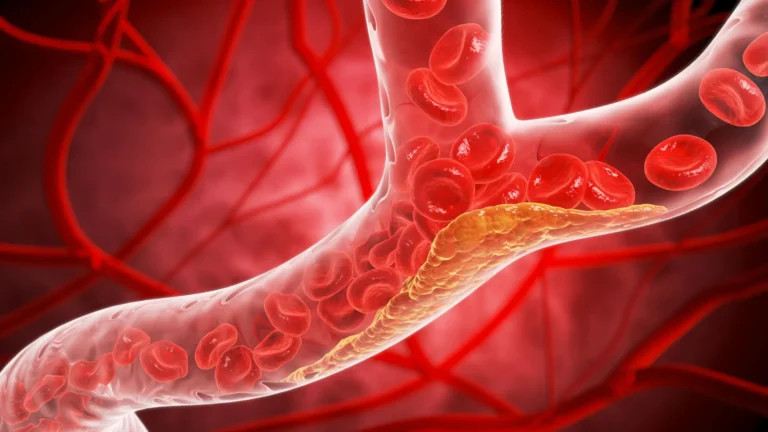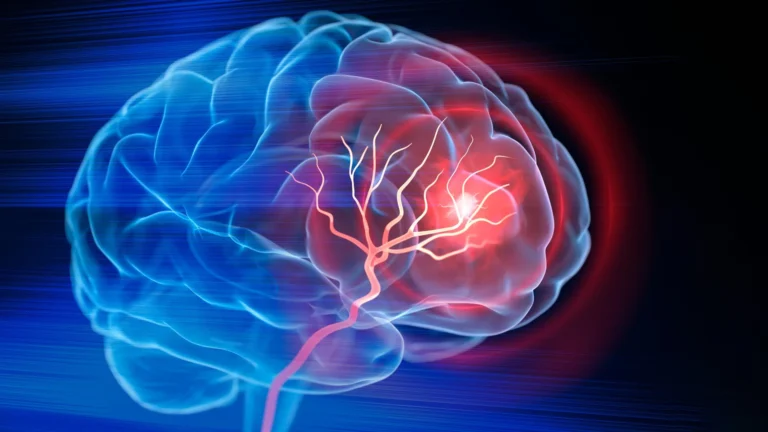












For decades, the medical community has focused on the "usual suspects" of cardiovascular disease: high cholesterol, hypertension, and sedentary lifestyles. However, a landmark study involving nearly half a million adults has unveiled a more insidious culprit, one that operates in the shadows of our daily lives. Chronic inflammation, often triggered by the cumulative pressures of socioeconomic hardship and mental distress, is physically altering the architecture of the human heart, potentially setting the stage for heart attacks and strokes years before clinical symptoms ever manifest.
Led by researchers at the Medical Research Council (MRC) Laboratory of Medical Sciences (LMS) and Imperial College London, this massive investigation represents the largest study of its kind. By synthesizing blood markers, genetic data, and advanced heart imaging, scientists have identified a clear biological pathway connecting the stresses of everyday existence to permanent cardiovascular damage.
The Mechanics of Silent Damage
At the heart of this research is the concept of chronic inflammation. While acute inflammation is a vital, short-term immune response—a necessary tool for healing wounds or fighting infections—it is designed to "switch off" once a threat has passed. Chronic inflammation, by contrast, is a state of persistent, low-level immune activation. It is the body’s "smoldering fire" that never quite goes out.
The researchers, utilizing data from the UK Biobank, assessed inflammation using a sophisticated blood marker known as glycoprotein acetyls (GlycA). When this marker remains elevated over time, the body’s immune system effectively remains in a heightened state of alert. This continuous activation does not merely affect the blood; it infiltrates the cardiovascular system, leading to physical "remodeling" of the heart muscle.
According to the study, individuals suffering from high levels of chronic inflammation often exhibit thicker heart walls, smaller heart chambers, and impaired filling capacity. These structural changes are essentially the heart’s way of responding to a hostile internal environment. Unfortunately, because these changes occur silently, patients often remain unaware of their deteriorating cardiac health until a catastrophic event, such as a heart attack or stroke, occurs.
A Chronology of Discovery: From Data to Diagnosis
The journey to these findings involved a rigorous, multi-year analysis of the UK Biobank, a vast repository of biological and lifestyle information. The research team’s process followed a distinct trajectory:
- Initial Screening: The team began by analyzing the blood markers of approximately 480,000 participants to establish a baseline of systemic inflammation.
- Imaging Integration: The researchers then cross-referenced these inflammatory markers with cardiac MRI scans to observe the physical state of the heart.
- Genetic Mapping: Recognizing that resilience to stress varies, the team integrated genetic information to determine how much of an individual’s inflammatory response was hard-wired versus acquired through environment.
- Longitudinal Tracking: By following the clinical outcomes of these participants, the researchers were able to correlate early inflammatory markers with the incidence of major cardiac events over subsequent years.
The data revealed a sobering trend: those in the top 20% for inflammatory markers faced a 43% higher risk of suffering a heart attack or stroke compared to those in the bottom 20%. This increased risk held true even for participants who had no prior history of heart disease, proving that inflammation acts as an independent, silent driver of cardiovascular failure.
The Socioeconomic and Psychological Nexus
Perhaps the most compelling aspect of this study is its examination of the "social determinants of health." The researchers found a robust correlation between systemic inflammation and factors traditionally considered outside the realm of classic cardiology: poverty, psychological distress, and socioeconomic disadvantage.
"The surprising thing was how much social factors and mental health are linked to inflammation and damage to the heart," said Professor Declan O’Regan, British Heart Foundation Chair of Cardiovascular AI at Imperial College London.
The study suggests that chronic life stress—whether born of financial instability, social isolation, or prolonged anxiety—is not just an abstract emotional burden. It is a biological stressor. The body interprets these "pressures of life" as threats, prompting an immune system response that, when sustained for years, results in the structural degradation of the heart.
Furthermore, the research identified specific inflammatory proteins within the interleukin-1 and TNF families as primary contributors to this damage. These proteins are already the targets of various pharmaceutical interventions, providing a potential "silver bullet" for patients identified as high-risk.
Official Responses and Expert Commentary
The significance of these findings has drawn strong reactions from the global medical community, underscoring the urgent need for a paradigm shift in how we approach heart health.
Professor Bryan Williams, Chief Scientific and Medical Officer at the British Heart Foundation, highlighted the dual nature of our immune response. "Inflammation is part of the body’s healing process, but there is also a darker side to it," Williams stated. "This large-scale study found people with higher levels of inflammation experienced silent changes to the structure of their hearts and had a higher risk of major cardiac events."
Williams emphasized that the study provides a roadmap for future prevention. By identifying the specific proteins involved in heart damage, the medical field may be on the verge of introducing anti-inflammatory therapies as a preventative tool. "It is to be hoped that anti-inflammatory medicines could become an important tool in preventing cardiovascular disease," he added.
The researchers remain cautious, however, stressing that while the link between environment and biology is strong, it is not a sentence of inevitable illness. Genetic susceptibility plays a role, but lifestyle modifications—such as smoking cessation, weight management, and active efforts to mitigate chronic stress—remain the first line of defense.
Implications: The Future of Preventive Cardiology
The implications of this study are profound, suggesting a future where a simple blood test could act as an early-warning system for heart failure. By combining GlycA blood markers with genetic risk scores, clinicians could identify vulnerable individuals long before they ever experience a chest pain or a cardiac episode.
1. Shift in Diagnostic Standards
Current cardiovascular screening focuses heavily on cholesterol levels and blood pressure. The inclusion of inflammation markers could provide a more holistic view of a patient’s health, accounting for the "hidden" damage caused by environmental and social stressors.
2. Personalized Interventions
The study suggests that for some, the damage is driven heavily by lifestyle; for others, it is a genetic predisposition to inflammation. Understanding this balance will allow for "precision cardiology," where patients are prescribed not just statins, but potentially anti-inflammatory therapies or mental health support based on their specific inflammatory profile.
3. Tackling Health Inequalities
The clear link between socioeconomic status and heart damage provides a powerful argument for policy reform. If poverty and mental health are proven causes of structural heart damage, then public health initiatives that address these issues are, by definition, heart-health initiatives. Addressing the root causes of chronic stress—such as housing stability and mental health access—could lead to a measurable reduction in national heart disease rates.
4. Therapeutic Development
The identification of interleukin-1 and TNF family proteins as key players in heart remodeling opens a new frontier for drug development. Clinical trials are already underway, and the possibility of using targeted anti-inflammatories to "switch off" the smoldering fire in the heart is a goal that now feels within reach.
Conclusion
The study led by the MRC Laboratory of Medical Sciences and Imperial College London serves as a wake-up call. It demands that we stop viewing the heart as an isolated pump and start viewing it as an organ that is inextricably linked to our social, psychological, and environmental worlds.
While the "silent damage" caused by chronic inflammation is daunting, it is not invisible anymore. With the ability to measure these markers and the potential to treat the underlying biological drivers, modern medicine is better equipped than ever to intervene. As researchers continue to refine these findings, the path forward is clear: by addressing the systemic causes of inflammation, we can protect the heart from the pressures of modern life and significantly extend the healthy lifespan of millions.