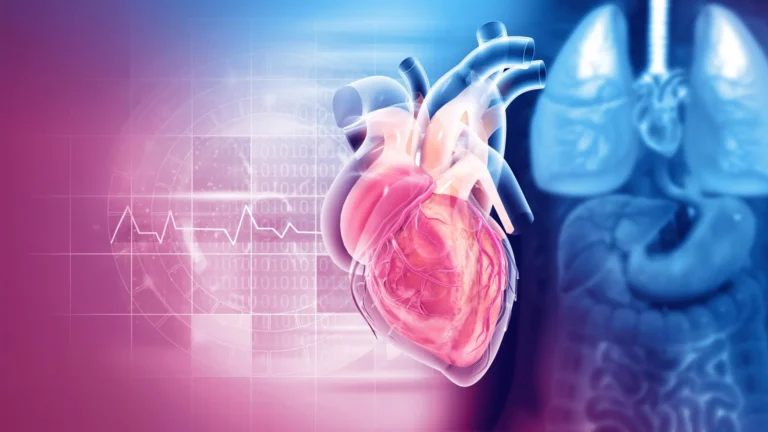
Congenital heart disease (CHD) stands as one of the most pressing challenges in modern neonatology. Affecting approximately two out of every 100 newborns worldwide, it is the most prevalent form of birth defect, often requiring complex, life-saving surgeries within days or even hours of birth. Despite decades of clinical progress, the fundamental biological "why"—the precise genetic and molecular triggers that cause the human heart to misalign or fail to form correctly during embryonic development—has remained frustratingly elusive.
However, a groundbreaking study from the University of Copenhagen, recently published in the scientific journal PLOS Biology, may have finally identified a critical missing piece of the puzzle. Researchers have uncovered a previously unknown cellular communication system housed within the "primary cilium"—a microscopic, antenna-like structure on the surface of human cells—that acts as a master regulator of heart formation.
The Primary Cilium: The Body’s Microscopic Command Center
To understand the magnitude of this discovery, one must first understand the primary cilium. For years, these tiny, hair-like projections were dismissed by many in the scientific community as vestigial organelles. We now know that they are, in fact, the cell’s command centers.
These structures function as sophisticated antennae, constantly scanning the extracellular environment for chemical signals. They interpret a vast array of biological data—hormones, growth factors, and mechanical stimuli—and translate these signals into precise instructions for the cell. Depending on the message received, the primary cilium can trigger a cell to divide, initiate migration to a specific location in the embryo, change its metabolic output, or, in some cases, induce programmed cell death.
During the delicate, high-stakes window of embryonic development, the coordination of these cellular decisions is what transforms a cluster of stem cells into a functional, four-chambered heart. When this communication is disrupted, the consequences can be catastrophic for the developing fetus.
Uncovering the Signaling Hub: A New Molecular Mechanism
The research team, led by Professor Lars Allan Larsen and Professor Søren Tvorup Christensen, identified that a trio of proteins—TAK1, TAB2, and PKA-Cα—forms a specialized signaling hub located within the primary cilium.
"We have discovered a new communication system on the exterior of the cell that is crucial for the proper formation of the heart during embryonic development," explains Professor Lars Allan Larsen, an expert in congenital heart disease at the University of Copenhagen’s Department of Cellular and Molecular Medicine. "You could say that we have identified an important cog in a highly complex machine."
This "cog" acts as a gatekeeper for stem cells, providing the molecular instructions required to transition into specialized heart muscle cells. When genetic mutations occur within these proteins, the "antenna" loses its ability to relay these vital instructions. This failure creates a ripple effect: the cells lose their developmental cues, the heart fails to develop its structural integrity, and congenital heart defects emerge.
Chronology of the Discovery: From Patient Data to Zebrafish Models
The road to this discovery was characterized by a multi-disciplinary approach, blending clinical data with rigorous laboratory experimentation.
Phase 1: Genomic Analysis
The researchers began by scrutinizing genetic data from thousands of patients diagnosed with congenital heart disease. By comparing the genetic profiles of these patients against healthy control groups, the team identified rare, recurring mutations in the genes responsible for the TAK1, TAB2, and PKA-Cα proteins. The high frequency of these mutations in the patient population strongly suggested a causal link.
Phase 2: Zebrafish and Stem Cell Modeling
Identifying a correlation is not enough in clinical biology; the team had to prove causation. Using advanced CRISPR-based genetic engineering, the scientists introduced these specific patient-derived mutations into zebrafish embryos. The results were immediate and observable: the zebrafish exhibited clear deficits in heart formation and reduced cardiac function.
Phase 3: Cellular Mechanistic Studies
Parallel to the zebrafish trials, the team utilized human and mouse stem cell models to observe the signaling pathways in real-time. By disrupting the communication flow within the primary cilium in these controlled environments, they were able to document exactly how the failure of the protein hub prevented stem cells from successfully differentiating into mature cardiac tissue.
Supporting Data and the Scope of CHD
The impact of this discovery is underscored by the sheer scale of the global health crisis posed by CHD. According to the World Heart Federation and the Danish Heart Foundation, between 2.3 and 2.5 million newborns are affected by congenital heart disease annually. As of 2023, an estimated 16 million people are currently living with these conditions, many of whom face lifelong health complications.
The research specifically focused on "syndromic" congenital heart disease—cases where the heart defect is part of a broader, systemic genetic syndrome. This is a critical distinction because it suggests that the failure of this ciliary signaling hub may not be isolated to the heart.
Implications: Beyond the Heart
Perhaps the most provocative aspect of the study is the suggestion that this cellular mechanism influences more than just the cardiovascular system.
"When the ciliary mechanism fails, it typically affects the development of several other organs as well," notes Professor Søren Tvorup Christensen. "This may explain why some patients with congenital heart disease also have defects and related conditions affecting the brain, kidneys, and skeleton. The mechanism provides a unifying explanation for diseases that we have previously struggled to understand."
By linking heart defects to broader ciliary dysfunction, the team has opened a new door for researchers studying rare genetic syndromes. Many diseases that were previously considered unrelated may, in fact, share the same underlying "broken antenna" mechanism. This could lead to a paradigm shift in how clinicians screen for and diagnose complex, multi-organ developmental disorders.
Future Horizons: Toward Targeted Treatments
While the researchers emphasize that they are still at the stage of building a comprehensive model of this mechanism, the implications for future medical intervention are significant.
For decades, the medical approach to congenital heart disease has been largely surgical—repairing the heart after the defect has already occurred. By identifying the specific molecular pathway responsible for these defects, researchers are moving closer to a future where, potentially, genetic screening could identify high-risk pregnancies earlier.
"Many rare genetic diseases are caused by changes in genes that affect ciliary function, yet the underlying mechanisms have remained poorly understood," says Professor Larsen. "This new knowledge may eventually make it easier to identify patients early and develop targeted treatments."
Conclusion: A New Foundation for Cardiac Research
The study, which involved an extensive international team of contributors, serves as a testament to the power of integrating patient-level genetic data with basic science. By "zooming in" to the microscopic level of the primary cilium, the University of Copenhagen team has shifted the focus of congenital heart disease research.
We are no longer just looking at the heart as a static organ that developed incorrectly; we are beginning to understand the dynamic, real-time "molecular conversation" that dictates its formation. As the scientific community continues to explore the role of the primary cilium, this research will likely stand as a foundational moment in our quest to mitigate the impact of birth defects and provide a clearer path for the millions of families affected by congenital heart disease worldwide.
The work now moves into the next phase: testing whether the modulation of these pathways can be used to rescue or correct these signaling errors in laboratory models, potentially paving the way for the next generation of developmental therapies.