











For millions of individuals worldwide, chronic pain is not merely a symptom; it is a persistent, debilitating condition that recalibrates the nervous system and diminishes quality of life. Despite decades of pharmacological advancement, the mechanisms underlying persistent pain states—such as neuropathic, inflammatory, and cancer-related pain—remain notoriously difficult to manage. However, recent scientific reviews have cast a spotlight on a fundamental biological engine: the nitric oxide (NO)/cyclic guanosine 3′,5′-monophosphate (cGMP) signaling pathway. As researchers peel back the layers of how this pathway modulates pain transmission, it is becoming increasingly clear that this molecular cascade may represent the "missing link" in developing next-generation analgesic therapies.
Main Facts: The NO/cGMP Signaling Engine
At the core of the nervous system’s pain-processing machinery lies a sophisticated chemical relay. The NO/cGMP signaling pathway serves as a primary mediator in the transmission and amplification of pain signals.
The biological process is elegant in its complexity:
- Activation: Nitric oxide, a gaseous signaling molecule, acts as a primary trigger.
- Enzymatic Cascade: NO activates soluble guanylate cyclase (sGC), an enzyme that catalyzes the conversion of GTP into cGMP.
- Downstream Targets: The resulting cGMP acts as a secondary messenger, activating cGMP-dependent protein kinase (PKG).
- Physiological Outcome: PKG then initiates a chain reaction that targets various cellular components, most notably the opening of ATP-sensitive potassium channels.
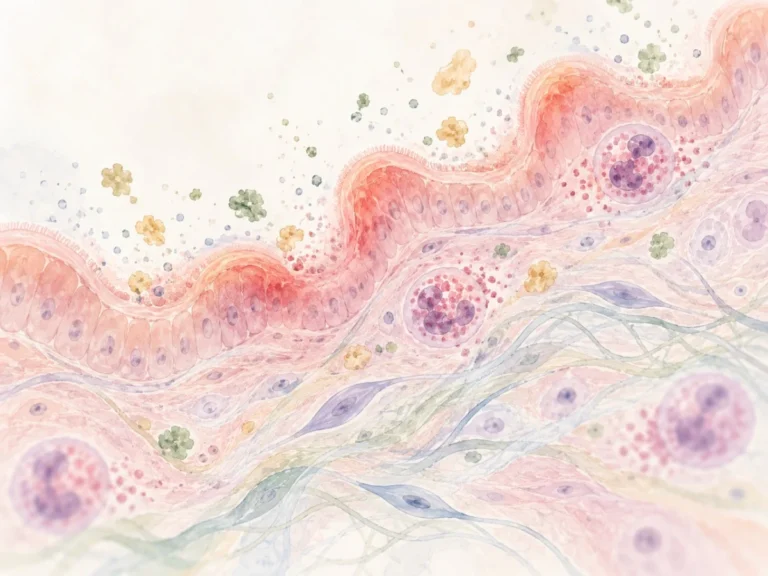
This pathway does not function in a vacuum. In the spinal cord, the activation of this signaling cascade induces the upregulation of critical downstream molecules. Furthermore, it triggers reactive astrogliosis and microglial polarization—processes that effectively "rewire" the spinal cord to favor pain sensitization. By altering the behavior of these glial cells, the NO/cGMP pathway transforms transient stimuli into long-lasting chronic pain states.
Chronology: A Timeline of Discovery
The understanding of NO/cGMP signaling in the context of pain has evolved over several decades, moving from basic cardiovascular research to complex neurobiology.
- 1980s: The Discovery of Nitric Oxide: Scientists identified NO as an endothelium-derived relaxing factor. While initially studied for its role in vasodilation, researchers soon began to speculate about its role as a neurotransmitter in the central nervous system.
- 1990s: The Spinal Cord Connection: Early studies began to document that nitric oxide synthase (NOS)—the enzyme responsible for producing NO—was heavily concentrated in the dorsal horn of the spinal cord, the primary site for pain signal integration.
- 2000s: Mapping the cGMP Pathway: The identification of the cGMP/PKG axis provided the mechanical framework for how NO effects were translated into cellular changes. Researchers began linking this pathway to hyperalgesia (increased sensitivity to pain) in animal models.
- 2010s: Glial Involvement: The narrative shifted from purely neuronal signaling to include neuro-immune interactions. It was discovered that NO/cGMP signaling modulates microglial and astrocyte activation, cementing the pathway’s role in the "central sensitization" characteristic of chronic pain.
- 2020s: Therapeutic Targeting: Recent systematic reviews have consolidated these findings, identifying the NO/cGMP pathway as a dual-action target. Current research focuses on how to selectively inhibit the pathway’s algesic (pain-inducing) components while preserving its analgesic (pain-relieving) potential.
Supporting Data: Mechanisms in the Dorsal Root Ganglion and Spinal Cord
The complexity of chronic pain is best understood by looking at specific anatomical hubs. The dorsal root ganglion (DRG) and the spinal cord function as the "command centers" for sensory input.
The DRG and Natriuretic Peptides
In the DRG, the signaling pathway takes a slightly different form. Natriuretic peptides bind to particulate guanylyl cyclase, bypassing the need for soluble cyclase. This generates a robust cGMP/PKG response that contributes directly to the development of chronic pain. Data suggests that in states of nerve injury or chronic inflammation, these receptors are significantly upregulated, making the DRG hyper-responsive to sensory input.
Spinal Cord Modulation and Astrogliosis
In the spinal cord, the pathway acts as a double-edged sword. Research indicates that persistent activation of the NO/cGMP pathway leads to:
- Upregulation of Downstream Effectors: Increased expression of pro-inflammatory cytokines and receptors that keep the pain "switch" permanently in the "on" position.
- Microglial Polarization: Microglia—the brain’s immune cells—shift toward a pro-inflammatory phenotype, releasing substances that further irritate nerve fibers.
- Reactive Astrogliosis: Astrocytes proliferate and change morphology, creating a biochemical environment that lowers the threshold for pain signals to reach the brain.
Clinical models of neuropathic pain and bone cancer pain consistently show that when this pathway is inhibited, the severity of chronic pain symptoms is significantly reduced, suggesting that the pathway is not just a participant, but a "constituent" element of the disease state.
Official Responses and Clinical Perspectives
The medical community has responded to these findings with a mix of cautious optimism and strategic planning. Pain management specialists emphasize that the "dual effects" of the NO/cGMP pathway present both a challenge and a massive opportunity.
Leading researchers in neuropharmacology note that because this pathway can induce both algesic and analgesic effects—depending on the specific receptor profile and tissue type—blanket inhibition is not the goal. Instead, the focus has shifted toward "precision modulation."
"The goal is not to shut down the entire system, as NO/cGMP signaling is vital for normal physiological functions, including blood pressure regulation and neurotransmission," explains a leading consultant in clinical neurology. "Rather, the clinical objective is to identify the precise temporal and spatial markers of when this pathway transitions from a protective mechanism to a pathological one."
Pharmaceutical developers are currently screening for selective inhibitors that target specific downstream effectors of PKG in the spinal cord, hoping to avoid the systemic side effects that have hindered previous generations of pain medication.
Implications: The Future of Pain Therapy
The identification of the NO/cGMP signaling pathway as a central driver of chronic pain has profound implications for how we treat patients in the future.
1. Precision Medicine and Targeted Drug Design
Current pain medications—opioids, NSAIDs, and gabapentinoids—often come with significant side effects and varying degrees of efficacy. By targeting the NO/cGMP pathway, researchers hope to develop drugs that are highly specific to the nervous system, potentially bypassing the need for systemic opioids and reducing the risk of addiction.
2. Biomarkers for Chronic Pain
The pathway also offers a potential roadmap for diagnostic tools. By measuring the levels of cGMP or the activity of PKG in cerebrospinal fluid or through advanced imaging, clinicians might eventually be able to quantify "pain intensity" objectively—a feat that has eluded the medical field for centuries.
3. Understanding Morphine Tolerance
One of the most promising implications is the potential to combat morphine tolerance. Chronic opioid use often leads to a diminished response over time. Evidence suggests that the NO/cGMP pathway is activated during prolonged opioid use, contributing to this tolerance. If clinicians can use a "co-therapy" approach—administering a selective NO/cGMP pathway modulator alongside opioids—it may be possible to maintain pain relief at lower doses for longer periods.
4. A Paradigm Shift in Treatment
The shift toward viewing chronic pain as a "signaling disorder" rather than just a tissue-damage issue is a paradigm shift. It moves the conversation away from merely masking symptoms toward the possibility of "re-normalizing" the nervous system. Whether through gene therapy, small-molecule inhibitors, or localized spinal delivery systems, the NO/cGMP pathway provides the most promising target discovered in recent decades.
Conclusion
The science of pain is moving toward a more nuanced, molecular-level understanding. While chronic pain remains a complex, multifaceted condition, the NO/cGMP signaling pathway has emerged as a clear, druggable target that governs how the body processes and perpetuates pain.
As we continue to map the interplay between NO, cGMP, PKG, and the glial cell environment, the promise of a new therapeutic era grows stronger. By focusing on the regulation of this signaling pathway, the medical community may finally be able to offer patients not just a temporary reprieve from their suffering, but a long-term solution that addresses the very root of the pain experience. The road ahead requires rigorous clinical trials and a deeper understanding of the pathway’s dual-action nature, but the path is now illuminated by a much clearer understanding of the cellular machinery at play.