





The physical toll of the COVID-19 pandemic has been documented through daily tallies of infections, hospitalizations, and mortality rates. However, beneath these visible metrics lies a secondary, more insidious crisis that experts warn may persist long after the virus has been contained. As the United States moves through various phases of recovery, researchers are sounding the alarm on a profound shift in the nation’s psychological landscape, characterized by unprecedented levels of depression, anxiety, and suicidal ideation.
The data emerging from multi-university consortiums and leading pediatric hospitals paints a sobering picture of a population under extreme psychological duress. While the acute phase of the biological pandemic may be receding, the "mental health tail" of the disaster is proving to be both long and complex.
Main Facts: The Statistical Reality of a National Crisis
Recent findings from the "COVID States Project"—a collaborative research effort involving experts from Northeastern, Harvard, Northwestern, and Rutgers Universities—indicate that mental health struggles have become a pervasive feature of American life. The data suggests that nearly one-third of the population is currently grappling with symptoms that require clinical intervention.
Key findings from the most recent surveys include:
- Depression Thresholds: Approximately 28% of surveyed Americans report symptoms of depression severe enough to warrant a referral for professional evaluation and treatment. This figure represents a nearly threefold increase compared to pre-pandemic benchmarks.
- Persistent Anxiety: Anxiety rates remain significantly elevated, with 25% of the population reporting high levels of distress. While this is a slight decrease from the 28% peak recorded in late 2020, it remains well above historical norms.
- Suicidal Ideation: Perhaps the most distressing statistic is that 23% of respondents—nearly one in four Americans—report having considered suicide at least occasionally during the pandemic period.
- Demographic Vulnerability: The crisis is not distributed equally. Young adults (ages 18–24) are the most severely affected, with a staggering 42% meeting the criteria for moderate to severe depression. In contrast, adults aged 65 and older have shown the most resilience, with only 10% reporting similar levels of impairment.
These figures indicate that the pandemic has acted as a "stress test" for the American psyche, exposing vulnerabilities in social support systems and individual coping mechanisms alike.
Chronology: The Waves of Psychological Distress
To understand the current state of mental health, it is necessary to trace the trajectory of the crisis from the initial lockdowns to the present day. The psychological impact of the pandemic has not been a static event but rather a series of fluctuations tied to the social and economic realities of the virus.
The Initial Shock (Spring 2020)
In the early months of the pandemic, the sudden cessation of social life and the onset of economic uncertainty triggered an immediate spike in distress. By June 2020, depression rates had already reached 25%, a baseline that would never be returned to throughout the following year.
The Winter Peak (December 2020)
The darkest period for American mental health coincided with the winter surge of COVID-19 cases and the return of restrictive measures. During this time, depression rates peaked at 30%, and anxiety reached its highest recorded levels. Experts attribute this peak to "pandemic fatigue," the loss of outdoor social opportunities, and the cumulative weight of nearly a year of isolation.
The Uncertain Recovery (2021–Present)
As vaccines became available in early 2021, there was hope for a significant "rebound" in mental health. However, the data shows only a marginal improvement. The 28% depression rate recorded in mid-2021 suggests that the psychological scars of the pandemic are deeper than initially anticipated. The transition back to "normal" life has brought its own set of stressors, including "re-entry anxiety" and the realization that many pre-pandemic structures have been permanently altered.
Supporting Data: Pediatric Emergencies and Socioeconomic Disparities
While adult statistics are harrowing, the data regarding children and adolescents suggests a burgeoning crisis in the pediatric care system. A study published by the Children’s Hospital of Philadelphia (CHOP) provides critical insight into how the youngest members of society are processing the upheaval.
The Pediatric Shift
Dr. Polina Krass, a pediatrician at CHOP, noted a disturbing trend: while overall emergency department (ED) visits decreased during the pandemic as people avoided hospitals, the proportion of those visits dedicated to mental health emergencies surged. Furthermore, a higher percentage of these pediatric patients required acute hospitalization compared to pre-pandemic eras, indicating that the severity of the cases has intensified.
The Burden on Young Adults
The COVID States Project highlighted that 42% of young adults are struggling with depression. David Lazer, a professor of political science and computer sciences at Northeastern University, explains this through the lens of "dynamic life stages." Unlike older adults who may have established careers and stable housing, young adults are in the process of finishing education, entering a volatile job market, and forming foundational social bonds. The pandemic essentially "paused" or disrupted these critical developmental milestones, leading to a sense of lost time and uncertain futures.
Inequities in Care
The data also underscores a widening gap in healthcare access. Minority communities, which were disproportionately affected by the virus’s health and economic impacts, face "stark inequities" in mental health support. Structural factors, including systemic racism and the unequal distribution of resources, have left these populations more vulnerable to long-term psychological trauma with fewer avenues for professional help.
Official Responses: Expert Perspectives on Recovery
Federal health officials and academic researchers are beginning to pivot from data collection to intervention strategies. The consensus among experts is that while the human mind is resilient, the scale of this "mass trauma" requires a coordinated public health response.
The NIMH Outlook
Susan Borja, Chief of the Dimensional Traumatic Stress Research Program at the National Institute of Mental Health (NIMH), offers a nuanced perspective on recovery. She notes that while "natural recovery" is the norm following widespread disasters, the duration of the pandemic is unprecedented.
"Increased symptoms exist along a continuum," Borja explains. She emphasizes that while many people will see their symptoms diminish as the threat recedes, a "significant minority" will likely develop chronic conditions that require long-term clinical management.
The Call for Structural Change
From the clinical perspective, Dr. Krass argues that the pandemic has simply magnified a pre-existing shortage in mental health infrastructure. She advocates for a multi-pronged approach that includes:
- Increased funding for mental health research.
- Aggressive efforts to reduce the impact of "social determinants of health," such as community violence and structural racism.
- Expanding the "care continuum" to ensure that mental health support is available in schools, primary care offices, and community centers, not just emergency rooms.
Implications: Policy Shifts and the Path Forward
The pandemic has forced a long-overdue conversation regarding the integration of mental health into the broader public health framework. There is a growing recognition that a nation’s economic and physical health is inextricably linked to its psychological well-being.
Legislative Action
One of the most promising developments is the introduction of the Behavioral Health Crisis Services Expansion Act (S. 1902). This federal legislation aims to:
- Establish universal standards for behavioral health crisis services.
- Ensure that these services are available to all individuals regardless of their ability to pay or their geographic location.
- Provide a sustainable funding model for crisis response teams, potentially reducing the reliance on law enforcement for mental health interventions.
Individual Agency and Coping
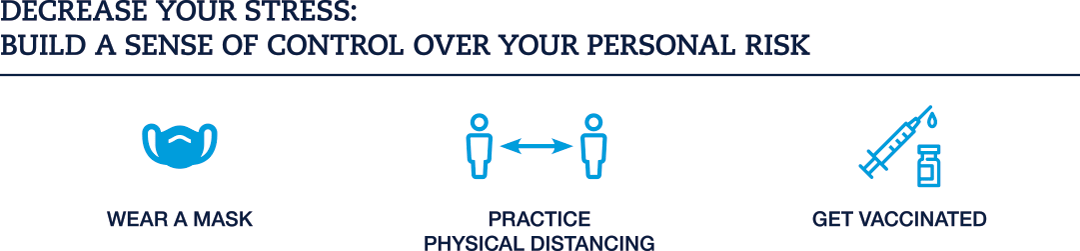
On an individual level, health officials are encouraging Americans to take an active role in their own psychological recovery. Susan Borja suggests that engaging in "pro-social" behaviors—such as vaccination and following public health guidelines—can provide a sense of agency and control, which are powerful antidotes to the helplessness often felt during a disaster.
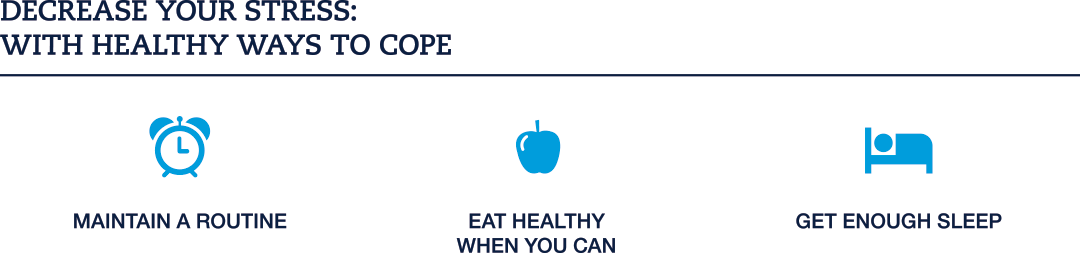
Furthermore, the "basics" of mental hygiene—maintaining routines, prioritizing sleep, and consistent physical activity—remain the first line of defense against the creeping onset of depression and anxiety.
The "Silver Lining"
If there is a positive outcome to be found in the wake of the pandemic, it is the erosion of the stigma surrounding mental health. As Susan Borja noted, there is now a "general awareness that mental health is a significant part of public health."
The challenge for the coming decade will be whether society can translate this increased awareness into lasting policy changes. The "silent pandemic" of mental health struggles will not be cured by a vaccine; it requires a sustained commitment to rebuilding the social fabric, expanding access to care, and acknowledging that the wounds left by the last two years are real, valid, and in need of healing. As Dr. Krass concluded, "There is a lot of work to be done. I hope we can leverage this moment to start to make constructive changes."