











Published: September 8, 2026 | Updated: September 9, 2026
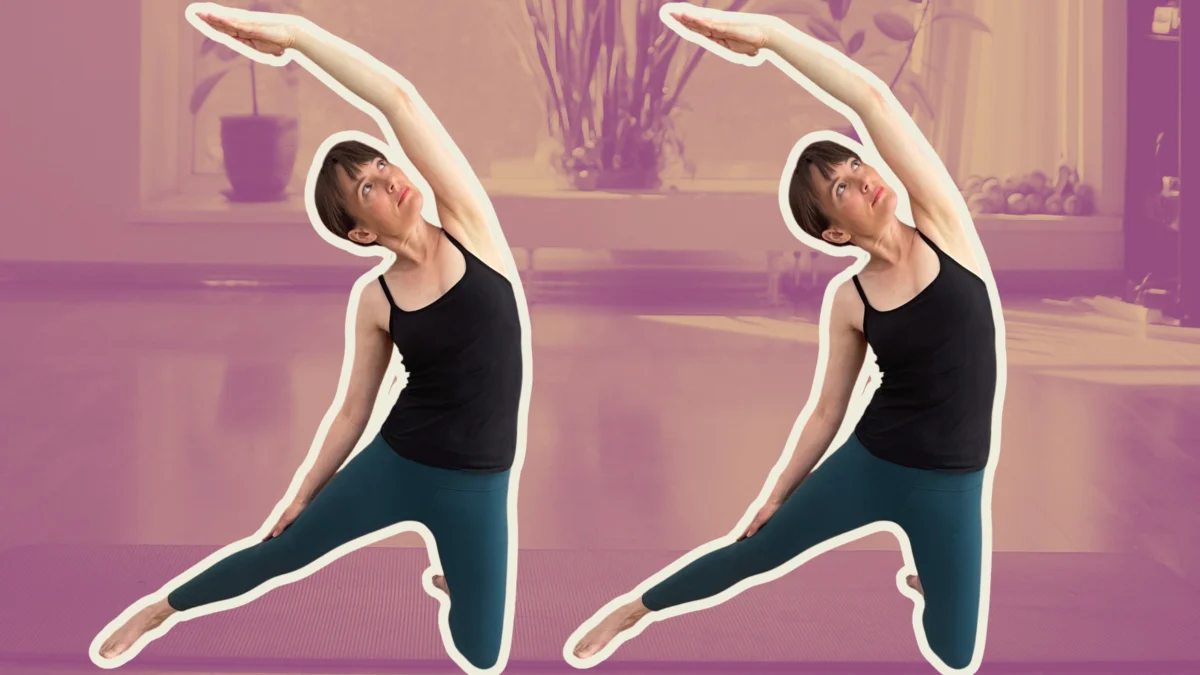
In the fast-paced landscape of modern fitness and wellness, we often fixate on the "front-facing" muscles: the abdominals, the quadriceps, and the chest. However, there is a neglected territory of the human anatomy that bears the brunt of our sedentary lifestyles: the side body. From the obliques to the intercostal muscles surrounding the rib cage, our lateral anatomy is frequently ignored until a sudden, sharp cramp—perhaps while reaching for a misplaced item in the backseat of a car or during a deep, restricted breath—reminds us of its existence.
As we navigate the mid-2020s, the importance of functional mobility has moved to the forefront of the wellness industry. Physical therapists and yoga practitioners alike are increasingly emphasizing that the "side body" is not merely aesthetic—it is the foundation of spinal health, respiratory efficiency, and fluid movement.
The Anatomy of Neglect: Why the Side Body Matters
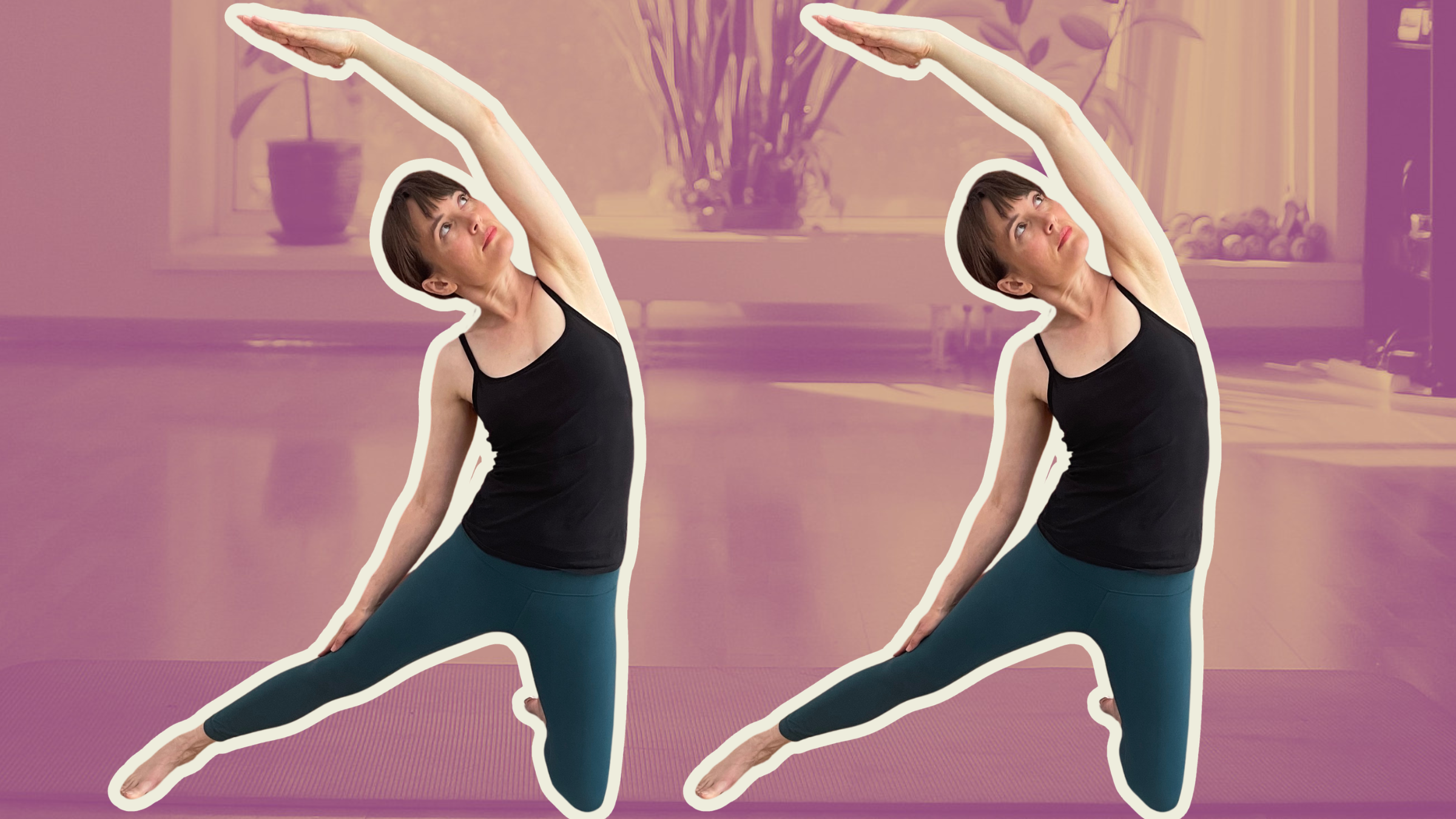
The side body consists of a complex network of muscles, including the obliques, the quadratus lumborum (QL), and the intercostals. In our daily lives, we move predominantly in the sagittal plane—forward and backward. Whether we are walking, typing, or driving, we rarely engage in the lateral movements required to keep these muscle groups supple.
According to leading orthopedic researchers, chronic tightness in the lateral torso is a leading contributor to lower back pain and restricted diaphragmatic movement. When the muscles between the ribs remain tight, the rib cage cannot expand fully, leading to shallow, ineffective breathing. This creates a physiological ripple effect: shallow breathing triggers the sympathetic nervous system, increasing stress levels and further tightening the very muscles that are already restricted.
A Chronology of Tension: How Daily Life Impacts Mobility
The stagnation of our lateral mobility is not an overnight occurrence. It is a slow, cumulative process that mirrors the trajectory of our daily routines:
- The Morning Commute: We sit for extended periods, causing the hip flexors and the obliques to shorten.
- The Mid-Day Slump: Prolonged desk work forces the shoulders to round, further compressing the intercostal spaces.
- The Evening Reach: We finally move, but in a jerky, uncoordinated fashion—like reaching for a bag in the back seat—triggering the "cramp-up" phenomenon.
- The Nightly Rest: We sleep in curled, fetal-like positions, reinforcing the inward contraction of the side body.
By the time we step onto the yoga mat, our bodies are often locked in a state of habitual compression. The practice of side-bending, therefore, is not just a physical exercise; it is a corrective intervention for the modern human condition.
The Science of Expansion: Supporting Data
Recent studies in fascial health suggest that the "side body" is essentially a continuous chain of connective tissue. When we perform a side stretch, we are not just stretching muscle; we are hydrating the fascia that wraps around the torso.
Data from the 2026 Wellness Mobility Index indicates that individuals who incorporate at least two lateral-focused movement sessions per week report a 30% increase in perceived respiratory ease and a 22% reduction in chronic thoracic tension. Furthermore, the psychological implications of "opening" the side body are significant. By creating more physical space within the rib cage, practitioners often report a feeling of "mental openness," suggesting a powerful connection between thoracic expansion and emotional regulation.
Official Perspectives: The Yoga Perspective
In an interview with veteran instructor Amber Burke, she notes that the mat serves as a mirror for our external lives. "Tending to neglected parts of your body on the mat might even remind you of what else you’ve pushed off to the ‘side’ in life," Burke explains. "When we consciously create space in the rib cage, we are practicing the art of expanding our own boundaries. It is a physical reminder that we have the capacity to take up more space in the world."
Structured Sequence: A Path to De-Stiffening
The following sequence is designed to move systematically through the lateral plane. Practitioners should aim to stay in each pose for approximately 60 seconds, or for a duration that allows for deep, rhythmic breathing.
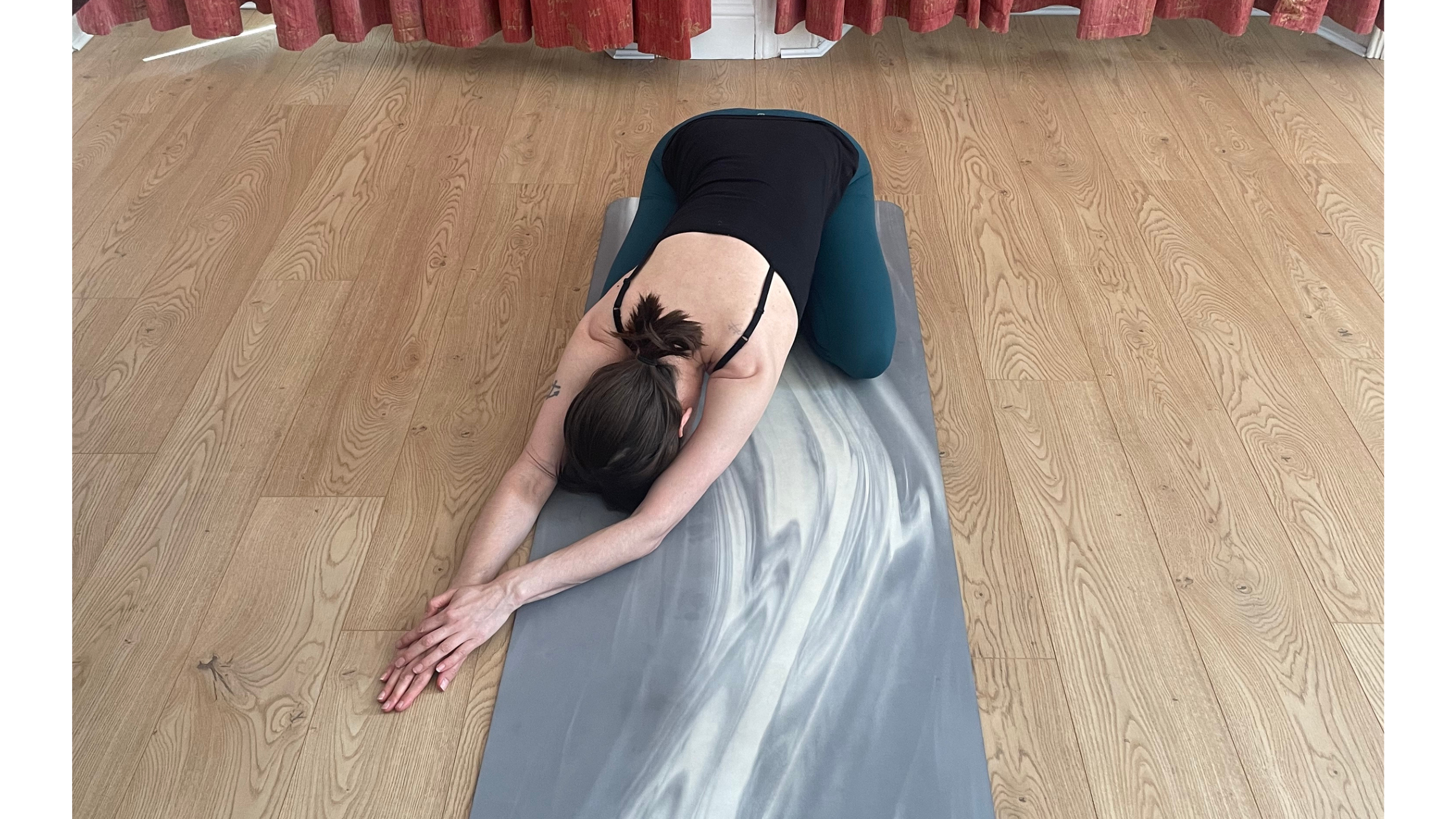
1. Child’s Pose with a Side Bend
Begin on your hands and knees, knees wider than hips, big toes touching. Sink your hips toward your heels. Extend your arms forward, then walk both hands to the left. For an added layer of intensity, place your right hand on top of your left. Focus your breath into the right side of the rib cage.
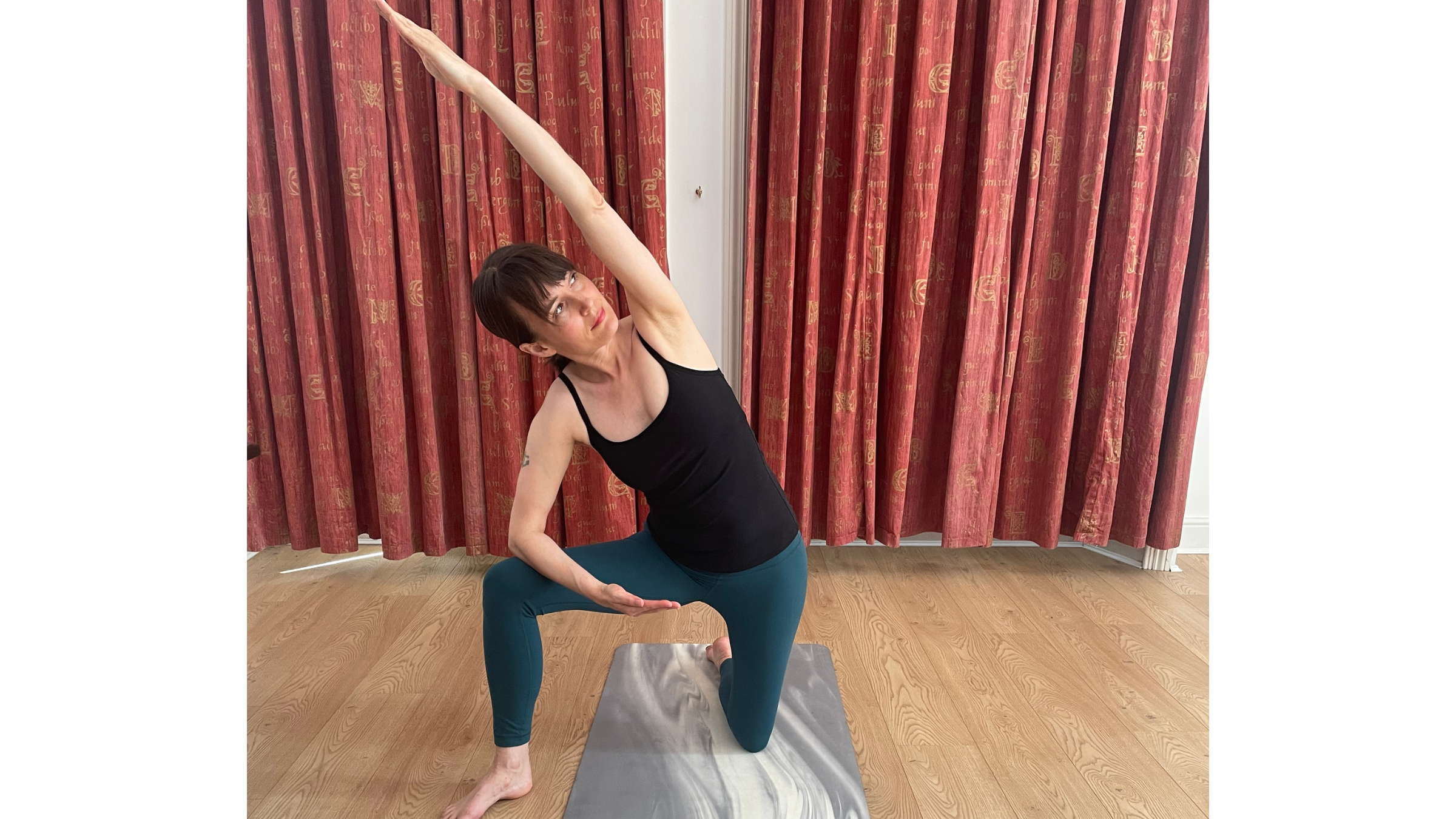
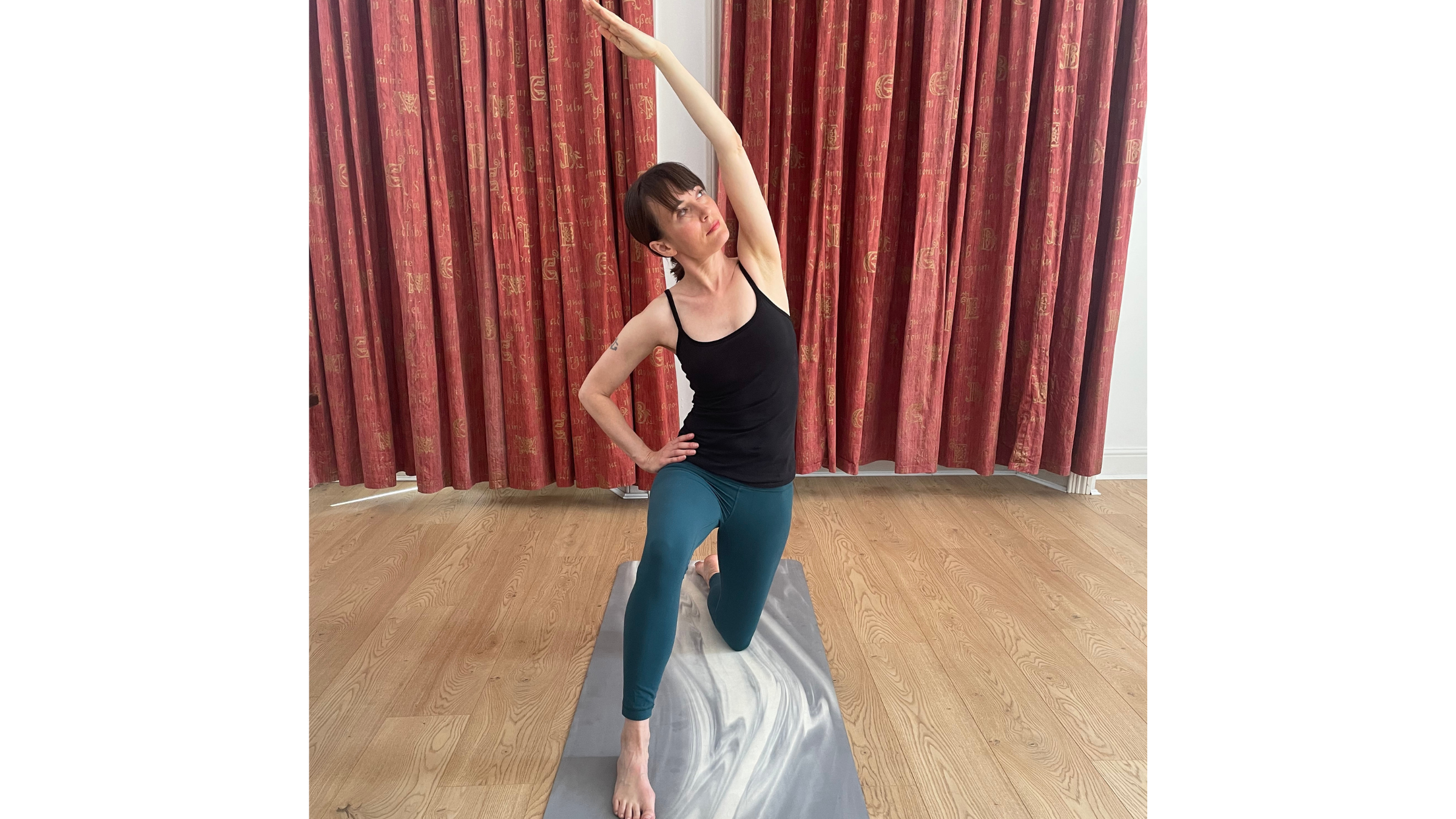
2. Low Lunge with a Lateral Reach
From a tabletop position, step the left foot forward. Lift the torso, place the left hand on the left hip, and reach the right arm overhead. Lean gently to the left. This pose targets the psoas and the obliques simultaneously.
3. Extended Side Angle Variation
Transition from your lunge by inching the left foot to the edge of the mat. Rest the left forearm on the thigh. Extend the right arm alongside the ear, creating a long, diagonal line from the right heel through the right fingertips.
4. The “Fallen” Extended Side Angle
From the previous variation, lower both hands to the floor. Walk them toward the right, away from the left leg. By tenting the left hand and pressing the left knee back, you create a deep, isolated stretch in the lateral intercostal muscles.
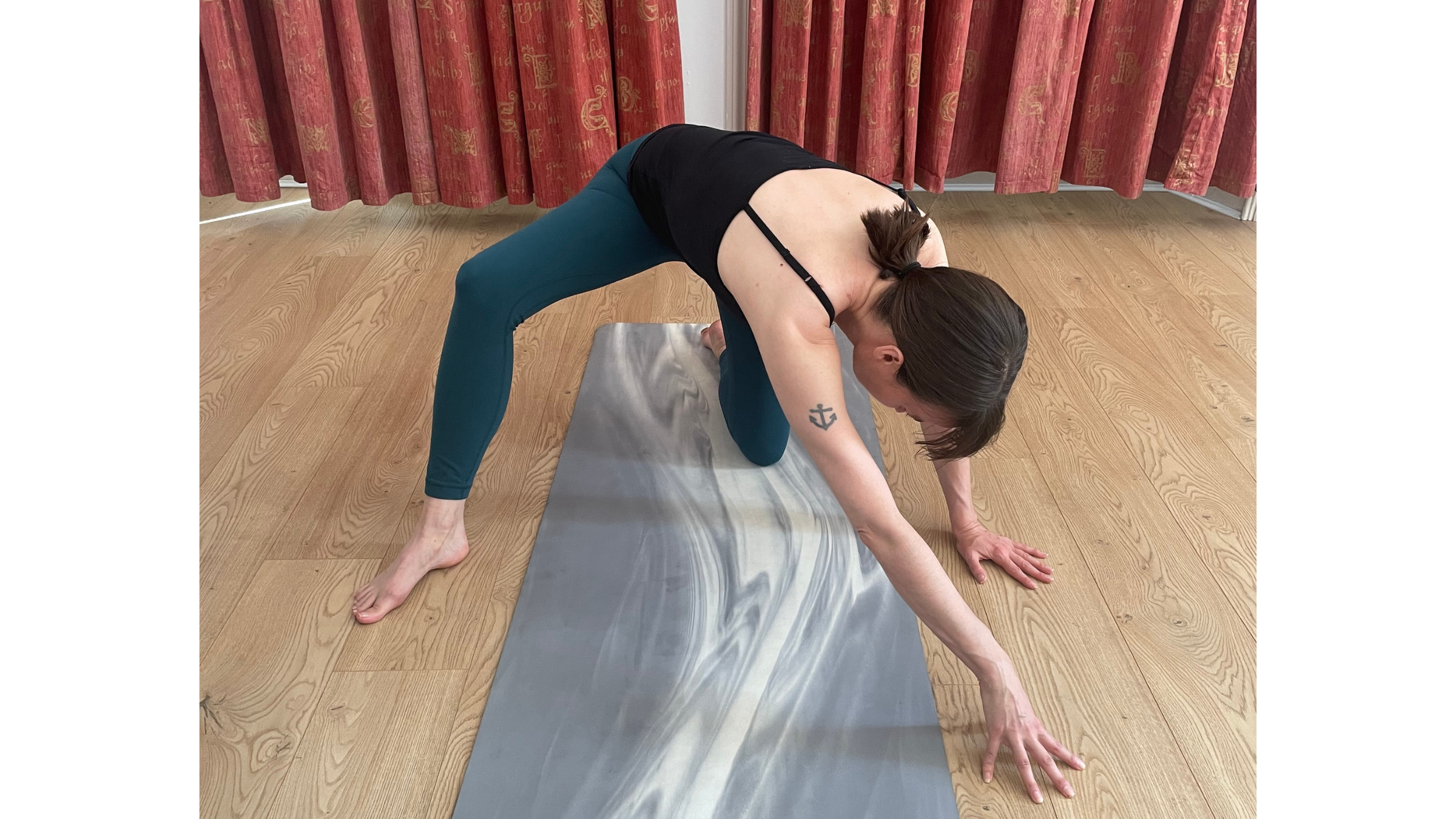
5. Gate Pose (Parighasana)
Kneeling on the right knee, extend the left leg straight to the side. With the right arm overhead, lean to the left, sliding the left hand down the left leg. This is the gold standard for lateral elongation.
6. “Fallen” Gate Pose
Lower your hands to the floor in front of you. Walk them toward the front-left corner of the mat. Tent the right fingertips to deepen the pull through the lats and the rib cage.
7. Side Plank Variation
Return to the Gate Pose setup, but plant the right hand on the floor or a yoga block. Reach the left arm overhead, focusing on lengthening the entire left side of the body. Repeat this entire sequence on the opposite side to ensure bilateral balance.
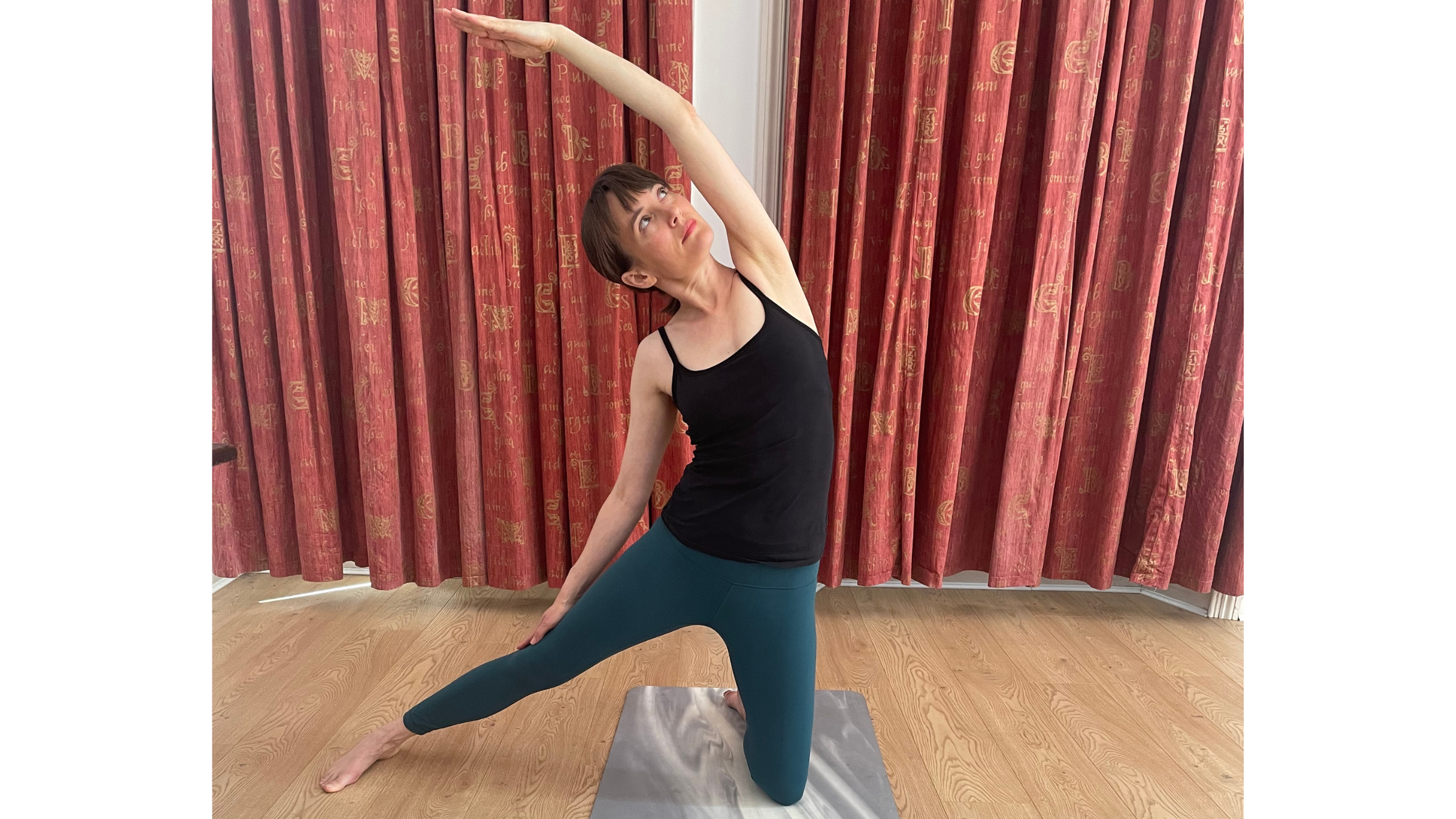
Implications for Longevity
The implications of adopting this routine go far beyond flexibility. In the long term, regular side-body work encourages:
- Improved Postural Alignment: By balancing the tension between the left and right sides of the torso, the spine naturally returns to a more neutral, supported position.
- Enhanced Athletic Performance: For runners and cyclists, a supple side body facilitates a more efficient, rhythmic gait.
- Emotional Resilience: As noted in the conclusion of the sequence, ending in Savasana with a focus on the "margins" of one’s thoughts teaches the practitioner to find stillness amidst chaos.
Conclusion: Expanding Your Horizons
We often live our lives in the "center," focused intently on the task immediately in front of us. However, true health—both physical and mental—often lies in our ability to embrace the periphery. By acknowledging the neglected sides of our bodies, we learn to breathe more deeply, move more freely, and inhabit our lives with a greater sense of space.
As you return to your day, carry that sense of expanded rib cage and open lungs with you. You might find that the "sides" of your life—the hobbies, the rest, and the quiet moments—are just as vital as the work that occupies the center.