Main Facts: The Urgent Challenge of Diffuse Large B-Cell Lymphoma
Diffuse Large B-Cell Lymphoma (DLBCL) stands as the most common subtype of non-Hodgkin lymphoma, characterized by its rapid growth and aggressive clinical behavior. While modern immunochemotherapy has revolutionized survival rates for many, a significant subset of patients continues to face a daunting reality: treatment resistance, relapse, and the devastating phenomenon of extra-nodal spread, particularly to the central nervous system.
At the forefront of the battle against these resistant phenotypes is Dr. Yulai Zhou, MD, PhD, a distinguished researcher currently based at Yale University. Dr. Zhou’s work represents a paradigm shift in oncology research, moving away from traditional "kill-all" chemotherapy models toward a more nuanced, biological approach. By investigating how malignant B cells "hijack" the body’s innate immune machinery, Dr. Zhou is identifying the specific molecular pathways that allow lymphoma cells to evade the immune system, survive chemotherapy, and colonize difficult-to-treat anatomical sanctuaries. His research is not merely observational; it is fundamentally translational, aiming to translate laboratory discoveries into precise, clinical interventions that can offer hope to patients for whom standard care has failed.
Chronology: From Academic Curiosity to Precision Oncology
The trajectory of Dr. Zhou’s career is a study in focused inquiry. His path into the complexities of hematologic malignancies began during his formative years as a visiting student at the University of Texas Health San Antonio. It was here that he first encountered the intricate dance of B-cell development.
The Foundational Years
In the laboratory setting, Dr. Zhou became mesmerized by the "competitive selection" process—a tightly regulated biological mechanism where B cells must prove their utility in generating effective antibodies. This process, essential for human health, is a high-stakes environment where only the most functional cells survive. It was during these studies that Dr. Zhou identified the inherent vulnerability of the system: the very checkpoints designed to protect the body are the same ones that, when mutated or deregulated, provide the fuel for DLBCL.
Transition to Yale
Following his doctoral and medical training, Dr. Zhou transitioned his focus to the molecular mechanisms of escape. Recognizing that malignant cells are masters of disguise, he began to map the specific "signals" that allow DLBCL cells to bypass cellular suicide protocols (apoptosis). His move to Yale University provided the robust infrastructure necessary to conduct high-resolution, single-cell analyses of lymphoma cell behavior, allowing him to track how these cells migrate to protected sites like the brain—a complication that often signals a poor prognosis in DLBCL patients.
Supporting Data: Why Current Models Fall Short
To understand the gravity of Dr. Zhou’s research, one must examine the limitations of current DLBCL treatment protocols. Statistics from the American Cancer Society and global oncological registries indicate that while approximately 60% to 70% of DLBCL patients are cured with initial R-CHOP therapy, the remainder face significant challenges.
The Problem of "Sanctuary Sites"
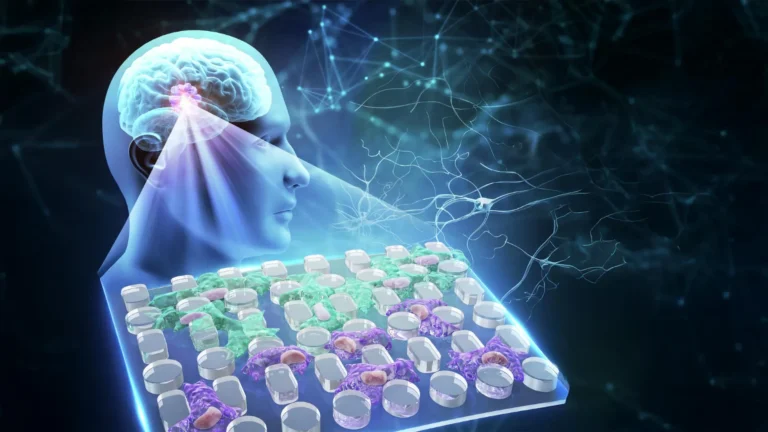
One of the most persistent hurdles in oncology is the blood-brain barrier. Many chemotherapy drugs struggle to reach therapeutic concentrations within the central nervous system (CNS). Dr. Zhou’s preliminary research focuses on the molecular "homing signals" that lymphoma cells utilize to cross this barrier. By identifying the specific proteins on the surface of these malignant cells—essentially their "GPS coordinates"—Dr. Zhou is building a case for targeted therapies that could either block these signals or sensitize these cells to existing treatments.
Immune Evasion Mechanisms
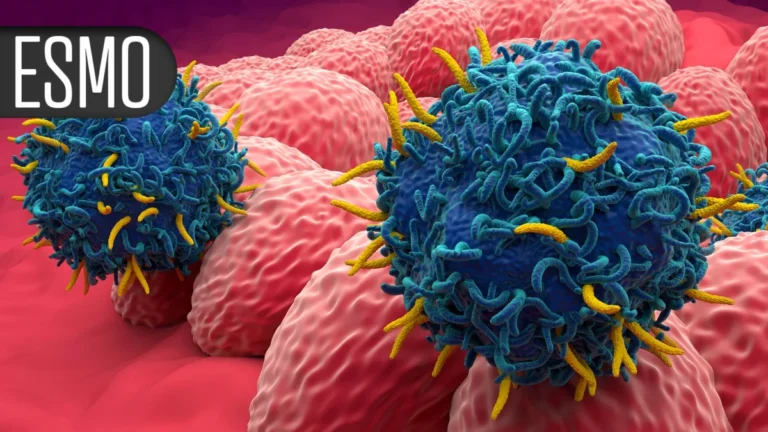
Data from Dr. Zhou’s lab suggests that DLBCL cells do not exist in a vacuum. They actively remodel their microenvironment, creating a "protective cocoon" that suppresses the activity of surrounding T cells and natural killer (NK) cells. Through genetic sequencing and protein interaction mapping, the research team is identifying the "checkpoints" that these cells exploit to remain invisible to the immune system. This data is critical, as it supports the development of next-generation immunotherapy, such as CAR-T cell therapies that are better equipped to penetrate the tumor microenvironment.
Official Responses and Researcher Perspectives
In a recent dialogue regarding his ongoing projects, Dr. Zhou emphasized that his work is driven by the "complexity and elegance" of the immune system. When asked about the challenges of his research, he noted:
"The irony of my work is that the immune system is perfectly designed. It is a masterpiece of evolution. My job is to find the exact moment that evolution goes wrong—where a cell stops protecting the body and starts protecting itself at the host’s expense. When we see a patient with aggressive, refractory DLBCL, we aren’t just looking at a cancer; we are looking at a cell that has successfully ‘hacked’ its own developmental pathway. Our research aims to reverse that hack."
Colleagues at Yale have lauded Dr. Zhou for his multidisciplinary approach, noting that his dual background in clinical medicine (MD) and basic science (PhD) allows him to bridge the "bench-to-bedside" gap. "Dr. Zhou is asking the questions that clinicians are afraid to ask," says one senior colleague. "He isn’t satisfied with simply observing that a drug doesn’t work; he wants to know the precise molecular reason why it doesn’t work, and how we can change that."
Implications: The Future of DLBCL Therapy
The potential implications of Dr. Yulai Zhou’s research are profound. If his team successfully identifies the signaling pathways that allow lymphoma to persist, it could lead to the development of "sensitizing agents." These are not replacements for chemotherapy, but rather companion therapies that would be administered alongside standard care to strip the lymphoma cells of their defensive capabilities.
Beyond Standard Chemotherapy
The ultimate goal is to move toward a model of "Precision Lymphoma Care." Instead of a one-size-fits-all approach, a patient’s biopsy could be screened for the specific survival signals identified by Dr. Zhou’s research. If a patient’s tumor shows a high dependence on a particular survival pathway, they could be prescribed a targeted inhibitor to neutralize that pathway, making their tumor significantly more susceptible to standard immunotherapy.
Long-term Impact on Patient Quality of Life
For patients, the implications are even more personal. The current standard of care is notoriously toxic, with long-term side effects impacting heart health, nerve function, and immune stability. By enabling more effective, targeted treatments, Dr. Zhou’s research offers the potential for reduced dosages of harsh chemotherapeutic agents, thereby improving the long-term quality of life for survivors.
Conclusion
As Dr. Zhou continues his tenure at Yale, the medical community remains watchful. His work serves as a reminder that cancer research is a slow, methodical process of deconstructing a formidable opponent. By focusing on the "signals" that drive the survival of aggressive lymphoma, Dr. Zhou is not just studying the disease—he is dismantling it from the inside out. As he continues to peel back the layers of how malignant cells exploit human biology, the hope remains that his findings will transform DLBCL from an aggressive, life-threatening diagnosis into a manageable, and ultimately, curable condition.
The battle against DLBCL is far from over, but through the rigorous, data-driven inquiries of researchers like Dr. Yulai Zhou, we are closer than ever to turning the tide against one of oncology’s most persistent adversaries.