"I have a crick in my neck." It is a phrase echoed in bedrooms and offices globally, a common lament that signals the start of a difficult day. Whether it is the result of an awkward sleeping position, an unsupportive pillow, or the cumulative effects of "tech neck"—the postural strain caused by hours spent hunched over smartphones and laptops—the physical manifestation is the same: a sharp, restrictive, and often persistent ache that colors every head movement.
When faced with this discomfort, the instinct is often to stretch aggressively or massage the area into submission. However, movement experts and yoga practitioners argue that the key to relief is not force, but rather gentle, intentional release. By utilizing specific yoga sequences designed to mobilize the cervical spine and relax the surrounding musculature, individuals can address stiffness before it settles into a chronic issue.
The Anatomy of the Crick: Why We Get Stiff
The neck is a marvel of mobility, supporting the weight of the human head—roughly 10 to 12 pounds—throughout the day. When we sleep in an awkward position, the muscles on one side of the neck may remain in a shortened, contracted state for hours. Upon waking, these muscles are fatigued and prone to spasms, leading to that telltale "stiff neck" sensation.
Modern lifestyle factors have exacerbated this issue. "Tech neck," a term coined to describe the forward-head posture adopted while looking down at devices, places significant stress on the cervical vertebrae. This constant forward flexion keeps the posterior neck muscles in a state of chronic tension. Over time, this leads to a reduction in range of motion and an increased susceptibility to sudden, sharp bouts of pain.
A 5-Minute Strategic Intervention
The following yoga-based protocol is designed as a restorative, low-impact intervention. It is intended to be performed slowly and mindfully, ideally before even exiting the bed, to prime the body for the day ahead.
1. Controlled Neck Stretches
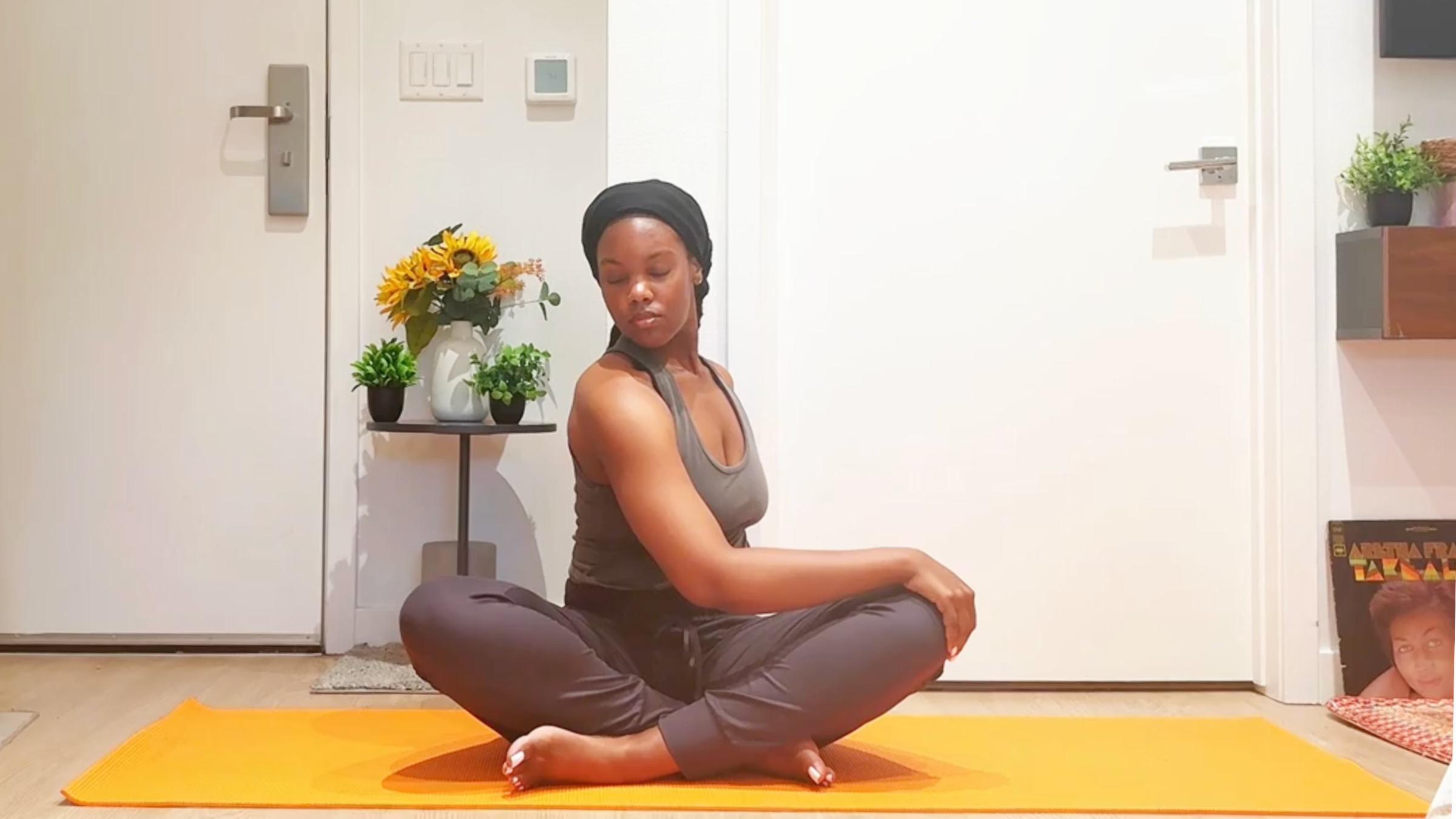
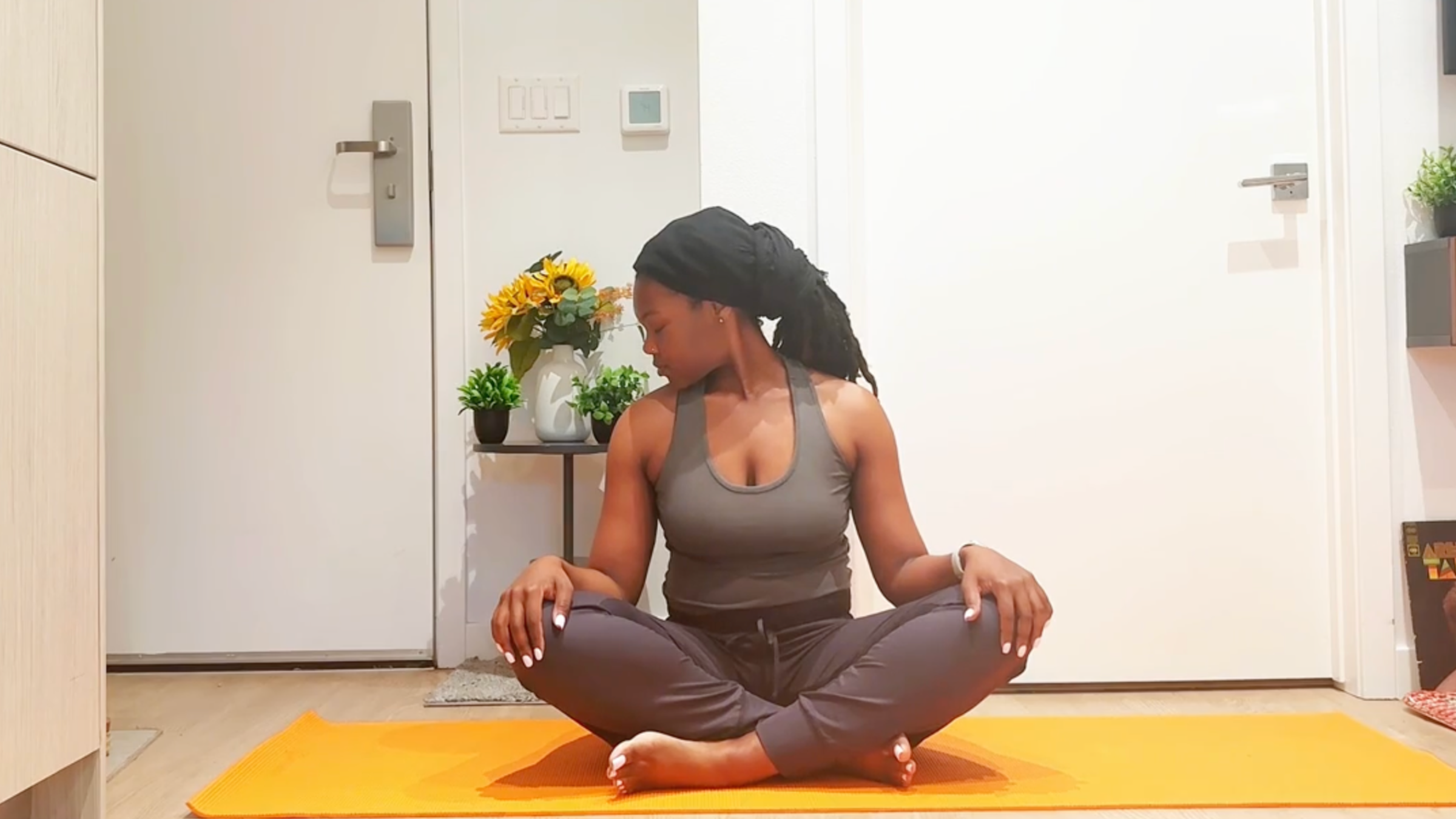
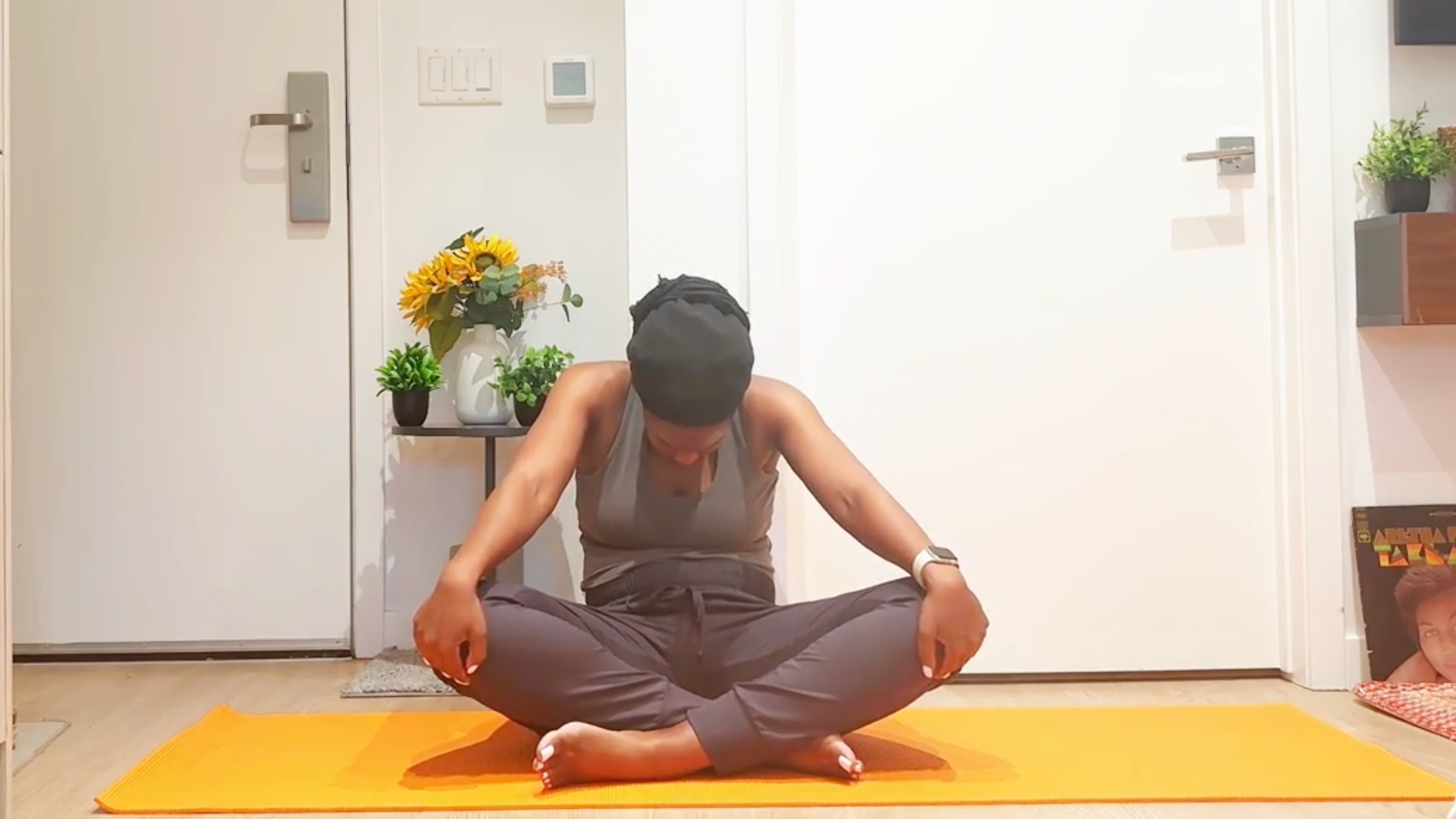
Begin in a comfortable, upright seated position. The goal here is not to push into the pain, but to explore the current range of motion. Slowly turn the head toward the right and pause, breathing into the sensation. Gently lower the chin toward the chest, creating a lengthening sensation in the back of the neck. Repeat this transition to the left. Finally, return to center and gently tilt the head, bringing the right ear toward the right shoulder. Hold for several deep, diaphragmatic breaths before switching to the left side.
2. Mindful Head Circles
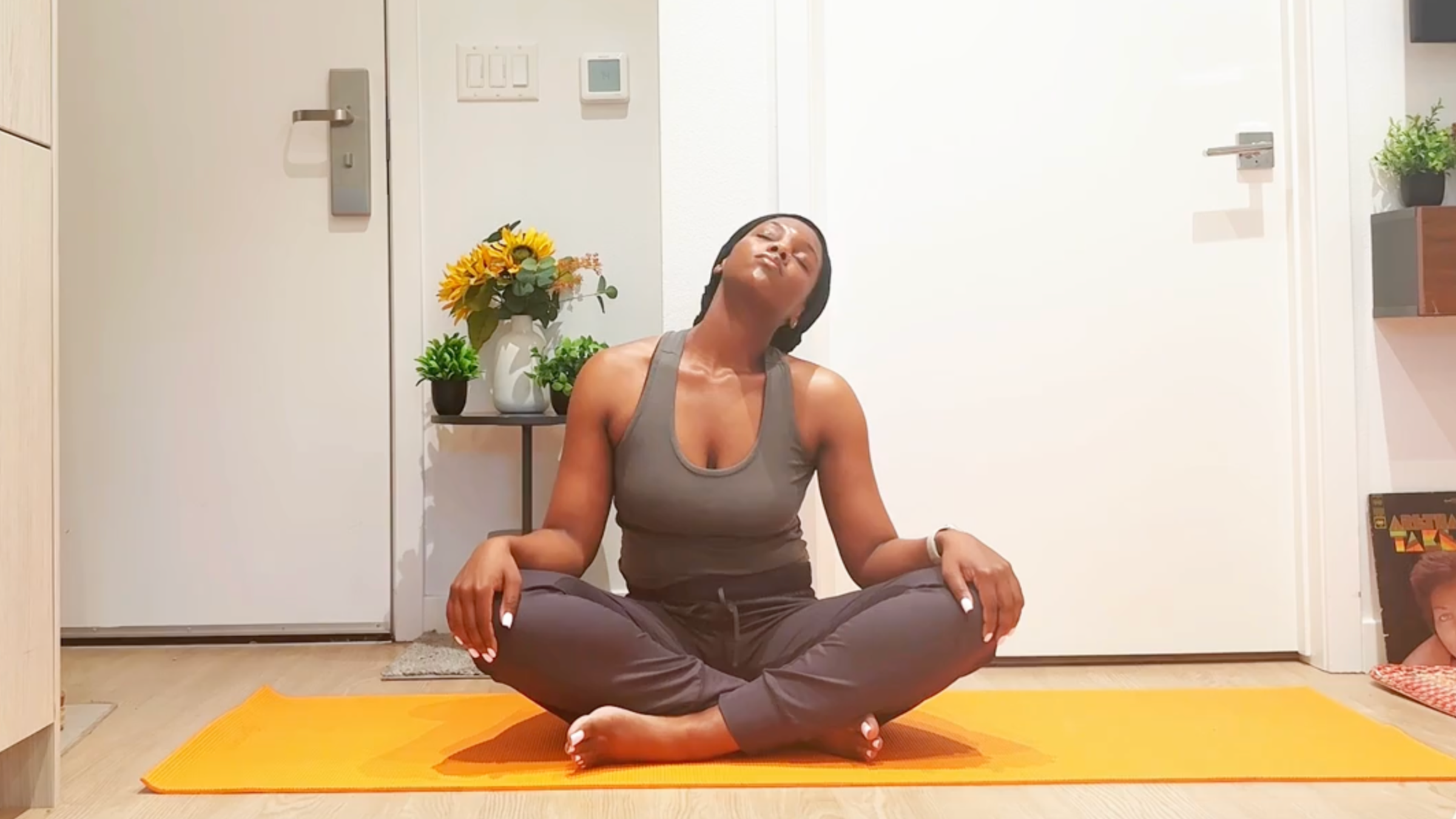
Head circles should be performed with extreme caution. By lowering the right ear toward the right shoulder, leaning the head back, and continuing the rotation to the left side and down toward the chest, you encourage mobility in the facet joints. It is critical to avoid "dumping" the head backward; instead, think of lengthening the spine throughout the entire rotation. Switch directions after a few rotations to ensure balanced release.
3. Seated Cat-Cow
While often associated with being on all fours, Cat-Cow can be highly effective when seated. By placing your hands on your thighs, you can use them as leverage. Inhale to arch your back and lift your chin (Cow), then exhale to round the spine and draw the chin toward the chest (Cat). This movement syncs the movement of the cervical spine with the thoracic spine, promoting blood flow to the entire posterior chain.
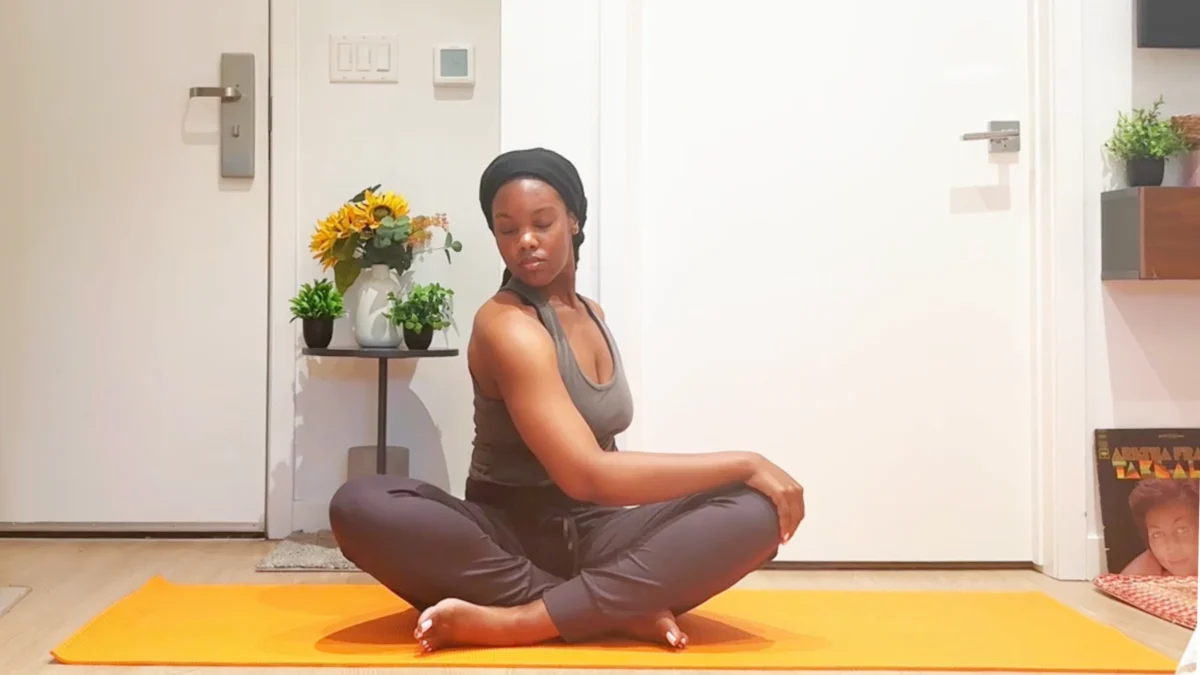
4. The Seated Twist
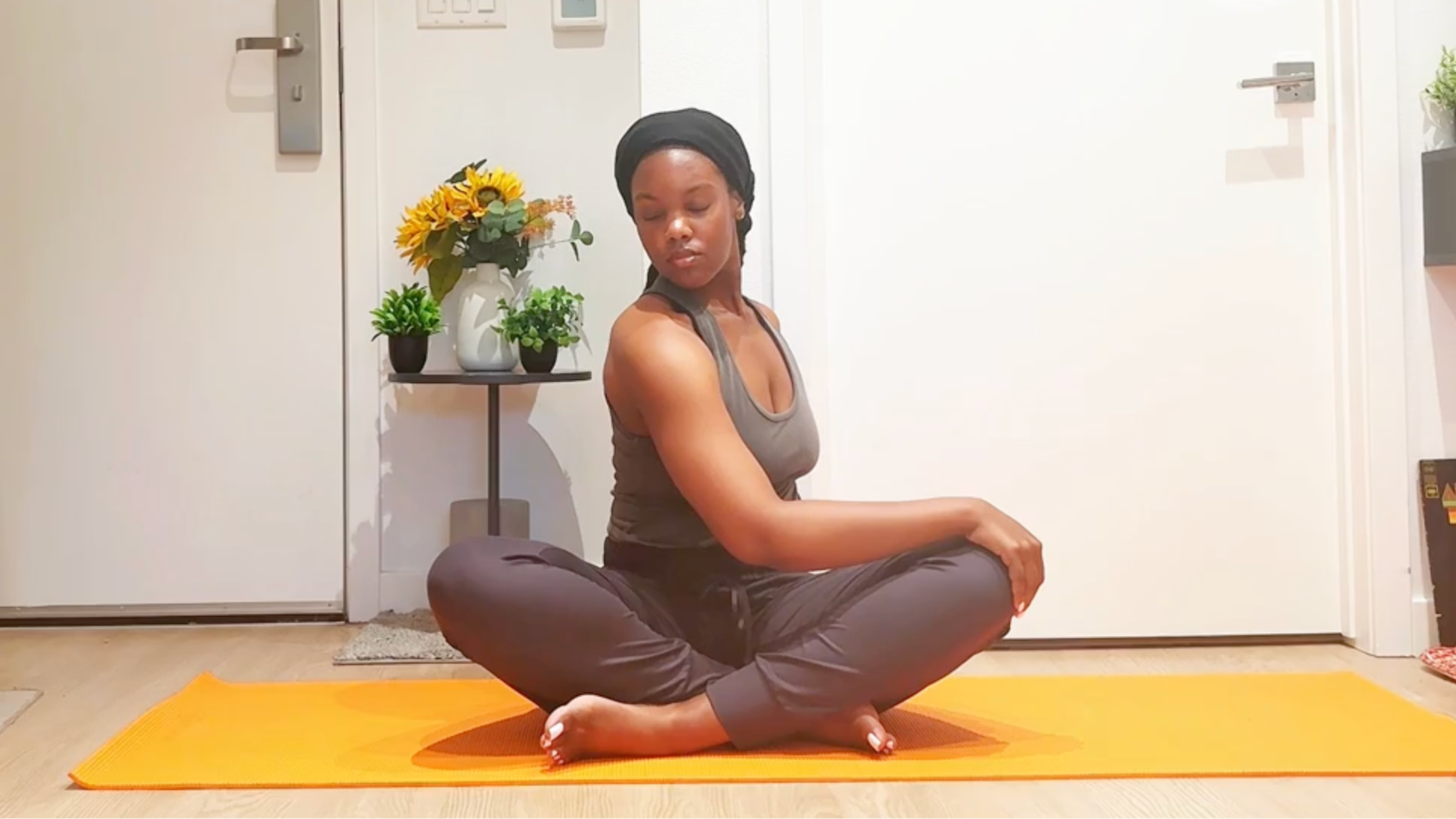
Twists are essential for decompressing the spine. Reach your hands toward the ceiling to find length, then exhale to twist toward the right. Lower your left hand to your right knee and your right fingertips to the mat. The key here is the transition of your gaze: look over your left shoulder, then slowly rotate your head to look over your right shoulder. This lateral movement helps release the trapezius and levator scapulae muscles, which are often the primary culprits in neck pain.
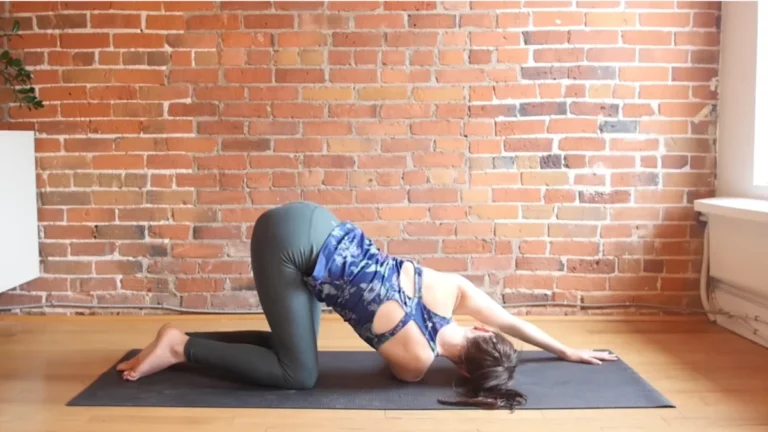
5. Transition to Hands and Knees Cat-Cow
Moving from a seated position to all fours allows for a more pronounced spinal flexion and extension. By pressing firmly into the mat, you engage the serratus anterior and rhomboids, which support the neck. Repeating the Cat-Cow sequence here provides a deeper release for the upper back, which often compensates for neck stiffness.
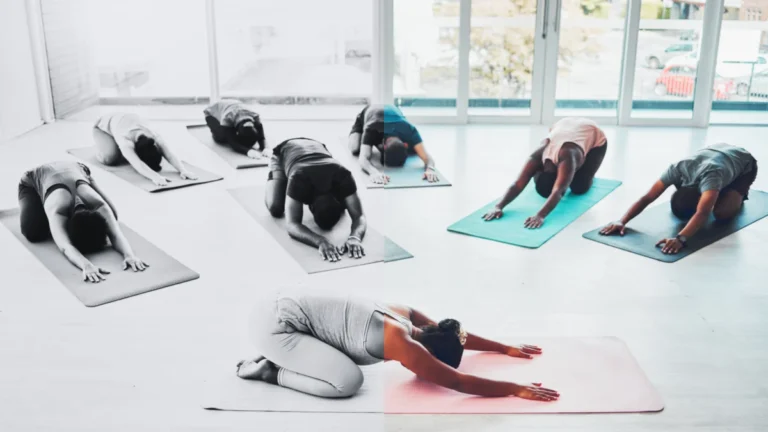
6. Child’s Pose: The Final Release
Finally, sink your hips toward your heels and rest your forehead on the mat or a block. In Child’s Pose, the weight of the head is fully supported, allowing the muscles of the neck and upper back to completely disengage. This final posture serves as a reset for the nervous system, helping to calm the pain-stress cycle.
Implications for Long-Term Spinal Health
Integrating these five minutes of movement into a morning routine has implications that go beyond immediate pain relief. Consistent practice helps "grease the gears" of the cervical spine, preventing the accumulation of tension that leads to headaches and radiating pain.
However, users must exercise caution. If neck pain is accompanied by numbness, tingling in the arms, or is the result of an acute injury (such as a fall or impact), this routine is not a substitute for professional medical care. "Forcing" a stretch in an injured area can exacerbate inflammation and lead to further muscle guarding.
Expert Guidance and Safety
Physiotherapists and orthopedic specialists emphasize that while yoga is a powerful tool for maintenance, it is not a cure-all. Consistent neck pain—defined as discomfort that lasts longer than two weeks or prevents you from performing daily activities—warrants a consultation with a physician.
Furthermore, the "tech neck" phenomenon requires behavioral changes. Adjusting the height of your computer monitor so that it sits at eye level, taking frequent "movement breaks" during the workday, and ensuring your pillow provides adequate support for your specific sleeping style are all essential components of a holistic approach to neck health.
The Mental-Physical Connection
It is also worth noting the psychological component of neck pain. The trapezius muscles are notorious for "holding" stress. When we are anxious or overwhelmed, we subconsciously elevate our shoulders toward our ears, creating a cycle of tension. The deep, diaphragmatic breathing practiced during these yoga poses acts as a signal to the parasympathetic nervous system to "downshift." By pairing movement with breath, you are not just stretching muscle fibers; you are consciously telling your body that it is safe to relax.
Summary of Practice
- Duration: 5 minutes.
- Frequency: Daily, or as needed upon waking.
- Caution: Avoid any movement that triggers sharp, stabbing, or radiating pain.
- Goal: Gentle mobilization, not deep tissue aggression.
As you conclude the sequence with a final deep breath, perform a quick self-assessment. Does the neck feel slightly more fluid? Is the range of motion in your lateral turns improved? While one session may not eliminate years of postural habits, the cumulative effect of these simple, controlled movements is the foundation of a pain-free, mobile neck. By prioritizing these moments of stillness and movement, you reclaim control over your body, transforming a source of frustration into a manageable aspect of daily health.