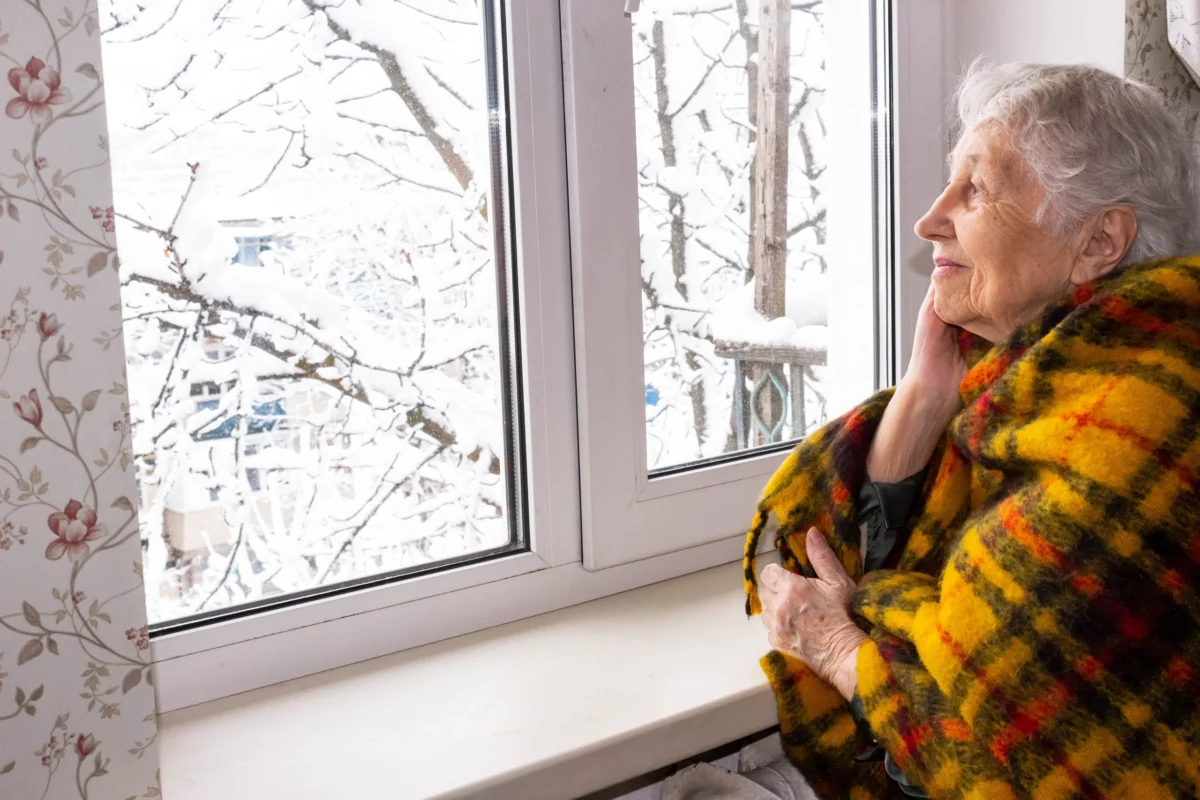
As a massive winter weather system sweeps across the United States, an estimated 200 million people across 35 states are preparing for plummeting temperatures, heavy snowfall, and treacherous ice. For many, the arrival of winter once evoked memories of sledding hills and neighborhood snowball fights. However, as we age, the approach of a severe winter storm requires a more calculated, practical, and safety-oriented mindset.
The risks associated with extreme cold are disproportionately higher for older adults, whose physiological ability to regulate body temperature—a process known as thermoregulation—often diminishes over time. To ensure that the season remains a time of comfort rather than crisis, it is essential to adjust daily routines and prioritize health over the impulse to clear the driveway or run errands during hazardous conditions.
The Meteorological Threat: A Chronology of the Approaching Storm
The current weather event is expected to impact a significant portion of the country throughout the weekend, with meteorologists predicting a "multi-hazard" scenario.
- Phase One (Pre-Arrival): The initial stage involves the rapid drop in barometric pressure and the arrival of an arctic air mass. During this period, residents are advised to secure outdoor items and finalize their home inventory.
- Phase Two (The Event): As the snow and ice arrive, travel conditions are expected to deteriorate rapidly. This is the window where the risk of falls—the leading cause of injury among seniors—increases exponentially.
- Phase Three (The Aftermath): Once the storm subsides, the "thaw-freeze" cycle often creates black ice. For older adults, this period is often the most dangerous, as sidewalks may appear clear but remain slick.
Supporting Data: Why Aging Changes Our Winter Response
According to the Alliance for Aging Research, the biological impact of winter on the elderly is twofold: environmental and physiological. As we age, the layer of fat beneath our skin thins, and our metabolism slows, making it significantly harder to generate and retain body heat.
Furthermore, many older adults are on medications—such as those for blood pressure or thyroid conditions—that can inadvertently interfere with the body’s natural response to cold. When temperatures drop, the body instinctively constricts blood vessels to protect vital organs; this process, while necessary, increases blood pressure and places additional strain on the heart. Consequently, the combination of extreme cold and physical exertion is a well-documented trigger for cardiac events.
Expert Guidance: Five Pillars of Winter Safety
To navigate the coming weekend safely, experts recommend adhering to these five evidence-based strategies.
1. Plan Ahead to Avoid Unnecessary Travel
The most effective way to prevent a winter-related accident is to avoid the hazard entirely. Before the storm hits, take a comprehensive inventory of your home. Ensure you have at least a three-day supply of essential medications, non-perishable food, and water. If you require medical treatments or home care services, contact your providers now to discuss contingency plans for the weekend. By staying indoors, you remove the primary risk factor: navigating icy surfaces.
2. Dress for Warmth and Safety
If you must venture outside, your choice of attire is your first line of defense. The "layering" principle remains the gold standard for cold-weather safety.
- Base Layer: Moisture-wicking fabrics that keep perspiration away from the skin.
- Insulating Layer: Wool or fleece, which traps body heat.
- Outer Layer: Windproof and waterproof material to protect against the elements.
- Extremities: Always cover your head and neck, as significant body heat is lost through these areas. Sturdy, slip-resistant footwear is non-negotiable; even a short trip to the mailbox can result in a life-altering fall if your shoes lack proper traction.
3. Assess Your Health Before Shoveling
Snow shoveling is deceptively strenuous. It requires a combination of lifting, pushing, and twisting that can quickly elevate heart rates to dangerous levels. Before you even touch a shovel, consider your physical status. If you have a history of heart disease, respiratory issues, or chronic back pain, it is strongly advised that you hire a professional service or reach out to neighbors to assist you. Protecting your long-term health is far more valuable than a perfectly cleared walkway.
4. Master Smart Shoveling Techniques
If you are physically capable and choose to clear your own snow, technique is everything.
- Warm-up: Just as an athlete would, perform light, dynamic stretches before heading out to prepare your muscles.
- Push, Don’t Lift: Whenever possible, push the snow to the side rather than lifting it.
- Ergonomics: If you must lift, keep your feet shoulder-width apart, bend at the knees—not the waist—and keep the shovel close to your body to reduce the leverage strain on your lower back.
- Hydrate: It is easy to forget to drink water in the cold, but hydration is essential for muscle function and circulation.
- Pace Yourself: Take frequent breaks. If you feel any shortness of breath, tightness in the chest, or dizziness, stop immediately and return to a warm environment.
5. Limit Exposure to Extreme Cold
Even if the temperature feels manageable, prolonged exposure to the cold can lead to hypothermia. This occurs when the body loses heat faster than it can produce it. Be vigilant for the warning signs: confusion, shivering, slurred speech, and drowsiness. If you find yourself in the cold, limit your time to 15-minute intervals, and always let a family member or friend know you are heading outside.
Implications for the Community
The implications of these winter safety protocols extend beyond the individual. As communities across the 35 affected states brace for the storm, local officials and health organizations are urging a "neighbor-check" initiative.
"The most vulnerable individuals are often those living alone," notes Katie Riley, Vice President of Communications at the Alliance for Aging Research. "A simple phone call or a knock on the door to check on an older neighbor can be the difference between a minor inconvenience and a medical emergency."
Conclusion: Prioritizing Wellness Over Tradition
Winter weather doesn’t have to mean winter injuries. While the urge to maintain independence and continue with daily chores is strong, it is important to recognize when to lean on others and when to prioritize safety.
By taking these proactive steps—preparing your supplies, dressing strategically, and respecting your physical limits—you can ensure that the coming storm remains a backdrop to a safe and cozy weekend. When in doubt, always choose the safer option. Your health is the most important asset you have, and in the face of an arctic blast, patience and preparation are your best tools. Stay warm, stay informed, and stay safe.