




In an era where the mental health of adolescents has become a cornerstone of educational discourse, one Southern California institution is proving that student-led initiatives are not merely supplementary to a school’s mission—they are essential to it. Louisville High School, a private, all-girls Catholic college preparatory school, has seen a transformative shift in its campus culture since the 2023 launch of its Active Minds chapter. Recently recognized as the "Chapter of the Month," this 80-plus member organization has moved beyond simple awareness, creating a sophisticated ecosystem of peer support, stigma reduction, and practical stress management.
Main Facts: A Rapid Rise in Advocacy
The Louisville High School chapter of Active Minds represents a burgeoning movement within secondary education: the professionalization of student-led mental health advocacy. Since its inception in 2023, the group has grown with remarkable speed, now boasting nearly 100 active participants. This represents a significant percentage of the student body, signaling a high demand for spaces where mental health is treated with the same rigor and openness as academic or athletic pursuits.
The chapter’s success is rooted in its alignment with Louisville High School’s broader mission. Founded in 1960, the school has long focused on empowering young women to become catalysts for change in their communities. By integrating the Active Minds framework into this tradition, the school has provided a platform for students to address the specific pressures of the 21st-century "college prep" environment—pressures that often include high-stakes testing, social media influence, and the complexities of navigating adolescent identity.
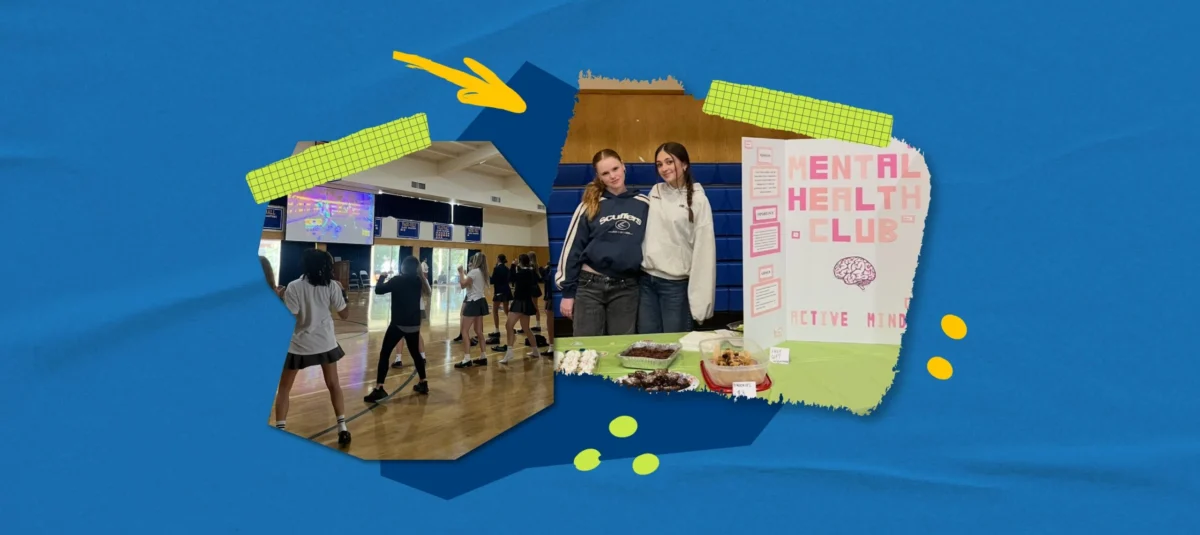
Key to the chapter’s effectiveness is its multi-tiered approach. It does not rely solely on clinical discussions; instead, it utilizes a blend of "high-energy stress relievers" and "meaningful moments of reflection." This strategy ensures that mental health support is accessible to all students, regardless of where they fall on the wellness spectrum.
Chronology: From Foundation to "Chapter of the Month"
The trajectory of the Louisville Active Minds chapter is a testament to the power of student initiative when met with institutional support.
2023: The Catalyst for Change
The chapter was established in 2023 during a period of nationwide reflection on the "youth mental health crisis." Recognizing that the high-pressure environment of a college preparatory school could exacerbate stress, a group of dedicated students sought to create a formal structure for advocacy. The goal was clear: to advocate for the betterment of student mental health and to ensure that the Louisville community remained a place of compassion rather than just competition.
Early 2024: Establishing "Wellness Wednesdays"
Shortly after its founding, the chapter moved from theory to practice by partnering with the school’s Counseling Department. This collaboration led to the birth of "Wellness Wednesdays," a weekly initiative designed to break the monotony of the academic cycle. These events were strategically placed in the middle of the week to act as a "mood boost," providing students with immediate, actionable tools to manage their stress levels.
Spring 2024: The "I Wish" Campaign and "Louchella"
As the chapter matured, its programming became more creative and emotionally resonant. The "I Wish Campaign" was launched to provide an anonymous yet public outlet for student voices. This was followed by a significant presence at "Louchella," a major school event where the chapter transitioned into fundraising and tangible support. By selling fidget coil rings and calming strips, the chapter not only raised funds for the national Active Minds organization but also distributed physical tools that students could use to self-regulate in the classroom.
Late 2024: National Recognition
By the end of its first full year, the chapter’s impact was undeniable. Membership had swelled to nearly 100 students, and the "stigma-free" environment they envisioned had begun to take root. This culminated in their selection as the Active Minds Chapter of the Month, a distinction that highlights their role as a model for other high schools across the country.
Supporting Data: The Context of the Mental Health Crisis
To understand why the Louisville chapter’s work is so vital, one must look at the broader statistical landscape of adolescent mental health in the United States.
According to data from the Centers for Disease Control and Prevention (CDC), nearly 60% of teen girls reported feeling "persistently sad or hopeless" in recent years—a rate nearly double that of their male counterparts. Furthermore, the pressure of "college prep" environments can often lead to higher rates of anxiety and perfectionism.
The Louisville chapter’s focus on "shaking off stress" through movement and peer connection is backed by psychological research. Studies have shown that:
- Physical Activity and Mood: Engaging in activities like "Just Dance" triggers the release of endorphins and reduces levels of the body’s stress hormones, such as adrenaline and cortisol.
- Peer-to-Peer Support: Research indicates that adolescents are more likely to seek help and share feelings with peers than with adults initially. A robust student-led chapter bridges the gap between the student body and professional counseling services.
- Anonymity and Expression: The "I Wish" campaign utilizes the "catharsis effect." Writing down feelings and knowing they are heard by a community helps in emotional processing and reduces the feeling of isolation.
By providing these outlets, the Louisville chapter is directly addressing the data-driven needs of their demographic, transforming a potential crisis into an opportunity for community building.
Official Responses: Insights from Chapter Leadership
In a series of Q&A sessions and reflections, the leaders of the Louisville chapter have provided a blueprint for how they view their mission and the advice they have for others.
On the Chapter’s Philosophy:
Leadership emphasizes that the club is more than just a meeting place; it is a cultural shift. "Mental health is important at our school, as stress can affect students differently," a chapter representative noted. "We want to help students process their feelings in a healthy way… to create a sensitive and open environment for students to share their feelings without fear of judgment."
On the Power of Collaboration:
The chapter attributes much of its success to its relationship with the school’s administration. By working alongside the Counseling Department, they ensure that their "fun" activities—like the "Just Dance" sessions—are grounded in professional support. This partnership validates the students’ efforts and provides a safety net for those who may need more intensive help.
On the "Grace" Mantra:
The chapter lives by a specific mantra: Lead with grace. Leadership explains, "Aside from schoolwork and extracurriculars, students have other components of their lives that may be impacting their mental health… Acknowledging that mental health is important and how even though some mental illnesses are not seen, they matter just as much!"
Advice for Emerging Chapters:
When asked what they would say to students looking to start their own chapter, the message was one of balance: "Do it! Get involved and try to be routine in going to Chapter meetings. But don’t overwork yourself; your mental health matters just as much!" This focus on "advocate self-care" is a sophisticated take on leadership that prevents burnout among student activists.
Implications: A New Standard for Campus Culture
The success of the Active Minds chapter at Louisville High School has profound implications for the future of secondary education and student well-being.
1. The Normalization of Mental Health Discourse
By making mental health "visible" through fidget rings, "I Wish" posters, and dance sessions, the chapter has successfully moved the topic out of the shadows. When 100 students—nearly a quarter of the school—are active members of a mental health club, the stigma of "struggling" is replaced by the pride of "advocating." This normalization is the first step in preventing long-term mental health issues.
2. Developing Emotional Intelligence in Future Leaders
Louisville’s mission is to empower women to drive change. By leading this chapter, these students are developing high levels of emotional intelligence (EQ). They are learning how to listen, how to provide "grace," and how to manage large-scale organizations. These are the skills that will make them more effective leaders in college and their future careers.
3. A Model for Holistic Education
The Louisville model suggests that academic excellence and mental wellness are not mutually exclusive; rather, they are symbiotic. A student who feels supported and has tools to manage their stress is more likely to perform well academically. This chapter provides a template for other Catholic and private institutions to integrate mental health into their core mission of "educating the whole person."
4. Sustainable Peer Support
The chapter’s emphasis on routine and "not overworking oneself" ensures sustainability. Many student clubs flare up and fade away; however, by rooting their activities in the school’s weekly schedule (Wellness Wednesdays) and major annual events (Louchella), the Louisville chapter has built a structure that will likely outlast its current founding members.
Conclusion
The Louisville High School Active Minds chapter is more than just a "Chapter of the Month." It is a beacon of how compassion, when organized and empowered, can change the "vibe" of a campus. By fostering a community where "mental health conversations are real, open, and stigma-free," these young women are not just surviving their high school years—they are thriving, and they are ensuring that their peers have the tools to do the same. In the high-stakes world of college preparatory education, the Louisville chapter has proven that the most important preparation a student can receive is the ability to care for their own mind and the minds of those around them.