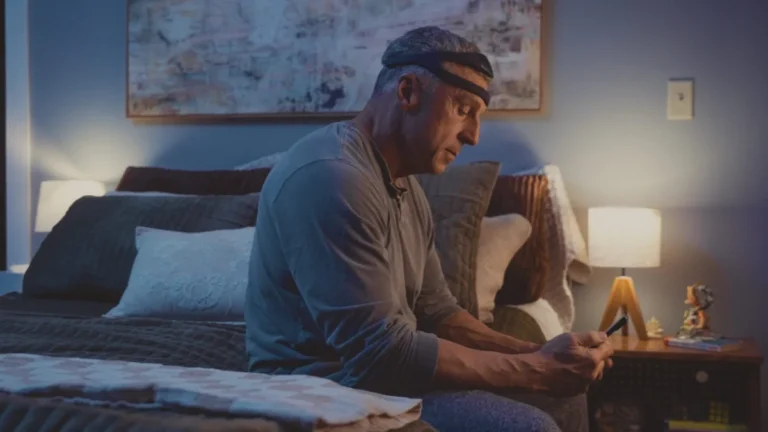










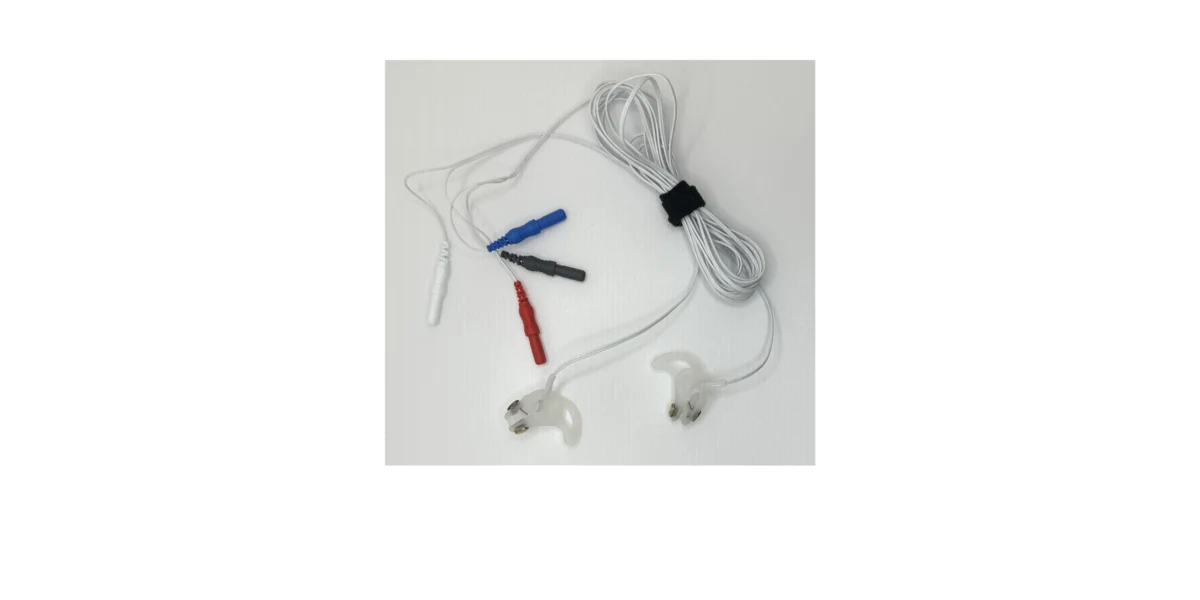
In a significant development for the field of sleep medicine and neurological research, medical technology firm Zircadia has introduced a new 4-lead, reusable in-ear ExG electrode system. Designed to bridge the gap between high-fidelity clinical data and patient comfort, this technology aims to revolutionize how sleep stages are monitored, both in the laboratory and within the comfort of a patient’s home. While currently restricted to research applications, the system represents a potential leap forward in the quest to make long-term neurophysiological monitoring less invasive and more accessible.
Main Facts: The Technology Behind the Ear
The Zircadia in-ear electrode system is engineered to solve one of the most persistent challenges in sleep medicine: the "nuisance factor" of traditional scalp-based EEG electrodes. Traditionally, polysomnography (PSG) involves the tedious application of multiple electrodes to the scalp, face, and chest, often requiring messy conductive pastes and causing significant discomfort to the patient, which can ironically disrupt the very sleep patterns researchers seek to observe.
Zircadia’s solution utilizes gold-plated electrodes housed in a form factor comparable to modern wireless earbuds. The system is inherently versatile, offering:
- Multimodal Monitoring: The 4-lead configuration supports full sleep staging, including electroencephalogram (EEG) for brain activity, electromyogram (EMG) for muscle activity, and electrooculogram (EOG) for eye movement. Furthermore, the system can be configured to capture electrocardiogram (ECG) data, providing a comprehensive view of autonomic and central nervous system function.
- Versatile Application: Designed for either wet or dry use, the electrodes allow researchers to choose between signal stability and ease of application.
- Seamless Integration: A critical feature of the system is its broad compatibility with existing sleep testing hardware. By ensuring that their interface aligns with popular original equipment manufacturer (OEM) systems, Zircadia is lowering the barrier to entry for clinics and research institutions looking to upgrade their diagnostic capabilities without replacing their entire infrastructure.
Chronology: From Concept to Clinical Target
The development of the Zircadia in-ear system follows a trend in the medical device industry toward "invisible" diagnostics. The project began as a response to feedback from sleep technologists and neuroscientists who reported that high patient dropout rates in sleep studies were often linked to the invasive nature of current electrode arrays.
- Initial Research Phase (2024–2025): Zircadia conducted preliminary bench testing to ensure signal impedance levels were comparable to traditional surface electrodes. During this phase, the primary focus was on the ergonomics of the in-ear housing to ensure comfort across a wide demographic of ear shapes and sizes.
- Research-Use Launch (Late 2026): The current release marks the "Research Use Only" (RUO) phase. This allows academic institutions and private research firms to validate the system’s data integrity against gold-standard PSG.
- Regulatory Roadmap (2027): The company is currently engaged in the rigorous process of gathering clinical data required for a 510(k) submission to the US Food and Drug Administration (FDA). Zircadia executives have publicly stated their goal to receive clearance for clinical use by early 2027.
Supporting Data: Why In-Ear Monitoring Matters
The efficacy of sleep diagnostics relies on signal-to-noise ratio and patient compliance. In traditional PSG, patients are often tethered to a wall-mounted or bulky mobile system with dozens of wires. This environment is inherently unrepresentative of a "normal" night of sleep.
Clinical data suggests that sleep architecture—the progression through REM and non-REM cycles—can be altered by the stress of being monitored. By moving the sensor to the ear canal, Zircadia is capitalizing on a rich source of neurophysiological data. The ear canal is located in close proximity to several cranial nerves and cortical areas involved in sleep regulation.
Preliminary internal validation by Zircadia suggests that the 4-lead in-ear system can capture EEG signals with high correlation to traditional C3/C4 electrode placements. For researchers, this means they can collect high-quality data while the subject sleeps in their own bed, effectively minimizing the "first-night effect," where patients display atypical sleep patterns due to the unfamiliar clinical environment.
Official Responses and Industry Outlook
"Our goal was never just to create a new electrode, but to rethink the entire patient experience," says a spokesperson for Zircadia. "If we can make a sleep study as simple as putting on a pair of headphones, we remove the primary obstacle to early diagnosis of sleep-disordered breathing, insomnia, and neurodegenerative precursors."
Industry experts, including sleep technologists and neurology department leads, have expressed cautious optimism. The consensus is that while the hardware is impressive, the transition to clinical use will depend on the strength of the forthcoming clinical trials.
"The hurdle for any new EEG technology is not just the signal quality, but the ability of the software to interpret that signal accurately in the context of standardized clinical scoring," notes an independent sleep medicine consultant. "Zircadia’s compatibility with existing OEM hardware is their strongest asset here. If they can plug into the existing analysis software that clinicians are already trained on, adoption will be significantly faster."
Implications for the Future of Sleep Medicine
The implications of the Zircadia system are far-reaching. If the 2027 FDA clearance target is met, the landscape of sleep medicine could shift in several fundamental ways:
1. The Democratization of Home Sleep Testing (HST)
Currently, home sleep tests are often limited in their diagnostic scope, frequently failing to capture the comprehensive EEG data required to diagnose complex sleep disorders like narcolepsy or parasomnias. The Zircadia system could allow for "Type II" PSG-level data collection at home, potentially reducing the burden on sleep labs and shortening wait times for patients.
2. Longitudinal Monitoring
Because the system is designed for comfort, it opens the door to multi-night or even multi-week sleep monitoring. Currently, most sleep diagnoses are based on a single night of observation. Chronic conditions, however, fluctuate over time. Longitudinal data provided by a comfortable in-ear system could provide physicians with a "sleep fingerprint" rather than a snapshot, leading to more personalized treatment plans.
3. Integration with Telehealth
As telehealth continues to expand, the ability for patients to self-apply diagnostic equipment is paramount. Zircadia’s "earbud" form factor is intuitive. By removing the need for a professional technician to apply adhesives and measure distances on the scalp, the company is effectively decentralizing sleep medicine, moving it from the hospital ward to the living room.
4. A Boost for Neuro-Research
Beyond sleep, the ability to monitor EEG in a non-clinical setting has profound implications for research into epilepsy, cognitive decline, and the effects of pharmaceutical interventions on brain activity. Researchers will be able to monitor subjects in their natural environments, providing data that is ecologically valid and free from the bias of the laboratory.
Conclusion
Zircadia’s 4-lead in-ear electrode system is a testament to the ongoing evolution of medical instrumentation. By prioritizing user comfort and hardware interoperability, the company is positioning itself at the forefront of a significant transition in diagnostics. While the road to 2027 will require rigorous clinical validation and regulatory scrutiny, the potential to enhance patient outcomes and improve the quality of sleep data is clear. As the medical community looks toward the future of personalized, long-term monitoring, the ear canal may well become the new frontier for understanding the complex mysteries of the sleeping brain.
For now, the research community holds the pen as they test the limits of this new technology. If their results match the initial promise shown by Zircadia, the way we sleep—and the way we study that sleep—will never be the same.